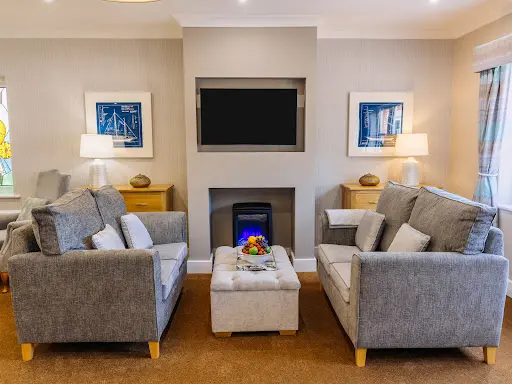
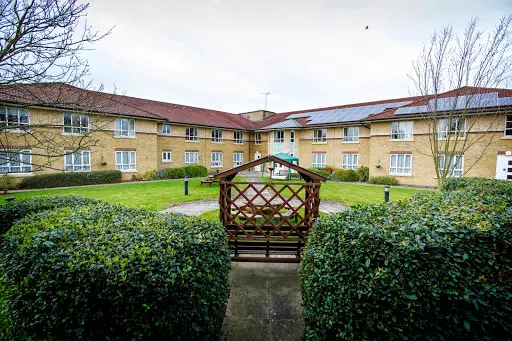
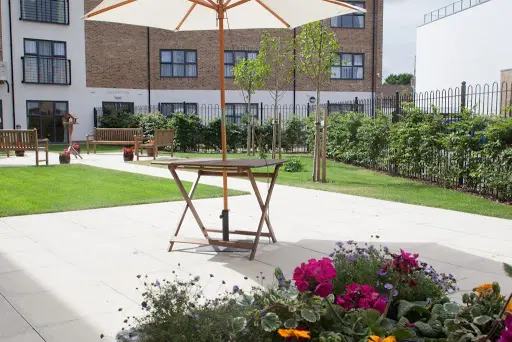
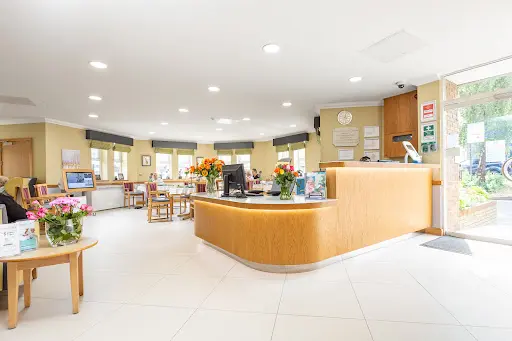
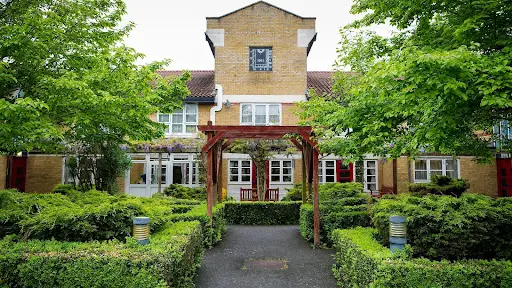
Schonfeld Square Care Home
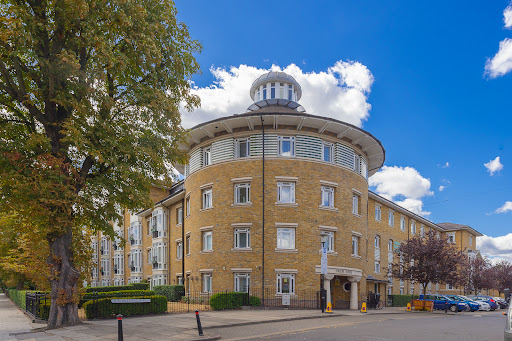
At a Glance
The information you need to decide whether this home warrants a closer look.
Nursing homes
Staff warmth score
of reviewers answered yes
Good to know
- Registered beds46
- SpecialismsCaring for adults over 65 yrs, Caring for adults under 65 yrs, Dementia, Mental health conditions, Physical disabilities, Sensory impairment
- Last inspected2019-06-04
Save Schonfeld Square Care Home to your shortlist
Keep a running list, add visit notes, and compare homes side-by-side. Free account — it takes a minute.
STAGE 4 — RESEARCHING CARE HOMES
Visit homes. Compare them side by side. Choose with confidence.
Most of us will view care homes the way we view houses, impression, atmosphere, the feeling in the corridor. We go home, try to remember what we saw, and make a permanent decision from a blurred memory.

The DCC shortlist gives every home you visit a structured record: the same twelve questions, answered the same way, every time. When you’re ready to choose, pull any two homes side by side and compare them directly. Same criteria, same evidence, your notes and your scores.
The Evidence
What the review data, the inspection reports, and the dementia-care evidence base tell us about this home.
What families say
The eight family priority themes
- Staff warmth55
- Compassion & dignity55
- Cleanliness55
- Activities & engagement50
- Food quality50
- Healthcare55
- Management & leadership60
- Resident happiness55
What inspectors found
Inspected 2019-06-04
Is this home safe?
Is the care effective?
The Effective domain was rated Good, again an improvement from the previous inspection. This domain covers whether staff have the skills and knowledge to meet your parent's needs, including dementia training, care planning, and access to healthcare. The home's registered manager and nominated individual are named, suggesting governance structures were in place. No specific findings on care plan quality, GP access, dementia training content, or food are detailed in the published summary. The home's specialist registration for dementia and mental health conditions implies these needs should be central to how staff are trained and care is delivered.Is this home caring?
The Caring domain was rated Good, covering staff warmth, dignity, respect, and support for independence. This is the domain families care most about — our review data shows staff warmth (57.3%) and compassion and dignity (55.2%) are the two highest-weighted themes in what families value. No direct quotes from residents or relatives are included in the published summary, and no specific observations of staff interactions are described. The Good rating indicates inspectors were satisfied, but without verbatim testimony or named observations it is not possible to convey the texture of daily care.Is the home responsive?
The Responsive domain was rated Good, covering activities, individual engagement, and responsiveness to changing needs including end-of-life care. This domain matters enormously for quality of life — a care home that meets physical needs but fails to provide meaningful daily engagement leaves people socially and cognitively impoverished. No specific detail on activity programmes, individual engagement for people with advanced dementia, or end-of-life planning is provided in the published summary. Given the home's Jewish community character, it is reasonable to expect that cultural and religious calendar events would form part of the activity offer, though this is not confirmed.Is the home well-led?
The Well-Led domain was rated Good, representing a recovery from the previous Requires Improvement finding and suggesting that leadership and governance systems had been strengthened between inspections. A registered manager (Miss Katarzyna Lidia Kulczyk) and a nominated individual (Mrs Chaya Spitz) are both named, indicating an established leadership structure. The improvement across all five domains in a single inspection cycle is a positive sign of organisational responsiveness to regulatory feedback. No detail on manager tenure, staff culture, family communication systems, or quality assurance processes is described in the published summary.
Source: CQC inspection report →
What the evidence base says
The home's specialist teams support residents with varying needs including dementia care, mental health conditions, and both physical disabilities and sensory impairments. They care for adults across different age groups, from those under 65 through to older residents requiring complex support. For residents living with dementia, the home provides specialist support tailored to individual needs. Their experienced teams understand the importance of maintaining dignity and quality of life throughout the dementia journey. All areas worth probing directly during a visit.
The DCC Verdict
Our editorial view, built from the three lenses: what families tell us, what inspectors record, and how the home sits against good dementia-care practice.
DCC Family Score
Beis Pinchas achieved a Good rating across all five inspection domains — a meaningful improvement from its previous Requires Improvement — but the published report contains limited specific observational detail, meaning scores reflect confirmed direction of travel rather than richly evidenced practice.
Homes in London typically score 68–82.Worth a visit
Beis Pinchas — a 46-bed nursing home in Stoke Newington, London, run by Agudas Israel Housing Association — was rated Good across all five inspection domains following an assessment in February 2019, with the report published in June 2019. This is a significant improvement from its previous Requires Improvement rating and covers a home with a clearly defined specialism, including dementia, mental health conditions, physical disabilities, and sensory impairment, as well as a distinctive Jewish community character. The fact that every domain moved into Good territory in a single inspection cycle is a meaningful marker of organisational commitment to improvement. However, the published inspection summary contains very limited specific detail — no direct quotes from residents or relatives, no named observations of staff interactions, and no specifics on staffing ratios, activity programmes, or food quality. This means the Family View scores reflect the confirmed direction of travel rather than richly evidenced day-to-day practice. Critically, this inspection is now over six years old (February 2019), and a great deal can change in a care home over that period — in staffing, management, occupancy, and culture. Before making a decision, visit in person, ask to meet the current registered manager, and use the specific questions in the checklist above. Pay particular attention to night staffing levels, how cultural and religious needs are met in daily care, and how the home communicates with families when concerns arise.
The three questions to ask when you visitSave this home. Compare it against your shortlist.
Let our analysis show you how Schonfeld Square Care Home measures up against the other homes you’re considering. Free account.
In Their Own Words
How Schonfeld Square Care Home describes itself — collected from its own website. DCC has not edited or independently verified the content in this tab.
Specialist Jewish care supporting complex needs across generations
Nursing home in London: True Peace of Mind
Beis Pinchas in London provides specialist residential care for Jewish adults with a wide range of complex needs. The home welcomes both younger adults under 65 and older residents, offering support for people living with dementia, mental health conditions, physical disabilities and sensory impairments.
Who they care for
The home's specialist teams support residents with varying needs including dementia care, mental health conditions, and both physical disabilities and sensory impairments. They care for adults across different age groups, from those under 65 through to older residents requiring complex support.
For residents living with dementia, the home provides specialist support tailored to individual needs. Their experienced teams understand the importance of maintaining dignity and quality of life throughout the dementia journey.
“Families considering Beis Pinchas are encouraged to arrange a visit to see how the home supports residents with complex care needs.”
DCC does not edit or curate content in this tab. For independently curated information, see The Evidence and DCC Verdict.
The DCC Verdict
Our editorial view, built from the three lenses: what families tell us, what inspectors record, and how the home sits against good dementia-care practice.
DCC Family Score
Beis Pinchas achieved a Good rating across all five inspection domains — a meaningful improvement from its previous Requires Improvement — but the published report contains limited specific observational detail, meaning scores reflect confirmed direction of travel rather than richly evidenced practice.
Homes in London typically score 68–82.Worth a visit
Beis Pinchas — a 46-bed nursing home in Stoke Newington, London, run by Agudas Israel Housing Association — was rated Good across all five inspection domains following an assessment in February 2019, with the report published in June 2019. This is a significant improvement from its previous Requires Improvement rating and covers a home with a clearly defined specialism, including dementia, mental health conditions, physical disabilities, and sensory impairment, as well as a distinctive Jewish community character. The fact that every domain moved into Good territory in a single inspection cycle is a meaningful marker of organisational commitment to improvement. However, the published inspection summary contains very limited specific detail — no direct quotes from residents or relatives, no named observations of staff interactions, and no specifics on staffing ratios, activity programmes, or food quality. This means the Family View scores reflect the confirmed direction of travel rather than richly evidenced day-to-day practice. Critically, this inspection is now over six years old (February 2019), and a great deal can change in a care home over that period — in staffing, management, occupancy, and culture. Before making a decision, visit in person, ask to meet the current registered manager, and use the specific questions in the checklist above. Pay particular attention to night staffing levels, how cultural and religious needs are met in daily care, and how the home communicates with families when concerns arise.
The three questions to ask when you visitSave this home. Compare it against your shortlist.
Let our analysis show you how Schonfeld Square Care Home measures up against the other homes you’re considering. Free account.
In Their Own Words
How Schonfeld Square Care Home describes itself — collected from its own website. DCC has not edited or independently verified the content in this tab.
Specialist Jewish care supporting complex needs across generations
Nursing home in London: True Peace of Mind
Beis Pinchas in London provides specialist residential care for Jewish adults with a wide range of complex needs. The home welcomes both younger adults under 65 and older residents, offering support for people living with dementia, mental health conditions, physical disabilities and sensory impairments.
Who they care for
The home's specialist teams support residents with varying needs including dementia care, mental health conditions, and both physical disabilities and sensory impairments. They care for adults across different age groups, from those under 65 through to older residents requiring complex support.
For residents living with dementia, the home provides specialist support tailored to individual needs. Their experienced teams understand the importance of maintaining dignity and quality of life throughout the dementia journey.
“Families considering Beis Pinchas are encouraged to arrange a visit to see how the home supports residents with complex care needs.”
DCC does not edit or curate content in this tab. For independently curated information, see The Evidence and DCC Verdict.