Willow Grange Care Home

At a Glance
The information you need to decide whether this home warrants a closer look.
Residential homes
Staff warmth score
of reviewers answered yes
Good to know
- Registered beds46
- SpecialismsCaring for adults over 65 yrs, Dementia
- Last inspected2018-09-19
Save Willow Grange Care Home to your shortlist
Keep a running list, add visit notes, and compare homes side-by-side. Free account — it takes a minute.
STAGE 4 — RESEARCHING CARE HOMES
Visit homes. Compare them side by side. Choose with confidence.
Most of us will view care homes the way we view houses, impression, atmosphere, the feeling in the corridor. We go home, try to remember what we saw, and make a permanent decision from a blurred memory.

The DCC shortlist gives every home you visit a structured record: the same twelve questions, answered the same way, every time. When you’re ready to choose, pull any two homes side by side and compare them directly. Same criteria, same evidence, your notes and your scores.
The Evidence
What the review data, the inspection reports, and the dementia-care evidence base tell us about this home.
What families say
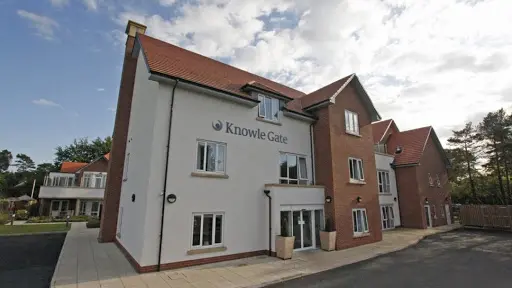
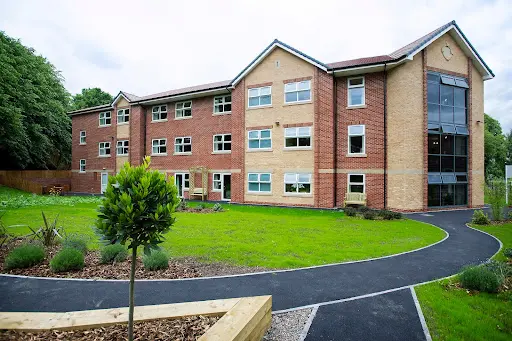
Families visiting often find the building fresh and spotless, with residents engaged in various activities throughout the day. The home runs a busy schedule that includes both on-site entertainment and trips out, which helps keep life interesting for those living there.
The eight family priority themes
- Staff warmth55
- Compassion & dignity58
- Cleanliness60
- Activities & engagement55
- Food quality55
- Healthcare60
- Management & leadership45
- Resident happiness55
What inspectors found
Inspected 2018-09-19
Is this home safe?
Is the care effective?
The effective domain was rated Good at the June 2025 inspection. This covers whether the home has the knowledge and skills to meet your parent's needs, including care planning, dementia training, access to healthcare, and food quality. The available published summary does not include specific findings, observations, or quotes from this domain. Given that the home specialises in dementia care, the depth of dementia-specific training and the quality of individual care plans are the most important things families should explore.Is this home caring?
The caring domain was rated Good at the June 2025 inspection. This domain covers whether staff are kind, whether your parent's dignity and privacy are respected, and whether the home supports independence. The available inspection summary does not include specific inspector observations, direct quotes from residents or relatives, or descriptions of staff interactions. A Good rating indicates that inspectors did not find significant concerns in this area, but the absence of published detail means families cannot assess the quality of individual interactions from the report alone.Is the home responsive?
The responsive domain was rated Good at the June 2025 inspection. This domain covers whether the home tailors care to individual needs, whether there are meaningful activities, and whether the home responds well to complaints and end-of-life needs. No specific findings, activity descriptions, or quotes are available in the published summary. For a 46-bed home specialising in dementia, the availability of one-to-one engagement for people who cannot participate in group activities is a particularly important consideration that the summary does not address.Is the home well-led?
The Well-led domain was rated Requires Improvement at the June 2025 inspection. This is the only domain where the home fell below Good and it is a significant finding. Requires Improvement in Well-led means inspectors identified problems with management, oversight, governance, or the culture in which staff operate. The registered manager is Mrs Nicola Jayne Pudney and the nominated individual is Mrs Ambreen Hussain. The published summary does not detail the specific reasons for this rating, which means families must ask the home directly what was found and what has been done about it.
Source: CQC inspection report →
What the evidence base says
The home provides specialist dementia care alongside general care for people over 65. As a home offering dementia support, they work with residents experiencing memory loss and related conditions. Some families feel the dementia care approach could benefit from deeper understanding of how the condition affects behaviour. All areas worth probing directly during a visit.
The DCC Verdict
Our editorial view, built from the three lenses: what families tell us, what inspectors record, and how the home sits against good dementia-care practice.
DCC Family Score
Willow Grange Care Home scores 62 out of 100. Four domains were rated Good at the most recent inspection, but Well-led was rated Requires Improvement, which pulls the overall score down and signals a specific concern about management and governance that families should explore before making a decision.
Homes in West Midlands typically score 68–82.The three-lens summary
What families tell us
Families visiting often find the building fresh and spotless, with residents engaged in various activities throughout the day. The home runs a busy schedule that includes both on-site entertainment and trips out, which helps keep life interesting for those living there.
What inspectors have recorded
Staff are generally described as friendly and approachable when families visit. However, some families have reported difficulty reaching management when concerns arose, particularly after incidents, which has left them feeling unheard.
How it sits against good practice
Given the mixed experiences families have shared, it's worth preparing specific questions about safety protocols and communication procedures when you visit.
Worth a visit
Willow Grange Care Home, on St Bernards Road in Solihull, was assessed in June 2025 and the report was published in October 2025. The home received a Good rating overall, with Good ratings across the safe, effective, caring, and responsive domains. It is registered for 46 beds and specialises in caring for adults over 65, including people living with dementia. The significant concern to address before visiting is the Requires Improvement rating in Well-led. This means inspectors found aspects of leadership, management oversight, or governance that were not working well enough. The published summary does not explain the specific reasons for this rating, so you will need to ask the manager directly what was found, what has changed since the inspection, and how the home is being monitored going forward. A Requires Improvement in leadership can affect the consistency of everything else over time, so this is the most important conversation to have.
The three questions to ask when you visitSave this home. Compare it against your shortlist.
Let our analysis show you how Willow Grange Care Home measures up against the other homes you’re considering. Free account.
In Their Own Words
How Willow Grange Care Home describes itself — collected from its own website. DCC has not edited or independently verified the content in this tab.
Bright activities and good food, though some families report safety concerns
Willow Grange Care Home – Expert Care in Solihull
Willow Grange Care Home in Solihull offers dementia care alongside general support for older adults. The home maintains clean, well-kept spaces with an active programme of events and outings. While many residents seem settled and content, some families have raised specific concerns about fall prevention and management communication that prospective families should discuss during visits.
Who they care for
The home provides specialist dementia care alongside general care for people over 65.
As a home offering dementia support, they work with residents experiencing memory loss and related conditions. Some families feel the dementia care approach could benefit from deeper understanding of how the condition affects behaviour.
“Given the mixed experiences families have shared, it's worth preparing specific questions about safety protocols and communication procedures when you visit.”
DCC does not edit or curate content in this tab. For independently curated information, see The Evidence and DCC Verdict.
The DCC Verdict
Our editorial view, built from the three lenses: what families tell us, what inspectors record, and how the home sits against good dementia-care practice.
DCC Family Score
Willow Grange Care Home scores 62 out of 100. Four domains were rated Good at the most recent inspection, but Well-led was rated Requires Improvement, which pulls the overall score down and signals a specific concern about management and governance that families should explore before making a decision.
Homes in West Midlands typically score 68–82.The three-lens summary
What families tell us
Families visiting often find the building fresh and spotless, with residents engaged in various activities throughout the day. The home runs a busy schedule that includes both on-site entertainment and trips out, which helps keep life interesting for those living there.
What inspectors have recorded
Staff are generally described as friendly and approachable when families visit. However, some families have reported difficulty reaching management when concerns arose, particularly after incidents, which has left them feeling unheard.
How it sits against good practice
Given the mixed experiences families have shared, it's worth preparing specific questions about safety protocols and communication procedures when you visit.
Worth a visit
Willow Grange Care Home, on St Bernards Road in Solihull, was assessed in June 2025 and the report was published in October 2025. The home received a Good rating overall, with Good ratings across the safe, effective, caring, and responsive domains. It is registered for 46 beds and specialises in caring for adults over 65, including people living with dementia. The significant concern to address before visiting is the Requires Improvement rating in Well-led. This means inspectors found aspects of leadership, management oversight, or governance that were not working well enough. The published summary does not explain the specific reasons for this rating, so you will need to ask the manager directly what was found, what has changed since the inspection, and how the home is being monitored going forward. A Requires Improvement in leadership can affect the consistency of everything else over time, so this is the most important conversation to have.
The three questions to ask when you visitSave this home. Compare it against your shortlist.
Let our analysis show you how Willow Grange Care Home measures up against the other homes you’re considering. Free account.
In Their Own Words
How Willow Grange Care Home describes itself — collected from its own website. DCC has not edited or independently verified the content in this tab.
Bright activities and good food, though some families report safety concerns
Willow Grange Care Home – Expert Care in Solihull
Willow Grange Care Home in Solihull offers dementia care alongside general support for older adults. The home maintains clean, well-kept spaces with an active programme of events and outings. While many residents seem settled and content, some families have raised specific concerns about fall prevention and management communication that prospective families should discuss during visits.
Who they care for
The home provides specialist dementia care alongside general care for people over 65.
As a home offering dementia support, they work with residents experiencing memory loss and related conditions. Some families feel the dementia care approach could benefit from deeper understanding of how the condition affects behaviour.
Management & ethos
Staff are generally described as friendly and approachable when families visit. However, some families have reported difficulty reaching management when concerns arose, particularly after incidents, which has left them feeling unheard.
The home & environment
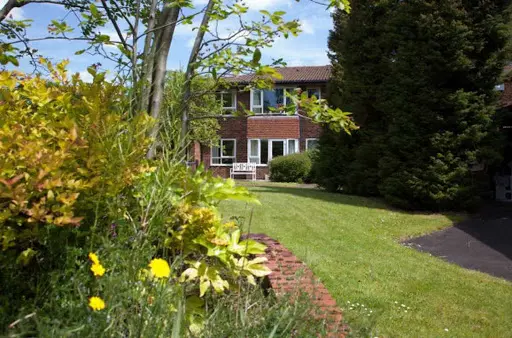
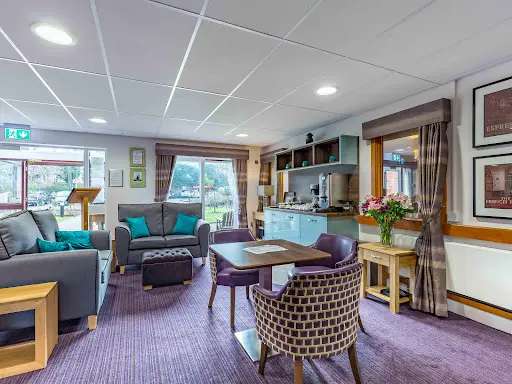
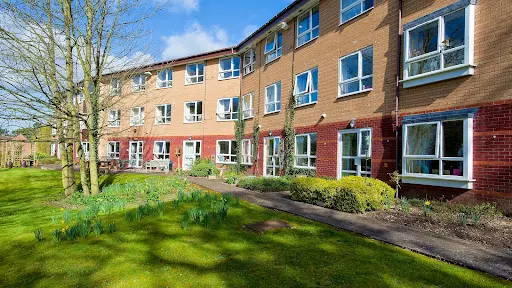
The food gets consistent praise from visitors who notice good variety and quality at mealtimes. The home keeps its spaces clean and well-maintained, creating pleasant surroundings for daily life.
“Given the mixed experiences families have shared, it's worth preparing specific questions about safety protocols and communication procedures when you visit.”
DCC does not edit or curate content in this tab. For independently curated information, see The Evidence and DCC Verdict.