Knowle Gate Care Home
At a Glance
The information you need to decide whether this home warrants a closer look.
Nursing homes
Staff warmth score
of reviewers answered yes
Good to know
- Registered beds60
- SpecialismsCaring for adults over 65 yrs, Caring for adults under 65 yrs, Dementia, Mental health conditions, Physical disabilities, Sensory impairment
- Last inspected2020-03-12
Save Knowle Gate Care Home to your shortlist
Keep a running list, add visit notes, and compare homes side-by-side. Free account — it takes a minute.
STAGE 4 — RESEARCHING CARE HOMES
Visit homes. Compare them side by side. Choose with confidence.
Most of us will view care homes the way we view houses, impression, atmosphere, the feeling in the corridor. We go home, try to remember what we saw, and make a permanent decision from a blurred memory.

The DCC shortlist gives every home you visit a structured record: the same twelve questions, answered the same way, every time. When you’re ready to choose, pull any two homes side by side and compare them directly. Same criteria, same evidence, your notes and your scores.
The Evidence
What the review data, the inspection reports, and the dementia-care evidence base tell us about this home.
What families say
Residents here find plenty to keep them occupied, with a programme of activities, entertainment and trips that cater to different interests and abilities. The bistro and garden spaces become natural gathering points where friendships form. People describe feeling genuinely welcomed, with staff who remember names and preferences, creating an atmosphere where residents feel valued as individuals.
The eight family priority themes
- Staff warmth72
- Compassion & dignity72
- Cleanliness70
- Activities & engagement68
- Food quality68
- Healthcare70
- Management & leadership72
- Resident happiness70
What inspectors found
Inspected 2020-03-12
Is this home safe?
Is the care effective?
The home was rated Good for effectiveness at its October 2020 inspection. The registration covers nursing care, which implies clinical oversight is in place. The home is registered to support people with dementia, mental health conditions, physical disabilities, and sensory impairments, suggesting staff are expected to hold a range of specialist skills. No detail about training content, care plan quality, GP access, or food provision was included in the published report.Is this home caring?
The home was rated Good for caring at its October 2020 inspection. No direct observations of staff interactions, no quotes from residents or relatives, and no description of how staff approach dignity and privacy were included in the published report. The Good rating indicates inspectors were satisfied with the standard of caring they found, but the text does not tell you what they specifically saw.Is the home responsive?
The home was rated Good for responsiveness at its October 2020 inspection. Responsiveness covers whether your parent would have meaningful activities, whether their individual preferences and history are reflected in their care, and how the home handles complaints and end-of-life planning. None of these areas are described in specific terms in the published report.Is the home well-led?
The home was rated Good for leadership at its October 2020 inspection. Mrs Tracey Ann Frisby is named as the registered manager and Mrs Natasha Southall as the nominated individual for Willowbrook Healthcare Limited. Having a named manager in post is a basic but important marker of stability. No detail about management culture, staff morale, how concerns are handled, or how the home monitors its own quality was included in the published report.
Source: CQC inspection report →
What the evidence base says
The home supports people with various needs including dementia, mental health conditions, physical disabilities, and sensory impairments. They welcome both younger adults under 65 and older residents. For residents living with dementia, the secure environment and structured daily activities provide reassurance and routine. Staff are experienced in supporting people through the different stages of dementia, working closely with families to maintain familiar comforts and connections. All areas worth probing directly during a visit.
The DCC Verdict
Our editorial view, built from the three lenses: what families tell us, what inspectors record, and how the home sits against good dementia-care practice.
DCC Family Score
Knowle Gate Care Home holds a Good rating across all five inspection domains, which is a positive foundation. However, the published report contains very limited specific detail, so scores reflect confirmed ratings rather than rich observed evidence.
Homes in West Midlands typically score 68–82.The three-lens summary
What families tell us
Residents here find plenty to keep them occupied, with a programme of activities, entertainment and trips that cater to different interests and abilities. The bistro and garden spaces become natural gathering points where friendships form. People describe feeling genuinely welcomed, with staff who remember names and preferences, creating an atmosphere where residents feel valued as individuals.
What inspectors have recorded
The management style here emphasizes being available and approachable. Families describe a manager who knows residents by name and creates an atmosphere where staff feel supported to provide consistent care. When families need updates or have concerns, they find the team responsive and willing to explain care decisions. This open communication extends through respite stays, where detailed care plans help ensure continuity.
How it sits against good practice
If you're weighing options for someone who values both independence and support, visiting Knowle Gate could help you picture what daily life might look like here.
Worth a visit
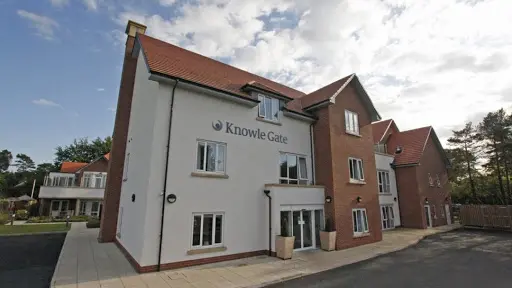
Knowle Gate Care Home, on Warwick Road in Solihull, was rated Good across all five inspection domains at its October 2020 inspection. The home is registered to care for up to 60 people, including those living with dementia, mental health conditions, physical disabilities, and sensory impairments. A named registered manager and nominated individual were in post at the time of inspection, indicating an organised leadership structure. This is a positive baseline and the rating has remained stable. The main limitation here is that the published inspection report contains very little specific narrative detail: no direct observations, no resident or relative quotes, and no description of daily life inside the home. A Good rating tells you the home met the required standard, but it does not tell you whether your mum would be happy there or whether staff would know her by name. Before you decide, visit in person, ask to walk the dementia unit unaccompanied by a manager, watch how staff speak to residents in corridors and at mealtimes, and ask the specific questions listed in the checklist below.
The three questions to ask when you visitSave this home. Compare it against your shortlist.
Let our analysis show you how Knowle Gate Care Home measures up against the other homes you’re considering. Free account.
In Their Own Words
How Knowle Gate Care Home describes itself — collected from its own website. DCC has not edited or independently verified the content in this tab.
Modern care with hotel comforts and beautiful gardens in Solihull
Knowle Gate Care Home – Your Trusted nursing home
Families describe Knowle Gate Care Home in Solihull as a place where thoughtful design meets genuine care. The modern facilities include everything from a cinema to landscaped gardens, creating spaces where residents can enjoy life rather than just receive care. What strikes visitors most is how the whole team — from reception to kitchen staff — shares the same resident-focused approach.
Who they care for
The home supports people with various needs including dementia, mental health conditions, physical disabilities, and sensory impairments. They welcome both younger adults under 65 and older residents.
For residents living with dementia, the secure environment and structured daily activities provide reassurance and routine. Staff are experienced in supporting people through the different stages of dementia, working closely with families to maintain familiar comforts and connections.
“If you're weighing options for someone who values both independence and support, visiting Knowle Gate could help you picture what daily life might look like here.”
DCC does not edit or curate content in this tab. For independently curated information, see The Evidence and DCC Verdict.
The DCC Verdict
Our editorial view, built from the three lenses: what families tell us, what inspectors record, and how the home sits against good dementia-care practice.
DCC Family Score
Knowle Gate Care Home holds a Good rating across all five inspection domains, which is a positive foundation. However, the published report contains very limited specific detail, so scores reflect confirmed ratings rather than rich observed evidence.
Homes in West Midlands typically score 68–82.The three-lens summary
What families tell us
Residents here find plenty to keep them occupied, with a programme of activities, entertainment and trips that cater to different interests and abilities. The bistro and garden spaces become natural gathering points where friendships form. People describe feeling genuinely welcomed, with staff who remember names and preferences, creating an atmosphere where residents feel valued as individuals.
What inspectors have recorded
The management style here emphasizes being available and approachable. Families describe a manager who knows residents by name and creates an atmosphere where staff feel supported to provide consistent care. When families need updates or have concerns, they find the team responsive and willing to explain care decisions. This open communication extends through respite stays, where detailed care plans help ensure continuity.
How it sits against good practice
If you're weighing options for someone who values both independence and support, visiting Knowle Gate could help you picture what daily life might look like here.
Worth a visit
Knowle Gate Care Home, on Warwick Road in Solihull, was rated Good across all five inspection domains at its October 2020 inspection. The home is registered to care for up to 60 people, including those living with dementia, mental health conditions, physical disabilities, and sensory impairments. A named registered manager and nominated individual were in post at the time of inspection, indicating an organised leadership structure. This is a positive baseline and the rating has remained stable. The main limitation here is that the published inspection report contains very little specific narrative detail: no direct observations, no resident or relative quotes, and no description of daily life inside the home. A Good rating tells you the home met the required standard, but it does not tell you whether your mum would be happy there or whether staff would know her by name. Before you decide, visit in person, ask to walk the dementia unit unaccompanied by a manager, watch how staff speak to residents in corridors and at mealtimes, and ask the specific questions listed in the checklist below.
The three questions to ask when you visitSave this home. Compare it against your shortlist.
Let our analysis show you how Knowle Gate Care Home measures up against the other homes you’re considering. Free account.
In Their Own Words
How Knowle Gate Care Home describes itself — collected from its own website. DCC has not edited or independently verified the content in this tab.
Modern care with hotel comforts and beautiful gardens in Solihull
Knowle Gate Care Home – Your Trusted nursing home
Families describe Knowle Gate Care Home in Solihull as a place where thoughtful design meets genuine care. The modern facilities include everything from a cinema to landscaped gardens, creating spaces where residents can enjoy life rather than just receive care. What strikes visitors most is how the whole team — from reception to kitchen staff — shares the same resident-focused approach.
Who they care for
The home supports people with various needs including dementia, mental health conditions, physical disabilities, and sensory impairments. They welcome both younger adults under 65 and older residents.
For residents living with dementia, the secure environment and structured daily activities provide reassurance and routine. Staff are experienced in supporting people through the different stages of dementia, working closely with families to maintain familiar comforts and connections.
Management & ethos
The management style here emphasizes being available and approachable. Families describe a manager who knows residents by name and creates an atmosphere where staff feel supported to provide consistent care. When families need updates or have concerns, they find the team responsive and willing to explain care decisions. This open communication extends through respite stays, where detailed care plans help ensure continuity.
The home & environment
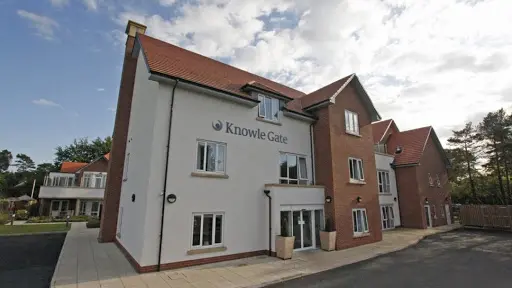
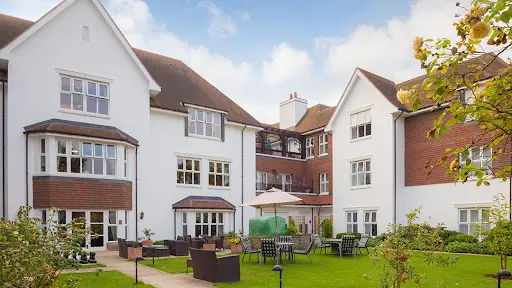
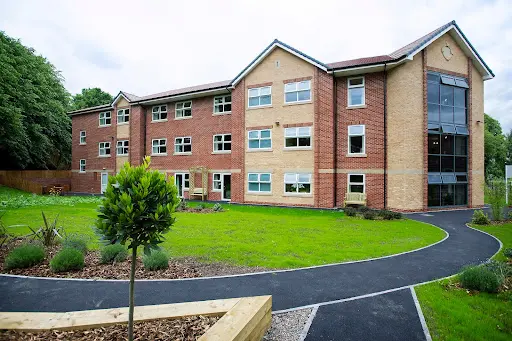
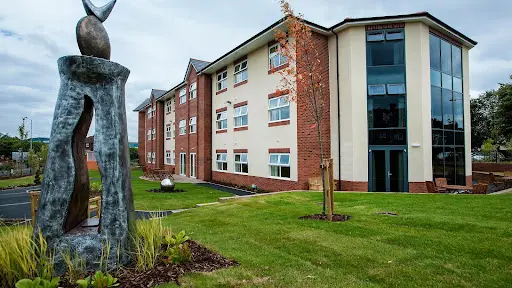
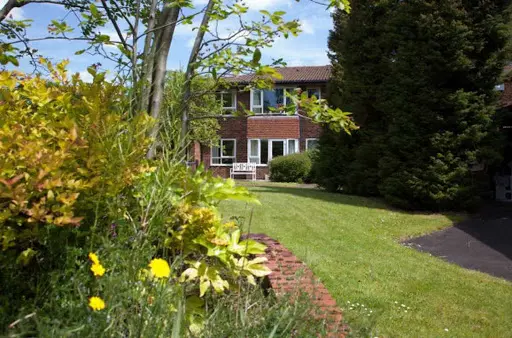
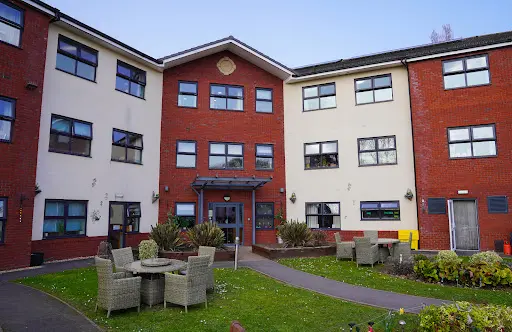
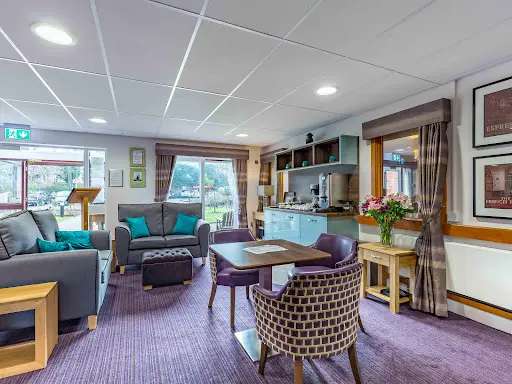
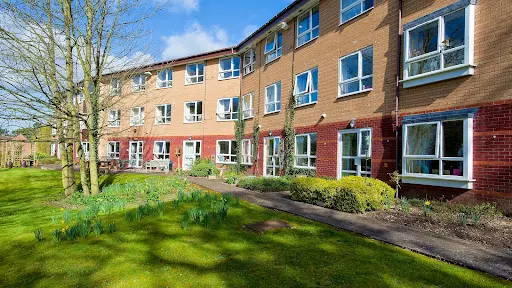
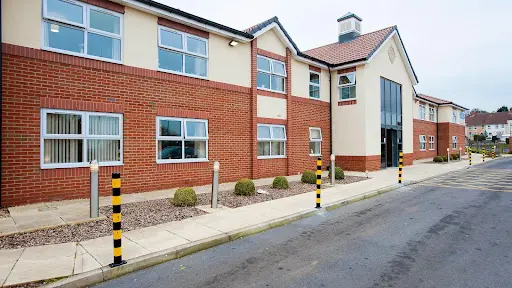
The building itself offers comfort without feeling institutional. Clean, modern spaces include terraces for quiet moments and communal areas designed for socializing. The kitchen team works to accommodate different tastes and dietary needs, though some families note the food can be mild to suit everyone. The landscaped grounds give residents safe outdoor spaces to enjoy throughout the seasons.
“If you're weighing options for someone who values both independence and support, visiting Knowle Gate could help you picture what daily life might look like here.”
DCC does not edit or curate content in this tab. For independently curated information, see The Evidence and DCC Verdict.