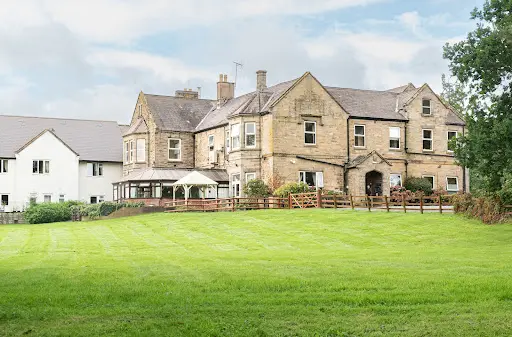
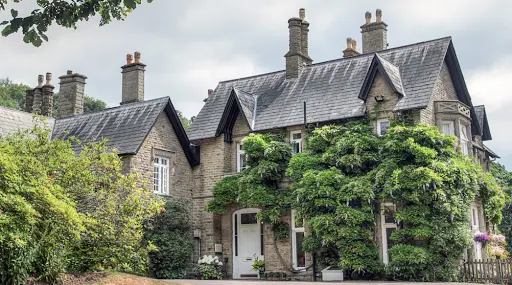
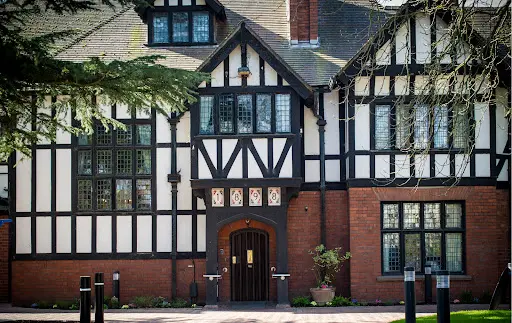
Waverley House – Shaw healthcare

At a Glance
The information you need to decide whether this home warrants a closer look.
Nursing homes, Residential homes, Rehabilitation (illness/injury)
Staff warmth score
of reviewers answered yes
Good to know
- Registered beds47
- SpecialismsCaring for adults over 65 yrs, Caring for adults under 65 yrs, Dementia
- Last inspected2019-04-13
Save Waverley House – Shaw healthcare to your shortlist
Keep a running list, add visit notes, and compare homes side-by-side. Free account — it takes a minute.
STAGE 4 — RESEARCHING CARE HOMES
Visit homes. Compare them side by side. Choose with confidence.
Most of us will view care homes the way we view houses, impression, atmosphere, the feeling in the corridor. We go home, try to remember what we saw, and make a permanent decision from a blurred memory.

The DCC shortlist gives every home you visit a structured record: the same twelve questions, answered the same way, every time. When you’re ready to choose, pull any two homes side by side and compare them directly. Same criteria, same evidence, your notes and your scores.
The Evidence
What the review data, the inspection reports, and the dementia-care evidence base tell us about this home.
What families say
What strikes families is how the staff respond when residents are struggling. They've seen the care team work patiently with people who've arrived from hospital feeling frightened and disoriented, staying close until that confusion starts to lift and contentment takes its place.
The eight family priority themes
- Staff warmth55
- Compassion & dignity60
- Cleanliness55
- Activities & engagement52
- Food quality52
- Healthcare55
- Management & leadership65
- Resident happiness55
What inspectors found
Inspected 2019-04-13
Is this home safe?
Is the care effective?
Effective was rated Good at inspection. This domain covers staff training, care planning, health monitoring, GP access, and food and nutrition. The home lists dementia as a specialism alongside nursing care and rehabilitation, suggesting staff are expected to work across a range of complex needs. No specific detail about training content, care plan quality, or food provision is available in the published summary. The inspection is from March 2019.Is this home caring?
Caring was rated Good at inspection. This domain covers staff warmth, respect for dignity, and whether your parent is treated as an individual. No direct observations, resident quotes, or family testimony are available in the published inspection summary to illustrate what Good caring looked like in practice at Waverley House. The rating alone tells us inspectors were satisfied with what they found, but not the texture of daily life for residents.Is the home responsive?
Responsive was rated Good at inspection. This domain covers activities, individualised engagement, and how well the home responds to each person's preferences, needs, and changes over time. No specific activity examples, individual engagement approaches, or end-of-life care detail are available in the published summary. The home supports adults both over and under 65, as well as people with dementia, which means the activities and engagement programme needs to be genuinely varied to meet diverse needs.Is the home well-led?
Well-led was rated Good at inspection in March 2019. A registered manager and nominated individual are both named on the registration record. The home is run by Shaw Healthcare Limited. The July 2023 monitoring review found no evidence to prompt a reassessment. No specific detail about management style, staff culture, governance processes, or family communication is available in the published summary.
Source: CQC inspection report →
What the evidence base says
Waverley House cares for adults both under and over 65, with particular experience supporting people with dementia. For residents with dementia who've had difficult transitions, the team focuses on creating stability. They work to help people who arrive unsettled find their rhythm in this new environment. All areas worth probing directly during a visit.
The DCC Verdict
Our editorial view, built from the three lenses: what families tell us, what inspectors record, and how the home sits against good dementia-care practice.
DCC Family Score
Waverley House scores in the mid-range, reflecting a broadly positive inspection across most areas of care, offset by a Requires Improvement in safety — and significantly limited by the age of the inspection data, which dates from March 2019.
Homes in West Midlands typically score 68–82.The three-lens summary
What families tell us
What strikes families is how the staff respond when residents are struggling. They've seen the care team work patiently with people who've arrived from hospital feeling frightened and disoriented, staying close until that confusion starts to lift and contentment takes its place.
What inspectors have recorded
The staff here seem to understand that recovery isn't just physical. When residents arrive with complex needs — perhaps recovering from a fall while also managing dementia — the team pays attention to both the medical side and the emotional upheaval that comes with such big changes.
How it sits against good practice
It's worth visiting to see if their approach feels right for your situation.
Worth a visit
Waverley House in Leominster was rated Good overall when inspected in March 2019, with Good ratings across Effective, Caring, Responsive and Well-led. The one exception was Safe, which was rated Requires Improvement — a finding that families considering this home for a parent with dementia should take seriously and follow up directly with the home about what actions were taken. The most significant limitation here is time: this inspection is now over six years old, and while a July 2023 review found no evidence to change the rating, that review was a desk exercise, not a fresh visit. Much can change in six years — managers move on, staffing structures shift, and occupancy levels fluctuate. Before making a decision, visit in person, ask what specifically caused the Requires Improvement in Safety and how it was resolved, and check how many permanent (not agency) staff work on the dementia unit, particularly at night.
The three questions to ask when you visitSave this home. Compare it against your shortlist.
Let our analysis show you how Waverley House – Shaw healthcare measures up against the other homes you’re considering. Free account.
In Their Own Words
How Waverley House – Shaw healthcare describes itself — collected from its own website. DCC has not edited or independently verified the content in this tab.
Where confused residents find their feet again in Leominster
Compassionate Care in Leominster at Waverley House
When someone with dementia moves from hospital to residential care, those first weeks can feel impossible. Waverley House in Leominster understands this journey. Families describe how the care team here helps residents who arrive distressed and confused gradually find their balance again.
Who they care for
Waverley House cares for adults both under and over 65, with particular experience supporting people with dementia.
For residents with dementia who've had difficult transitions, the team focuses on creating stability. They work to help people who arrive unsettled find their rhythm in this new environment.
“It's worth visiting to see if their approach feels right for your situation.”
DCC does not edit or curate content in this tab. For independently curated information, see The Evidence and DCC Verdict.
The DCC Verdict
Our editorial view, built from the three lenses: what families tell us, what inspectors record, and how the home sits against good dementia-care practice.
DCC Family Score
Waverley House scores in the mid-range, reflecting a broadly positive inspection across most areas of care, offset by a Requires Improvement in safety — and significantly limited by the age of the inspection data, which dates from March 2019.
Homes in West Midlands typically score 68–82.The three-lens summary
What families tell us
What strikes families is how the staff respond when residents are struggling. They've seen the care team work patiently with people who've arrived from hospital feeling frightened and disoriented, staying close until that confusion starts to lift and contentment takes its place.
What inspectors have recorded
The staff here seem to understand that recovery isn't just physical. When residents arrive with complex needs — perhaps recovering from a fall while also managing dementia — the team pays attention to both the medical side and the emotional upheaval that comes with such big changes.
How it sits against good practice
It's worth visiting to see if their approach feels right for your situation.
Worth a visit
Waverley House in Leominster was rated Good overall when inspected in March 2019, with Good ratings across Effective, Caring, Responsive and Well-led. The one exception was Safe, which was rated Requires Improvement — a finding that families considering this home for a parent with dementia should take seriously and follow up directly with the home about what actions were taken. The most significant limitation here is time: this inspection is now over six years old, and while a July 2023 review found no evidence to change the rating, that review was a desk exercise, not a fresh visit. Much can change in six years — managers move on, staffing structures shift, and occupancy levels fluctuate. Before making a decision, visit in person, ask what specifically caused the Requires Improvement in Safety and how it was resolved, and check how many permanent (not agency) staff work on the dementia unit, particularly at night.
The three questions to ask when you visitSave this home. Compare it against your shortlist.
Let our analysis show you how Waverley House – Shaw healthcare measures up against the other homes you’re considering. Free account.
In Their Own Words
How Waverley House – Shaw healthcare describes itself — collected from its own website. DCC has not edited or independently verified the content in this tab.
Where confused residents find their feet again in Leominster
Compassionate Care in Leominster at Waverley House
When someone with dementia moves from hospital to residential care, those first weeks can feel impossible. Waverley House in Leominster understands this journey. Families describe how the care team here helps residents who arrive distressed and confused gradually find their balance again.
Who they care for
Waverley House cares for adults both under and over 65, with particular experience supporting people with dementia.
For residents with dementia who've had difficult transitions, the team focuses on creating stability. They work to help people who arrive unsettled find their rhythm in this new environment.
Management & ethos
The staff here seem to understand that recovery isn't just physical. When residents arrive with complex needs — perhaps recovering from a fall while also managing dementia — the team pays attention to both the medical side and the emotional upheaval that comes with such big changes.
“It's worth visiting to see if their approach feels right for your situation.”
DCC does not edit or curate content in this tab. For independently curated information, see The Evidence and DCC Verdict.