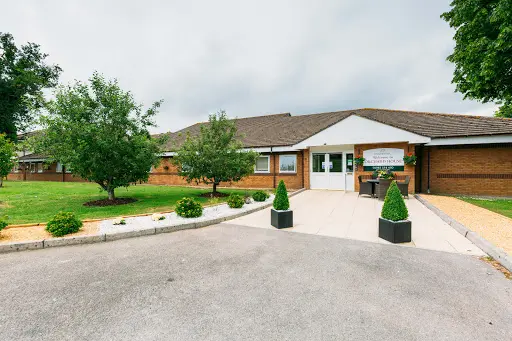
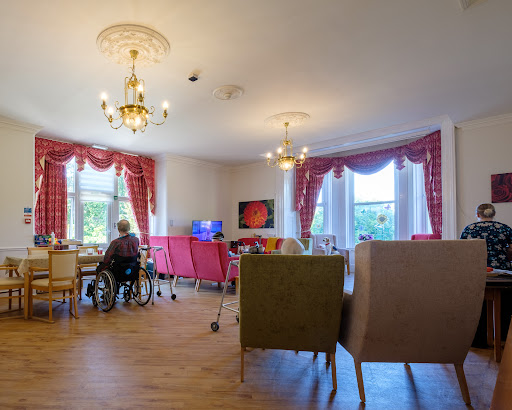
The Rubens

At a Glance
The information you need to decide whether this home warrants a closer look.
Residential homes
Staff warmth score
of reviewers answered yes
Good to know
- Registered beds26
- SpecialismsCaring for adults over 65 yrs, Dementia, Sensory impairment
- Last inspected2022-10-26
Save The Rubens to your shortlist
Keep a running list, add visit notes, and compare homes side-by-side. Free account — it takes a minute.
STAGE 4 — RESEARCHING CARE HOMES
Visit homes. Compare them side by side. Choose with confidence.
Most of us will view care homes the way we view houses, impression, atmosphere, the feeling in the corridor. We go home, try to remember what we saw, and make a permanent decision from a blurred memory.

The DCC shortlist gives every home you visit a structured record: the same twelve questions, answered the same way, every time. When you’re ready to choose, pull any two homes side by side and compare them directly. Same criteria, same evidence, your notes and your scores.
The Evidence
What the review data, the inspection reports, and the dementia-care evidence base tell us about this home.
What families say
What strikes families most is how their loved ones respond to the staff. Relatives describe seeing real warmth in daily interactions, with residents who initially struggled with the move now seeming genuinely content. One family noticed their relative eating better than they had in months.
The eight family priority themes
- Staff warmth50
- Compassion & dignity50
- Cleanliness50
- Activities & engagement45
- Food quality45
- Healthcare50
- Management & leadership45
- Resident happiness45
What inspectors found
Inspected 2022-10-26
Is this home safe?
Is the care effective?
The March 2024 assessment recorded a Good rating for Effective, but the available report text does not include the specific findings that sit behind that rating. There is no published detail on care plan quality, GP access, medicines management, dementia training content, or how food quality and dietary needs are managed at this home. The October 2022 inspection resulted in a Requires Improvement rating, meaning there were concerns at that point, though the specific nature of those concerns is not available in the published text.Is this home caring?
The March 2024 assessment recorded a Good rating for Caring, but no specific inspector observations, resident testimony, or relative feedback is available in the published text provided. There is therefore no verified evidence of how staff interact with residents day to day, whether residents are addressed by preferred names, whether care is delivered without rushing, or how staff respond when a resident is distressed. The previous Requires Improvement rating in 2022 means the home was not meeting the expected standard at that point.Is the home responsive?
The March 2024 assessment recorded a Good rating for Responsive, but no specific findings are available in the published text on activities provision, one-to-one engagement, how individual preferences are met, or how end-of-life care is planned and delivered. The home's specialism includes dementia and sensory impairment, which makes the absence of detail on tailored engagement particularly important to explore directly. The October 2022 Requires Improvement rating means there were concerns at that earlier point.Is the home well-led?
The March 2024 assessment recorded a Good rating for Well-led, and the home is registered with a named registered manager. The October 2022 inspection resulted in a Requires Improvement overall rating, representing a decline from a previous Good, which suggests there was a period of leadership or governance concern. No specific detail is available in the published text on manager visibility, staff culture, how the home handles complaints, or what governance systems are in place. The registered manager is named in the registration record.
Source: CQC inspection report →
What the evidence base says
The Rubens specialises in supporting people over 65, including those living with dementia and sensory impairments. For residents with dementia, the home provides specialised support tailored to individual needs, helping people maintain their sense of self and connection. All areas worth probing directly during a visit.
The DCC Verdict
Our editorial view, built from the three lenses: what families tell us, what inspectors record, and how the home sits against good dementia-care practice.
DCC Family Score
This home carries a Requires Improvement rating from its October 2022 inspection, a decline from a previous Good rating, and the individual domain ratings from that inspection are not published. The scores above reflect this limited evidence base rather than any confirmed strengths or weaknesses.
Homes in West Midlands typically score 68–82.The three-lens summary
What families tell us
What strikes families most is how their loved ones respond to the staff. Relatives describe seeing real warmth in daily interactions, with residents who initially struggled with the move now seeming genuinely content. One family noticed their relative eating better than they had in months.
What inspectors have recorded
The team here seems to understand what matters most to families — knowing their loved one is in kind hands. Relatives mention staff who take time to connect with residents, creating an atmosphere where people feel looked after rather than just cared for.
How it sits against good practice
Sometimes the smallest signs — a relaxed smile, a hearty appetite — tell you everything you need to know.
Worth a visit
This home, located on Pave Lane in Newport, holds a Requires Improvement rating following its October 2022 inspection, a decline from a previous Good rating. The individual domain ratings from that inspection are not published in the available findings, which means there is no specific detail on what inspectors observed about staffing, care, cleanliness, or management at that time. A more recent assessment dated 1 March 2024 has since been published and carries Good ratings across all five domains, but the report text provided contains insufficient detail to assess what inspectors actually found on that visit. The gap between the 2022 Requires Improvement rating and the 2024 return to Good is the most important thing to explore before making any decision. Ask the manager directly what changed between those two inspections, what the specific concerns were in 2022, and how the home demonstrates it has sustained the improvements. On your visit, ask to see last week's actual staffing rota for both day and night shifts, and ask what proportion of those shifts were covered by permanent rather than agency staff. For a 26-bed home specialising in dementia care, consistent, familiar faces matter enormously to your parent's wellbeing.
The three questions to ask when you visitSave this home. Compare it against your shortlist.
Let our analysis show you how The Rubens measures up against the other homes you’re considering. Free account.
In Their Own Words
How The Rubens describes itself — collected from its own website. DCC has not edited or independently verified the content in this tab.
Where anxious residents find their feet and families breathe easier
The Rubens – Your Trusted residential home
When someone you love needs care, watching them settle somewhere new can feel overwhelming. The Rubens in Newport understands this journey. Families here talk about seeing their relatives relax into the rhythm of the home, with some who arrived anxious now greeting visitors with genuine smiles.
Who they care for
The Rubens specialises in supporting people over 65, including those living with dementia and sensory impairments.
For residents with dementia, the home provides specialised support tailored to individual needs, helping people maintain their sense of self and connection.
“Sometimes the smallest signs — a relaxed smile, a hearty appetite — tell you everything you need to know.”
DCC does not edit or curate content in this tab. For independently curated information, see The Evidence and DCC Verdict.
The DCC Verdict
Our editorial view, built from the three lenses: what families tell us, what inspectors record, and how the home sits against good dementia-care practice.
DCC Family Score
This home carries a Requires Improvement rating from its October 2022 inspection, a decline from a previous Good rating, and the individual domain ratings from that inspection are not published. The scores above reflect this limited evidence base rather than any confirmed strengths or weaknesses.
Homes in West Midlands typically score 68–82.The three-lens summary
What families tell us
What strikes families most is how their loved ones respond to the staff. Relatives describe seeing real warmth in daily interactions, with residents who initially struggled with the move now seeming genuinely content. One family noticed their relative eating better than they had in months.
What inspectors have recorded
The team here seems to understand what matters most to families — knowing their loved one is in kind hands. Relatives mention staff who take time to connect with residents, creating an atmosphere where people feel looked after rather than just cared for.
How it sits against good practice
Sometimes the smallest signs — a relaxed smile, a hearty appetite — tell you everything you need to know.
Worth a visit
This home, located on Pave Lane in Newport, holds a Requires Improvement rating following its October 2022 inspection, a decline from a previous Good rating. The individual domain ratings from that inspection are not published in the available findings, which means there is no specific detail on what inspectors observed about staffing, care, cleanliness, or management at that time. A more recent assessment dated 1 March 2024 has since been published and carries Good ratings across all five domains, but the report text provided contains insufficient detail to assess what inspectors actually found on that visit. The gap between the 2022 Requires Improvement rating and the 2024 return to Good is the most important thing to explore before making any decision. Ask the manager directly what changed between those two inspections, what the specific concerns were in 2022, and how the home demonstrates it has sustained the improvements. On your visit, ask to see last week's actual staffing rota for both day and night shifts, and ask what proportion of those shifts were covered by permanent rather than agency staff. For a 26-bed home specialising in dementia care, consistent, familiar faces matter enormously to your parent's wellbeing.
The three questions to ask when you visitSave this home. Compare it against your shortlist.
Let our analysis show you how The Rubens measures up against the other homes you’re considering. Free account.
In Their Own Words
How The Rubens describes itself — collected from its own website. DCC has not edited or independently verified the content in this tab.
Where anxious residents find their feet and families breathe easier
The Rubens – Your Trusted residential home
When someone you love needs care, watching them settle somewhere new can feel overwhelming. The Rubens in Newport understands this journey. Families here talk about seeing their relatives relax into the rhythm of the home, with some who arrived anxious now greeting visitors with genuine smiles.
Who they care for
The Rubens specialises in supporting people over 65, including those living with dementia and sensory impairments.
For residents with dementia, the home provides specialised support tailored to individual needs, helping people maintain their sense of self and connection.
Management & ethos
The team here seems to understand what matters most to families — knowing their loved one is in kind hands. Relatives mention staff who take time to connect with residents, creating an atmosphere where people feel looked after rather than just cared for.
“Sometimes the smallest signs — a relaxed smile, a hearty appetite — tell you everything you need to know.”
DCC does not edit or curate content in this tab. For independently curated information, see The Evidence and DCC Verdict.