Barchester – Orchard House Care Home
At a Glance
The information you need to decide whether this home warrants a closer look.
Nursing homes
Staff warmth score
of reviewers answered yes
Good to know
- Registered beds60
- SpecialismsCaring for adults over 65 yrs, Caring for adults under 65 yrs, Dementia, Physical disabilities
- Last inspected2022-07-20
Save Barchester – Orchard House Care Home to your shortlist
Keep a running list, add visit notes, and compare homes side-by-side. Free account — it takes a minute.
STAGE 4 — RESEARCHING CARE HOMES
Visit homes. Compare them side by side. Choose with confidence.
Most of us will view care homes the way we view houses, impression, atmosphere, the feeling in the corridor. We go home, try to remember what we saw, and make a permanent decision from a blurred memory.

The DCC shortlist gives every home you visit a structured record: the same twelve questions, answered the same way, every time. When you’re ready to choose, pull any two homes side by side and compare them directly. Same criteria, same evidence, your notes and your scores.
The Evidence
What the review data, the inspection reports, and the dementia-care evidence base tell us about this home.
What families say
Families talk about seeing their relatives taking part in activities — sometimes structured events, sometimes just chatting over meals together. There's a sense that people here aren't rushed through their day. Staff seem to understand that a friendly chat can be just as important as any scheduled activity.
The eight family priority themes
- Staff warmth72
- Compassion & dignity72
- Cleanliness65
- Activities & engagement65
- Food quality65
- Healthcare60
- Management & leadership75
- Resident happiness70
What inspectors found
Inspected 2022-07-20
Is this home safe?
Is the care effective?
Effectiveness was rated Good at the February 2024 assessment. This domain covers whether staff have the right training, whether care plans reflect individual needs, and whether your parent's health is actively monitored and supported. The inspection text does not provide specific examples of what inspectors observed or recorded in this domain. The Good rating is a positive finding, but the lack of published detail means it is not possible to confirm specifics around dementia training quality, care plan review frequency, or how well the home manages healthcare needs including GP access and medicines.Is this home caring?
Caring was rated Good at the February 2024 assessment, covering how warmly and respectfully staff treat the people who live here. This is the domain that most directly reflects day-to-day kindness, whether staff knock before entering rooms, use preferred names, and respond without rushing. The published report does not include specific inspector observations or resident and relative testimony that would allow a detailed picture to be drawn. The Good rating is encouraging but cannot be verified through the published text alone.Is the home responsive?
Responsiveness was rated Good at the February 2024 assessment. This domain covers whether the home provides meaningful activities, responds to individual preferences, and supports people to have a life rather than just a place to stay. As with the other Good-rated domains, the published report does not provide specific examples of the activity programme, one-to-one engagement, or how the home tailors care for people who cannot participate in group activities. The Good rating indicates inspectors were satisfied with what they found.Is the home well-led?
Leadership was rated Good at the February 2024 assessment, and the home is run by a named registered manager, Kim Jane Fleming, with a nominated individual, Dominic Jude Kay, providing organisational oversight through Barchester Healthcare. The improvement from a previous Requires Improvement overall rating to Good suggests that leadership has driven genuine change. The published report does not provide specific observations about the manager's visibility, how staff are supported to raise concerns, or how the home learns from incidents. The overall improvement trend is, however, a meaningful positive indicator.
Source: CQC inspection report →
What the evidence base says
The home cares for adults both under and over 65, including those living with dementia or physical disabilities. They also offer respite stays alongside long-term care. For those concerned about dementia care, the home has experience supporting residents with various stages of the condition. The consistent staff approach that families mention — patient, unhurried, kind — matters particularly when caring for someone whose needs can change from day to day. All areas worth probing directly during a visit.
The DCC Verdict
Our editorial view, built from the three lenses: what families tell us, what inspectors record, and how the home sits against good dementia-care practice.
DCC Family Score
Orchard House Care Centre scores 72 out of 100, reflecting a genuinely improved picture since a previous Requires Improvement rating, with Good findings across most areas. The one area of active concern is safety, which was rated Requires Improvement at the most recent assessment, and the inspection report provides limited specific detail to reassure families on the ground-level questions that matter most.
Homes in South East typically score 68–82.The three-lens summary
What families tell us
Families talk about seeing their relatives taking part in activities — sometimes structured events, sometimes just chatting over meals together. There's a sense that people here aren't rushed through their day. Staff seem to understand that a friendly chat can be just as important as any scheduled activity.
What inspectors have recorded
What comes through is how staff interact with residents — families describe seeing real patience and kindness in those everyday moments. Even families who've been visiting for years mention that the staff remain consistently friendly and professional.
How it sits against good practice
Sometimes the best recommendation comes from families who keep choosing the same place year after year.
Worth a visit
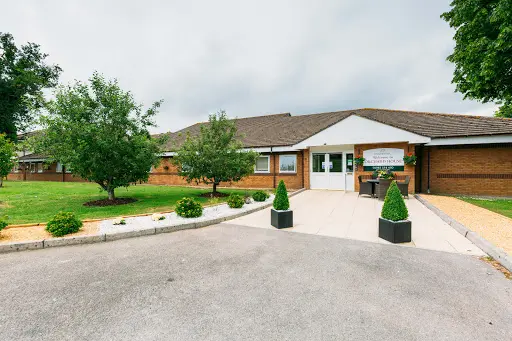
Orchard House Care Centre, a 60-bed nursing home on Fairlee Road in Newport run by Barchester Healthcare, was assessed in February 2024 and rated Good overall. This is a meaningful improvement from a previous Requires Improvement rating, and inspectors found the home performing well across effectiveness, caring, responsiveness, and leadership. That upward trend is a positive signal worth noting when you are comparing homes. The main uncertainty is the Safety domain, which was rated Requires Improvement at the most recent assessment. The published report provides limited specific detail across all domains, which means many of the ground-level questions that matter most to families, things like night staffing numbers, how staff respond to distress, or what a typical day looks like for someone with advanced dementia, cannot be answered from the inspection text alone. A visit, with specific questions prepared in advance, is essential before making a decision.
The three questions to ask when you visitSave this home. Compare it against your shortlist.
Let our analysis show you how Barchester – Orchard House Care Home measures up against the other homes you’re considering. Free account.
In Their Own Words
How Barchester – Orchard House Care Home describes itself — collected from its own website. DCC has not edited or independently verified the content in this tab.
Where patience and kindness shape every single day
Orchard House Care Centre – Your Trusted nursing home
Finding the right care means looking beyond promises to what actually happens day to day. At Orchard House Care Centre in Newport, families describe a place where staff take their time with residents, where people join in activities at their own pace, and where the atmosphere feels genuinely warm. It's the kind of environment that matters when you're trusting someone with your parent's daily happiness.
Who they care for
The home cares for adults both under and over 65, including those living with dementia or physical disabilities. They also offer respite stays alongside long-term care.
For those concerned about dementia care, the home has experience supporting residents with various stages of the condition. The consistent staff approach that families mention — patient, unhurried, kind — matters particularly when caring for someone whose needs can change from day to day.
“Sometimes the best recommendation comes from families who keep choosing the same place year after year.”
DCC does not edit or curate content in this tab. For independently curated information, see The Evidence and DCC Verdict.
The DCC Verdict
Our editorial view, built from the three lenses: what families tell us, what inspectors record, and how the home sits against good dementia-care practice.
DCC Family Score
Orchard House Care Centre scores 72 out of 100, reflecting a genuinely improved picture since a previous Requires Improvement rating, with Good findings across most areas. The one area of active concern is safety, which was rated Requires Improvement at the most recent assessment, and the inspection report provides limited specific detail to reassure families on the ground-level questions that matter most.
Homes in South East typically score 68–82.The three-lens summary
What families tell us
Families talk about seeing their relatives taking part in activities — sometimes structured events, sometimes just chatting over meals together. There's a sense that people here aren't rushed through their day. Staff seem to understand that a friendly chat can be just as important as any scheduled activity.
What inspectors have recorded
What comes through is how staff interact with residents — families describe seeing real patience and kindness in those everyday moments. Even families who've been visiting for years mention that the staff remain consistently friendly and professional.
How it sits against good practice
Sometimes the best recommendation comes from families who keep choosing the same place year after year.
Worth a visit
Orchard House Care Centre, a 60-bed nursing home on Fairlee Road in Newport run by Barchester Healthcare, was assessed in February 2024 and rated Good overall. This is a meaningful improvement from a previous Requires Improvement rating, and inspectors found the home performing well across effectiveness, caring, responsiveness, and leadership. That upward trend is a positive signal worth noting when you are comparing homes. The main uncertainty is the Safety domain, which was rated Requires Improvement at the most recent assessment. The published report provides limited specific detail across all domains, which means many of the ground-level questions that matter most to families, things like night staffing numbers, how staff respond to distress, or what a typical day looks like for someone with advanced dementia, cannot be answered from the inspection text alone. A visit, with specific questions prepared in advance, is essential before making a decision.
The three questions to ask when you visitSave this home. Compare it against your shortlist.
Let our analysis show you how Barchester – Orchard House Care Home measures up against the other homes you’re considering. Free account.
In Their Own Words
How Barchester – Orchard House Care Home describes itself — collected from its own website. DCC has not edited or independently verified the content in this tab.
Where patience and kindness shape every single day
Orchard House Care Centre – Your Trusted nursing home
Finding the right care means looking beyond promises to what actually happens day to day. At Orchard House Care Centre in Newport, families describe a place where staff take their time with residents, where people join in activities at their own pace, and where the atmosphere feels genuinely warm. It's the kind of environment that matters when you're trusting someone with your parent's daily happiness.
Who they care for
The home cares for adults both under and over 65, including those living with dementia or physical disabilities. They also offer respite stays alongside long-term care.
For those concerned about dementia care, the home has experience supporting residents with various stages of the condition. The consistent staff approach that families mention — patient, unhurried, kind — matters particularly when caring for someone whose needs can change from day to day.
Management & ethos
What comes through is how staff interact with residents — families describe seeing real patience and kindness in those everyday moments. Even families who've been visiting for years mention that the staff remain consistently friendly and professional.
The home & environment
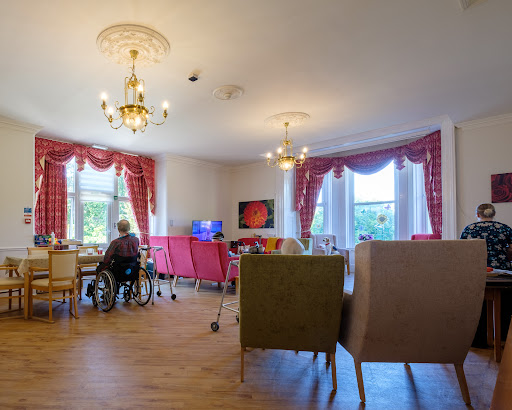
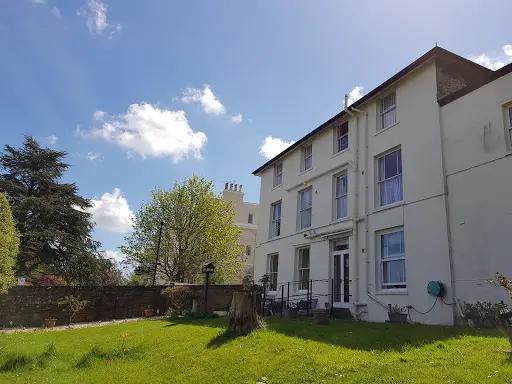
The building itself gets noticed by visitors — they mention how light and airy it feels, how well-kept everything is. It's the sort of place where cleanliness isn't just about meeting standards but about creating somewhere that feels comfortable and welcoming.
“Sometimes the best recommendation comes from families who keep choosing the same place year after year.”
DCC does not edit or curate content in this tab. For independently curated information, see The Evidence and DCC Verdict.