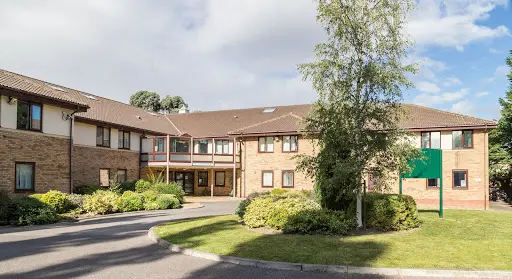
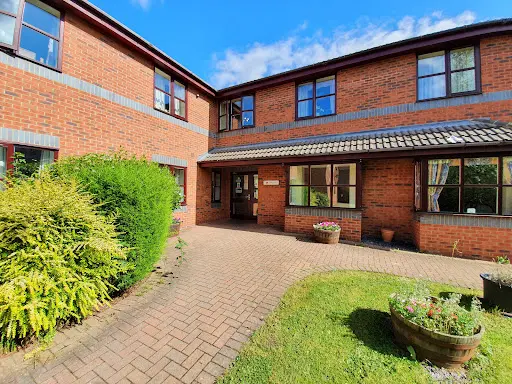
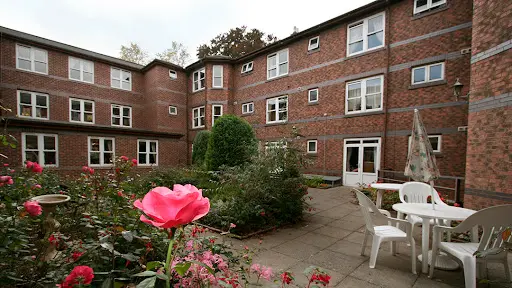
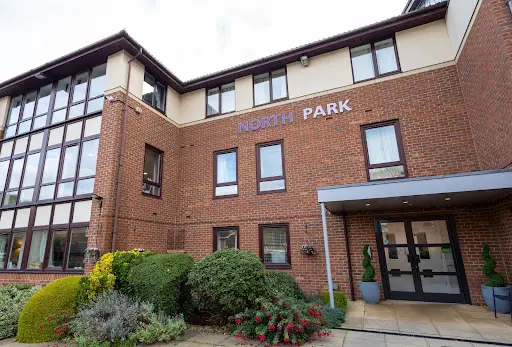
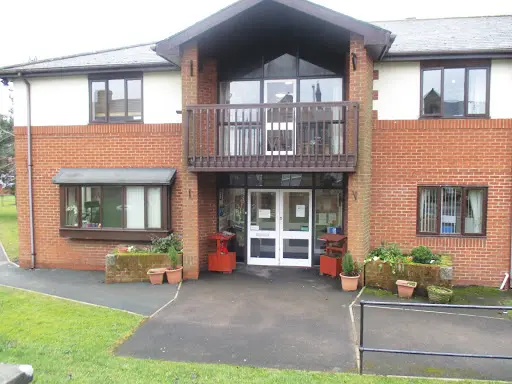
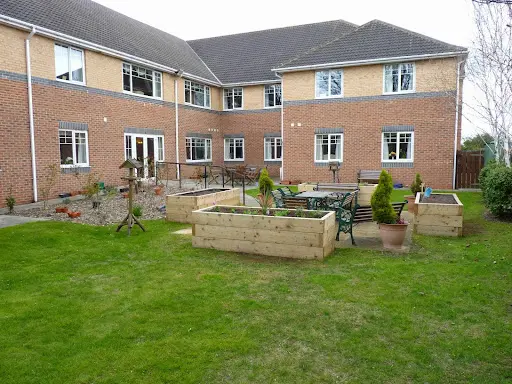
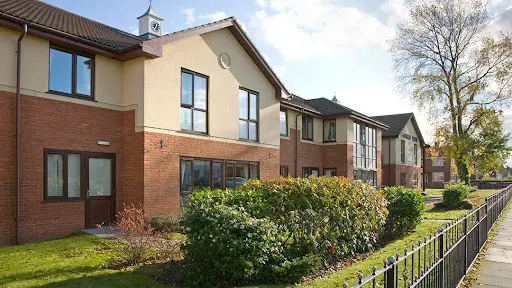
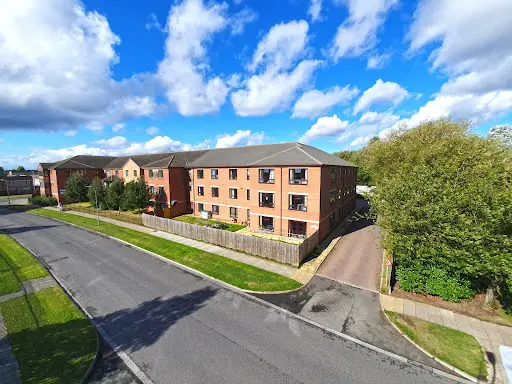
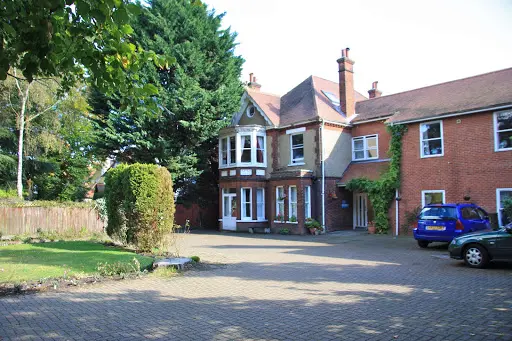
Springfield Care Home

At a Glance
The information you need to decide whether this home warrants a closer look.
Residential homes
Staff warmth score
of reviewers answered yes
Good to know
- Registered beds40
- SpecialismsCaring for adults over 65 yrs, Caring for adults under 65 yrs, Dementia
- Last inspected2018-12-14
Save Springfield Care Home to your shortlist
Keep a running list, add visit notes, and compare homes side-by-side. Free account — it takes a minute.
STAGE 4 — RESEARCHING CARE HOMES
Visit homes. Compare them side by side. Choose with confidence.
Most of us will view care homes the way we view houses, impression, atmosphere, the feeling in the corridor. We go home, try to remember what we saw, and make a permanent decision from a blurred memory.

The DCC shortlist gives every home you visit a structured record: the same twelve questions, answered the same way, every time. When you’re ready to choose, pull any two homes side by side and compare them directly. Same criteria, same evidence, your notes and your scores.
The Evidence
What the review data, the inspection reports, and the dementia-care evidence base tell us about this home.
What families say
The eight family priority themes
- Staff warmth55
- Compassion & dignity55
- Cleanliness55
- Activities & engagement50
- Food quality50
- Healthcare50
- Management & leadership55
- Resident happiness55
What inspectors found
Inspected 2018-12-14
Is this home safe?
Is the care effective?
The home received a Good rating for effectiveness at its last inspection in December 2018. This domain covers whether staff have the right training — including dementia-specific training — whether care plans are genuinely personalised and regularly reviewed, whether residents have timely access to GPs and other health professionals, and whether food meets individual dietary needs. The home is registered as a dementia specialism provider, which adds context to this rating. Without the full report text, no specific evidence about training content, care plan quality, or food provision can be confirmed.Is this home caring?
The home received a Good rating for the Caring domain at its last inspection in December 2018. This domain is the one that most directly reflects how staff treat your parent day to day — whether they are kind, whether they protect dignity during personal care, whether they use someone's preferred name, and whether they respond to distress with patience rather than routine. It is also the domain most valued by families in our review data, with staff warmth (57.3%) and compassion (55.2%) being the two highest-weighted themes. Without the full report text, no specific observations, quotes, or direct evidence from this domain are available to share.Is the home responsive?
The home received a Good rating for Responsiveness at its last inspection in December 2018. This domain covers whether your parent would have a meaningful daily life here — including activities that are genuinely tailored to them as an individual, not just group entertainment that happens to take place in the same room. It also covers how the home responds to complaints and, critically for dementia care, how it supports people at the end of life. Without the full report text, no specific activities, individual engagement plans, or end-of-life arrangements can be confirmed.Is the home well-led?
The home received a Good rating for Well-Led at its last inspection in December 2018. This domain assesses whether the registered manager is visible and effective, whether staff feel supported and able to raise concerns, whether governance systems catch problems early, and whether the home has a positive, open culture. Leadership stability is a significant predictor of quality — a home whose manager has changed frequently will often show signs of drift even if individual staff are good. Without the full report text, no specific evidence about management culture, staff feedback, or governance systems is available.
Source: CQC inspection report →
What the evidence base says
The home specialises in caring for adults both under and over 65, including those living with dementia. This means they're equipped to support younger people who need residential care, not just older adults. Springfield's dementia care extends to both younger and older adults, recognising that dementia affects people at different life stages. The team understands the unique challenges faced by younger people with dementia and their families. All areas worth probing directly during a visit.
The DCC Verdict
Our editorial view, built from the three lenses: what families tell us, what inspectors record, and how the home sits against good dementia-care practice.
DCC Family Score
This home holds a Good rating across all five inspection domains, which is a positive baseline — but because the full inspection text is unavailable, we cannot verify the specific evidence behind those ratings, so the Family Score reflects the ratings alone rather than the richer detail families deserve.
Homes in North East typically score 68–82.Worth a visit
This home on Wylam Avenue, Darlington, holds a Good rating across all five inspection domains — Safe, Effective, Caring, Responsive, and Well-Led — following its most recent official inspection in December 2018. It is registered to provide care for adults living with dementia, both over and under 65, across 40 beds. A consistent Good rating across every domain is a meaningful baseline and suggests inspectors found no significant concerns at the time of that assessment. However, there is an important limitation to acknowledge: the full inspection report text was not available to us, which means we cannot tell you what specific evidence inspectors observed behind those Good ratings — no quotes from your parent's future neighbours, no inspector observations of staff in action, no detail on how mealtimes are run or what happens at night. Crucially, the last inspection was in December 2018, which is now over six years ago. The home and its staffing, management, and culture may have changed considerably since then. When you visit, ask the manager directly: has the home had any recent spot checks or focused inspections? Has the registered manager been in post throughout this period? And watch carefully how staff interact with residents in unscripted moments — in the corridor, at mealtimes, when someone seems unsettled.
The three questions to ask when you visitSave this home. Compare it against your shortlist.
Let our analysis show you how Springfield Care Home measures up against the other homes you’re considering. Free account.
In Their Own Words
How Springfield Care Home describes itself — collected from its own website. DCC has not edited or independently verified the content in this tab.
Dementia care for younger and older adults in Darlington
Springfield Care Home Limited – Expert Care in Darlington
Finding the right care home for someone with dementia can feel overwhelming, especially when you're looking for somewhere that supports both younger and older adults. Springfield Care Home in Darlington offers specialised dementia care alongside general support for adults over 65. The home provides a welcoming environment where residents receive personalised care tailored to their individual needs.
Who they care for
The home specialises in caring for adults both under and over 65, including those living with dementia. This means they're equipped to support younger people who need residential care, not just older adults.
Springfield's dementia care extends to both younger and older adults, recognising that dementia affects people at different life stages. The team understands the unique challenges faced by younger people with dementia and their families.
“If you'd like to learn more about Springfield's approach to care, arranging a visit can help you get a feel for whether it might be right for your loved one.”
DCC does not edit or curate content in this tab. For independently curated information, see The Evidence and DCC Verdict.
The DCC Verdict
Our editorial view, built from the three lenses: what families tell us, what inspectors record, and how the home sits against good dementia-care practice.
DCC Family Score
This home holds a Good rating across all five inspection domains, which is a positive baseline — but because the full inspection text is unavailable, we cannot verify the specific evidence behind those ratings, so the Family Score reflects the ratings alone rather than the richer detail families deserve.
Homes in North East typically score 68–82.Worth a visit
This home on Wylam Avenue, Darlington, holds a Good rating across all five inspection domains — Safe, Effective, Caring, Responsive, and Well-Led — following its most recent official inspection in December 2018. It is registered to provide care for adults living with dementia, both over and under 65, across 40 beds. A consistent Good rating across every domain is a meaningful baseline and suggests inspectors found no significant concerns at the time of that assessment. However, there is an important limitation to acknowledge: the full inspection report text was not available to us, which means we cannot tell you what specific evidence inspectors observed behind those Good ratings — no quotes from your parent's future neighbours, no inspector observations of staff in action, no detail on how mealtimes are run or what happens at night. Crucially, the last inspection was in December 2018, which is now over six years ago. The home and its staffing, management, and culture may have changed considerably since then. When you visit, ask the manager directly: has the home had any recent spot checks or focused inspections? Has the registered manager been in post throughout this period? And watch carefully how staff interact with residents in unscripted moments — in the corridor, at mealtimes, when someone seems unsettled.
The three questions to ask when you visitSave this home. Compare it against your shortlist.
Let our analysis show you how Springfield Care Home measures up against the other homes you’re considering. Free account.
In Their Own Words
How Springfield Care Home describes itself — collected from its own website. DCC has not edited or independently verified the content in this tab.
Dementia care for younger and older adults in Darlington
Springfield Care Home Limited – Expert Care in Darlington
Finding the right care home for someone with dementia can feel overwhelming, especially when you're looking for somewhere that supports both younger and older adults. Springfield Care Home in Darlington offers specialised dementia care alongside general support for adults over 65. The home provides a welcoming environment where residents receive personalised care tailored to their individual needs.
Who they care for
The home specialises in caring for adults both under and over 65, including those living with dementia. This means they're equipped to support younger people who need residential care, not just older adults.
Springfield's dementia care extends to both younger and older adults, recognising that dementia affects people at different life stages. The team understands the unique challenges faced by younger people with dementia and their families.
Management & ethos
Families visiting Springfield have found the staff friendly and approachable at every level. There's a sense that the team genuinely wants to help, with management showing flexibility when families have specific requests or concerns.
“If you'd like to learn more about Springfield's approach to care, arranging a visit can help you get a feel for whether it might be right for your loved one.”
DCC does not edit or curate content in this tab. For independently curated information, see The Evidence and DCC Verdict.