Knebworth Care Home – Care UK
At a Glance
The information you need to decide whether this home warrants a closer look.
Nursing homes
Staff warmth score
of reviewers answered yes
Good to know
- Registered beds71
- SpecialismsCaring for adults over 65 yrs, Caring for adults under 65 yrs, Dementia, Mental health conditions, Physical disabilities
- Last inspected2023-12-14
Save Knebworth Care Home – Care UK to your shortlist
Keep a running list, add visit notes, and compare homes side-by-side. Free account — it takes a minute.
STAGE 4 — RESEARCHING CARE HOMES
Visit homes. Compare them side by side. Choose with confidence.
Most of us will view care homes the way we view houses, impression, atmosphere, the feeling in the corridor. We go home, try to remember what we saw, and make a permanent decision from a blurred memory.

The DCC shortlist gives every home you visit a structured record: the same twelve questions, answered the same way, every time. When you’re ready to choose, pull any two homes side by side and compare them directly. Same criteria, same evidence, your notes and your scores.
The Evidence
What the review data, the inspection reports, and the dementia-care evidence base tell us about this home.
What families say
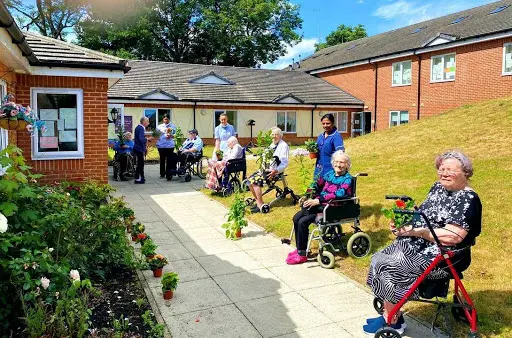
Families talk about walking into a friendly, welcoming atmosphere where staff genuinely engage with each resident. The home hosts community events that bring energy and connection to daily life. People describe carers and nurses who are warm and attentive, taking time to know residents as individuals rather than just patients.
The eight family priority themes
- Staff warmth72
- Compassion & dignity72
- Cleanliness72
- Activities & engagement65
- Food quality65
- Healthcare72
- Management & leadership74
- Resident happiness70
What inspectors found
Inspected 2023-12-14
Is this home safe?
Is the care effective?
The inspection rated the Effective domain as Good. The home provides nursing care, which means qualified nurses are required to be on duty, and it cares for people with dementia and mental health conditions alongside physical disabilities. The published report does not include specific detail about care plan quality, GP access arrangements, dementia training programmes, or how food quality and dietary needs are managed. The Good rating confirms inspectors found acceptable practice, but the evidence base in this report is thin.Is this home caring?
The inspection rated the Caring domain as Good. This domain covers staff warmth, dignity, respect, and independence. The published report does not include direct inspector observations of staff interactions, quotes from residents or relatives about kindness, or specific examples of dignity being upheld. The Good rating indicates inspectors were satisfied with what they saw, but no detail is provided to allow a more specific assessment.Is the home responsive?
The inspection rated the Responsive domain as Good. This domain covers activities, individual engagement, and how well the home responds to each person's preferences and needs. The published report does not include specific information about the activities programme, one-to-one engagement for people who cannot join group activities, or how individual preferences are captured and acted upon. End-of-life care planning is also not detailed in the published findings.Is the home well-led?
The inspection rated the Well-led domain as Good. The home has a registered manager, Daniel Grab, in post, and a nominated individual, Rachel Louise Harvey, accountable to Care UK Community Partnerships Ltd. The home has been inspected twice since registration. The published report does not include detail about management visibility, staff culture, how the home learns from incidents, or how families are kept informed and involved in care decisions.
Source: CQC inspection report →
What the evidence base says
The home cares for adults both under and over 65 with a range of needs including dementia, mental health conditions and physical disabilities. Staff show particular skill in managing complex medical situations and accessing appropriate specialist equipment. For residents living with dementia, the team brings experience in providing appropriate support while maintaining dignity and comfort. The home's approach combines skilled nursing care with attention to individual needs and preferences. All areas worth probing directly during a visit.
The DCC Verdict
Our editorial view, built from the three lenses: what families tell us, what inspectors record, and how the home sits against good dementia-care practice.
DCC Family Score
Knebworth Care Home received a Good rating across all five inspection domains in December 2023, which is a solid, stable result. However, the published inspection text contains very little specific detail, so most scores sit in the 65-74 range rather than higher, reflecting confirmed positives without the granular observations, quotes, or examples that would push confidence further.
Homes in East typically score 68–82.The three-lens summary
What families tell us
Families talk about walking into a friendly, welcoming atmosphere where staff genuinely engage with each resident. The home hosts community events that bring energy and connection to daily life. People describe carers and nurses who are warm and attentive, taking time to know residents as individuals rather than just patients.
What inspectors have recorded
Families describe management as generally responsive and available for discussions about their loved ones' care. Staff demonstrate real expertise in assessing changing health needs, arranging specialist equipment when needed, and providing dignified end-of-life care. While one recent account mentioned some difficulty reaching staff by phone between floors, most families find communication straightforward and supportive.
How it sits against good practice
If you're looking for somewhere that combines real nursing expertise with genuine warmth, Knebworth Care Home could be worth exploring for your family.
Worth a visit
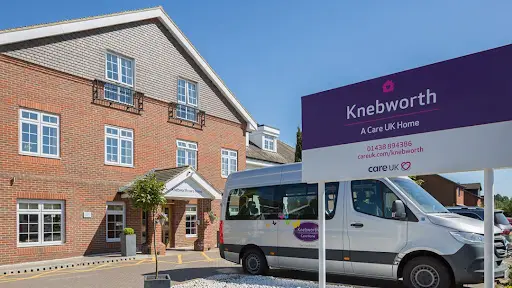
Knebworth Care Home, on London Road in Knebworth, was rated Good across all five inspection domains at its most recent inspection in November 2023, with the report published in December 2023. The home is run by Care UK Community Partnerships Ltd, a large national provider, and has a registered manager in post. It offers nursing care for up to 71 people, including those living with dementia, mental health conditions, and physical disabilities, covering both over-65s and working-age adults. The main limitation of this report is that the published inspection text is exceptionally brief and contains almost no specific observations, resident or relative quotes, or detailed evidence. A Good rating from the official inspection is a meaningful baseline, but it tells you relatively little about what daily life actually looks like for your parent. Before making a decision, visit in person, ask to see the staffing rota, speak to the registered manager Daniel Grab directly, and if possible speak to a relative of someone already living there.
The three questions to ask when you visitSave this home. Compare it against your shortlist.
Let our analysis show you how Knebworth Care Home – Care UK measures up against the other homes you’re considering. Free account.
In Their Own Words
How Knebworth Care Home – Care UK describes itself — collected from its own website. DCC has not edited or independently verified the content in this tab.
Where complex medical needs meet genuinely attentive care
Knebworth Care Home – Your Trusted nursing home
When your loved one needs skilled nursing alongside real warmth, finding the right place matters more than ever. Knebworth Care Home in East Hertfordshire brings together experienced medical care with the kind of personal attention that helps residents feel valued and comfortable. The home specialises in supporting people with complex health conditions, whether they're managing physical disabilities, living with dementia, or need mental health support.
Who they care for
The home cares for adults both under and over 65 with a range of needs including dementia, mental health conditions and physical disabilities. Staff show particular skill in managing complex medical situations and accessing appropriate specialist equipment.
For residents living with dementia, the team brings experience in providing appropriate support while maintaining dignity and comfort. The home's approach combines skilled nursing care with attention to individual needs and preferences.
“If you're looking for somewhere that combines real nursing expertise with genuine warmth, Knebworth Care Home could be worth exploring for your family.”
DCC does not edit or curate content in this tab. For independently curated information, see The Evidence and DCC Verdict.
The DCC Verdict
Our editorial view, built from the three lenses: what families tell us, what inspectors record, and how the home sits against good dementia-care practice.
DCC Family Score
Knebworth Care Home received a Good rating across all five inspection domains in December 2023, which is a solid, stable result. However, the published inspection text contains very little specific detail, so most scores sit in the 65-74 range rather than higher, reflecting confirmed positives without the granular observations, quotes, or examples that would push confidence further.
Homes in East typically score 68–82.The three-lens summary
What families tell us
Families talk about walking into a friendly, welcoming atmosphere where staff genuinely engage with each resident. The home hosts community events that bring energy and connection to daily life. People describe carers and nurses who are warm and attentive, taking time to know residents as individuals rather than just patients.
What inspectors have recorded
Families describe management as generally responsive and available for discussions about their loved ones' care. Staff demonstrate real expertise in assessing changing health needs, arranging specialist equipment when needed, and providing dignified end-of-life care. While one recent account mentioned some difficulty reaching staff by phone between floors, most families find communication straightforward and supportive.
How it sits against good practice
If you're looking for somewhere that combines real nursing expertise with genuine warmth, Knebworth Care Home could be worth exploring for your family.
Worth a visit
Knebworth Care Home, on London Road in Knebworth, was rated Good across all five inspection domains at its most recent inspection in November 2023, with the report published in December 2023. The home is run by Care UK Community Partnerships Ltd, a large national provider, and has a registered manager in post. It offers nursing care for up to 71 people, including those living with dementia, mental health conditions, and physical disabilities, covering both over-65s and working-age adults. The main limitation of this report is that the published inspection text is exceptionally brief and contains almost no specific observations, resident or relative quotes, or detailed evidence. A Good rating from the official inspection is a meaningful baseline, but it tells you relatively little about what daily life actually looks like for your parent. Before making a decision, visit in person, ask to see the staffing rota, speak to the registered manager Daniel Grab directly, and if possible speak to a relative of someone already living there.
The three questions to ask when you visitSave this home. Compare it against your shortlist.
Let our analysis show you how Knebworth Care Home – Care UK measures up against the other homes you’re considering. Free account.
In Their Own Words
How Knebworth Care Home – Care UK describes itself — collected from its own website. DCC has not edited or independently verified the content in this tab.
Where complex medical needs meet genuinely attentive care
Knebworth Care Home – Your Trusted nursing home
When your loved one needs skilled nursing alongside real warmth, finding the right place matters more than ever. Knebworth Care Home in East Hertfordshire brings together experienced medical care with the kind of personal attention that helps residents feel valued and comfortable. The home specialises in supporting people with complex health conditions, whether they're managing physical disabilities, living with dementia, or need mental health support.
Who they care for
The home cares for adults both under and over 65 with a range of needs including dementia, mental health conditions and physical disabilities. Staff show particular skill in managing complex medical situations and accessing appropriate specialist equipment.
For residents living with dementia, the team brings experience in providing appropriate support while maintaining dignity and comfort. The home's approach combines skilled nursing care with attention to individual needs and preferences.
Management & ethos
Families describe management as generally responsive and available for discussions about their loved ones' care. Staff demonstrate real expertise in assessing changing health needs, arranging specialist equipment when needed, and providing dignified end-of-life care. While one recent account mentioned some difficulty reaching staff by phone between floors, most families find communication straightforward and supportive.
The home & environment
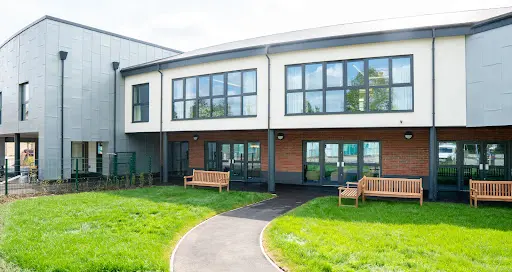
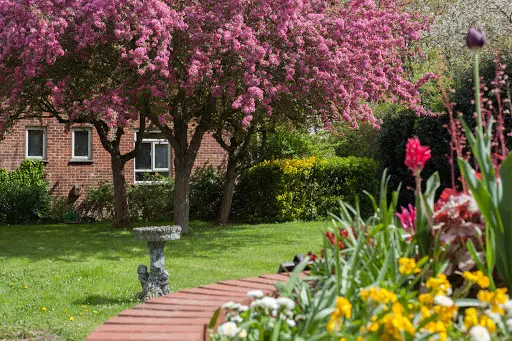
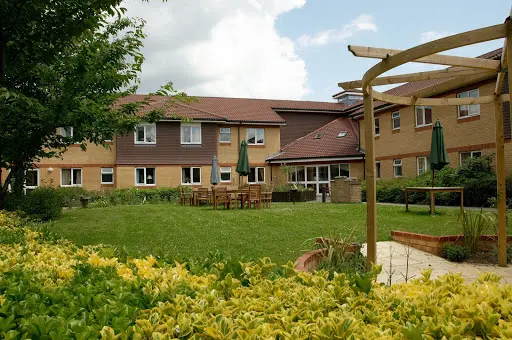
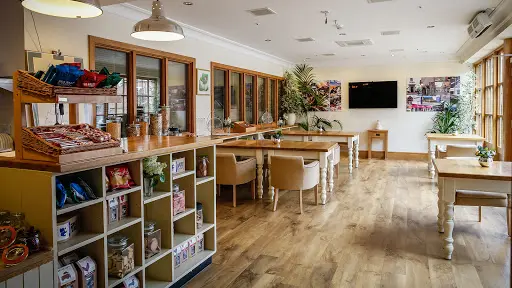
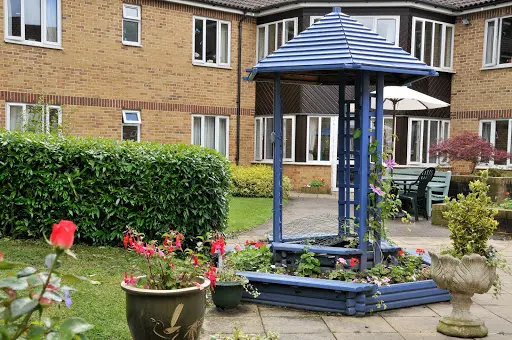
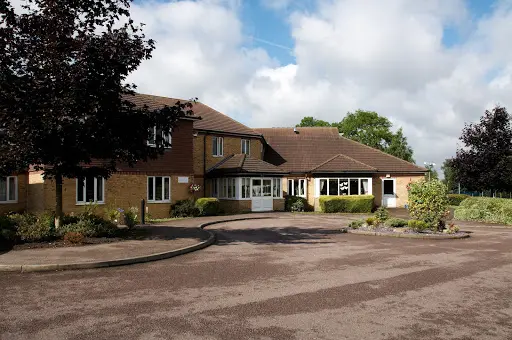
The kitchen team works hard to accommodate different dietary needs, with families mentioning good quality meals that cater to medical requirements and personal preferences. Some relatives have even been provided with meals during difficult times. The environment itself feels inviting and well-maintained, creating a comfortable backdrop for daily life.
“If you're looking for somewhere that combines real nursing expertise with genuine warmth, Knebworth Care Home could be worth exploring for your family.”
DCC does not edit or curate content in this tab. For independently curated information, see The Evidence and DCC Verdict.