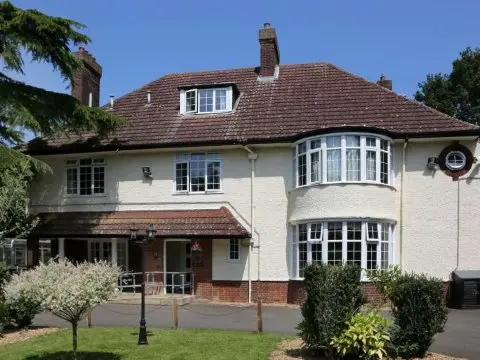
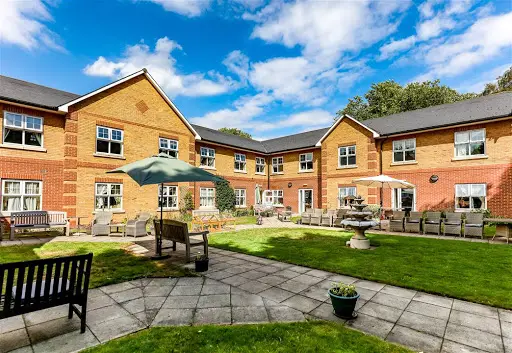
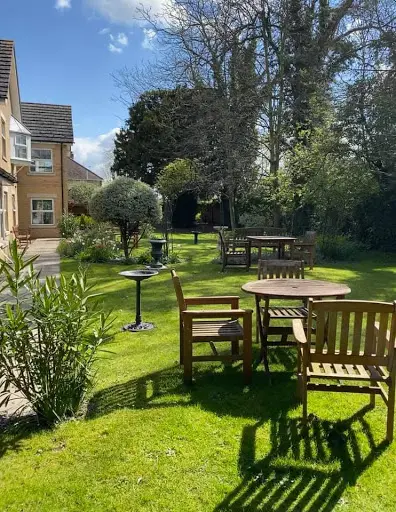
Eagle Wood Neurological Care Centre
At a Glance
The information you need to decide whether this home warrants a closer look.
Nursing homes, Rehabilitation (illness/injury)
Staff warmth score
of reviewers answered yes
Good to know
- Registered beds105
- SpecialismsCaring for adults over 65 yrs, Caring for adults under 65 yrs, Dementia, Mental health conditions, Physical disabilities, Sensory impairment
- Last inspected2018-06-06
Save Eagle Wood Neurological Care Centre to your shortlist
Keep a running list, add visit notes, and compare homes side-by-side. Free account — it takes a minute.
STAGE 4 — RESEARCHING CARE HOMES
Visit homes. Compare them side by side. Choose with confidence.
Most of us will view care homes the way we view houses, impression, atmosphere, the feeling in the corridor. We go home, try to remember what we saw, and make a permanent decision from a blurred memory.

The DCC shortlist gives every home you visit a structured record: the same twelve questions, answered the same way, every time. When you’re ready to choose, pull any two homes side by side and compare them directly. Same criteria, same evidence, your notes and your scores.
The Evidence
What the review data, the inspection reports, and the dementia-care evidence base tell us about this home.
What families say
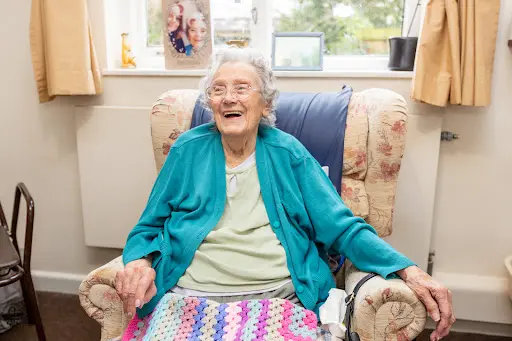
The wellbeing teams provide structured activities within each unit, giving residents choices about how they spend their days. Frontline care staff are described as responsive and engaged, taking time to connect with both residents and visitors.
The eight family priority themes
- Staff warmth72
- Compassion & dignity72
- Cleanliness70
- Activities & engagement65
- Food quality65
- Healthcare74
- Management & leadership74
- Resident happiness68
What inspectors found
Inspected 2018-06-06
Is this home safe?
Is the care effective?
The Effective domain was rated Good at the September 2024 inspection. The published summary does not describe training provision, care plan content, GP access arrangements, or dietary practice in any specific detail. The home's neurological specialism suggests a need for clinically skilled care, including support for people with complex communication needs, swallowing difficulties, and fluctuating conditions.Is this home caring?
The Caring domain was rated Good at the September 2024 inspection. The published summary contains no inspector observations of staff interactions, no resident or family testimony, and no specific examples of how dignity or independence are supported. For a home serving people with neurological conditions, some of whom may have limited verbal communication, caring practice depends heavily on staff skill in reading non-verbal cues and adapting their approach.Is the home responsive?
The Responsive domain was rated Good at the September 2024 inspection. The published summary does not describe the activity programme, how individual preferences are recorded, or how the home supports people with complex needs to have a meaningful daily life. For a neurological centre, responsiveness includes how the home adapts care as conditions progress and how it supports people whose communication or mobility changes over time.Is the home well-led?
The Well-led domain was rated Good at the September 2024 inspection. Two registered managers are named in the record: Mrs Priscilla Masvipurwa and Mr Shaun Joseph O'Gara. Mr O'Gara is also listed as the nominated individual, indicating a direct line of accountability to the provider. The published summary does not describe management visibility, staff culture, governance processes, or how the home responds to complaints and incidents.
Source: CQC inspection report →
What the evidence base says
The centre cares for adults of all ages with neurological conditions, including stroke, brain injury, dementia and mental health needs. They also support people with physical disabilities and sensory impairments. The centre has a dedicated dementia unit as part of its neurological care provision. The unit operates as a secure environment with structured daily routines. All areas worth probing directly during a visit.
The DCC Verdict
Our editorial view, built from the three lenses: what families tell us, what inspectors record, and how the home sits against good dementia-care practice.
DCC Family Score
Eagle Wood Neurological Care Centre received a Good rating across all five inspection domains at its September 2024 assessment, which is a positive baseline. However, the published report contains very limited specific detail, so scores reflect a confirmed Good judgement without the granular evidence that would push them higher.
Homes in East typically score 68–82.The three-lens summary
What families tell us
The wellbeing teams provide structured activities within each unit, giving residents choices about how they spend their days. Frontline care staff are described as responsive and engaged, taking time to connect with both residents and visitors.
What inspectors have recorded
While direct care staff receive consistent praise for their attentiveness, experiences with management and clinical decision-making vary significantly. Some families report smooth care pathways, while others describe ward transfers that interrupted therapeutic progress or concerns about how clinical symptoms were assessed.
How it sits against good practice
With its focus on neurological rehabilitation, Eagle Wood offers specialist care that few centres provide, though experiences appear to vary depending on individual needs and conditions.
Worth a visit
Eagle Wood Neurological Care Centre, run by PJ Care Limited in Peterborough, was assessed on 10 September 2024 and rated Good across all five inspection domains, with the report published in May 2025. The home has a specialist neurological remit, accepting adults of all ages with dementia, mental health conditions, physical disabilities, and sensory impairments alongside neurological care needs. Two registered managers are named in the record, and the overall Good rating is a positive foundation for a home of this clinical complexity. The main limitation of this report is the absence of specific detail. The published findings confirm the Good rating but do not include inspector observations, resident or family quotes, staffing numbers, or examples of day-to-day care. That means this Family View cannot tell you how warm the staff are, how good the food is, or whether the dementia environment is well designed. Before visiting, download the full assessment from the official inspection website and use the checklist above to ask direct, specific questions. Pay particular attention to night staffing levels across 105 beds, agency staff use, and what one-to-one engagement looks like for people who cannot join group activities.
The three questions to ask when you visitSave this home. Compare it against your shortlist.
Let our analysis show you how Eagle Wood Neurological Care Centre measures up against the other homes you’re considering. Free account.
In Their Own Words
How Eagle Wood Neurological Care Centre describes itself — collected from its own website. DCC has not edited or independently verified the content in this tab.
Specialist neurological rehabilitation with notable stroke recovery outcomes
Nursing home,rehabilitation (illness/injury) in Peterborough: True Peace of Mind
Eagle Wood Neurological Care Centre in Peterborough provides specialist rehabilitation for people recovering from strokes, brain injuries and other neurological conditions. The centre has built particular expertise in stroke recovery, with families describing significant functional improvements in their relatives. However, some families of residents with acquired brain injuries have raised serious concerns about clinical oversight and care decisions.
Who they care for
The centre cares for adults of all ages with neurological conditions, including stroke, brain injury, dementia and mental health needs. They also support people with physical disabilities and sensory impairments.
The centre has a dedicated dementia unit as part of its neurological care provision. The unit operates as a secure environment with structured daily routines.
“With its focus on neurological rehabilitation, Eagle Wood offers specialist care that few centres provide, though experiences appear to vary depending on individual needs and conditions.”
DCC does not edit or curate content in this tab. For independently curated information, see The Evidence and DCC Verdict.
The DCC Verdict
Our editorial view, built from the three lenses: what families tell us, what inspectors record, and how the home sits against good dementia-care practice.
DCC Family Score
Eagle Wood Neurological Care Centre received a Good rating across all five inspection domains at its September 2024 assessment, which is a positive baseline. However, the published report contains very limited specific detail, so scores reflect a confirmed Good judgement without the granular evidence that would push them higher.
Homes in East typically score 68–82.The three-lens summary
What families tell us
The wellbeing teams provide structured activities within each unit, giving residents choices about how they spend their days. Frontline care staff are described as responsive and engaged, taking time to connect with both residents and visitors.
What inspectors have recorded
While direct care staff receive consistent praise for their attentiveness, experiences with management and clinical decision-making vary significantly. Some families report smooth care pathways, while others describe ward transfers that interrupted therapeutic progress or concerns about how clinical symptoms were assessed.
How it sits against good practice
With its focus on neurological rehabilitation, Eagle Wood offers specialist care that few centres provide, though experiences appear to vary depending on individual needs and conditions.
Worth a visit
Eagle Wood Neurological Care Centre, run by PJ Care Limited in Peterborough, was assessed on 10 September 2024 and rated Good across all five inspection domains, with the report published in May 2025. The home has a specialist neurological remit, accepting adults of all ages with dementia, mental health conditions, physical disabilities, and sensory impairments alongside neurological care needs. Two registered managers are named in the record, and the overall Good rating is a positive foundation for a home of this clinical complexity. The main limitation of this report is the absence of specific detail. The published findings confirm the Good rating but do not include inspector observations, resident or family quotes, staffing numbers, or examples of day-to-day care. That means this Family View cannot tell you how warm the staff are, how good the food is, or whether the dementia environment is well designed. Before visiting, download the full assessment from the official inspection website and use the checklist above to ask direct, specific questions. Pay particular attention to night staffing levels across 105 beds, agency staff use, and what one-to-one engagement looks like for people who cannot join group activities.
The three questions to ask when you visitSave this home. Compare it against your shortlist.
Let our analysis show you how Eagle Wood Neurological Care Centre measures up against the other homes you’re considering. Free account.
In Their Own Words
How Eagle Wood Neurological Care Centre describes itself — collected from its own website. DCC has not edited or independently verified the content in this tab.
Specialist neurological rehabilitation with notable stroke recovery outcomes
Nursing home,rehabilitation (illness/injury) in Peterborough: True Peace of Mind
Eagle Wood Neurological Care Centre in Peterborough provides specialist rehabilitation for people recovering from strokes, brain injuries and other neurological conditions. The centre has built particular expertise in stroke recovery, with families describing significant functional improvements in their relatives. However, some families of residents with acquired brain injuries have raised serious concerns about clinical oversight and care decisions.
Who they care for
The centre cares for adults of all ages with neurological conditions, including stroke, brain injury, dementia and mental health needs. They also support people with physical disabilities and sensory impairments.
The centre has a dedicated dementia unit as part of its neurological care provision. The unit operates as a secure environment with structured daily routines.
Management & ethos
While direct care staff receive consistent praise for their attentiveness, experiences with management and clinical decision-making vary significantly. Some families report smooth care pathways, while others describe ward transfers that interrupted therapeutic progress or concerns about how clinical symptoms were assessed.
“With its focus on neurological rehabilitation, Eagle Wood offers specialist care that few centres provide, though experiences appear to vary depending on individual needs and conditions.”
DCC does not edit or curate content in this tab. For independently curated information, see The Evidence and DCC Verdict.