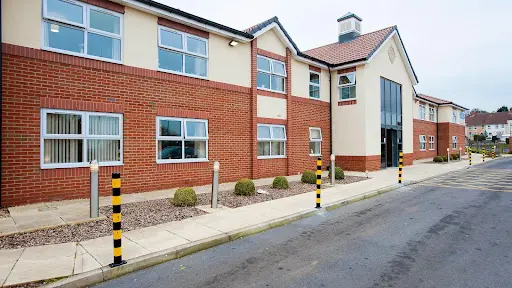
Abbeygate Care Centre

At a Glance
The information you need to decide whether this home warrants a closer look.
Residential homes
Staff warmth score
of reviewers answered yes
Good to know
- Registered beds17
- SpecialismsCaring for adults over 65 yrs, Dementia, Mental health conditions, Physical disabilities, Sensory impairment
- Last inspected2019-10-16
Save Abbeygate Care Centre to your shortlist
Keep a running list, add visit notes, and compare homes side-by-side. Free account — it takes a minute.
STAGE 4 — RESEARCHING CARE HOMES
Visit homes. Compare them side by side. Choose with confidence.
Most of us will view care homes the way we view houses, impression, atmosphere, the feeling in the corridor. We go home, try to remember what we saw, and make a permanent decision from a blurred memory.

The DCC shortlist gives every home you visit a structured record: the same twelve questions, answered the same way, every time. When you’re ready to choose, pull any two homes side by side and compare them directly. Same criteria, same evidence, your notes and your scores.
The Evidence
What the review data, the inspection reports, and the dementia-care evidence base tell us about this home.
What families say
Families describe finding a warm, homely atmosphere here. The staff team gets particular praise for their kindness and approachability — qualities that help residents settle in and feel comfortable in their new surroundings.
The eight family priority themes
- Staff warmth55
- Compassion & dignity60
- Cleanliness55
- Activities & engagement50
- Food quality50
- Healthcare55
- Management & leadership35
- Resident happiness55
What inspectors found
Inspected 2019-10-16
Is this home safe?
Is the care effective?
The Effective domain was rated Good at the September 2019 inspection. This domain covers training, care planning, healthcare access, and nutrition. The published summary does not describe the content of care plans, the frequency of GP visits, what dementia training staff have received, or how food quality and choice are managed. No concerns were raised in this domain.Is this home caring?
The Caring domain was rated Good at the September 2019 inspection. This domain covers staff warmth, dignity, respect, and support for independence. The published summary does not include inspector observations of staff interactions, resident accounts of how they are treated, or examples of how dignity is maintained in practice. No concerns were raised in this domain.Is the home responsive?
The Responsive domain was rated Good at the September 2019 inspection. This domain covers activities, individual engagement, how the home responds to complaints, and end-of-life planning. The published summary does not describe what activities are available, whether one-to-one engagement is offered, how complaints are handled, or how end-of-life wishes are recorded. No concerns were raised in this domain.Is the home well-led?
The Well-led domain was rated Requires Improvement at the September 2019 inspection. A registered manager, Mrs Cheryl Farrington, and a nominated individual, Mrs Bakshish Kaur Uppal, were named in post. The published summary does not describe what specific concerns were identified in the Well-led domain, what improvement actions were required, or whether those actions have since been completed. The monitoring review of July 2023 found no reason to change the overall rating, but the Well-led domain rating remains as last published.
Source: CQC inspection report →
What the evidence base says
The home provides specialist care for people with sensory impairments, dementia, mental health conditions, and physical disabilities. They focus on residents aged over 65. For residents living with dementia, the staff's consistent kindness and dedication helps create the stable, supportive environment that's so important. The team understands how to work with the specific challenges dementia brings. All areas worth probing directly during a visit.
The DCC Verdict
Our editorial view, built from the three lenses: what families tell us, what inspectors record, and how the home sits against good dementia-care practice.
DCC Family Score
Four domains were rated Good at the last inspection, but the Well-led rating of Requires Improvement pulls the overall score down noticeably. Across all themes, the inspection text provides very little specific detail, which means families should ask direct questions before deciding.
Homes in West Midlands typically score 68–82.The three-lens summary
What families tell us
Families describe finding a warm, homely atmosphere here. The staff team gets particular praise for their kindness and approachability — qualities that help residents settle in and feel comfortable in their new surroundings.
What inspectors have recorded
What stands out is how dedicated the care team appears to be. Families talk about staff going beyond basic care duties, with one family noting measurable improvements in their relative's alertness and mobility during their first year. The management team seems responsive when families raise concerns.
How it sits against good practice
If you're weighing up care options in the Brierley Hill area, it's worth arranging a visit to see if Abbeygate's approach feels right for your family.
Worth a visit
Abbeygate Care Centre, at 2 Leys Road, Brierley Hill, was rated Good overall at its last inspection in September 2019, with Good ratings across the Safe, Effective, Caring, and Responsive domains. The home is a small residential service with 17 beds, supporting adults over 65, people living with dementia, and people with mental health conditions, physical disabilities, and sensory impairments. A named registered manager was in post at the time of inspection. A monitoring review carried out in July 2023 found no evidence requiring a change to the rating. The one area of concern is the Well-led domain, which was rated Requires Improvement, and the published inspection summary contains very little specific detail to help you understand what day-to-day life is actually like here. The inspection report available is limited in its published content, so the gaps are significant. Before visiting, prepare a list of specific questions covering night staffing numbers, agency use, dementia training, how families are kept informed, and what activities are available for residents who cannot join group sessions. A visit at a mealtime or during an activity session will tell you a great deal that the published findings cannot.
The three questions to ask when you visitSave this home. Compare it against your shortlist.
Let our analysis show you how Abbeygate Care Centre measures up against the other homes you’re considering. Free account.
In Their Own Words
How Abbeygate Care Centre describes itself — collected from its own website. DCC has not edited or independently verified the content in this tab.
Dedicated staff bring real improvements to residents' daily lives
Compassionate Care in Brierley Hill at Abbeygate Care Centre
When families see their loved ones becoming more alert and mobile after moving into care, it speaks volumes. Abbeygate Care Centre in Brierley Hill offers specialised support for conditions including dementia and physical disabilities. The consistent theme from families is that staff genuinely care about making a difference to residents' wellbeing.
Who they care for
The home provides specialist care for people with sensory impairments, dementia, mental health conditions, and physical disabilities. They focus on residents aged over 65.
For residents living with dementia, the staff's consistent kindness and dedication helps create the stable, supportive environment that's so important. The team understands how to work with the specific challenges dementia brings.
“If you're weighing up care options in the Brierley Hill area, it's worth arranging a visit to see if Abbeygate's approach feels right for your family.”
DCC does not edit or curate content in this tab. For independently curated information, see The Evidence and DCC Verdict.
The DCC Verdict
Our editorial view, built from the three lenses: what families tell us, what inspectors record, and how the home sits against good dementia-care practice.
DCC Family Score
Four domains were rated Good at the last inspection, but the Well-led rating of Requires Improvement pulls the overall score down noticeably. Across all themes, the inspection text provides very little specific detail, which means families should ask direct questions before deciding.
Homes in West Midlands typically score 68–82.The three-lens summary
What families tell us
Families describe finding a warm, homely atmosphere here. The staff team gets particular praise for their kindness and approachability — qualities that help residents settle in and feel comfortable in their new surroundings.
What inspectors have recorded
What stands out is how dedicated the care team appears to be. Families talk about staff going beyond basic care duties, with one family noting measurable improvements in their relative's alertness and mobility during their first year. The management team seems responsive when families raise concerns.
How it sits against good practice
If you're weighing up care options in the Brierley Hill area, it's worth arranging a visit to see if Abbeygate's approach feels right for your family.
Worth a visit
Abbeygate Care Centre, at 2 Leys Road, Brierley Hill, was rated Good overall at its last inspection in September 2019, with Good ratings across the Safe, Effective, Caring, and Responsive domains. The home is a small residential service with 17 beds, supporting adults over 65, people living with dementia, and people with mental health conditions, physical disabilities, and sensory impairments. A named registered manager was in post at the time of inspection. A monitoring review carried out in July 2023 found no evidence requiring a change to the rating. The one area of concern is the Well-led domain, which was rated Requires Improvement, and the published inspection summary contains very little specific detail to help you understand what day-to-day life is actually like here. The inspection report available is limited in its published content, so the gaps are significant. Before visiting, prepare a list of specific questions covering night staffing numbers, agency use, dementia training, how families are kept informed, and what activities are available for residents who cannot join group sessions. A visit at a mealtime or during an activity session will tell you a great deal that the published findings cannot.
The three questions to ask when you visitSave this home. Compare it against your shortlist.
Let our analysis show you how Abbeygate Care Centre measures up against the other homes you’re considering. Free account.
In Their Own Words
How Abbeygate Care Centre describes itself — collected from its own website. DCC has not edited or independently verified the content in this tab.
Dedicated staff bring real improvements to residents' daily lives
Compassionate Care in Brierley Hill at Abbeygate Care Centre
When families see their loved ones becoming more alert and mobile after moving into care, it speaks volumes. Abbeygate Care Centre in Brierley Hill offers specialised support for conditions including dementia and physical disabilities. The consistent theme from families is that staff genuinely care about making a difference to residents' wellbeing.
Who they care for
The home provides specialist care for people with sensory impairments, dementia, mental health conditions, and physical disabilities. They focus on residents aged over 65.
For residents living with dementia, the staff's consistent kindness and dedication helps create the stable, supportive environment that's so important. The team understands how to work with the specific challenges dementia brings.
Management & ethos
What stands out is how dedicated the care team appears to be. Families talk about staff going beyond basic care duties, with one family noting measurable improvements in their relative's alertness and mobility during their first year. The management team seems responsive when families raise concerns.
The home & environment
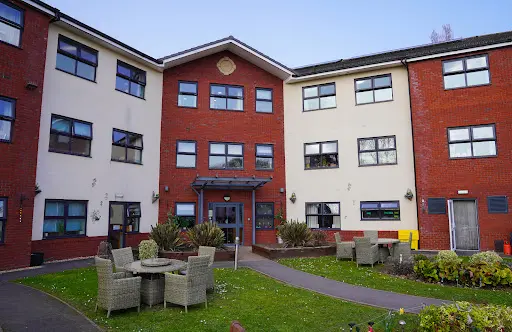
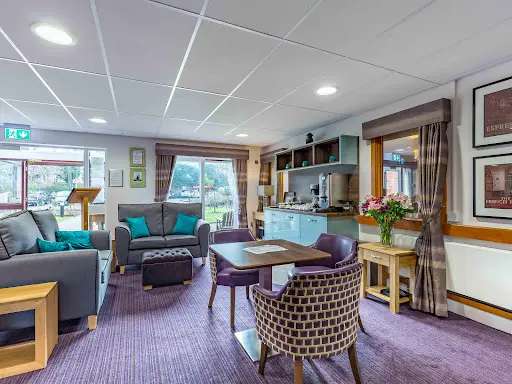
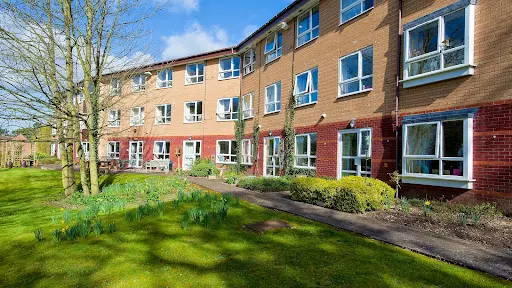
The home works hard to cater meals to individual tastes and appetites, with several families praising the food quality. It's worth noting the building itself has faced some challenges — the floors have needed attention for safety reasons, and as a listed building, exterior renovations happen slowly.
“If you're weighing up care options in the Brierley Hill area, it's worth arranging a visit to see if Abbeygate's approach feels right for your family.”
DCC does not edit or curate content in this tab. For independently curated information, see The Evidence and DCC Verdict.