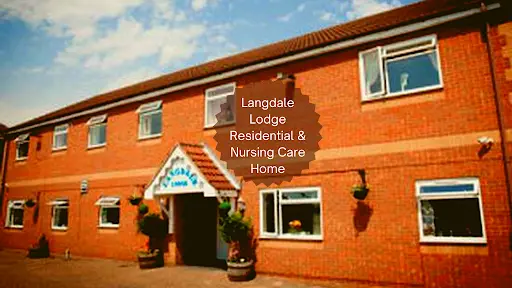
Yarningdale Care Home in Codnor, Ripley – Exemplar Health Care

At a Glance
The information you need to decide whether this home warrants a closer look.
Nursing homes
Staff warmth score
of reviewers answered yes
Good to know
- Registered beds20
- SpecialismsCaring for adults over 65 yrs, Caring for adults under 65 yrs, Dementia, Mental health conditions, Physical disabilities, Substance misuse problems
- Last inspected2021-10-12
Save Yarningdale Care Home in Codnor, Ripley – Exemplar Health Care to your shortlist
Keep a running list, add visit notes, and compare homes side-by-side. Free account — it takes a minute.
STAGE 4 — RESEARCHING CARE HOMES
Visit homes. Compare them side by side. Choose with confidence.
Most of us will view care homes the way we view houses, impression, atmosphere, the feeling in the corridor. We go home, try to remember what we saw, and make a permanent decision from a blurred memory.

The DCC shortlist gives every home you visit a structured record: the same twelve questions, answered the same way, every time. When you’re ready to choose, pull any two homes side by side and compare them directly. Same criteria, same evidence, your notes and your scores.
The Evidence
What the review data, the inspection reports, and the dementia-care evidence base tell us about this home.
What families say
Families talk about the warmth they feel from the moment they arrive. Staff take time to learn what makes each person tick, whether that's a favourite hobby or a particular way they like their morning routine. Residents support each other too, with older and younger people forming friendships that cross age gaps.
The eight family priority themes
- Staff warmth72
- Compassion & dignity72
- Cleanliness70
- Activities & engagement40
- Food quality55
- Healthcare70
- Management & leadership72
- Resident happiness65
What inspectors found
Inspected 2021-10-12
Is this home safe?
Is the care effective?
The Effective domain was rated Good. This covers care planning, staff training, access to healthcare professionals, nutrition, and how well the home meets individual needs over time. The published report does not include specific detail about care plan review frequency, dementia training content, or GP access arrangements. The Good rating indicates inspectors were satisfied with the evidence they reviewed.Is this home caring?
The Caring domain was rated Good. This domain assesses whether staff treat people with kindness, respect their dignity, and support their independence. The published report does not include specific inspector observations of staff interactions, resident testimony, or examples of how dignity is maintained in practice. The Good rating indicates the inspection found no concerns in this area.Is the home responsive?
The Responsive domain was rated Requires Improvement at the January 2022 inspection. This is the domain that covers activities, individual engagement, how the home responds to complaints, and whether care is tailored to each person's preferences and background. This is the only domain not rated Good, and the published report does not include specific detail about what was found to be insufficient. The improvement from a previous Requires Improvement overall rating was not matched by an improvement in Responsive.Is the home well-led?
The Well-led domain was rated Good. A named registered manager and a nominated individual are both identified in the published report, suggesting a defined leadership structure. This domain covers governance, how the home monitors quality, staff culture, and whether the home acts on feedback. The published report does not include specific detail about manager visibility, staff survey results, or how complaints are handled.
Source: CQC inspection report →
What the evidence base says
Yarningdale supports adults of all ages with various needs including dementia, mental health conditions, physical disabilities and substance misuse challenges. The mixed age community creates opportunities for different generations to learn from each other. For those living with dementia, the home's approach centres on understanding each person as an individual. Staff work to maintain connections with personal interests and build daily routines that feel familiar and reassuring. All areas worth probing directly during a visit.
The DCC Verdict
Our editorial view, built from the three lenses: what families tell us, what inspectors record, and how the home sits against good dementia-care practice.
DCC Family Score
Yarningdale scores well across most themes, with Good ratings in four of the five inspection domains, but the Requires Improvement rating for Responsive care pulls the overall picture down, particularly on activities and individual engagement.
Homes in East Midlands typically score 68–82.The three-lens summary
What families tell us
Families talk about the warmth they feel from the moment they arrive. Staff take time to learn what makes each person tick, whether that's a favourite hobby or a particular way they like their morning routine. Residents support each other too, with older and younger people forming friendships that cross age gaps.
What inspectors have recorded
Staff here seem to genuinely understand that younger adults need different things from care. They pair residents with staff members who share their interests and energy levels. The team shows real awareness of how past experiences shape present needs, adjusting their approach for each individual.
How it sits against good practice
If you're looking for somewhere that sees the person behind the diagnosis, Yarningdale might be worth exploring.
Worth a visit
Yarningdale, a 20-bed nursing home in Codnor, was rated Good overall at its inspection in January 2022. Four of five domains, including Safe, Effective, Caring, and Well-led, were all rated Good, and the home improved from its previous Requires Improvement rating, which is an encouraging trajectory. A named registered manager was confirmed in post, and the home cares for people with a range of needs including dementia, mental health conditions, and physical disabilities. The main concern for families is the Responsive domain, which was rated Requires Improvement. This covers whether your parent will have a meaningful, engaged life at the home, including activities, individual engagement, and how the home responds to personal preferences. The published report contains very little descriptive detail beyond the ratings themselves, so much of what matters to families, including staff warmth in practice, food quality, night staffing levels, and whether one-to-one activities are available for people who cannot join groups, cannot be verified from the inspection text alone. Use the checklist above to ask the home directly on your visit, and ask specifically what has changed in the Responsive domain since the inspection.
The three questions to ask when you visitSave this home. Compare it against your shortlist.
Let our analysis show you how Yarningdale Care Home in Codnor, Ripley – Exemplar Health Care measures up against the other homes you’re considering. Free account.
In Their Own Words
How Yarningdale Care Home in Codnor, Ripley – Exemplar Health Care describes itself — collected from its own website. DCC has not edited or independently verified the content in this tab.
Where younger adults find purpose and older residents share wisdom
Dedicated nursing home Support in Codnor
There's something different about Yarningdale in Codnor. This East Midlands care home brings together residents of all ages, creating a community where everyone's story matters. Staff here understand that caring for younger adults means thinking differently about daily life.
Who they care for
Yarningdale supports adults of all ages with various needs including dementia, mental health conditions, physical disabilities and substance misuse challenges. The mixed age community creates opportunities for different generations to learn from each other.
For those living with dementia, the home's approach centres on understanding each person as an individual. Staff work to maintain connections with personal interests and build daily routines that feel familiar and reassuring.
“If you're looking for somewhere that sees the person behind the diagnosis, Yarningdale might be worth exploring.”
DCC does not edit or curate content in this tab. For independently curated information, see The Evidence and DCC Verdict.
The DCC Verdict
Our editorial view, built from the three lenses: what families tell us, what inspectors record, and how the home sits against good dementia-care practice.
DCC Family Score
Yarningdale scores well across most themes, with Good ratings in four of the five inspection domains, but the Requires Improvement rating for Responsive care pulls the overall picture down, particularly on activities and individual engagement.
Homes in East Midlands typically score 68–82.The three-lens summary
What families tell us
Families talk about the warmth they feel from the moment they arrive. Staff take time to learn what makes each person tick, whether that's a favourite hobby or a particular way they like their morning routine. Residents support each other too, with older and younger people forming friendships that cross age gaps.
What inspectors have recorded
Staff here seem to genuinely understand that younger adults need different things from care. They pair residents with staff members who share their interests and energy levels. The team shows real awareness of how past experiences shape present needs, adjusting their approach for each individual.
How it sits against good practice
If you're looking for somewhere that sees the person behind the diagnosis, Yarningdale might be worth exploring.
Worth a visit
Yarningdale, a 20-bed nursing home in Codnor, was rated Good overall at its inspection in January 2022. Four of five domains, including Safe, Effective, Caring, and Well-led, were all rated Good, and the home improved from its previous Requires Improvement rating, which is an encouraging trajectory. A named registered manager was confirmed in post, and the home cares for people with a range of needs including dementia, mental health conditions, and physical disabilities. The main concern for families is the Responsive domain, which was rated Requires Improvement. This covers whether your parent will have a meaningful, engaged life at the home, including activities, individual engagement, and how the home responds to personal preferences. The published report contains very little descriptive detail beyond the ratings themselves, so much of what matters to families, including staff warmth in practice, food quality, night staffing levels, and whether one-to-one activities are available for people who cannot join groups, cannot be verified from the inspection text alone. Use the checklist above to ask the home directly on your visit, and ask specifically what has changed in the Responsive domain since the inspection.
The three questions to ask when you visitSave this home. Compare it against your shortlist.
Let our analysis show you how Yarningdale Care Home in Codnor, Ripley – Exemplar Health Care measures up against the other homes you’re considering. Free account.
In Their Own Words
How Yarningdale Care Home in Codnor, Ripley – Exemplar Health Care describes itself — collected from its own website. DCC has not edited or independently verified the content in this tab.
Where younger adults find purpose and older residents share wisdom
Dedicated nursing home Support in Codnor
There's something different about Yarningdale in Codnor. This East Midlands care home brings together residents of all ages, creating a community where everyone's story matters. Staff here understand that caring for younger adults means thinking differently about daily life.
Who they care for
Yarningdale supports adults of all ages with various needs including dementia, mental health conditions, physical disabilities and substance misuse challenges. The mixed age community creates opportunities for different generations to learn from each other.
For those living with dementia, the home's approach centres on understanding each person as an individual. Staff work to maintain connections with personal interests and build daily routines that feel familiar and reassuring.
Management & ethos
Staff here seem to genuinely understand that younger adults need different things from care. They pair residents with staff members who share their interests and energy levels. The team shows real awareness of how past experiences shape present needs, adjusting their approach for each individual.
The home & environment
The home runs regular activities both inside and out in the community. Some residents enjoy group outings while others prefer quieter pursuits tailored to their interests. The team works to match activities to what each person actually wants to do, rather than following a rigid schedule.
“If you're looking for somewhere that sees the person behind the diagnosis, Yarningdale might be worth exploring.”
DCC does not edit or curate content in this tab. For independently curated information, see The Evidence and DCC Verdict.