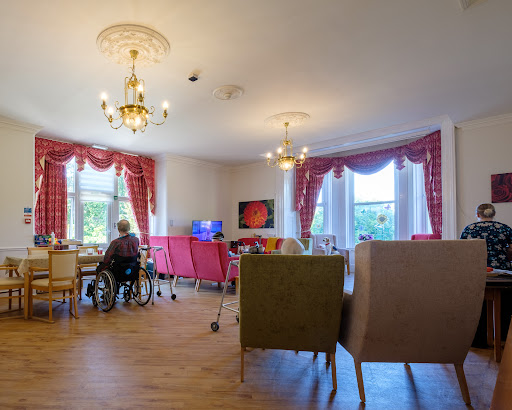
Woodcote Hall Residential Care Home

At a Glance
The information you need to decide whether this home warrants a closer look.
Residential homes
Staff warmth score
of reviewers answered yes
Good to know
- Registered beds56
- SpecialismsCaring for adults over 65 yrs, Caring for adults under 65 yrs, Dementia, Mental health conditions, Sensory impairment
- Last inspected2022-08-09
Save Woodcote Hall Residential Care Home to your shortlist
Keep a running list, add visit notes, and compare homes side-by-side. Free account — it takes a minute.
STAGE 4 — RESEARCHING CARE HOMES
Visit homes. Compare them side by side. Choose with confidence.
Most of us will view care homes the way we view houses, impression, atmosphere, the feeling in the corridor. We go home, try to remember what we saw, and make a permanent decision from a blurred memory.

The DCC shortlist gives every home you visit a structured record: the same twelve questions, answered the same way, every time. When you’re ready to choose, pull any two homes side by side and compare them directly. Same criteria, same evidence, your notes and your scores.
The Evidence
What the review data, the inspection reports, and the dementia-care evidence base tell us about this home.
What families say
Families talk about the warmth they encounter when visiting. Staff take time to chat with both residents and visitors, creating an atmosphere where people feel comfortable asking questions. Several families mention how approachable the team are, willing to stop and have a proper conversation rather than rushing past.
The eight family priority themes
- Staff warmth72
- Compassion & dignity72
- Cleanliness72
- Activities & engagement68
- Food quality65
- Healthcare70
- Management & leadership72
- Resident happiness70
What inspectors found
Inspected 2022-08-09
Is this home safe?
Is the care effective?
The Effective domain was rated Good at the October 2025 inspection. This domain covers whether staff know what they are doing, including training quality, care plan content, healthcare access, and nutrition. The published report does not include specific observations about any of these areas. The home lists dementia as a specialism, which implies staff should hold dementia-specific training. No detail is available about GP access frequency, how often care plans are reviewed, or whether families are included in care planning.Is this home caring?
The Caring domain was rated Good at the October 2025 inspection. This domain covers staff warmth, dignity, respect, and whether people are treated as individuals. The published report contains no specific inspector observations about staff interactions, use of preferred names, or how staff respond when someone is distressed. Staff warmth is the single highest-weighted theme in our family review data, appearing in 57.3% of positive reviews. Without specific evidence from the report, it is not possible to describe what caring looks like day-to-day at Woodcote Hall.Is the home responsive?
The Responsive domain was rated Good at the October 2025 inspection. This domain covers whether the home provides meaningful activities, responds to individual needs, and has end-of-life plans in place. The published report contains no specific detail about activity programmes, one-to-one engagement, or how the home responds to complaints. The home cares for people with a range of conditions including dementia, mental health conditions, and sensory impairments, each of which requires tailored rather than generic activity provision.Is the home well-led?
The Well-led domain was rated Good at the October 2025 inspection. The registered manager is Miss Sherrelle Louise Bell and the nominated individual is Mr Brett Roy Bernard. The home is operated by Woodcote Hall Limited. The published report does not include specific detail about management visibility, staff culture, governance processes, or how the home responded to the shortfalls that previously led to an Inadequate rating. A named, stable manager is a positive signal, but the published text does not confirm how long Miss Bell has been in post.
Source: CQC inspection report →
What the evidence base says
The home cares for adults both under and over 65, supporting people with dementia, mental health conditions, and sensory impairments. With dementia listed as one of their specialisms, the home supports residents with varying stages of the condition. The sensory features in the grounds appear particularly suited to engaging residents with dementia. All areas worth probing directly during a visit.
The DCC Verdict
Our editorial view, built from the three lenses: what families tell us, what inspectors record, and how the home sits against good dementia-care practice.
DCC Family Score
Woodcote Hall has moved from Inadequate to Good across all five domains at its most recent inspection, which is a meaningful improvement. However, the published report text provided contains very limited specific detail, so most scores reflect the Good rating rather than direct inspector observations or resident testimony.
Homes in West Midlands typically score 68–82.The three-lens summary
What families tell us
Families talk about the warmth they encounter when visiting. Staff take time to chat with both residents and visitors, creating an atmosphere where people feel comfortable asking questions. Several families mention how approachable the team are, willing to stop and have a proper conversation rather than rushing past.
What inspectors have recorded
While families speak positively about staff friendliness and professionalism, a detailed observation did note concerns about medication being left on tables without clear confirmation residents had taken it. The same visit raised questions about consistency in mealtime support, with some residents not receiving dessert and tables being cleared while people were still eating.
How it sits against good practice
If you're looking for somewhere that understands complex care needs across different age groups, visiting Woodcote Hall could help you get a feel for whether it's the right fit.
Worth a visit
Woodcote Hall, in Newport, Shropshire, was inspected in October 2025 and rated Good across all five domains: Safe, Effective, Caring, Responsive, and Well-led. This follows a previous rating of Inadequate, making the improvement to Good a genuinely significant change for a 56-bed home caring for people with dementia, mental health conditions, and sensory impairments. The home is run by Woodcote Hall Limited, with a named registered manager and nominated individual in post. The main limitation of this report is that the published inspection text available at the time of writing contains very little specific detail. The ratings are confirmed, but there are no inspector observations, resident quotes, or relative testimony included in what has been published. This means families should treat the Good rating as an encouraging starting point rather than a complete picture. Before making a decision, visit in person, ask to see last month's actual staffing rotas, and speak directly to the registered manager about how care has changed since the period when the home was rated Inadequate.
The three questions to ask when you visitSave this home. Compare it against your shortlist.
Let our analysis show you how Woodcote Hall Residential Care Home measures up against the other homes you’re considering. Free account.
In Their Own Words
How Woodcote Hall Residential Care Home describes itself — collected from its own website. DCC has not edited or independently verified the content in this tab.
Where sensory gardens meet specialist care for complex needs
Woodcote Hall – Your Trusted residential home
For families navigating complex care needs, finding somewhere that truly understands different conditions can feel overwhelming. Woodcote Hall in Newport specialises in supporting people with dementia, mental health conditions, and sensory impairments, whether they're under or over 65. The home sits in grounds that families describe as particularly engaging, with outdoor spaces designed to stimulate the senses.
Who they care for
The home cares for adults both under and over 65, supporting people with dementia, mental health conditions, and sensory impairments.
With dementia listed as one of their specialisms, the home supports residents with varying stages of the condition. The sensory features in the grounds appear particularly suited to engaging residents with dementia.
“If you're looking for somewhere that understands complex care needs across different age groups, visiting Woodcote Hall could help you get a feel for whether it's the right fit.”
DCC does not edit or curate content in this tab. For independently curated information, see The Evidence and DCC Verdict.
The DCC Verdict
Our editorial view, built from the three lenses: what families tell us, what inspectors record, and how the home sits against good dementia-care practice.
DCC Family Score
Woodcote Hall has moved from Inadequate to Good across all five domains at its most recent inspection, which is a meaningful improvement. However, the published report text provided contains very limited specific detail, so most scores reflect the Good rating rather than direct inspector observations or resident testimony.
Homes in West Midlands typically score 68–82.The three-lens summary
What families tell us
Families talk about the warmth they encounter when visiting. Staff take time to chat with both residents and visitors, creating an atmosphere where people feel comfortable asking questions. Several families mention how approachable the team are, willing to stop and have a proper conversation rather than rushing past.
What inspectors have recorded
While families speak positively about staff friendliness and professionalism, a detailed observation did note concerns about medication being left on tables without clear confirmation residents had taken it. The same visit raised questions about consistency in mealtime support, with some residents not receiving dessert and tables being cleared while people were still eating.
How it sits against good practice
If you're looking for somewhere that understands complex care needs across different age groups, visiting Woodcote Hall could help you get a feel for whether it's the right fit.
Worth a visit
Woodcote Hall, in Newport, Shropshire, was inspected in October 2025 and rated Good across all five domains: Safe, Effective, Caring, Responsive, and Well-led. This follows a previous rating of Inadequate, making the improvement to Good a genuinely significant change for a 56-bed home caring for people with dementia, mental health conditions, and sensory impairments. The home is run by Woodcote Hall Limited, with a named registered manager and nominated individual in post. The main limitation of this report is that the published inspection text available at the time of writing contains very little specific detail. The ratings are confirmed, but there are no inspector observations, resident quotes, or relative testimony included in what has been published. This means families should treat the Good rating as an encouraging starting point rather than a complete picture. Before making a decision, visit in person, ask to see last month's actual staffing rotas, and speak directly to the registered manager about how care has changed since the period when the home was rated Inadequate.
The three questions to ask when you visitSave this home. Compare it against your shortlist.
Let our analysis show you how Woodcote Hall Residential Care Home measures up against the other homes you’re considering. Free account.
In Their Own Words
How Woodcote Hall Residential Care Home describes itself — collected from its own website. DCC has not edited or independently verified the content in this tab.
Where sensory gardens meet specialist care for complex needs
Woodcote Hall – Your Trusted residential home
For families navigating complex care needs, finding somewhere that truly understands different conditions can feel overwhelming. Woodcote Hall in Newport specialises in supporting people with dementia, mental health conditions, and sensory impairments, whether they're under or over 65. The home sits in grounds that families describe as particularly engaging, with outdoor spaces designed to stimulate the senses.
Who they care for
The home cares for adults both under and over 65, supporting people with dementia, mental health conditions, and sensory impairments.
With dementia listed as one of their specialisms, the home supports residents with varying stages of the condition. The sensory features in the grounds appear particularly suited to engaging residents with dementia.
Management & ethos
While families speak positively about staff friendliness and professionalism, a detailed observation did note concerns about medication being left on tables without clear confirmation residents had taken it. The same visit raised questions about consistency in mealtime support, with some residents not receiving dessert and tables being cleared while people were still eating.
The home & environment
The food gets consistent praise from families, with meals described as good quality. When one family raised a concern about their relative's meals, they found it was sorted out quickly. The building itself works well for wheelchair users, with one visitor who uses a wheelchair commenting on how accessible they found the layout.
“If you're looking for somewhere that understands complex care needs across different age groups, visiting Woodcote Hall could help you get a feel for whether it's the right fit.”
DCC does not edit or curate content in this tab. For independently curated information, see The Evidence and DCC Verdict.