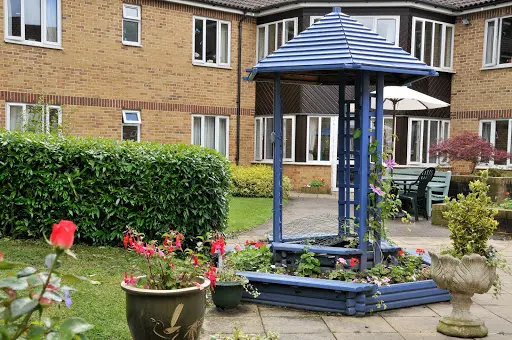
Willowthorpe Care Home in Stanstead Abbotts
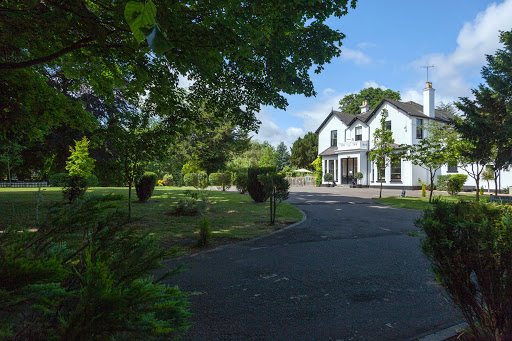
At a Glance
The information you need to decide whether this home warrants a closer look.
Residential homes
Staff warmth score
of reviewers answered yes
Good to know
- Registered beds56
- SpecialismsCaring for adults over 65 yrs, Dementia
- Last inspected2019-01-09
Save Willowthorpe Care Home in Stanstead Abbotts to your shortlist
Keep a running list, add visit notes, and compare homes side-by-side. Free account — it takes a minute.
STAGE 4 — RESEARCHING CARE HOMES
Visit homes. Compare them side by side. Choose with confidence.
Most of us will view care homes the way we view houses, impression, atmosphere, the feeling in the corridor. We go home, try to remember what we saw, and make a permanent decision from a blurred memory.

The DCC shortlist gives every home you visit a structured record: the same twelve questions, answered the same way, every time. When you’re ready to choose, pull any two homes side by side and compare them directly. Same criteria, same evidence, your notes and your scores.
The Evidence
What the review data, the inspection reports, and the dementia-care evidence base tell us about this home.
What families say
The eight family priority themes
- Staff warmth52
- Compassion & dignity52
- Cleanliness52
- Activities & engagement50
- Food quality50
- Healthcare52
- Management & leadership38
- Resident happiness52
What inspectors found
Inspected 2019-01-09
Is this home safe?
Is the care effective?
The Effective domain was rated Good at the November 2018 inspection. This domain covers whether staff have the right training, whether care plans reflect your parent's individual needs, and whether healthcare — including GP access and medication management — is well managed. The home specialises in dementia care, which would normally imply specific staff training in this area. However, the summary text available does not include any specific examples of training content, care plan quality, or GP involvement.Is this home caring?
Caring was rated Good at the November 2018 inspection. This domain assesses whether your parent would be treated with warmth, dignity, and respect — whether staff know them as a person, not just as someone to be managed. A Good rating here is the most personally important finding for many families. However, no direct quotes from residents or family members, and no specific inspector observations of staff-resident interactions, are available in the summary text provided. This limits how much confidence we can draw from the rating alone.Is the home responsive?
The Responsive domain was rated Good at the November 2018 inspection. This domain covers whether the home tailors its care and activities to your parent as an individual — not just offering group activities, but understanding what gives their life meaning and building that into their day. It also covers how the home responds when things go wrong and how end-of-life care is approached. The summary text available does not include any specific detail about the activities programme, individual engagement, or end-of-life planning arrangements.Is the home well-led?
Well-led was the only domain rated Requires Improvement at the November 2018 inspection — meaning that while day-to-day care was considered broadly Good, the leadership, governance, and accountability structures were not fully adequate at that time. The registered manager is named as Mrs Lisa Helen Edwards, with Mrs Rachel Ann Rodgers listed as Nominated Individual for the provider, Colleycare Limited. No further information about what specifically led to the Requires Improvement rating, or what actions were taken in response, is available in the summary text. The July 2023 review did not trigger a reassessment.
Source: CQC inspection report →
What the evidence base says
The home specialises in dementia care for people over 65. They work to understand each resident's past interests and current abilities, creating personalised activities that help maintain a sense of purpose and enjoyment. Families describe how staff design individual activities around what each person enjoys — whether that's baking, arts and crafts, or religious services. The team recognises that dementia affects everyone differently and adapts their approach accordingly. All areas worth probing directly during a visit.
The DCC Verdict
Our editorial view, built from the three lenses: what families tell us, what inspectors record, and how the home sits against good dementia-care practice.
DCC Family Score
Willowthorpe Care Home scores in the mid-range, reflecting an overall Good rating across most areas of care — but the Requires Improvement in leadership, combined with a 2018 inspection date, means the evidence base is now over six years old and should be treated with real caution.
Homes in East typically score 68–82.Worth a visit
Willowthorpe Care Home in Stanstead Abbotts holds an overall Good rating from its most recent official inspection, carried out in November 2018. Four of the five domains — Safe, Effective, Caring, and Responsive — were rated Good, representing an improvement from a previous Requires Improvement rating. The home is registered to care for up to 56 adults over 65, with a specialism in dementia care. A review carried out in July 2023 found no evidence requiring a change to those ratings at that point. The most important thing to be honest with you about is the age of this evidence: the inspection took place in November 2018, which means the findings are now over six years old. A great deal can change in that time — in staffing, management, culture, and the fabric of a building. The Well-led domain was also rated Requires Improvement at the last inspection, which means leadership and governance were not considered fully adequate even then. Before making any decision, we would strongly recommend requesting an up-to-date Statement of Purpose and asking the home when they next expect a full re-inspection. When you visit, pay particular attention to the culture you observe between staff and residents, who is in charge on the day, and how openly management respond to your questions.
The three questions to ask when you visitSave this home. Compare it against your shortlist.
Let our analysis show you how Willowthorpe Care Home in Stanstead Abbotts measures up against the other homes you’re considering. Free account.
In Their Own Words
How Willowthorpe Care Home in Stanstead Abbotts describes itself — collected from its own website. DCC has not edited or independently verified the content in this tab.
Thoughtful dementia care where individual interests still matter
Compassionate Care in Stanstead Abbotts at Willowthorpe Care Home
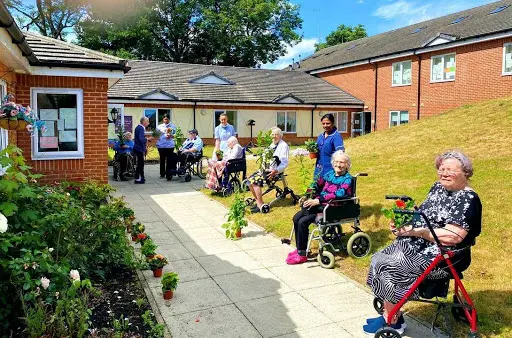
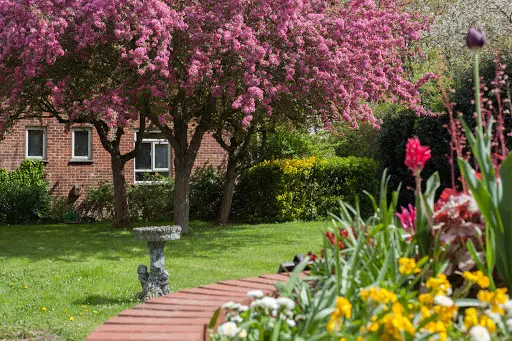
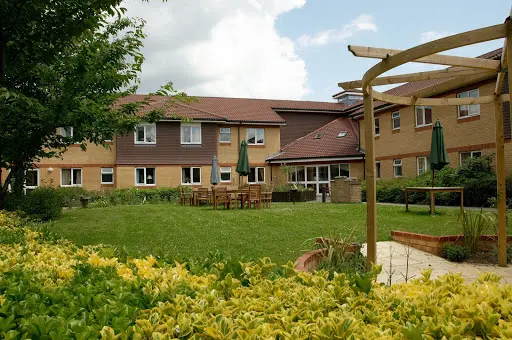
When someone you love develops dementia, finding care that sees beyond the diagnosis becomes everything. Willowthorpe Care Home in Stanstead Abbotts understands this deeply. Set in East Hertfordshire with gardens and river views, they focus on keeping residents connected to the things that have always brought them joy.
Who they care for
The home specialises in dementia care for people over 65. They work to understand each resident's past interests and current abilities, creating personalised activities that help maintain a sense of purpose and enjoyment.
Families describe how staff design individual activities around what each person enjoys — whether that's baking, arts and crafts, or religious services. The team recognises that dementia affects everyone differently and adapts their approach accordingly.
“If you're considering Willowthorpe, visiting in person will give you the clearest sense of their approach to care.”
DCC does not edit or curate content in this tab. For independently curated information, see The Evidence and DCC Verdict.
The DCC Verdict
Our editorial view, built from the three lenses: what families tell us, what inspectors record, and how the home sits against good dementia-care practice.
DCC Family Score
Willowthorpe Care Home scores in the mid-range, reflecting an overall Good rating across most areas of care — but the Requires Improvement in leadership, combined with a 2018 inspection date, means the evidence base is now over six years old and should be treated with real caution.
Homes in East typically score 68–82.Worth a visit
Willowthorpe Care Home in Stanstead Abbotts holds an overall Good rating from its most recent official inspection, carried out in November 2018. Four of the five domains — Safe, Effective, Caring, and Responsive — were rated Good, representing an improvement from a previous Requires Improvement rating. The home is registered to care for up to 56 adults over 65, with a specialism in dementia care. A review carried out in July 2023 found no evidence requiring a change to those ratings at that point. The most important thing to be honest with you about is the age of this evidence: the inspection took place in November 2018, which means the findings are now over six years old. A great deal can change in that time — in staffing, management, culture, and the fabric of a building. The Well-led domain was also rated Requires Improvement at the last inspection, which means leadership and governance were not considered fully adequate even then. Before making any decision, we would strongly recommend requesting an up-to-date Statement of Purpose and asking the home when they next expect a full re-inspection. When you visit, pay particular attention to the culture you observe between staff and residents, who is in charge on the day, and how openly management respond to your questions.
The three questions to ask when you visitSave this home. Compare it against your shortlist.
Let our analysis show you how Willowthorpe Care Home in Stanstead Abbotts measures up against the other homes you’re considering. Free account.
In Their Own Words
How Willowthorpe Care Home in Stanstead Abbotts describes itself — collected from its own website. DCC has not edited or independently verified the content in this tab.
Thoughtful dementia care where individual interests still matter
Compassionate Care in Stanstead Abbotts at Willowthorpe Care Home
When someone you love develops dementia, finding care that sees beyond the diagnosis becomes everything. Willowthorpe Care Home in Stanstead Abbotts understands this deeply. Set in East Hertfordshire with gardens and river views, they focus on keeping residents connected to the things that have always brought them joy.
Who they care for
The home specialises in dementia care for people over 65. They work to understand each resident's past interests and current abilities, creating personalised activities that help maintain a sense of purpose and enjoyment.
Families describe how staff design individual activities around what each person enjoys — whether that's baking, arts and crafts, or religious services. The team recognises that dementia affects everyone differently and adapts their approach accordingly.
“If you're considering Willowthorpe, visiting in person will give you the clearest sense of their approach to care.”
DCC does not edit or curate content in this tab. For independently curated information, see The Evidence and DCC Verdict.