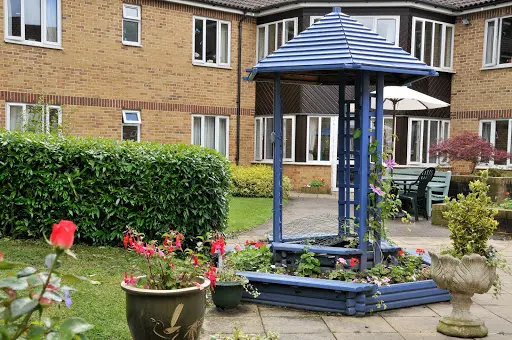
Villa Scalabrini
At a Glance
The information you need to decide whether this home warrants a closer look.
Residential homes
Staff warmth score
of reviewers answered yes
Good to know
- Registered beds53
- SpecialismsCaring for adults over 65 yrs, Caring for adults under 65 yrs, Dementia, Physical disabilities
- Last inspected2020-03-11
Save Villa Scalabrini to your shortlist
Keep a running list, add visit notes, and compare homes side-by-side. Free account — it takes a minute.
STAGE 4 — RESEARCHING CARE HOMES
Visit homes. Compare them side by side. Choose with confidence.
Most of us will view care homes the way we view houses, impression, atmosphere, the feeling in the corridor. We go home, try to remember what we saw, and make a permanent decision from a blurred memory.

The DCC shortlist gives every home you visit a structured record: the same twelve questions, answered the same way, every time. When you’re ready to choose, pull any two homes side by side and compare them directly. Same criteria, same evidence, your notes and your scores.
The Evidence
What the review data, the inspection reports, and the dementia-care evidence base tell us about this home.
What families say
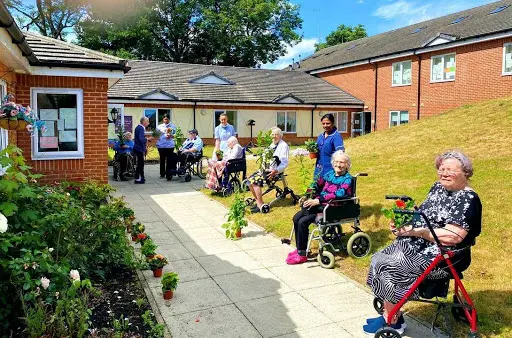
Families describe finding a welcoming atmosphere when they visit, with staff who take time to chat and put people at ease. There's a relaxed feel to interactions here, where residents seem settled into their new surroundings.
The eight family priority themes
- Staff warmth90
- Compassion & dignity92
- Cleanliness72
- Activities & engagement85
- Food quality68
- Healthcare72
- Management & leadership88
- Resident happiness85
What inspectors found
Inspected 2020-03-11
Is this home safe?
Is the care effective?
Inspectors rated Villa Scalabrini Good for Effective at the January 2022 inspection. This domain covers training, care planning, GP and healthcare access, nutrition, and whether the home acts on what it knows about each person. The home lists dementia as a specialism, and a Good rating indicates that training and care planning met the required standard. The published summary does not describe specific training programmes, how often care plans are reviewed, or how families are involved in updating them.Is this home caring?
Inspectors rated Villa Scalabrini Outstanding for Caring at the January 2022 inspection. This is the domain that most directly reflects how staff treat the people who live there day to day. An Outstanding rating in this area requires inspectors to find specific, consistent evidence that staff demonstrate warmth, respect privacy and dignity, support independence, and treat each person as an individual. The published summary is brief, but the rating itself carries significant evidential weight: fewer than five per cent of care homes in England hold an Outstanding rating for Caring.Is the home responsive?
Inspectors rated Villa Scalabrini Outstanding for Responsive at the January 2022 inspection. This domain covers whether the home tailors its care and activities to each individual, responds flexibly when someone's needs change, and plans appropriately for end of life. An Outstanding rating here indicates inspectors found specific, consistent evidence of genuine personalisation rather than a generic programme applied to everyone. The published summary does not describe specific activities, individual engagement for people with advanced dementia, or end-of-life care arrangements.Is the home well-led?
Inspectors rated Villa Scalabrini Outstanding for Well-led at the January 2022 inspection. The registered manager is Ms Iva Zdravkova Petrova, and the nominated individual is Mr Lino De Almeida. An Outstanding Well-led rating requires inspectors to find evidence of a stable, visible leadership team that supports staff to speak up, acts on feedback and incidents, and drives continuous improvement. The home's overall trajectory from Good to Outstanding indicates that leadership has been a driver of quality improvement rather than a passive presence.
Source: CQC inspection report →
What the evidence base says
The home supports adults both under and over 65, including those living with dementia or physical disabilities. This mix of ages and needs creates a varied community. While dementia care forms part of their service, specific details about their approach would be best discussed during a visit to understand how they support residents with memory loss. All areas worth probing directly during a visit.
The DCC Verdict
Our editorial view, built from the three lenses: what families tell us, what inspectors record, and how the home sits against good dementia-care practice.
DCC Family Score
Villa Scalabrini scored strongly across the themes that matter most to families, particularly staff warmth and compassion, reflecting its Outstanding ratings for caring, responsiveness, and leadership. Scores for food quality and cleanliness are moderate because the inspection text does not provide specific detail in those areas.
Homes in East typically score 68–82.The three-lens summary
What families tell us
Families describe finding a welcoming atmosphere when they visit, with staff who take time to chat and put people at ease. There's a relaxed feel to interactions here, where residents seem settled into their new surroundings.
What inspectors have recorded
How it sits against good practice
The combination of spiritual care and cultural heritage gives Villa Scalabrini its particular character in the Hertfordshire countryside.
Worth a visit
Villa Scalabrini in Shenley was rated Outstanding at its most recent inspection in January 2022, having improved from a previous rating of Good. This places it among a small minority of care homes in England to reach the highest rating. Inspectors found exceptional standards in how the home cares for the people who live there (Outstanding for Caring), how it responds to their individual needs (Outstanding for Responsive), and how it is run (Outstanding for Well-led). Safety and effectiveness were both rated Good, indicating solid but not exceptional performance in those areas. The main limitation of this report is that the published inspection summary is brief and does not include the detailed observations, quotes, and evidence that a full inspection report typically contains. As a result, it is not possible to verify specific details about night staffing ratios, agency use, food quality, the physical environment, or how the home supports people with advanced dementia on a one-to-one basis. On a visit, ask the manager to show you last week's actual staffing rota, observe a mealtime, and ask how many permanent staff work on the dementia unit after 8pm. The Outstanding rating is a strong starting point, but your own eyes and questions will complete the picture.
The three questions to ask when you visitSave this home. Compare it against your shortlist.
Let our analysis show you how Villa Scalabrini measures up against the other homes you’re considering. Free account.
In Their Own Words
How Villa Scalabrini describes itself — collected from its own website. DCC has not edited or independently verified the content in this tab.
Catholic care with Italian heritage in rural Hertfordshire
Villa Scalabrini – Your Trusted residential home
Villa Scalabrini brings together faith-based care and Italian cultural traditions in the peaceful setting of Shenley. This care home welcomes residents with varying needs, from physical disabilities to dementia support. The Catholic foundation shapes daily life here, with regular Mass and chaplaincy services woven into the rhythm of care.
Who they care for
The home supports adults both under and over 65, including those living with dementia or physical disabilities. This mix of ages and needs creates a varied community.
While dementia care forms part of their service, specific details about their approach would be best discussed during a visit to understand how they support residents with memory loss.
“The combination of spiritual care and cultural heritage gives Villa Scalabrini its particular character in the Hertfordshire countryside.”
DCC does not edit or curate content in this tab. For independently curated information, see The Evidence and DCC Verdict.
The DCC Verdict
Our editorial view, built from the three lenses: what families tell us, what inspectors record, and how the home sits against good dementia-care practice.
DCC Family Score
Villa Scalabrini scored strongly across the themes that matter most to families, particularly staff warmth and compassion, reflecting its Outstanding ratings for caring, responsiveness, and leadership. Scores for food quality and cleanliness are moderate because the inspection text does not provide specific detail in those areas.
Homes in East typically score 68–82.The three-lens summary
What families tell us
Families describe finding a welcoming atmosphere when they visit, with staff who take time to chat and put people at ease. There's a relaxed feel to interactions here, where residents seem settled into their new surroundings.
What inspectors have recorded
How it sits against good practice
The combination of spiritual care and cultural heritage gives Villa Scalabrini its particular character in the Hertfordshire countryside.
Worth a visit
Villa Scalabrini in Shenley was rated Outstanding at its most recent inspection in January 2022, having improved from a previous rating of Good. This places it among a small minority of care homes in England to reach the highest rating. Inspectors found exceptional standards in how the home cares for the people who live there (Outstanding for Caring), how it responds to their individual needs (Outstanding for Responsive), and how it is run (Outstanding for Well-led). Safety and effectiveness were both rated Good, indicating solid but not exceptional performance in those areas. The main limitation of this report is that the published inspection summary is brief and does not include the detailed observations, quotes, and evidence that a full inspection report typically contains. As a result, it is not possible to verify specific details about night staffing ratios, agency use, food quality, the physical environment, or how the home supports people with advanced dementia on a one-to-one basis. On a visit, ask the manager to show you last week's actual staffing rota, observe a mealtime, and ask how many permanent staff work on the dementia unit after 8pm. The Outstanding rating is a strong starting point, but your own eyes and questions will complete the picture.
The three questions to ask when you visitSave this home. Compare it against your shortlist.
Let our analysis show you how Villa Scalabrini measures up against the other homes you’re considering. Free account.
In Their Own Words
How Villa Scalabrini describes itself — collected from its own website. DCC has not edited or independently verified the content in this tab.
Catholic care with Italian heritage in rural Hertfordshire
Villa Scalabrini – Your Trusted residential home
Villa Scalabrini brings together faith-based care and Italian cultural traditions in the peaceful setting of Shenley. This care home welcomes residents with varying needs, from physical disabilities to dementia support. The Catholic foundation shapes daily life here, with regular Mass and chaplaincy services woven into the rhythm of care.
Who they care for
The home supports adults both under and over 65, including those living with dementia or physical disabilities. This mix of ages and needs creates a varied community.
While dementia care forms part of their service, specific details about their approach would be best discussed during a visit to understand how they support residents with memory loss.
“The combination of spiritual care and cultural heritage gives Villa Scalabrini its particular character in the Hertfordshire countryside.”
DCC does not edit or curate content in this tab. For independently curated information, see The Evidence and DCC Verdict.