The Park Residential and Nursing Home – Sanctuary Care
At a Glance
The information you need to decide whether this home warrants a closer look.
Nursing homes
Staff warmth score
of reviewers answered yes
Good to know
- Registered beds42
- SpecialismsCaring for adults over 65 yrs, Caring for adults under 65 yrs, Dementia, Physical disabilities, Sensory impairment
- Last inspected2022-01-24
Save The Park Residential and Nursing Home – Sanctuary Care to your shortlist
Keep a running list, add visit notes, and compare homes side-by-side. Free account — it takes a minute.
STAGE 4 — RESEARCHING CARE HOMES
Visit homes. Compare them side by side. Choose with confidence.
Most of us will view care homes the way we view houses, impression, atmosphere, the feeling in the corridor. We go home, try to remember what we saw, and make a permanent decision from a blurred memory.

The DCC shortlist gives every home you visit a structured record: the same twelve questions, answered the same way, every time. When you’re ready to choose, pull any two homes side by side and compare them directly. Same criteria, same evidence, your notes and your scores.
The Evidence
What the review data, the inspection reports, and the dementia-care evidence base tell us about this home.
What families say
What strikes families is how staff respond when someone arrives upset or unsettled. They've seen carers move quickly to comfort new residents, taking practical steps to help them feel more like themselves. The welcoming extends to families too — people talk about being shown around without appointments, given time to ask questions during stressful decisions.
The eight family priority themes
- Staff warmth65
- Compassion & dignity65
- Cleanliness65
- Activities & engagement60
- Food quality60
- Healthcare65
- Management & leadership65
- Resident happiness60
What inspectors found
Inspected 2022-01-24 Report published 2022-01-24
Is this home safe?
Is the care effective?
The Effective domain was rated Good at the April 2024 inspection. This domain covers care planning, staff training, nutritional support, and access to healthcare professionals including GPs. The home lists dementia as a specialism, which implies some level of dementia-specific training provision. No detail about training completion rates, care plan content, GP access frequency, or food quality was included in the available inspection text.Is this home caring?
The Caring domain was rated Good at the April 2024 inspection. This domain covers staff warmth, dignity, respect, and whether people are supported to maintain their independence. A Good rating means inspectors were satisfied with the quality of interactions they observed. No specific observations about staff interactions, preferred name use, or direct quotes from people living at the home or their families were included in the available inspection text.Is the home responsive?
The Responsive domain was rated Good at the April 2024 inspection. This domain covers whether care is tailored to individual needs, activities and engagement, and end-of-life care. No specific detail about the activity programme, individual engagement for people with advanced dementia, or end-of-life planning was included in the available inspection text.Is the home well-led?
The Well-led domain was rated Good at the April 2024 inspection. A named registered manager, Miss Juliet Anne Gardner, is in post, and a nominated individual, Mrs Louise Palmer, is listed in the registration record. The home is operated by Sanctuary Care Limited. A Good Well-led rating means inspectors were satisfied with the governance, culture, and management of the service. No specific detail about manager visibility, staff culture, complaints handling, or learning from incidents was included in the available inspection text.
Source: CQC inspection report →
What the evidence base says
The home provides care for adults over and under 65, including those living with dementia, physical disabilities, or sensory impairments. For people living with dementia, the team focuses on maintaining dignity and connection, particularly during the transition into care when confusion and distress can be heightened. All areas worth probing directly during a visit.
The DCC Verdict
Our editorial view, built from the three lenses: what families tell us, what inspectors record, and how the home sits against good dementia-care practice.
DCC Family Score
Every domain was rated Good at the April 2024 inspection, which is a solid foundation. However, because the full inspection narrative was not available for this report, scores reflect the Good rating itself rather than specific observations, quotes, or detailed evidence, so families should treat these as a baseline and probe further on a visit.
Homes in East Midlands typically score 68–82.The three-lens summary
What families tell us
What strikes families is how staff respond when someone arrives upset or unsettled. They've seen carers move quickly to comfort new residents, taking practical steps to help them feel more like themselves. The welcoming extends to families too — people talk about being shown around without appointments, given time to ask questions during stressful decisions.
What inspectors have recorded
Staff here appear to understand that small gestures matter. Families have noticed how carers stay calm and kind when relatives are distressed, and how management makes time for urgent visits. There's talk of fresh approaches being introduced, though it's the consistent attentiveness that families remember most.
How it sits against good practice
It's a place that seems to understand that behind every admission is a family making an impossible choice, often with little warning.
Worth a visit
The Park Residential and Nursing Home, on St. Marks Road in Derby, received a Good rating across all five domains at its most recent inspection, carried out on 2 April 2024 and published in August 2024. The home is registered for 42 beds and lists dementia, physical disabilities, and sensory impairment as specialisms, alongside care for both younger and older adults. A named registered manager is in post, and the home is part of Sanctuary Care Limited. The main uncertainty here is that the full inspection narrative was not available for this report, which means it has not been possible to verify specific observations, direct quotes from people living at the home, or detailed evidence behind each Good rating. A Good rating is genuinely positive, but families should visit in person, ask to see last week's actual staffing rota (including night shifts), ask how often care plans are reviewed and whether families are involved, and observe whether staff interactions feel unhurried and warm. Pay particular attention to how staff interact with your parent in corridor and communal spaces, as this is where the real culture of a home shows itself.
The three questions to ask when you visitSave this home. Compare it against your shortlist.
Let our analysis show you how The Park Residential and Nursing Home – Sanctuary Care measures up against the other homes you’re considering. Free account.
In Their Own Words
How The Park Residential and Nursing Home – Sanctuary Care describes itself — collected from its own website. DCC has not edited or independently verified the content in this tab.
Where quick thinking and kindness meet when families need it most
Compassionate Care in Derby at The Park Residential and Nursing Home
Sometimes the hardest care decisions come suddenly, when there's no time to prepare. The Park Residential and Nursing Home in Derby understands this reality. Families describe finding not just a bed in a crisis, but staff who grasp what matters in those first crucial hours — whether that's keeping couples together or helping someone feel dignified again after a difficult transition.
Who they care for
The home provides care for adults over and under 65, including those living with dementia, physical disabilities, or sensory impairments.
For people living with dementia, the team focuses on maintaining dignity and connection, particularly during the transition into care when confusion and distress can be heightened.
“It's a place that seems to understand that behind every admission is a family making an impossible choice, often with little warning.”
DCC does not edit or curate content in this tab. For independently curated information, see The Evidence and DCC Verdict.
The DCC Verdict
Our editorial view, built from the three lenses: what families tell us, what inspectors record, and how the home sits against good dementia-care practice.
DCC Family Score
Every domain was rated Good at the April 2024 inspection, which is a solid foundation. However, because the full inspection narrative was not available for this report, scores reflect the Good rating itself rather than specific observations, quotes, or detailed evidence, so families should treat these as a baseline and probe further on a visit.
Homes in East Midlands typically score 68–82.The three-lens summary
What families tell us
What strikes families is how staff respond when someone arrives upset or unsettled. They've seen carers move quickly to comfort new residents, taking practical steps to help them feel more like themselves. The welcoming extends to families too — people talk about being shown around without appointments, given time to ask questions during stressful decisions.
What inspectors have recorded
Staff here appear to understand that small gestures matter. Families have noticed how carers stay calm and kind when relatives are distressed, and how management makes time for urgent visits. There's talk of fresh approaches being introduced, though it's the consistent attentiveness that families remember most.
How it sits against good practice
It's a place that seems to understand that behind every admission is a family making an impossible choice, often with little warning.
Worth a visit
The Park Residential and Nursing Home, on St. Marks Road in Derby, received a Good rating across all five domains at its most recent inspection, carried out on 2 April 2024 and published in August 2024. The home is registered for 42 beds and lists dementia, physical disabilities, and sensory impairment as specialisms, alongside care for both younger and older adults. A named registered manager is in post, and the home is part of Sanctuary Care Limited. The main uncertainty here is that the full inspection narrative was not available for this report, which means it has not been possible to verify specific observations, direct quotes from people living at the home, or detailed evidence behind each Good rating. A Good rating is genuinely positive, but families should visit in person, ask to see last week's actual staffing rota (including night shifts), ask how often care plans are reviewed and whether families are involved, and observe whether staff interactions feel unhurried and warm. Pay particular attention to how staff interact with your parent in corridor and communal spaces, as this is where the real culture of a home shows itself.
The three questions to ask when you visitSave this home. Compare it against your shortlist.
Let our analysis show you how The Park Residential and Nursing Home – Sanctuary Care measures up against the other homes you’re considering. Free account.
In Their Own Words
How The Park Residential and Nursing Home – Sanctuary Care describes itself — collected from its own website. DCC has not edited or independently verified the content in this tab.
Where quick thinking and kindness meet when families need it most
Compassionate Care in Derby at The Park Residential and Nursing Home
Sometimes the hardest care decisions come suddenly, when there's no time to prepare. The Park Residential and Nursing Home in Derby understands this reality. Families describe finding not just a bed in a crisis, but staff who grasp what matters in those first crucial hours — whether that's keeping couples together or helping someone feel dignified again after a difficult transition.
Who they care for
The home provides care for adults over and under 65, including those living with dementia, physical disabilities, or sensory impairments.
For people living with dementia, the team focuses on maintaining dignity and connection, particularly during the transition into care when confusion and distress can be heightened.
Management & ethos
Staff here appear to understand that small gestures matter. Families have noticed how carers stay calm and kind when relatives are distressed, and how management makes time for urgent visits. There's talk of fresh approaches being introduced, though it's the consistent attentiveness that families remember most.
The home & environment
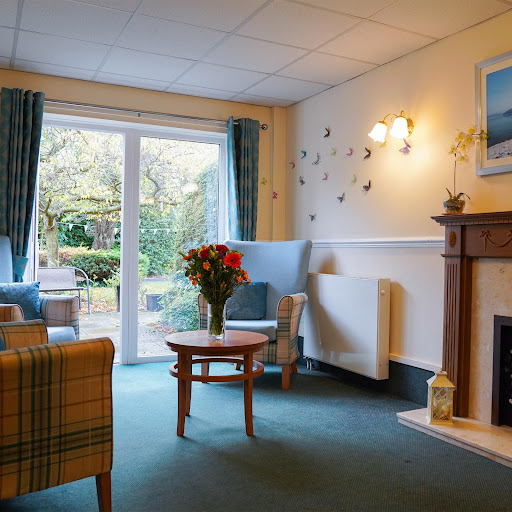
The building itself feels bright and open, with modern touches that create a sense of space. Families mention clean communal areas where residents gather comfortably, and maintained gardens that offer fresh air and a change of scene. It's the kind of environment where people seem content to spend time in shared spaces.
“It's a place that seems to understand that behind every admission is a family making an impossible choice, often with little warning.”
DCC does not edit or curate content in this tab. For independently curated information, see The Evidence and DCC Verdict.