The Orchard | Nursing Home in St Albans
At a Glance
The information you need to decide whether this home warrants a closer look.
Nursing homes
Staff warmth score
of reviewers answered yes
Good to know
- Registered beds63
- SpecialismsCaring for adults over 65 yrs, Caring for adults under 65 yrs, Dementia
- Last inspected2019-08-01
Save The Orchard | Nursing Home in St Albans to your shortlist
Keep a running list, add visit notes, and compare homes side-by-side. Free account — it takes a minute.
STAGE 4 — RESEARCHING CARE HOMES
Visit homes. Compare them side by side. Choose with confidence.
Most of us will view care homes the way we view houses, impression, atmosphere, the feeling in the corridor. We go home, try to remember what we saw, and make a permanent decision from a blurred memory.

The DCC shortlist gives every home you visit a structured record: the same twelve questions, answered the same way, every time. When you’re ready to choose, pull any two homes side by side and compare them directly. Same criteria, same evidence, your notes and your scores.
The Evidence
What the review data, the inspection reports, and the dementia-care evidence base tell us about this home.
What families say
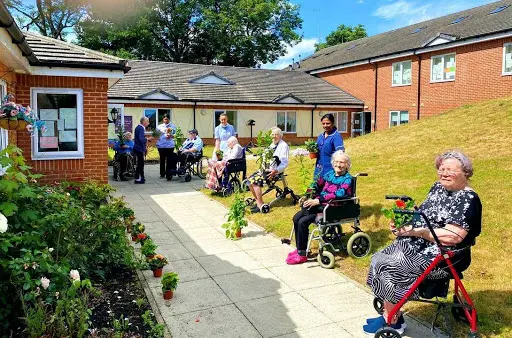
Families describe a real difference in their loved ones here — people who arrive anxious often become noticeably happier and more socially connected. The activities team keeps residents engaged in daily life with a programme that actually works, and there's a warmth that runs through the whole place, from reception right through to the activity coordinators.
The eight family priority themes
- Staff warmth55
- Compassion & dignity55
- Cleanliness55
- Activities & engagement50
- Food quality50
- Healthcare55
- Management & leadership60
- Resident happiness55
What inspectors found
Inspected 2019-08-01
Is this home safe?
Is the care effective?
The Effective domain was rated Good at the March 2021 inspection. This domain covers training, care planning, healthcare access, nutrition, and how well the home applies best practice. No specific detail about dementia training content, GP visit frequency, care plan personalisation, or food quality is included in the published summary. The Good rating implies inspectors were satisfied that these areas met required standards. The home holds a dementia specialism, which means inspectors would have expected to see evidence of dementia-specific competence, though no detail is published about what they found.Is this home caring?
The Caring domain was rated Good at the March 2021 inspection. This domain covers staff warmth, dignity, respect, privacy, and how well the home promotes independence. No specific inspector observations, staff behaviours, or resident and family quotes are recorded in the published summary. The Good rating indicates inspectors were satisfied with the standard of caring interactions they observed. Without specific observations, it is not possible from the published text to describe how staff actually behave with residents during personal care, mealtimes, or moments of distress.Is the home responsive?
The Responsive domain was rated Good at the March 2021 inspection. This domain covers activities, individual engagement, complaint handling, and end-of-life planning. No specific activities, activity coordinators, or examples of tailored individual engagement are mentioned in the published summary. No information is given about how the home supports residents who cannot participate in group activities, which is a significant consideration for people with advanced dementia. The Good rating indicates inspectors were satisfied with responsiveness to individual needs, but the published findings do not describe what that looks like in practice.Is the home well-led?
The Well-led domain was rated Good at the March 2021 inspection. A named registered manager (Mr Mitica Dumitru Varzaru) and a nominated individual (Mrs Rebecca Garwood) are recorded, confirming a formal leadership structure. The home is part of the Caring Homes (TFP) Group Ltd, which is a larger provider group. The July 2023 data review found no evidence requiring a change to the rating, suggesting no significant governance or leadership concerns had emerged. No specific detail about manager visibility, staff culture, complaint outcomes, or how the home acts on feedback is included in the published summary.
Source: CQC inspection report →
What the evidence base says
The Orchard cares for adults both under and over 65, with particular expertise in dementia care. Their approach to dementia goes beyond the basics — they run educational seminars that help families understand what's happening and what to expect. This same depth of knowledge shows in how they support residents day to day. All areas worth probing directly during a visit.
The DCC Verdict
Our editorial view, built from the three lenses: what families tell us, what inspectors record, and how the home sits against good dementia-care practice.
DCC Family Score
The Orchard Nursing Home holds a Good rating across all five inspection domains, but the published report contains very little specific observational detail, meaning the score reflects confirmed compliance rather than rich, specific evidence of outstanding day-to-day care. Families should treat this as a baseline and gather further information directly from the home.
Homes in East typically score 68–82.The three-lens summary
What families tell us
Families describe a real difference in their loved ones here — people who arrive anxious often become noticeably happier and more socially connected. The activities team keeps residents engaged in daily life with a programme that actually works, and there's a warmth that runs through the whole place, from reception right through to the activity coordinators.
What inspectors have recorded
What stands out is how the different teams work together — nurses, carers, support staff all pulling in the same direction. Families talk about feeling confident in both the nursing standards and the personal care, which is exactly what you want when making this decision.
How it sits against good practice
Sometimes you just know when a place has got it right, and The Orchard seems to be one of those homes.
Worth a visit
The Orchard Nursing Home, on Camp Road in St Albans, was rated Good across all five inspection domains at its last full inspection in March 2021. The rating was reviewed in July 2023 using available data and was not changed. The home is run by Caring Homes (TFP) Group Ltd and holds a dementia specialism alongside nursing care for adults both over and under 65. A named registered manager and nominated individual are recorded, which confirms formal accountability is in place. The honest limitation here is that the published inspection summary is brief and contains almost no specific observational detail, resident or family quotes, or concrete examples of day-to-day care. A Good rating is genuinely meaningful, but on its own it cannot tell you what meals are like, how staff behave on a Sunday evening, or how many carers are on the dementia unit at night. Before making a decision, visit the home, ask to see last week's actual staffing rota (not just the template), speak directly to the registered manager about dementia-specific training, and observe how staff interact with residents in communal areas during your visit.
The three questions to ask when you visitSave this home. Compare it against your shortlist.
Let our analysis show you how The Orchard | Nursing Home in St Albans measures up against the other homes you’re considering. Free account.
In Their Own Words
How The Orchard | Nursing Home in St Albans describes itself — collected from its own website. DCC has not edited or independently verified the content in this tab.
Where dementia understanding meets genuine warmth in St. Albans
Nursing home in St. Albans: True Peace of Mind
When you're searching for dementia care, you need somewhere that really gets it. The Orchard Nursing Home in East St. Albans stands out for running public seminars that help families understand dementia better — and that same expertise shines through in their day-to-day care. It's reassuring to find a place where the knowledge runs deep and the approach stays personal.
Who they care for
The Orchard cares for adults both under and over 65, with particular expertise in dementia care.
Their approach to dementia goes beyond the basics — they run educational seminars that help families understand what's happening and what to expect. This same depth of knowledge shows in how they support residents day to day.
“Sometimes you just know when a place has got it right, and The Orchard seems to be one of those homes.”
DCC does not edit or curate content in this tab. For independently curated information, see The Evidence and DCC Verdict.
The DCC Verdict
Our editorial view, built from the three lenses: what families tell us, what inspectors record, and how the home sits against good dementia-care practice.
DCC Family Score
The Orchard Nursing Home holds a Good rating across all five inspection domains, but the published report contains very little specific observational detail, meaning the score reflects confirmed compliance rather than rich, specific evidence of outstanding day-to-day care. Families should treat this as a baseline and gather further information directly from the home.
Homes in East typically score 68–82.The three-lens summary
What families tell us
Families describe a real difference in their loved ones here — people who arrive anxious often become noticeably happier and more socially connected. The activities team keeps residents engaged in daily life with a programme that actually works, and there's a warmth that runs through the whole place, from reception right through to the activity coordinators.
What inspectors have recorded
What stands out is how the different teams work together — nurses, carers, support staff all pulling in the same direction. Families talk about feeling confident in both the nursing standards and the personal care, which is exactly what you want when making this decision.
How it sits against good practice
Sometimes you just know when a place has got it right, and The Orchard seems to be one of those homes.
Worth a visit
The Orchard Nursing Home, on Camp Road in St Albans, was rated Good across all five inspection domains at its last full inspection in March 2021. The rating was reviewed in July 2023 using available data and was not changed. The home is run by Caring Homes (TFP) Group Ltd and holds a dementia specialism alongside nursing care for adults both over and under 65. A named registered manager and nominated individual are recorded, which confirms formal accountability is in place. The honest limitation here is that the published inspection summary is brief and contains almost no specific observational detail, resident or family quotes, or concrete examples of day-to-day care. A Good rating is genuinely meaningful, but on its own it cannot tell you what meals are like, how staff behave on a Sunday evening, or how many carers are on the dementia unit at night. Before making a decision, visit the home, ask to see last week's actual staffing rota (not just the template), speak directly to the registered manager about dementia-specific training, and observe how staff interact with residents in communal areas during your visit.
The three questions to ask when you visitSave this home. Compare it against your shortlist.
Let our analysis show you how The Orchard | Nursing Home in St Albans measures up against the other homes you’re considering. Free account.
In Their Own Words
How The Orchard | Nursing Home in St Albans describes itself — collected from its own website. DCC has not edited or independently verified the content in this tab.
Where dementia understanding meets genuine warmth in St. Albans
Nursing home in St. Albans: True Peace of Mind
When you're searching for dementia care, you need somewhere that really gets it. The Orchard Nursing Home in East St. Albans stands out for running public seminars that help families understand dementia better — and that same expertise shines through in their day-to-day care. It's reassuring to find a place where the knowledge runs deep and the approach stays personal.
Who they care for
The Orchard cares for adults both under and over 65, with particular expertise in dementia care.
Their approach to dementia goes beyond the basics — they run educational seminars that help families understand what's happening and what to expect. This same depth of knowledge shows in how they support residents day to day.
Management & ethos
What stands out is how the different teams work together — nurses, carers, support staff all pulling in the same direction. Families talk about feeling confident in both the nursing standards and the personal care, which is exactly what you want when making this decision.
The home & environment
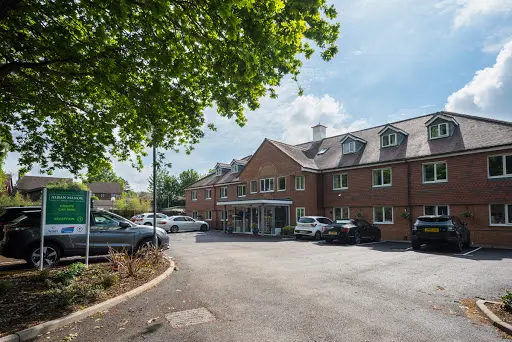
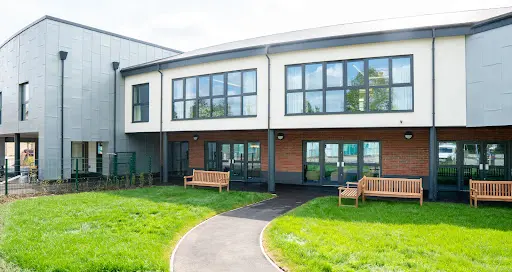
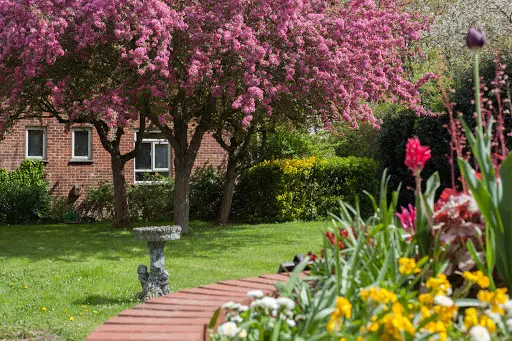
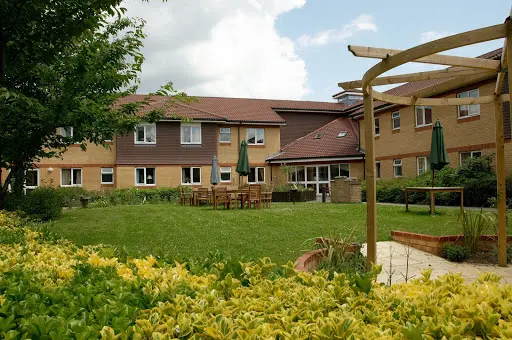
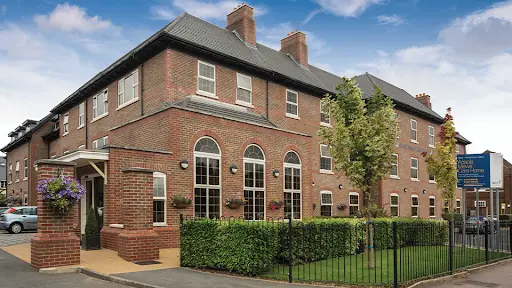
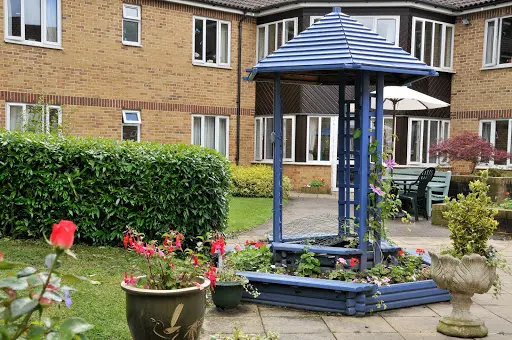
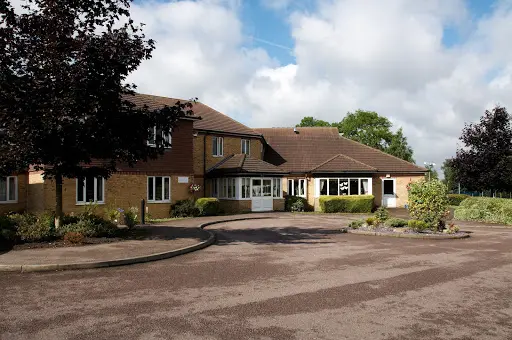
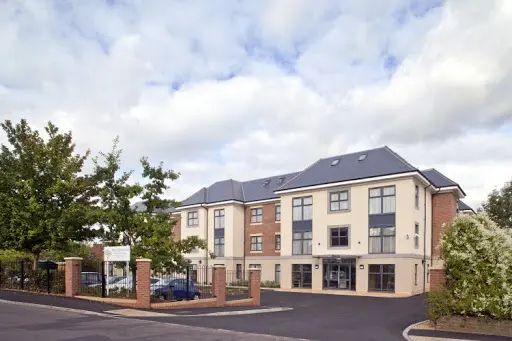
The home itself makes sense — it's easy to find your way around, rooms can be personalised, and everything's kept in good shape. They've got physiotherapy on site too, which saves those tiring trips out for treatment.
“Sometimes you just know when a place has got it right, and The Orchard seems to be one of those homes.”
DCC does not edit or curate content in this tab. For independently curated information, see The Evidence and DCC Verdict.