Cedars Care Centre
At a Glance
The information you need to decide whether this home warrants a closer look.
Nursing homes
Staff warmth score
of reviewers answered yes
Good to know
- Registered beds45
- SpecialismsCaring for adults over 65 yrs, Caring for adults under 65 yrs, Dementia, Eating disorders, Learning disabilities, Mental health conditions, Physical disabilities, Sensory impairment, Substance misuse problems
- Last inspected2019-06-26
Save Cedars Care Centre to your shortlist
Keep a running list, add visit notes, and compare homes side-by-side. Free account — it takes a minute.
STAGE 4 — RESEARCHING CARE HOMES
Visit homes. Compare them side by side. Choose with confidence.
Most of us will view care homes the way we view houses, impression, atmosphere, the feeling in the corridor. We go home, try to remember what we saw, and make a permanent decision from a blurred memory.

The DCC shortlist gives every home you visit a structured record: the same twelve questions, answered the same way, every time. When you’re ready to choose, pull any two homes side by side and compare them directly. Same criteria, same evidence, your notes and your scores.
The Evidence
What the review data, the inspection reports, and the dementia-care evidence base tell us about this home.
What families say
Families talk about the warm atmosphere here, where staff take time to really know residents and respond to what matters to them. The environment feels secure yet stimulating, with a sense of calm that helps people feel at ease. Visitors mention feeling welcomed themselves, finding staff approachable and happy to chat about their loved one's day.
The eight family priority themes
- Staff warmth55
- Compassion & dignity55
- Cleanliness60
- Activities & engagement50
- Food quality50
- Healthcare55
- Management & leadership60
- Resident happiness55
What inspectors found
Inspected 2019-06-26
Is this home safe?
Is the care effective?
The home received a Good rating for effectiveness at the February 2022 inspection. The published report does not include detail about care plan quality, GP access frequency, medication management processes, or dementia-specific training. The home lists dementia as a named specialism alongside learning disabilities, mental health conditions, and eating disorders, which requires staff to hold skills across a broad range of needs. No specific training records or care plan examples are referenced in the published text.Is this home caring?
The home was rated Good for caring at its February 2022 inspection. The published report does not include direct observations of staff interactions with residents, quotes from residents or relatives about how they are treated, or specific examples of dignity and privacy being upheld. Staff warmth and compassion are the most important factors for families choosing a care home, according to our review data, yet these are the areas where this inspection report provides the least specific evidence.Is the home responsive?
The home was rated Good for responsiveness at the February 2022 inspection. The published report does not describe the activities programme, individual engagement plans, how the home responds to changing needs, or how end-of-life care is approached. The home's wide specialism range, covering dementia, learning disabilities, mental health conditions, and sensory impairment among others, means that responsive care requires highly individualised planning rather than a standard group-activity model.Is the home well-led?
The home was rated Good for leadership at the February 2022 inspection. A registered manager and a nominated individual are named in the registration record, indicating a formal leadership structure. The July 2023 monitoring review found no evidence requiring a reassessment of the rating. The published report does not include detail about management visibility, staff culture, governance processes, or how the home responds to complaints and incidents. The inspection count of two suggests the home has not been subject to frequent or intensive regulatory scrutiny.
Source: CQC inspection report →
What the evidence base says
The Cedar Gardens cares for adults across different age groups with varied support needs — from physical disabilities and sensory impairments to mental health conditions and substance misuse challenges. They also support people living with dementia and those with learning disabilities or eating disorders. For residents living with dementia, the calm environment and individualised approach can make a real difference. The team works to understand each person's unique needs and preferences, though families should always discuss specific care approaches during visits. All areas worth probing directly during a visit.
The DCC Verdict
Our editorial view, built from the three lenses: what families tell us, what inspectors record, and how the home sits against good dementia-care practice.
DCC Family Score
The home holds a Good rating across all five inspection domains, which is a positive baseline. However, the published inspection text contains very little specific detail about day-to-day life, staff interactions, or individual care, so the score reflects a solid but evidence-thin picture rather than a strongly evidenced one.
Homes in London typically score 68–82.The three-lens summary
What families tell us
Families talk about the warm atmosphere here, where staff take time to really know residents and respond to what matters to them. The environment feels secure yet stimulating, with a sense of calm that helps people feel at ease. Visitors mention feeling welcomed themselves, finding staff approachable and happy to chat about their loved one's day.
What inspectors have recorded
The management team here seems to foster a collaborative culture, with staff who appear genuinely engaged in their work. Communication with families flows naturally, with regular updates that help build trust. While one family raised serious concerns about their experience, the broader picture suggests a team that works hard to create transparency and maintain professional standards.
How it sits against good practice
Every family's journey is different, and finding the right fit matters deeply. A visit here will help you sense whether this could be the right place for your loved one.
Worth a visit
Cedar Gardens Care Limited in New Barnet was rated Good across all five inspection domains at its last full inspection in February 2022. A monitoring review carried out in July 2023 found no evidence to require a reassessment, meaning the Good rating remained in place at that point. The home is registered for a wide range of specialisms including dementia, mental health conditions, learning disabilities, and physical disabilities across its 45 beds. The main uncertainty here is the very limited detail in the published inspection text. The report confirms a Good rating but provides almost no specific observations about staff behaviour, the environment, activities, food, or individual care. This is not unusual for shorter inspection reports, but it means families need to do more of their own fact-finding on a visit. The questions in the checklist below are particularly important for this home: ask about night staffing numbers, dementia-specific training, agency staff use, and how families are kept informed when things change.
The three questions to ask when you visitSave this home. Compare it against your shortlist.
Let our analysis show you how Cedars Care Centre measures up against the other homes you’re considering. Free account.
In Their Own Words
How Cedars Care Centre describes itself — collected from its own website. DCC has not edited or independently verified the content in this tab.
Where individual needs shape every single day
The Cedar Gardens Care Limited – Your Trusted nursing home
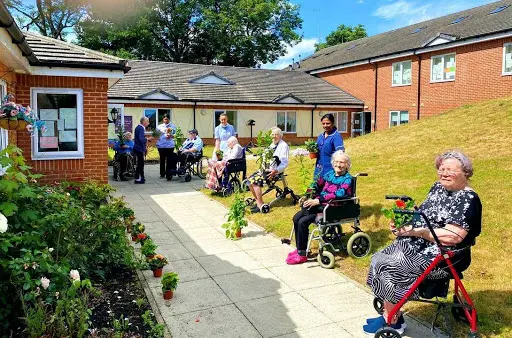
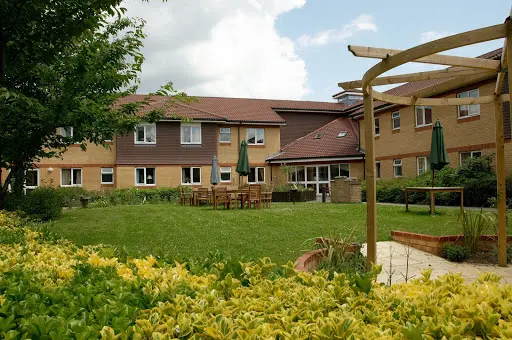
Walking through the doors at The Cedar Gardens in New Barnet, you'll notice something different — a genuine focus on understanding each resident as an individual. This care home supports people with varied needs, from learning disabilities to dementia, creating a space where everyone feels seen and valued. The recently refurbished spaces feel inviting and calm, setting the tone for the personalised care that families describe.
Who they care for
The Cedar Gardens cares for adults across different age groups with varied support needs — from physical disabilities and sensory impairments to mental health conditions and substance misuse challenges. They also support people living with dementia and those with learning disabilities or eating disorders.
For residents living with dementia, the calm environment and individualised approach can make a real difference. The team works to understand each person's unique needs and preferences, though families should always discuss specific care approaches during visits.
“Every family's journey is different, and finding the right fit matters deeply. A visit here will help you sense whether this could be the right place for your loved one.”
DCC does not edit or curate content in this tab. For independently curated information, see The Evidence and DCC Verdict.
The DCC Verdict
Our editorial view, built from the three lenses: what families tell us, what inspectors record, and how the home sits against good dementia-care practice.
DCC Family Score
The home holds a Good rating across all five inspection domains, which is a positive baseline. However, the published inspection text contains very little specific detail about day-to-day life, staff interactions, or individual care, so the score reflects a solid but evidence-thin picture rather than a strongly evidenced one.
Homes in London typically score 68–82.The three-lens summary
What families tell us
Families talk about the warm atmosphere here, where staff take time to really know residents and respond to what matters to them. The environment feels secure yet stimulating, with a sense of calm that helps people feel at ease. Visitors mention feeling welcomed themselves, finding staff approachable and happy to chat about their loved one's day.
What inspectors have recorded
The management team here seems to foster a collaborative culture, with staff who appear genuinely engaged in their work. Communication with families flows naturally, with regular updates that help build trust. While one family raised serious concerns about their experience, the broader picture suggests a team that works hard to create transparency and maintain professional standards.
How it sits against good practice
Every family's journey is different, and finding the right fit matters deeply. A visit here will help you sense whether this could be the right place for your loved one.
Worth a visit
Cedar Gardens Care Limited in New Barnet was rated Good across all five inspection domains at its last full inspection in February 2022. A monitoring review carried out in July 2023 found no evidence to require a reassessment, meaning the Good rating remained in place at that point. The home is registered for a wide range of specialisms including dementia, mental health conditions, learning disabilities, and physical disabilities across its 45 beds. The main uncertainty here is the very limited detail in the published inspection text. The report confirms a Good rating but provides almost no specific observations about staff behaviour, the environment, activities, food, or individual care. This is not unusual for shorter inspection reports, but it means families need to do more of their own fact-finding on a visit. The questions in the checklist below are particularly important for this home: ask about night staffing numbers, dementia-specific training, agency staff use, and how families are kept informed when things change.
The three questions to ask when you visitSave this home. Compare it against your shortlist.
Let our analysis show you how Cedars Care Centre measures up against the other homes you’re considering. Free account.
In Their Own Words
How Cedars Care Centre describes itself — collected from its own website. DCC has not edited or independently verified the content in this tab.
Where individual needs shape every single day
The Cedar Gardens Care Limited – Your Trusted nursing home
Walking through the doors at The Cedar Gardens in New Barnet, you'll notice something different — a genuine focus on understanding each resident as an individual. This care home supports people with varied needs, from learning disabilities to dementia, creating a space where everyone feels seen and valued. The recently refurbished spaces feel inviting and calm, setting the tone for the personalised care that families describe.
Who they care for
The Cedar Gardens cares for adults across different age groups with varied support needs — from physical disabilities and sensory impairments to mental health conditions and substance misuse challenges. They also support people living with dementia and those with learning disabilities or eating disorders.
For residents living with dementia, the calm environment and individualised approach can make a real difference. The team works to understand each person's unique needs and preferences, though families should always discuss specific care approaches during visits.
Management & ethos
The management team here seems to foster a collaborative culture, with staff who appear genuinely engaged in their work. Communication with families flows naturally, with regular updates that help build trust. While one family raised serious concerns about their experience, the broader picture suggests a team that works hard to create transparency and maintain professional standards.
The home & environment
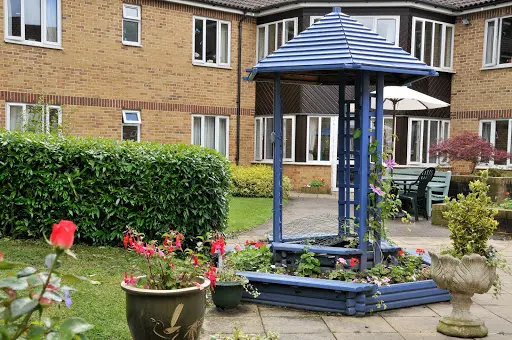
The home has been thoughtfully refurbished, creating spaces that feel both comfortable and homely. Cleanliness stands out to visitors, with well-maintained areas throughout. The environment encourages residents to engage with their surroundings, offering different spaces for different moods and activities.
“Every family's journey is different, and finding the right fit matters deeply. A visit here will help you sense whether this could be the right place for your loved one.”
DCC does not edit or curate content in this tab. For independently curated information, see The Evidence and DCC Verdict.