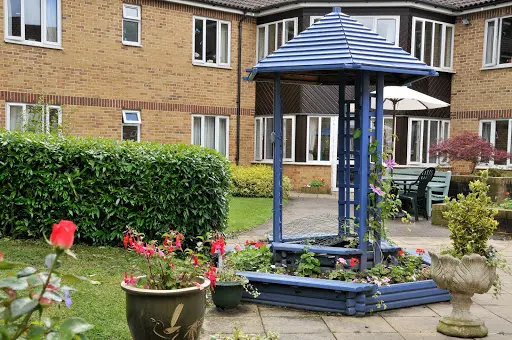
Stanborough Lodge
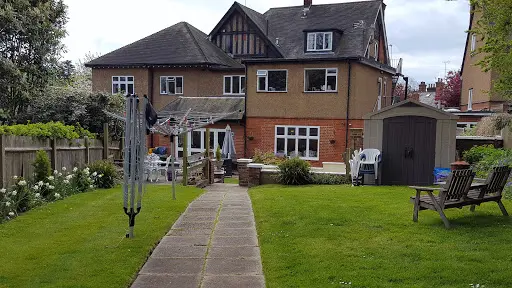
At a Glance
The information you need to decide whether this home warrants a closer look.
Residential homes
Staff warmth score
of reviewers answered yes
Good to know
- Registered beds25
- SpecialismsCaring for adults over 65 yrs, Dementia
- Last inspected2019-03-05
Save Stanborough Lodge to your shortlist
Keep a running list, add visit notes, and compare homes side-by-side. Free account — it takes a minute.
STAGE 4 — RESEARCHING CARE HOMES
Visit homes. Compare them side by side. Choose with confidence.
Most of us will view care homes the way we view houses, impression, atmosphere, the feeling in the corridor. We go home, try to remember what we saw, and make a permanent decision from a blurred memory.

The DCC shortlist gives every home you visit a structured record: the same twelve questions, answered the same way, every time. When you’re ready to choose, pull any two homes side by side and compare them directly. Same criteria, same evidence, your notes and your scores.
The Evidence
What the review data, the inspection reports, and the dementia-care evidence base tell us about this home.
What families say
Families talk about how engaged their relatives are here — not just occupied, but genuinely stimulated through the day. There's a real focus on keeping residents active, both mentally and physically, with activities that match what each person can manage and enjoy.
The eight family priority themes
- Staff warmth55
- Compassion & dignity55
- Cleanliness60
- Activities & engagement50
- Food quality50
- Healthcare55
- Management & leadership65
- Resident happiness55
What inspectors found
Inspected 2019-03-05
Is this home safe?
Is the care effective?
The home was rated Good for effectiveness at its February 2022 inspection. The published findings do not describe the content of care plans, the frequency of GP access, staff training records, or how food and nutrition are managed. The home lists dementia as a specialism, but no specific detail about dementia care approaches is included in the available text. No concerns were raised in this domain.Is this home caring?
The home was rated Good for caring at its February 2022 inspection. The published findings do not include inspector observations of staff interactions, descriptions of how staff address residents, or testimony from residents or families about the atmosphere. No concerns were raised. The caring rating is the highest-weighted factor in our family review data, but the available evidence here is limited to the rating itself.Is the home responsive?
The home was rated Good for responsiveness at its February 2022 inspection. The published findings do not describe the activity programme, how individual preferences are incorporated into daily life, or what provision exists for residents who cannot join group activities. No concerns were raised in this domain. The home's dementia specialism implies some tailoring of activities, but no specific detail is available.Is the home well-led?
The home was rated Good for well-led at its February 2022 inspection, having previously been rated Requires Improvement. A named registered manager, Mrs Joanna Tolentino Laus, and a nominated individual, Mr Riyaz Mohamed Merali, are recorded. The published findings do not describe management culture, staff satisfaction, complaint handling, or governance processes in any specific detail. The improvement from the previous rating suggests that leadership issues identified earlier have been addressed.
Source: CQC inspection report →
What the evidence base says
The home specialises in dementia care for people over 65. They've built their approach around understanding how dementia affects each person differently. Families particularly value how the trained staff handle the complexities of dementia with real confidence. Several mention their relatives' conditions staying stable here, which brings huge relief when you're watching someone you love navigate this difficult journey. All areas worth probing directly during a visit.
The DCC Verdict
Our editorial view, built from the three lenses: what families tell us, what inspectors record, and how the home sits against good dementia-care practice.
DCC Family Score
Stanborough Lodge achieved Good across all five inspection domains, a meaningful improvement from its previous Requires Improvement rating. However, the published inspection text contains very little specific detail, so scores reflect confirmed ratings rather than rich observed evidence.
Homes in East typically score 68–82.The three-lens summary
What families tell us
Families talk about how engaged their relatives are here — not just occupied, but genuinely stimulated through the day. There's a real focus on keeping residents active, both mentally and physically, with activities that match what each person can manage and enjoy.
What inspectors have recorded
What stands out is how well the team knows each resident. Families mention the same carers being there year after year, which means they really understand everyone's individual needs and preferences. The manager keeps things running smoothly, staying visible and approachable for families who need that connection.
How it sits against good practice
For families living far away or unable to visit often, knowing their relative is genuinely cared for here brings real comfort.
Worth a visit
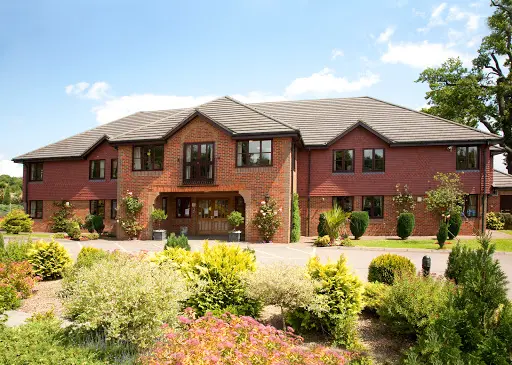
Stanborough Lodge, on Great North Road in Welwyn Garden City, was rated Good across all five inspection domains at its most recent inspection in February 2022. This is a meaningful result: the home had previously been rated Requires Improvement, and achieving Good in every domain represents a genuine step forward. A monitoring review in July 2023 found no evidence to change that rating. The home is registered to care for up to 25 people over 65, including those living with dementia. The main limitation here is that the published inspection findings are very brief and contain almost no specific detail about what inspectors actually observed. There are no quotes from your parent's potential neighbours, no descriptions of mealtimes or activities, and no detail on staffing levels or night cover. A Good rating tells you the home met the standard; it does not tell you what living there feels like day to day. Before you decide, visit in person, ideally at a mealtime or during an activity session, speak to the registered manager about night staffing ratios and agency use, and ask to see a care plan so you understand how individual preferences are recorded and reviewed.
The three questions to ask when you visitSave this home. Compare it against your shortlist.
Let our analysis show you how Stanborough Lodge measures up against the other homes you’re considering. Free account.
In Their Own Words
How Stanborough Lodge describes itself — collected from its own website. DCC has not edited or independently verified the content in this tab.
Families find reassurance in personalised dementia care that really understands
Stanborough Lodge – Your Trusted residential home
When dementia changes everything, finding the right care feels overwhelming. Stanborough Lodge in Welwyn Garden City has become a trusted choice for families who need that extra reassurance. The smaller scale here means residents get to know the team properly, and that familiarity seems to make all the difference.
Who they care for
The home specialises in dementia care for people over 65. They've built their approach around understanding how dementia affects each person differently.
Families particularly value how the trained staff handle the complexities of dementia with real confidence. Several mention their relatives' conditions staying stable here, which brings huge relief when you're watching someone you love navigate this difficult journey.
“For families living far away or unable to visit often, knowing their relative is genuinely cared for here brings real comfort.”
DCC does not edit or curate content in this tab. For independently curated information, see The Evidence and DCC Verdict.
The DCC Verdict
Our editorial view, built from the three lenses: what families tell us, what inspectors record, and how the home sits against good dementia-care practice.
DCC Family Score
Stanborough Lodge achieved Good across all five inspection domains, a meaningful improvement from its previous Requires Improvement rating. However, the published inspection text contains very little specific detail, so scores reflect confirmed ratings rather than rich observed evidence.
Homes in East typically score 68–82.The three-lens summary
What families tell us
Families talk about how engaged their relatives are here — not just occupied, but genuinely stimulated through the day. There's a real focus on keeping residents active, both mentally and physically, with activities that match what each person can manage and enjoy.
What inspectors have recorded
What stands out is how well the team knows each resident. Families mention the same carers being there year after year, which means they really understand everyone's individual needs and preferences. The manager keeps things running smoothly, staying visible and approachable for families who need that connection.
How it sits against good practice
For families living far away or unable to visit often, knowing their relative is genuinely cared for here brings real comfort.
Worth a visit
Stanborough Lodge, on Great North Road in Welwyn Garden City, was rated Good across all five inspection domains at its most recent inspection in February 2022. This is a meaningful result: the home had previously been rated Requires Improvement, and achieving Good in every domain represents a genuine step forward. A monitoring review in July 2023 found no evidence to change that rating. The home is registered to care for up to 25 people over 65, including those living with dementia. The main limitation here is that the published inspection findings are very brief and contain almost no specific detail about what inspectors actually observed. There are no quotes from your parent's potential neighbours, no descriptions of mealtimes or activities, and no detail on staffing levels or night cover. A Good rating tells you the home met the standard; it does not tell you what living there feels like day to day. Before you decide, visit in person, ideally at a mealtime or during an activity session, speak to the registered manager about night staffing ratios and agency use, and ask to see a care plan so you understand how individual preferences are recorded and reviewed.
The three questions to ask when you visitSave this home. Compare it against your shortlist.
Let our analysis show you how Stanborough Lodge measures up against the other homes you’re considering. Free account.
In Their Own Words
How Stanborough Lodge describes itself — collected from its own website. DCC has not edited or independently verified the content in this tab.
Families find reassurance in personalised dementia care that really understands
Stanborough Lodge – Your Trusted residential home
When dementia changes everything, finding the right care feels overwhelming. Stanborough Lodge in Welwyn Garden City has become a trusted choice for families who need that extra reassurance. The smaller scale here means residents get to know the team properly, and that familiarity seems to make all the difference.
Who they care for
The home specialises in dementia care for people over 65. They've built their approach around understanding how dementia affects each person differently.
Families particularly value how the trained staff handle the complexities of dementia with real confidence. Several mention their relatives' conditions staying stable here, which brings huge relief when you're watching someone you love navigate this difficult journey.
Management & ethos
What stands out is how well the team knows each resident. Families mention the same carers being there year after year, which means they really understand everyone's individual needs and preferences. The manager keeps things running smoothly, staying visible and approachable for families who need that connection.
The home & environment
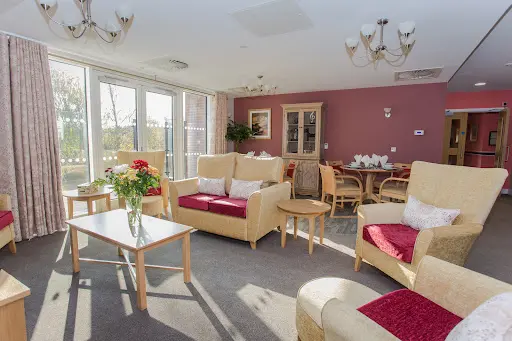
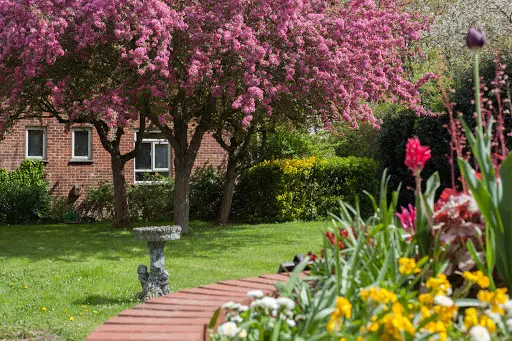
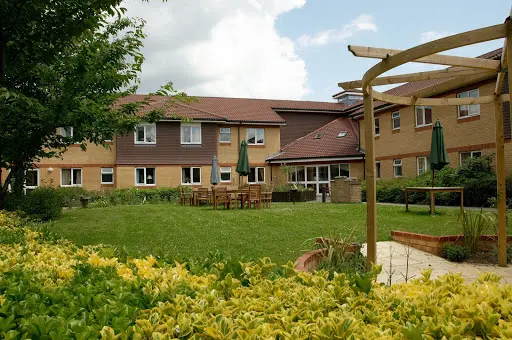
The home stays bright and spotless, with recent updates to furniture and flooring keeping everything fresh. While it's not the largest facility around, families actually prefer the cosier feel — it's less institutional, more welcoming. The conservatory gives everyone a pleasant space to enjoy.
“For families living far away or unable to visit often, knowing their relative is genuinely cared for here brings real comfort.”
DCC does not edit or curate content in this tab. For independently curated information, see The Evidence and DCC Verdict.