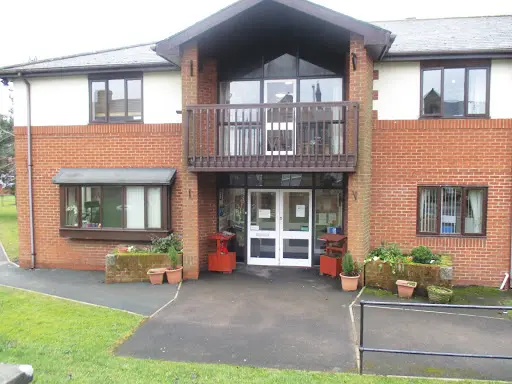
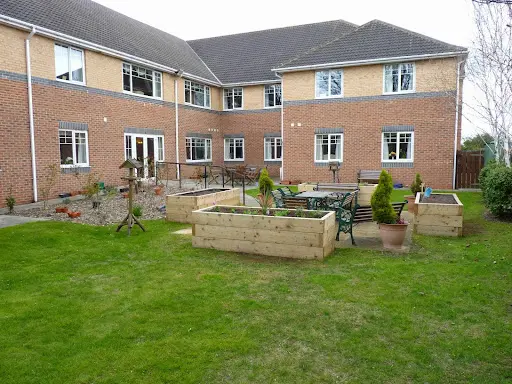
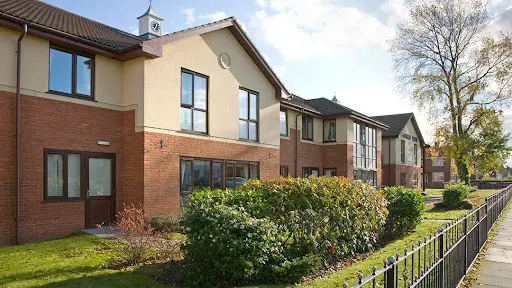
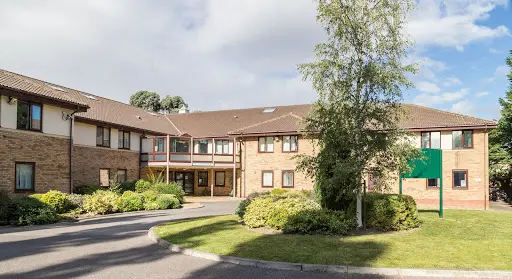
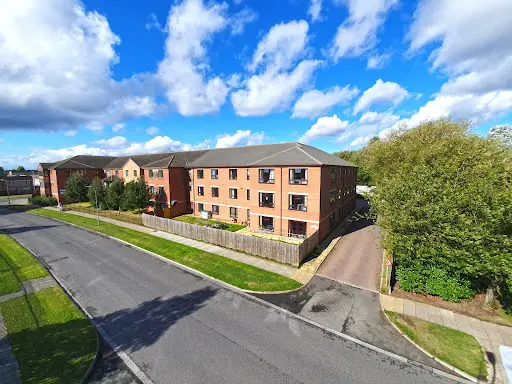
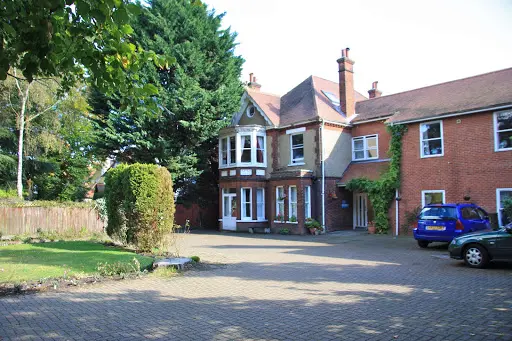
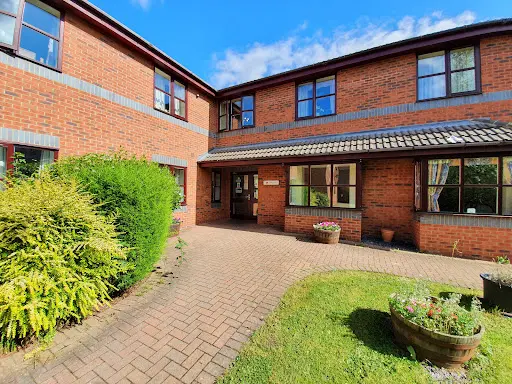
St Aidan Lodge Residential Care Home
At a Glance
The information you need to decide whether this home warrants a closer look.
Residential homes
Staff warmth score
of reviewers answered yes
Good to know
- Registered beds62
- SpecialismsCaring for adults over 65 yrs, Dementia
- Last inspected2018-12-19
Save St Aidan Lodge Residential Care Home to your shortlist
Keep a running list, add visit notes, and compare homes side-by-side. Free account — it takes a minute.
STAGE 4 — RESEARCHING CARE HOMES
Visit homes. Compare them side by side. Choose with confidence.
Most of us will view care homes the way we view houses, impression, atmosphere, the feeling in the corridor. We go home, try to remember what we saw, and make a permanent decision from a blurred memory.

The DCC shortlist gives every home you visit a structured record: the same twelve questions, answered the same way, every time. When you’re ready to choose, pull any two homes side by side and compare them directly. Same criteria, same evidence, your notes and your scores.
The Evidence
What the review data, the inspection reports, and the dementia-care evidence base tell us about this home.
What families say
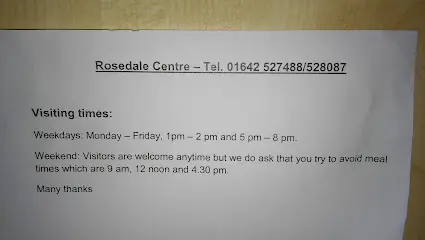
Families talk about being welcomed whenever they want to visit, with no restrictions on when they can see their loved ones. There's a warmth that extends from the care team to the kitchen staff, even to those handling laundry — everyone seems to understand their role in creating a comfortable environment.
The eight family priority themes
- Staff warmth52
- Compassion & dignity52
- Cleanliness52
- Activities & engagement50
- Food quality50
- Healthcare50
- Management & leadership55
- Resident happiness52
What inspectors found
Inspected 2018-12-19
Is this home safe?
Is the care effective?
The Effective domain was rated Good. This covers care planning, dementia-specific training, nutrition and hydration, and access to healthcare professionals. Dementia is a listed specialism, which means inspectors will have considered whether staff training and care approaches are appropriate for people living with dementia. No specific training completion rates, care plan examples, or healthcare access arrangements are reproduced in the available report text.Is this home caring?
The Caring domain was rated Good. This is the domain that most directly reflects whether staff are kind, respectful, and treat your parent as an individual. A Good rating means inspectors were satisfied with the quality of interactions and that dignity and privacy were being maintained. No direct quotes from residents or relatives and no specific observations of care interactions are reproduced in the available published text.Is the home responsive?
The Responsive domain was rated Good. This covers whether the home tailors its care to individual needs, provides meaningful activities, and handles complaints effectively. It also covers end-of-life planning. Dementia is a specialism, so inspectors will have considered whether engagement and activities are appropriate for people at different stages of the condition. No specific activity examples, individual engagement observations, or complaint handling details are reproduced in the available text.Is the home well-led?
The Well-led domain was rated Good. The registered manager is named as Ms Claire Louise McArdle, with Mrs Susan Maredia as nominated individual and the provider listed as Ideal Care (North) Limited. A regulatory monitoring review in July 2023 found no evidence requiring reassessment of the overall Good rating. No information about management tenure, staff culture, governance processes, or how the home responds to feedback is reproduced in the available text.
Source: CQC inspection report →
What the evidence base says
The home provides residential care for adults over 65, with particular experience in dementia care. Families have shared how residents with advancing dementia receive patient, consistent support here. The approach seems to adapt naturally as needs change, maintaining that same steady kindness throughout. All areas worth probing directly during a visit.
The DCC Verdict
Our editorial view, built from the three lenses: what families tell us, what inspectors record, and how the home sits against good dementia-care practice.
DCC Family Score
St Aidan Lodge holds a Good rating across all five inspection domains, but the available published text contains almost no specific observations, quotes, or detailed evidence — so scores reflect a confirmed Good baseline without the depth of detail that would push them higher.
Homes in North East typically score 68–82.The three-lens summary
What families tell us
Families talk about being welcomed whenever they want to visit, with no restrictions on when they can see their loved ones. There's a warmth that extends from the care team to the kitchen staff, even to those handling laundry — everyone seems to understand their role in creating a comfortable environment.
What inspectors have recorded
How it sits against good practice
The genuine affection between residents and staff — something you can't manufacture — suggests this is a place where care runs deeper than routine.
Worth a visit
St Aidan Lodge Residential Care Home on Front Street, Durham was rated Good across all five inspection domains at its last full inspection in December 2018, with that rating confirmed as standing following a regulatory review in July 2023. The home is registered for 62 beds and specialises in dementia care and residential care for adults over 65. The Good rating across Safe, Effective, Caring, Responsive, and Well-led indicates that inspectors found no significant concerns in any area, and the 2023 monitoring review found no evidence to require reassessment. The important caveat for your family is that the last full on-site inspection took place in December 2018 — over six years ago at the time of writing — and the published report text available to us contains almost no specific observations, quotes from residents or relatives, or detailed evidence. A Good rating is reassuring, but it tells you the floor, not the ceiling. When you visit, pay close attention to whether staff know your parent by name and personal history, ask directly about dementia-specific training content, night staffing ratios, and how families are kept informed about changes in care. Request to see an up-to-date care plan and ask how recently it was reviewed.
The three questions to ask when you visitSave this home. Compare it against your shortlist.
Let our analysis show you how St Aidan Lodge Residential Care Home measures up against the other homes you’re considering. Free account.
In Their Own Words
How St Aidan Lodge Residential Care Home describes itself — collected from its own website. DCC has not edited or independently verified the content in this tab.
Where kindness shapes every day in Durham
St Aidan Lodge Residential Care Home – Your Trusted residential home
When families describe years of consistent care, it tells you something real about a place. St Aidan Lodge Residential Care Home in Durham has been home to residents for extended periods — some for two years, others for five or six. That kind of stability speaks volumes about the daily experience here.
Who they care for
The home provides residential care for adults over 65, with particular experience in dementia care.
Families have shared how residents with advancing dementia receive patient, consistent support here. The approach seems to adapt naturally as needs change, maintaining that same steady kindness throughout.
“The genuine affection between residents and staff — something you can't manufacture — suggests this is a place where care runs deeper than routine.”
DCC does not edit or curate content in this tab. For independently curated information, see The Evidence and DCC Verdict.
The DCC Verdict
Our editorial view, built from the three lenses: what families tell us, what inspectors record, and how the home sits against good dementia-care practice.
DCC Family Score
St Aidan Lodge holds a Good rating across all five inspection domains, but the available published text contains almost no specific observations, quotes, or detailed evidence — so scores reflect a confirmed Good baseline without the depth of detail that would push them higher.
Homes in North East typically score 68–82.The three-lens summary
What families tell us
Families talk about being welcomed whenever they want to visit, with no restrictions on when they can see their loved ones. There's a warmth that extends from the care team to the kitchen staff, even to those handling laundry — everyone seems to understand their role in creating a comfortable environment.
What inspectors have recorded
How it sits against good practice
The genuine affection between residents and staff — something you can't manufacture — suggests this is a place where care runs deeper than routine.
Worth a visit
St Aidan Lodge Residential Care Home on Front Street, Durham was rated Good across all five inspection domains at its last full inspection in December 2018, with that rating confirmed as standing following a regulatory review in July 2023. The home is registered for 62 beds and specialises in dementia care and residential care for adults over 65. The Good rating across Safe, Effective, Caring, Responsive, and Well-led indicates that inspectors found no significant concerns in any area, and the 2023 monitoring review found no evidence to require reassessment. The important caveat for your family is that the last full on-site inspection took place in December 2018 — over six years ago at the time of writing — and the published report text available to us contains almost no specific observations, quotes from residents or relatives, or detailed evidence. A Good rating is reassuring, but it tells you the floor, not the ceiling. When you visit, pay close attention to whether staff know your parent by name and personal history, ask directly about dementia-specific training content, night staffing ratios, and how families are kept informed about changes in care. Request to see an up-to-date care plan and ask how recently it was reviewed.
The three questions to ask when you visitSave this home. Compare it against your shortlist.
Let our analysis show you how St Aidan Lodge Residential Care Home measures up against the other homes you’re considering. Free account.
In Their Own Words
How St Aidan Lodge Residential Care Home describes itself — collected from its own website. DCC has not edited or independently verified the content in this tab.
Where kindness shapes every day in Durham
St Aidan Lodge Residential Care Home – Your Trusted residential home
When families describe years of consistent care, it tells you something real about a place. St Aidan Lodge Residential Care Home in Durham has been home to residents for extended periods — some for two years, others for five or six. That kind of stability speaks volumes about the daily experience here.
Who they care for
The home provides residential care for adults over 65, with particular experience in dementia care.
Families have shared how residents with advancing dementia receive patient, consistent support here. The approach seems to adapt naturally as needs change, maintaining that same steady kindness throughout.
The home & environment
The attention to cleanliness comes through clearly in family accounts. Rooms are kept fresh and tidy, and personal belongings are treated with respect — those small touches that help a room feel like someone's own space.
“The genuine affection between residents and staff — something you can't manufacture — suggests this is a place where care runs deeper than routine.”
DCC does not edit or curate content in this tab. For independently curated information, see The Evidence and DCC Verdict.