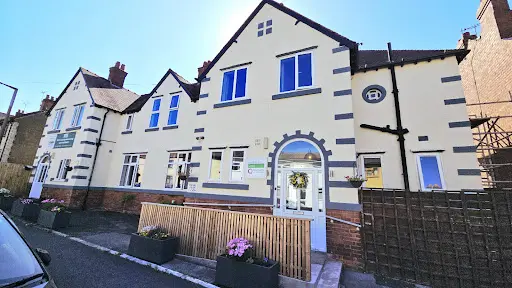
Royal Manor Nursing Home

At a Glance
The information you need to decide whether this home warrants a closer look.
Nursing homes
Staff warmth score
of reviewers answered yes
Good to know
- Registered beds30
- SpecialismsCaring for adults over 65 yrs, Caring for adults under 65 yrs, Dementia, Mental health conditions, Physical disabilities, Sensory impairment
- Last inspected2023-07-22
Save Royal Manor Nursing Home to your shortlist
Keep a running list, add visit notes, and compare homes side-by-side. Free account — it takes a minute.
STAGE 4 — RESEARCHING CARE HOMES
Visit homes. Compare them side by side. Choose with confidence.
Most of us will view care homes the way we view houses, impression, atmosphere, the feeling in the corridor. We go home, try to remember what we saw, and make a permanent decision from a blurred memory.

The DCC shortlist gives every home you visit a structured record: the same twelve questions, answered the same way, every time. When you’re ready to choose, pull any two homes side by side and compare them directly. Same criteria, same evidence, your notes and your scores.
The Evidence
What the review data, the inspection reports, and the dementia-care evidence base tell us about this home.
What families say
Families describe how staff focus on keeping residents comfortable and content throughout their stay. The care team's consistent attentiveness helps create a stable environment where people feel looked after.
The eight family priority themes
- Staff warmth72
- Compassion & dignity72
- Cleanliness70
- Activities & engagement60
- Food quality60
- Healthcare70
- Management & leadership74
- Resident happiness68
What inspectors found
Inspected 2023-07-22
Is this home safe?
Is the care effective?
The home was rated Good for effectiveness at its May 2024 inspection. The home is listed as providing nursing care and treatment of disease, disorder, or injury, indicating that clinical skills are available on site. Beyond the headline rating, the published inspection text does not describe how care plans are written or reviewed, how frequently residents see a GP, what dementia training staff have received, or how food and nutrition are managed. The previous Requires Improvement rating will have covered effectiveness, and the improvement to Good suggests the home has made progress in this area.Is this home caring?
The home was rated Good for caring at its May 2024 inspection. This domain covers staff warmth, dignity, respect, and whether residents are supported to maintain their independence. The published findings do not include specific observations about how staff interact with residents, whether residents are addressed by their preferred names, or how privacy is protected during personal care. Staff warmth is the single biggest driver of positive family reviews in our data (57.3%), and compassion and dignity account for 55.2%, making this the domain where families most want specific evidence.Is the home responsive?
The home was rated Good for responsiveness at its May 2024 inspection. This domain covers whether the home tailors care to individual needs, offers meaningful activities, and plans appropriately for end of life. The published findings do not describe the activities programme, whether one-to-one engagement is available for residents who cannot join groups, how individual preferences are recorded and acted on, or whether advance care plans are in place. The home's mix of specialisms, covering dementia, mental health conditions, and physical disabilities, means individual needs will vary significantly across the 30 beds.Is the home well-led?
The home was rated Good for well-led at its May 2024 inspection. Mrs Rhodora Gabriana Mina is the registered manager and Mr Suresh Sudera is the nominated individual, providing a named leadership structure. The improvement from Requires Improvement to Good across all domains suggests that the current leadership has been effective in driving change. The published findings do not describe how long the registered manager has been in post, how the home handles complaints, whether staff feel able to raise concerns, or how governance and quality monitoring are carried out day to day.
Source: CQC inspection report →
What the evidence base says
The home provides nursing care for adults of all ages, including those with sensory impairments, physical disabilities, and mental health conditions. They also support people living with dementia. Royal Manor's dementia care forms part of their broader nursing provision, supporting residents with varying cognitive needs alongside their physical health requirements. All areas worth probing directly during a visit.
The DCC Verdict
Our editorial view, built from the three lenses: what families tell us, what inspectors record, and how the home sits against good dementia-care practice.
DCC Family Score
Royal Manor Nursing Home scored 72 out of 100, reflecting a solid Good rating across all five inspection domains and a meaningful improvement from its previous Requires Improvement rating. The score is held back by limited specific detail in the published findings, meaning several important areas for families cannot be independently verified from the inspection text alone.
Homes in East Midlands typically score 68–82.The three-lens summary
What families tell us
Families describe how staff focus on keeping residents comfortable and content throughout their stay. The care team's consistent attentiveness helps create a stable environment where people feel looked after.
What inspectors have recorded
The nursing and care teams show genuine commitment to resident wellbeing, with families noting how staff maintain care quality regardless of management changes. Some families have raised concerns about communication practices that deserve careful consideration when choosing care.
How it sits against good practice
Understanding what a home can genuinely provide for your loved one's specific needs takes careful conversation and perhaps a visit to see their approach firsthand.
Worth a visit
Royal Manor Nursing Home, at 346 Uttoxeter New Road in Derby, was rated Good across all five inspection domains at its most recent assessment in May 2024, with the report published in July 2024. This is a meaningful step forward: the home had previously been rated Requires Improvement, and achieving Good across every domain indicates that the leadership team has addressed the concerns that were raised. The home is a 30-bed nursing home caring for people over and under 65, including people living with dementia, people with mental health conditions, and people with physical disabilities and sensory impairments. The main difficulty for families researching this home is that the published inspection findings contain very limited specific detail. Almost all 21 items on the DCC evidence checklist could not be verified from the inspection text, including staffing levels, dementia-specific practice, food quality, activities, and how the home communicates with families. A Good rating is genuinely reassuring, but it is not a substitute for a thorough visit. When you go, ask to see last week's actual staffing rota (not a template), ask how many permanent staff work the night shift, and spend time observing how staff speak to residents in corridors and communal areas. The improvement from Requires Improvement is a positive signal; the gaps in published detail mean you will need to do some of the verification yourself.
The three questions to ask when you visitSave this home. Compare it against your shortlist.
Let our analysis show you how Royal Manor Nursing Home measures up against the other homes you’re considering. Free account.
In Their Own Words
How Royal Manor Nursing Home describes itself — collected from its own website. DCC has not edited or independently verified the content in this tab.
Consistent nursing care supports residents through complex health journeys
Royal Manor Nursing Home – Expert Care in Derby
When health needs become complex, finding the right support matters deeply. Royal Manor Nursing Home in Derby provides nursing care for people with various conditions, from physical disabilities to mental health needs. The home maintains steady care standards that families have come to rely on, even as leadership has changed over the years.
Who they care for
The home provides nursing care for adults of all ages, including those with sensory impairments, physical disabilities, and mental health conditions. They also support people living with dementia.
Royal Manor's dementia care forms part of their broader nursing provision, supporting residents with varying cognitive needs alongside their physical health requirements.
“Understanding what a home can genuinely provide for your loved one's specific needs takes careful conversation and perhaps a visit to see their approach firsthand.”
DCC does not edit or curate content in this tab. For independently curated information, see The Evidence and DCC Verdict.
The DCC Verdict
Our editorial view, built from the three lenses: what families tell us, what inspectors record, and how the home sits against good dementia-care practice.
DCC Family Score
Royal Manor Nursing Home scored 72 out of 100, reflecting a solid Good rating across all five inspection domains and a meaningful improvement from its previous Requires Improvement rating. The score is held back by limited specific detail in the published findings, meaning several important areas for families cannot be independently verified from the inspection text alone.
Homes in East Midlands typically score 68–82.The three-lens summary
What families tell us
Families describe how staff focus on keeping residents comfortable and content throughout their stay. The care team's consistent attentiveness helps create a stable environment where people feel looked after.
What inspectors have recorded
The nursing and care teams show genuine commitment to resident wellbeing, with families noting how staff maintain care quality regardless of management changes. Some families have raised concerns about communication practices that deserve careful consideration when choosing care.
How it sits against good practice
Understanding what a home can genuinely provide for your loved one's specific needs takes careful conversation and perhaps a visit to see their approach firsthand.
Worth a visit
Royal Manor Nursing Home, at 346 Uttoxeter New Road in Derby, was rated Good across all five inspection domains at its most recent assessment in May 2024, with the report published in July 2024. This is a meaningful step forward: the home had previously been rated Requires Improvement, and achieving Good across every domain indicates that the leadership team has addressed the concerns that were raised. The home is a 30-bed nursing home caring for people over and under 65, including people living with dementia, people with mental health conditions, and people with physical disabilities and sensory impairments. The main difficulty for families researching this home is that the published inspection findings contain very limited specific detail. Almost all 21 items on the DCC evidence checklist could not be verified from the inspection text, including staffing levels, dementia-specific practice, food quality, activities, and how the home communicates with families. A Good rating is genuinely reassuring, but it is not a substitute for a thorough visit. When you go, ask to see last week's actual staffing rota (not a template), ask how many permanent staff work the night shift, and spend time observing how staff speak to residents in corridors and communal areas. The improvement from Requires Improvement is a positive signal; the gaps in published detail mean you will need to do some of the verification yourself.
The three questions to ask when you visitSave this home. Compare it against your shortlist.
Let our analysis show you how Royal Manor Nursing Home measures up against the other homes you’re considering. Free account.
In Their Own Words
How Royal Manor Nursing Home describes itself — collected from its own website. DCC has not edited or independently verified the content in this tab.
Consistent nursing care supports residents through complex health journeys
Royal Manor Nursing Home – Expert Care in Derby
When health needs become complex, finding the right support matters deeply. Royal Manor Nursing Home in Derby provides nursing care for people with various conditions, from physical disabilities to mental health needs. The home maintains steady care standards that families have come to rely on, even as leadership has changed over the years.
Who they care for
The home provides nursing care for adults of all ages, including those with sensory impairments, physical disabilities, and mental health conditions. They also support people living with dementia.
Royal Manor's dementia care forms part of their broader nursing provision, supporting residents with varying cognitive needs alongside their physical health requirements.
Management & ethos
The nursing and care teams show genuine commitment to resident wellbeing, with families noting how staff maintain care quality regardless of management changes. Some families have raised concerns about communication practices that deserve careful consideration when choosing care.
The home & environment
The home maintains clean living spaces throughout the building. While specific facility details vary by resident experience, cleanliness standards remain consistent.
“Understanding what a home can genuinely provide for your loved one's specific needs takes careful conversation and perhaps a visit to see their approach firsthand.”
DCC does not edit or curate content in this tab. For independently curated information, see The Evidence and DCC Verdict.