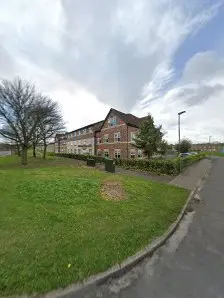
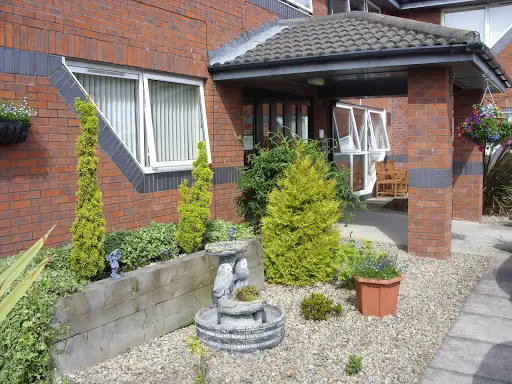
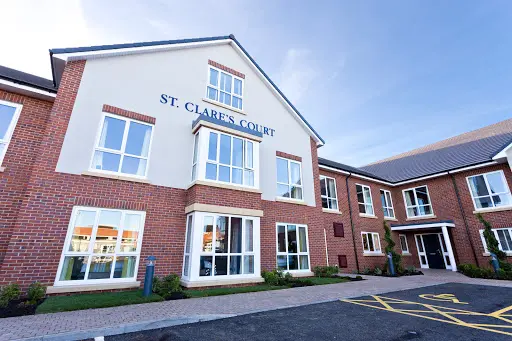
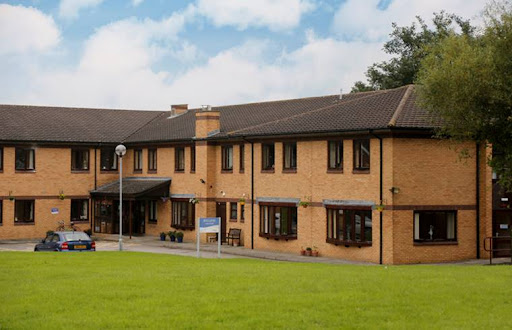
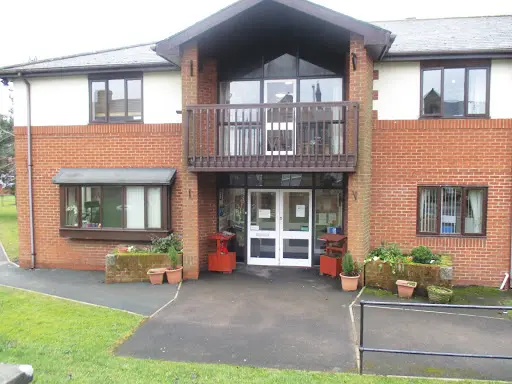
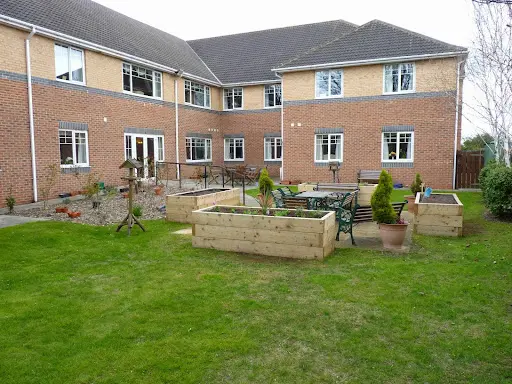
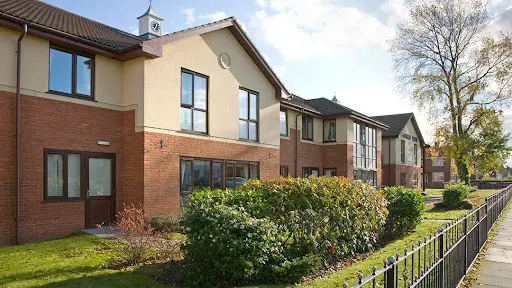
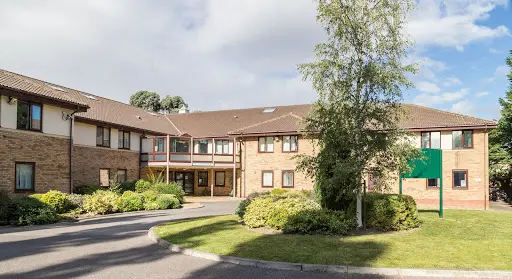
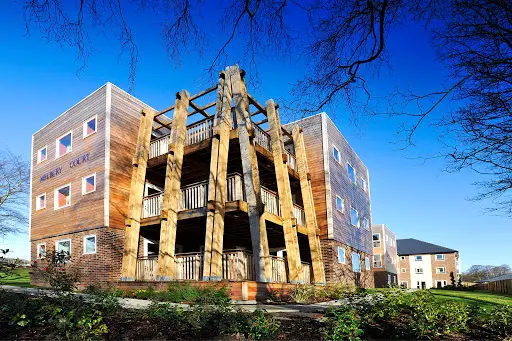
Rose Lodge Care Home

At a Glance
The information you need to decide whether this home warrants a closer look.
Residential homes
Staff warmth score
of reviewers answered yes
Good to know
- Registered beds54
- SpecialismsCaring for adults over 65 yrs, Dementia
- Last inspected2020-12-19
Save Rose Lodge Care Home to your shortlist
Keep a running list, add visit notes, and compare homes side-by-side. Free account — it takes a minute.
STAGE 4 — RESEARCHING CARE HOMES
Visit homes. Compare them side by side. Choose with confidence.
Most of us will view care homes the way we view houses, impression, atmosphere, the feeling in the corridor. We go home, try to remember what we saw, and make a permanent decision from a blurred memory.

The DCC shortlist gives every home you visit a structured record: the same twelve questions, answered the same way, every time. When you’re ready to choose, pull any two homes side by side and compare them directly. Same criteria, same evidence, your notes and your scores.
The Evidence
What the review data, the inspection reports, and the dementia-care evidence base tell us about this home.
What families say
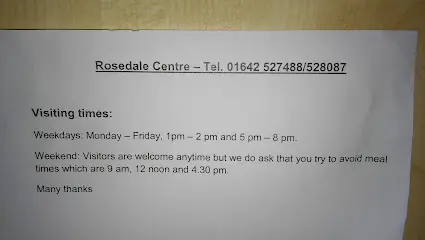
Families describe an atmosphere where they can visit whenever they want and feel truly included in their loved one's care. The sense of acceptance extends to residents too, with staff working together to ensure everyone feels supported and valued.
The eight family priority themes
- Staff warmth65
- Compassion & dignity65
- Cleanliness55
- Activities & engagement55
- Food quality55
- Healthcare55
- Management & leadership45
- Resident happiness60
What inspectors found
Inspected 2020-12-19
Is this home safe?
Is the care effective?
Effective was rated Good at the September 2025 inspection. This domain covers training, care planning, healthcare access, and food quality. A Good rating indicates that inspectors were broadly satisfied with how well the home assesses and meets residents' needs. However, the published summary does not include specific observations about care plan content, GP access frequency, dementia training levels, or food provision, so it is not possible to describe what Good looks like in practice at Rose Lodge beyond the headline rating.Is this home caring?
Caring was rated Good at the September 2025 inspection. This domain covers staff warmth, dignity, respect, privacy, and independence. A Good rating indicates that inspectors were satisfied with the quality of interactions between staff and residents. No direct observations, resident quotes, or relative testimonies are recorded in the available published summary, so it is not possible to give you specific examples of what caring interactions look like at Rose Lodge.Is the home responsive?
Responsive was rated Good at the September 2025 inspection. This domain covers activities, individual engagement, responsiveness to preferences, and end-of-life care. A Good rating indicates that inspectors were satisfied with how well the home responds to residents as individuals. The published summary does not describe specific activities, name an activities coordinator, or provide detail about how end-of-life care is planned. The home specialises in dementia care, which makes meaningful individual engagement particularly important.Is the home well-led?
Well-led was rated Requires Improvement at the September 2025 inspection. This is a current, unresolved concern alongside the Safe rating. Well-led covers management visibility, staff culture, governance, audit processes, and accountability. A Requires Improvement rating means inspectors found that leadership fell short of the required standard. The published summary does not specify which aspects of leadership were found to be inadequate, so the precise nature of the concern is not publicly detailed. Rose Lodge is operated by MMCG (CCH) (2) Limited, with Mrs Jill Veitch as the nominated individual.
Source: CQC inspection report →
What the evidence base says
The home specialises in dementia care for adults over 65, with staff who understand the importance of preserving dignity as cognitive abilities change. Staff actively encourage residents to retain whatever independence they can, recognising that small choices and daily autonomy matter enormously to someone living with dementia. The team works together to create consistent routines that help residents feel secure. All areas worth probing directly during a visit.
The DCC Verdict
Our editorial view, built from the three lenses: what families tell us, what inspectors record, and how the home sits against good dementia-care practice.
DCC Family Score
Rose Lodge scores in the mid-range because the inspection awarded Good in three domains but Requires Improvement in both Safe and Well-led, and the published report text contains very little specific observational detail to draw on across any theme.
Homes in North East typically score 68–82.The three-lens summary
What families tell us
Families describe an atmosphere where they can visit whenever they want and feel truly included in their loved one's care. The sense of acceptance extends to residents too, with staff working together to ensure everyone feels supported and valued.
What inspectors have recorded
The care team shows real cohesion in their daily work, with different departments collaborating to keep residents safe and comfortable. While routine care appears consistent, there have been concerns about monitoring during acute illness that families should discuss when visiting.
How it sits against good practice
If you're considering Rose Lodge, spending time with the team will give you the clearest picture of their approach to dementia care.
Worth a visit
Rose Lodge, on Carers Way in Newton Aycliffe, was assessed in September 2025 and rated Good overall, with Good in Effective, Caring, and Responsive. This is a meaningful improvement from a previous Requires Improvement rating, which suggests the home has made real progress. However, two domains, Safe and Well-led, were rated Requires Improvement at this most recent inspection, which means there are current, confirmed concerns about both safety and leadership that have not yet been resolved. The published inspection summary available at the time of this report contains very little specific observational detail, which makes it difficult to give you a confident picture of day-to-day life for your parent. The Requires Improvement ratings in Safe and Well-led are the most important things to probe before making a decision. Ask the manager to explain exactly what the inspectors identified as falling short, what has been done since September 2025 to address it, and when they expect to be re-inspected. Also ask to see the actual staffing rota from the past week, not a template, so you can count permanent versus agency staff on night shifts.
The three questions to ask when you visitSave this home. Compare it against your shortlist.
Let our analysis show you how Rose Lodge Care Home measures up against the other homes you’re considering. Free account.
In Their Own Words
How Rose Lodge Care Home describes itself — collected from its own website. DCC has not edited or independently verified the content in this tab.
Cohesive team creates dignity-focused dementia care in Newton Aycliffe
Rose Lodge – Your Trusted residential home
Rose Lodge in Newton Aycliffe brings together a collaborative team that works across departments to support residents with dementia. The home creates an environment where families feel genuinely welcomed to be part of daily life. Staff here focus on helping residents maintain their independence and self-respect, understanding how vital this is when memory fades.
Who they care for
The home specialises in dementia care for adults over 65, with staff who understand the importance of preserving dignity as cognitive abilities change.
Staff actively encourage residents to retain whatever independence they can, recognising that small choices and daily autonomy matter enormously to someone living with dementia. The team works together to create consistent routines that help residents feel secure.
“If you're considering Rose Lodge, spending time with the team will give you the clearest picture of their approach to dementia care.”
DCC does not edit or curate content in this tab. For independently curated information, see The Evidence and DCC Verdict.
The DCC Verdict
Our editorial view, built from the three lenses: what families tell us, what inspectors record, and how the home sits against good dementia-care practice.
DCC Family Score
Rose Lodge scores in the mid-range because the inspection awarded Good in three domains but Requires Improvement in both Safe and Well-led, and the published report text contains very little specific observational detail to draw on across any theme.
Homes in North East typically score 68–82.The three-lens summary
What families tell us
Families describe an atmosphere where they can visit whenever they want and feel truly included in their loved one's care. The sense of acceptance extends to residents too, with staff working together to ensure everyone feels supported and valued.
What inspectors have recorded
The care team shows real cohesion in their daily work, with different departments collaborating to keep residents safe and comfortable. While routine care appears consistent, there have been concerns about monitoring during acute illness that families should discuss when visiting.
How it sits against good practice
If you're considering Rose Lodge, spending time with the team will give you the clearest picture of their approach to dementia care.
Worth a visit
Rose Lodge, on Carers Way in Newton Aycliffe, was assessed in September 2025 and rated Good overall, with Good in Effective, Caring, and Responsive. This is a meaningful improvement from a previous Requires Improvement rating, which suggests the home has made real progress. However, two domains, Safe and Well-led, were rated Requires Improvement at this most recent inspection, which means there are current, confirmed concerns about both safety and leadership that have not yet been resolved. The published inspection summary available at the time of this report contains very little specific observational detail, which makes it difficult to give you a confident picture of day-to-day life for your parent. The Requires Improvement ratings in Safe and Well-led are the most important things to probe before making a decision. Ask the manager to explain exactly what the inspectors identified as falling short, what has been done since September 2025 to address it, and when they expect to be re-inspected. Also ask to see the actual staffing rota from the past week, not a template, so you can count permanent versus agency staff on night shifts.
The three questions to ask when you visitSave this home. Compare it against your shortlist.
Let our analysis show you how Rose Lodge Care Home measures up against the other homes you’re considering. Free account.
In Their Own Words
How Rose Lodge Care Home describes itself — collected from its own website. DCC has not edited or independently verified the content in this tab.
Cohesive team creates dignity-focused dementia care in Newton Aycliffe
Rose Lodge – Your Trusted residential home
Rose Lodge in Newton Aycliffe brings together a collaborative team that works across departments to support residents with dementia. The home creates an environment where families feel genuinely welcomed to be part of daily life. Staff here focus on helping residents maintain their independence and self-respect, understanding how vital this is when memory fades.
Who they care for
The home specialises in dementia care for adults over 65, with staff who understand the importance of preserving dignity as cognitive abilities change.
Staff actively encourage residents to retain whatever independence they can, recognising that small choices and daily autonomy matter enormously to someone living with dementia. The team works together to create consistent routines that help residents feel secure.
Management & ethos
The care team shows real cohesion in their daily work, with different departments collaborating to keep residents safe and comfortable. While routine care appears consistent, there have been concerns about monitoring during acute illness that families should discuss when visiting.
“If you're considering Rose Lodge, spending time with the team will give you the clearest picture of their approach to dementia care.”
DCC does not edit or curate content in this tab. For independently curated information, see The Evidence and DCC Verdict.