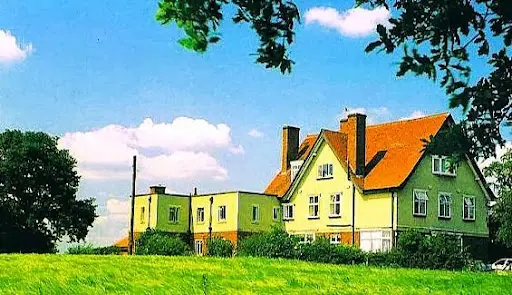
Morton Grange
At a Glance
The information you need to decide whether this home warrants a closer look.
Nursing homes
Staff warmth score
of reviewers answered yes
Good to know
- Registered beds66
- SpecialismsCaring for adults over 65 yrs, Caring for adults under 65 yrs, Dementia, Learning disabilities, Mental health conditions, Physical disabilities
- Last inspected2018-09-29
Save Morton Grange to your shortlist
Keep a running list, add visit notes, and compare homes side-by-side. Free account — it takes a minute.
STAGE 4 — RESEARCHING CARE HOMES
Visit homes. Compare them side by side. Choose with confidence.
Most of us will view care homes the way we view houses, impression, atmosphere, the feeling in the corridor. We go home, try to remember what we saw, and make a permanent decision from a blurred memory.

The DCC shortlist gives every home you visit a structured record: the same twelve questions, answered the same way, every time. When you’re ready to choose, pull any two homes side by side and compare them directly. Same criteria, same evidence, your notes and your scores.
The Evidence
What the review data, the inspection reports, and the dementia-care evidence base tell us about this home.
What families say
The kindness here seems to run deep. Relatives talk about staff who remember the small things that matter — favourite meals, special occasions, the little preferences that make someone feel seen. One resident mentions making real friendships and enjoying Thursday entertainment nights, suggesting this is a place where people genuinely settle in and find connection.
The eight family priority themes
- Staff warmth72
- Compassion & dignity74
- Cleanliness70
- Activities & engagement85
- Food quality62
- Healthcare70
- Management & leadership72
- Resident happiness75
What inspectors found
Inspected 2018-09-29
Is this home safe?
Is the care effective?
The Effective domain was rated Good at the May 2018 inspection. The published summary does not include specific observations about care plan quality, GP access, dementia training content, or food provision. The home caters for a wide range of conditions including dementia, learning disabilities, and mental health conditions, which requires staff to hold a broad and regularly updated set of skills. No specific detail about training programmes or care plan review frequency is recorded in the available inspection text.Is this home caring?
The Caring domain was rated Good at the May 2018 inspection. The available inspection text does not include specific observations of staff interactions, quotes from residents or relatives about kindness, or examples of how staff responded to distress. The Good rating indicates that inspectors were satisfied with the warmth and dignity of care at the time of inspection, but the level of detail needed to give families a vivid picture of day-to-day interactions is not present in the published summary.Is the home responsive?
The Responsive domain was rated Outstanding at the May 2018 inspection. This is the highest possible rating and indicates that inspectors found the home to be significantly above the standard expected in how it tailors care and activities to individuals, responds to changing needs, and supports people to have a meaningful daily life. The home caters for adults with dementia, learning disabilities, mental health conditions, and physical disabilities, meaning the Outstanding rating reflects responsiveness across a genuinely complex and varied group of people. The published summary does not include the specific examples that earned this rating, such as named activities, individual engagement approaches, or end-of-life care detail.Is the home well-led?
The Well-led domain was rated Good at the May 2018 inspection, having previously been part of a Requires Improvement overall rating. The registered manager at the time of inspection was Mrs Shancimol Mathew, who is also listed as the nominated individual. The July 2023 data review did not find evidence requiring a reassessment of the rating. The published summary does not include specific observations about management visibility, staff culture, governance systems, or how the home learns from incidents.
Source: CQC inspection report →
What the evidence base says
Morton Grange supports people across a wide age range with various needs, including dementia, learning disabilities, mental health conditions and physical disabilities. They work with both younger adults under 65 and older residents. The dementia care here appears particularly thoughtful. Staff seem able to stay composed and engaged even when residents become aggressive or distressed, responding with patience rather than panic. Several families specifically mention how well the team handles the challenging behaviours that can come with dementia. All areas worth probing directly during a visit.
The DCC Verdict
Our editorial view, built from the three lenses: what families tell us, what inspectors record, and how the home sits against good dementia-care practice.
DCC Family Score
Morton Grange scores well overall, lifted significantly by an Outstanding rating for responsiveness, which covers activities, individuality, and how well the home adapts to each person. Most other areas are rated Good but the inspection report published in 2018 provides limited specific detail, which caps the score in several themes.
Homes in East Midlands typically score 68–82.The three-lens summary
What families tell us
The kindness here seems to run deep. Relatives talk about staff who remember the small things that matter — favourite meals, special occasions, the little preferences that make someone feel seen. One resident mentions making real friendships and enjoying Thursday entertainment nights, suggesting this is a place where people genuinely settle in and find connection.
What inspectors have recorded
Communication stands out as a real strength here. Families describe regular updates about their relatives' health and wellbeing, along with genuine transparency when things change. The management approach seems to balance professional standards with human warmth — staff who can handle challenging behaviours calmly while still showing they genuinely care about each resident.
How it sits against good practice
For families facing tough decisions about dementia care, Morton Grange offers something valuable — staff who understand that behind every difficult behaviour is a person who deserves dignity and genuine care.
Worth a visit
Morton Grange, on Stretton Road in Alfreton, was rated Good overall at its last inspection in May 2018, having improved from a previous rating of Requires Improvement. Inspectors awarded an Outstanding rating in the Responsive domain, meaning the home demonstrated particularly strong practice in tailoring care and activities to individuals, which is the area families most often cite when describing what makes daily life meaningful for their parent. The most important thing to know before you visit is that this inspection is now over six years old. The information reviewed in July 2023 did not trigger a reassessment, but that review used data rather than a fresh inspection visit. A great deal can change in six years, including management, staffing, and culture. When you visit, ask to speak with the registered manager Mrs Shancimol Mathew, check whether she is still in post, and ask what has changed since 2018. The Outstanding finding for responsive care is genuinely encouraging, but you will want to see the evidence for yourself.
The three questions to ask when you visitSave this home. Compare it against your shortlist.
Let our analysis show you how Morton Grange measures up against the other homes you’re considering. Free account.
In Their Own Words
How Morton Grange describes itself — collected from its own website. DCC has not edited or independently verified the content in this tab.
Where challenging times meet genuine compassion and skilled dementia support
Compassionate Care in Alfreton at Morton Grange
When dementia brings difficult days, families need to know their loved ones will be met with patience, not frustration. Morton Grange in Alfreton has built its reputation on exactly this kind of steady, compassionate care. Families describe staff who stay calm and engaged even when residents are struggling, and who show real emotional investment in the people they support.
Who they care for
Morton Grange supports people across a wide age range with various needs, including dementia, learning disabilities, mental health conditions and physical disabilities. They work with both younger adults under 65 and older residents.
The dementia care here appears particularly thoughtful. Staff seem able to stay composed and engaged even when residents become aggressive or distressed, responding with patience rather than panic. Several families specifically mention how well the team handles the challenging behaviours that can come with dementia.
“For families facing tough decisions about dementia care, Morton Grange offers something valuable — staff who understand that behind every difficult behaviour is a person who deserves dignity and genuine care.”
DCC does not edit or curate content in this tab. For independently curated information, see The Evidence and DCC Verdict.
The DCC Verdict
Our editorial view, built from the three lenses: what families tell us, what inspectors record, and how the home sits against good dementia-care practice.
DCC Family Score
Morton Grange scores well overall, lifted significantly by an Outstanding rating for responsiveness, which covers activities, individuality, and how well the home adapts to each person. Most other areas are rated Good but the inspection report published in 2018 provides limited specific detail, which caps the score in several themes.
Homes in East Midlands typically score 68–82.The three-lens summary
What families tell us
The kindness here seems to run deep. Relatives talk about staff who remember the small things that matter — favourite meals, special occasions, the little preferences that make someone feel seen. One resident mentions making real friendships and enjoying Thursday entertainment nights, suggesting this is a place where people genuinely settle in and find connection.
What inspectors have recorded
Communication stands out as a real strength here. Families describe regular updates about their relatives' health and wellbeing, along with genuine transparency when things change. The management approach seems to balance professional standards with human warmth — staff who can handle challenging behaviours calmly while still showing they genuinely care about each resident.
How it sits against good practice
For families facing tough decisions about dementia care, Morton Grange offers something valuable — staff who understand that behind every difficult behaviour is a person who deserves dignity and genuine care.
Worth a visit
Morton Grange, on Stretton Road in Alfreton, was rated Good overall at its last inspection in May 2018, having improved from a previous rating of Requires Improvement. Inspectors awarded an Outstanding rating in the Responsive domain, meaning the home demonstrated particularly strong practice in tailoring care and activities to individuals, which is the area families most often cite when describing what makes daily life meaningful for their parent. The most important thing to know before you visit is that this inspection is now over six years old. The information reviewed in July 2023 did not trigger a reassessment, but that review used data rather than a fresh inspection visit. A great deal can change in six years, including management, staffing, and culture. When you visit, ask to speak with the registered manager Mrs Shancimol Mathew, check whether she is still in post, and ask what has changed since 2018. The Outstanding finding for responsive care is genuinely encouraging, but you will want to see the evidence for yourself.
The three questions to ask when you visitSave this home. Compare it against your shortlist.
Let our analysis show you how Morton Grange measures up against the other homes you’re considering. Free account.
In Their Own Words
How Morton Grange describes itself — collected from its own website. DCC has not edited or independently verified the content in this tab.
Where challenging times meet genuine compassion and skilled dementia support
Compassionate Care in Alfreton at Morton Grange
When dementia brings difficult days, families need to know their loved ones will be met with patience, not frustration. Morton Grange in Alfreton has built its reputation on exactly this kind of steady, compassionate care. Families describe staff who stay calm and engaged even when residents are struggling, and who show real emotional investment in the people they support.
Who they care for
Morton Grange supports people across a wide age range with various needs, including dementia, learning disabilities, mental health conditions and physical disabilities. They work with both younger adults under 65 and older residents.
The dementia care here appears particularly thoughtful. Staff seem able to stay composed and engaged even when residents become aggressive or distressed, responding with patience rather than panic. Several families specifically mention how well the team handles the challenging behaviours that can come with dementia.
Management & ethos
Communication stands out as a real strength here. Families describe regular updates about their relatives' health and wellbeing, along with genuine transparency when things change. The management approach seems to balance professional standards with human warmth — staff who can handle challenging behaviours calmly while still showing they genuinely care about each resident.
The home & environment
The food gets particular praise from families, who appreciate both the quality and the way kitchen staff respond to individual preferences. While we don't have extensive details about the physical spaces, what comes through is an environment where the basics are done well — clean, comfortable rooms and meals that people actually enjoy eating.
“For families facing tough decisions about dementia care, Morton Grange offers something valuable — staff who understand that behind every difficult behaviour is a person who deserves dignity and genuine care.”
DCC does not edit or curate content in this tab. For independently curated information, see The Evidence and DCC Verdict.