Micron House Care Home

At a Glance
The information you need to decide whether this home warrants a closer look.
Residential homes
Staff warmth score
of reviewers answered yes
Good to know
- Registered beds10
- SpecialismsCaring for adults over 65 yrs, Dementia
- Last inspected2019-07-06
Save Micron House Care Home to your shortlist
Keep a running list, add visit notes, and compare homes side-by-side. Free account — it takes a minute.
STAGE 4 — RESEARCHING CARE HOMES
Visit homes. Compare them side by side. Choose with confidence.
Most of us will view care homes the way we view houses, impression, atmosphere, the feeling in the corridor. We go home, try to remember what we saw, and make a permanent decision from a blurred memory.

The DCC shortlist gives every home you visit a structured record: the same twelve questions, answered the same way, every time. When you’re ready to choose, pull any two homes side by side and compare them directly. Same criteria, same evidence, your notes and your scores.
The Evidence
What the review data, the inspection reports, and the dementia-care evidence base tell us about this home.
What families say
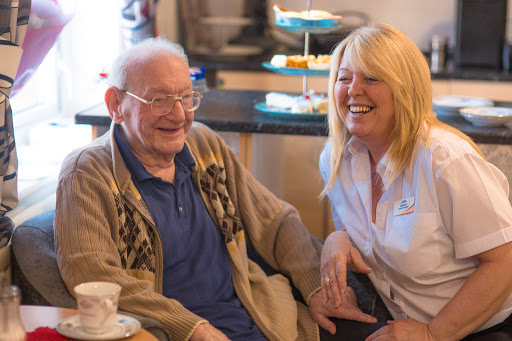
Families mention being able to visit whenever they want, with staff who greet them warmly at the door. Several people describe how quickly their relatives settled into the routines here, even those who'd struggled with change before.
The eight family priority themes
- Staff warmth65
- Compassion & dignity65
- Cleanliness65
- Activities & engagement55
- Food quality55
- Healthcare60
- Management & leadership65
- Resident happiness60
What inspectors found
Inspected 2019-07-06
Is this home safe?
Is the care effective?
Micron House was rated Good for effectiveness at its February 2022 inspection. The published report does not include specific detail about care planning, staff training in dementia care, GP access, or how food and nutrition are managed. The July 2023 monitoring review found no evidence of deterioration in this domain.Is this home caring?
Micron House was rated Good for caring at its February 2022 inspection. The published text does not include inspector observations of staff interactions, resident or family quotes about kindness or dignity, or specific examples of how staff respect privacy and independence. The monitoring review in July 2023 found nothing to change this rating.Is the home responsive?
Micron House was rated Good for responsiveness at its February 2022 inspection. The published text does not describe the activities programme, individual engagement for people with advanced dementia, end-of-life planning, or how the home responds to changing needs. The July 2023 monitoring review found no evidence requiring a change to this rating.Is the home well-led?
Micron House was rated Good for leadership at its February 2022 inspection. The nominated individual for the organisation is named, providing a clear line of regulatory accountability. The published text does not describe the day-to-day management presence, how staff are supported to raise concerns, or how the home monitors and improves quality. The July 2023 monitoring review found no evidence to reassess this rating.
Source: CQC inspection report →
What the evidence base says
The home specialises in dementia care for people over 65. With just ten residents, staff can provide the close attention that dementia requires. The small scale means staff get to know each resident's patterns and triggers. Night-time disturbance, which can exhaust families at home, is handled as part of normal care here. All areas worth probing directly during a visit.
The DCC Verdict
Our editorial view, built from the three lenses: what families tell us, what inspectors record, and how the home sits against good dementia-care practice.
DCC Family Score
Micron House holds a Good rating across all five inspection domains, which is a positive baseline. However, the published inspection text provides very little specific detail about day-to-day life, so scores reflect a confirmed Good rating without the granular evidence needed to push higher.
Homes in West Midlands typically score 68–82.The three-lens summary
What families tell us
Families mention being able to visit whenever they want, with staff who greet them warmly at the door. Several people describe how quickly their relatives settled into the routines here, even those who'd struggled with change before.
What inspectors have recorded
The manager seems to grasp what families are going through, not just what residents need. When behaviour becomes challenging – particularly at night – staff respond calmly rather than making things worse.
How it sits against good practice
For families worn down by sleepless nights and constant worry, this kind of understanding can make all the difference.
Worth a visit
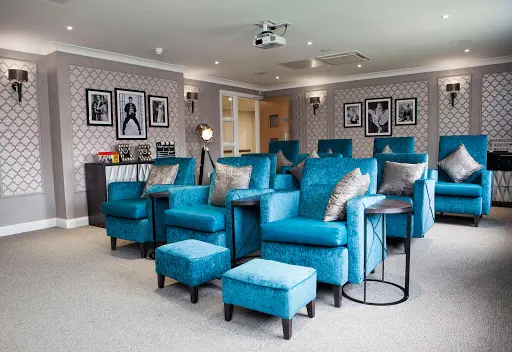
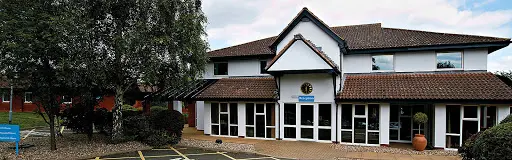
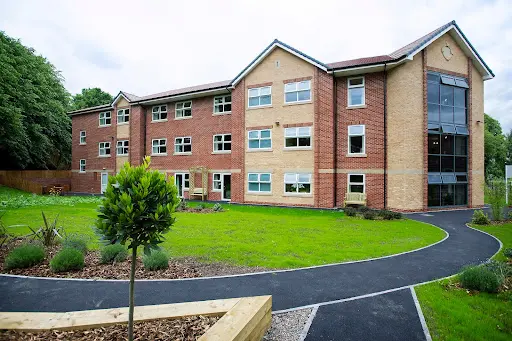
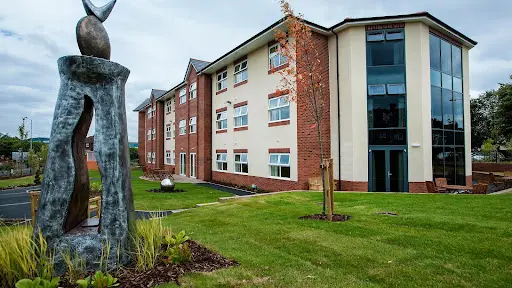
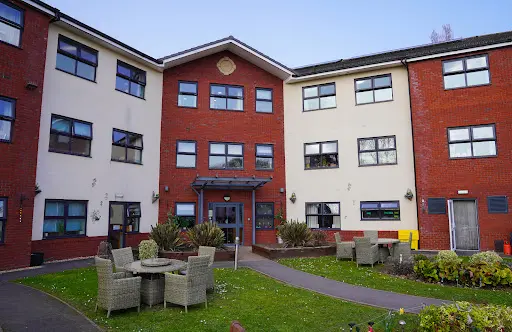
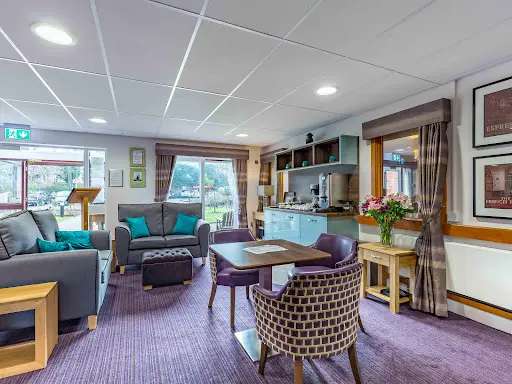
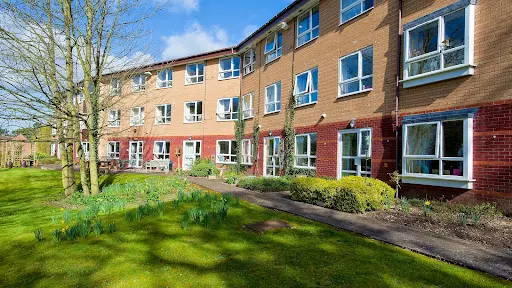
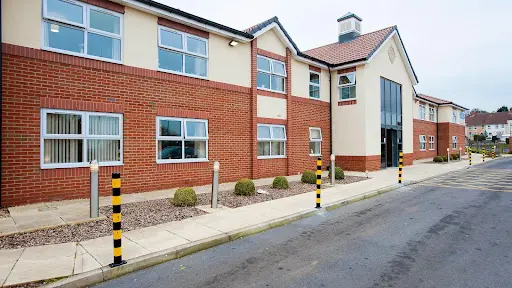
Micron House at 41 Halesowen Road, Dudley, is a small ten-bed residential home registered to care for people over 65, including those living with dementia. It was rated Good across all five inspection domains at its last full inspection in February 2022. A monitoring review carried out in July 2023 found no evidence to change that rating. A Good rating across all domains is a solid starting point, and the fact that the rating has held through a subsequent review is reassuring. The main limitation here is that the published inspection text is very sparse. There are no specific inspector observations, no resident or family quotes, and no detail about staffing, activities, food, or the physical environment. A Good rating tells you the home met the required standard, but it does not tell you what day-to-day life feels like for your parent. Given that, a personal visit is particularly important here. Ask to visit at a mealtime, spend time in the main communal area, and use the checklist questions above to fill in the gaps the inspection text cannot answer.
The three questions to ask when you visitSave this home. Compare it against your shortlist.
Let our analysis show you how Micron House Care Home measures up against the other homes you’re considering. Free account.
In Their Own Words
How Micron House Care Home describes itself — collected from its own website. DCC has not edited or independently verified the content in this tab.
Small dementia home where staff understand the night-time challenges
Micron House – Your Trusted residential home
When someone with dementia becomes unsettled at night, the response they receive matters enormously. At Micron House in Dudley, families describe staff who handle these difficult moments with patience and understanding. This small home in the West Midlands cares for around ten residents, creating an intimate environment where individual needs get noticed.
Who they care for
The home specialises in dementia care for people over 65. With just ten residents, staff can provide the close attention that dementia requires.
The small scale means staff get to know each resident's patterns and triggers. Night-time disturbance, which can exhaust families at home, is handled as part of normal care here.
“For families worn down by sleepless nights and constant worry, this kind of understanding can make all the difference.”
DCC does not edit or curate content in this tab. For independently curated information, see The Evidence and DCC Verdict.
The DCC Verdict
Our editorial view, built from the three lenses: what families tell us, what inspectors record, and how the home sits against good dementia-care practice.
DCC Family Score
Micron House holds a Good rating across all five inspection domains, which is a positive baseline. However, the published inspection text provides very little specific detail about day-to-day life, so scores reflect a confirmed Good rating without the granular evidence needed to push higher.
Homes in West Midlands typically score 68–82.The three-lens summary
What families tell us
Families mention being able to visit whenever they want, with staff who greet them warmly at the door. Several people describe how quickly their relatives settled into the routines here, even those who'd struggled with change before.
What inspectors have recorded
The manager seems to grasp what families are going through, not just what residents need. When behaviour becomes challenging – particularly at night – staff respond calmly rather than making things worse.
How it sits against good practice
For families worn down by sleepless nights and constant worry, this kind of understanding can make all the difference.
Worth a visit
Micron House at 41 Halesowen Road, Dudley, is a small ten-bed residential home registered to care for people over 65, including those living with dementia. It was rated Good across all five inspection domains at its last full inspection in February 2022. A monitoring review carried out in July 2023 found no evidence to change that rating. A Good rating across all domains is a solid starting point, and the fact that the rating has held through a subsequent review is reassuring. The main limitation here is that the published inspection text is very sparse. There are no specific inspector observations, no resident or family quotes, and no detail about staffing, activities, food, or the physical environment. A Good rating tells you the home met the required standard, but it does not tell you what day-to-day life feels like for your parent. Given that, a personal visit is particularly important here. Ask to visit at a mealtime, spend time in the main communal area, and use the checklist questions above to fill in the gaps the inspection text cannot answer.
The three questions to ask when you visitSave this home. Compare it against your shortlist.
Let our analysis show you how Micron House Care Home measures up against the other homes you’re considering. Free account.
In Their Own Words
How Micron House Care Home describes itself — collected from its own website. DCC has not edited or independently verified the content in this tab.
Small dementia home where staff understand the night-time challenges
Micron House – Your Trusted residential home
When someone with dementia becomes unsettled at night, the response they receive matters enormously. At Micron House in Dudley, families describe staff who handle these difficult moments with patience and understanding. This small home in the West Midlands cares for around ten residents, creating an intimate environment where individual needs get noticed.
Who they care for
The home specialises in dementia care for people over 65. With just ten residents, staff can provide the close attention that dementia requires.
The small scale means staff get to know each resident's patterns and triggers. Night-time disturbance, which can exhaust families at home, is handled as part of normal care here.
Management & ethos
The manager seems to grasp what families are going through, not just what residents need. When behaviour becomes challenging – particularly at night – staff respond calmly rather than making things worse.
“For families worn down by sleepless nights and constant worry, this kind of understanding can make all the difference.”
DCC does not edit or curate content in this tab. For independently curated information, see The Evidence and DCC Verdict.