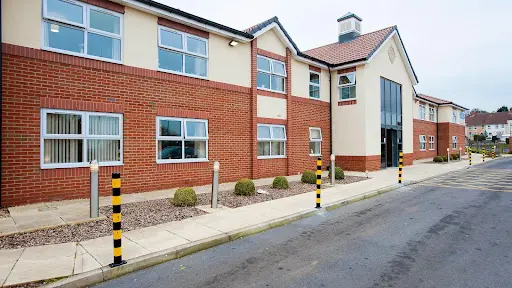
Castleview Residential Home
At a Glance
The information you need to decide whether this home warrants a closer look.
Residential homes
Staff warmth score
of reviewers answered yes
Good to know
- Registered beds13
- SpecialismsCaring for adults over 65 yrs, Caring for adults under 65 yrs, Dementia, Learning disabilities, Physical disabilities, Sensory impairment
- Last inspected2019-02-21
Save Castleview Residential Home to your shortlist
Keep a running list, add visit notes, and compare homes side-by-side. Free account — it takes a minute.
STAGE 4 — RESEARCHING CARE HOMES
Visit homes. Compare them side by side. Choose with confidence.
Most of us will view care homes the way we view houses, impression, atmosphere, the feeling in the corridor. We go home, try to remember what we saw, and make a permanent decision from a blurred memory.

The DCC shortlist gives every home you visit a structured record: the same twelve questions, answered the same way, every time. When you’re ready to choose, pull any two homes side by side and compare them directly. Same criteria, same evidence, your notes and your scores.
The Evidence
What the review data, the inspection reports, and the dementia-care evidence base tell us about this home.
What families say
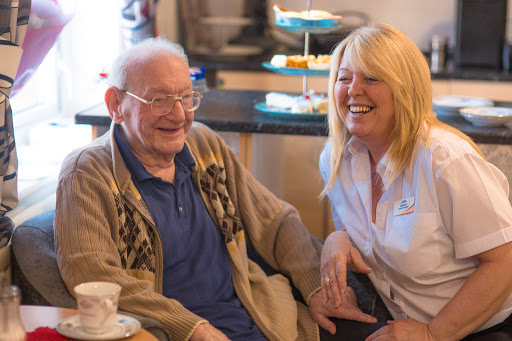
Families consistently describe how their relatives have flourished here, with many choosing to stay permanently after respite visits. The atmosphere feels relaxed and homely, with residents treated with genuine dignity and respect. People notice their loved ones becoming happier and more settled, often showing improvements in their overall wellbeing.
The eight family priority themes
- Staff warmth72
- Compassion & dignity72
- Cleanliness68
- Activities & engagement55
- Food quality55
- Healthcare65
- Management & leadership72
- Resident happiness68
What inspectors found
Inspected 2019-02-21
Is this home safe?
Is the care effective?
The Effective domain was rated Good at the January 2019 inspection. The home lists dementia, learning disabilities, physical disabilities, and sensory impairment as specialisms, implying staff are expected to hold relevant skills and knowledge across a wide range of needs. The published inspection text does not include detail on training content, care plan quality, GP access arrangements, or how nutrition and hydration are managed. No specific examples of effective practice, such as a care plan review process or a described training programme, are recorded in the published findings.Is this home caring?
The Caring domain was rated Good at the January 2019 inspection. This is the domain most directly concerned with whether staff are kind, whether dignity is respected, and whether your parent is treated as an individual. The published report does not include specific inspector observations, resident quotes, or relative feedback that would allow a more detailed picture. The July 2023 review found no evidence requiring this rating to change. Given the home's mix of needs including dementia and learning disabilities, person-led caring approaches are particularly important.Is the home responsive?
The Responsive domain was rated Good at the January 2019 inspection. This domain covers whether the home meets individual needs, whether activities are meaningful, and whether people have a say in their daily life. The home cares for a wide range of needs across dementia, learning disabilities, physical disabilities, and sensory impairment, which requires a genuinely flexible and individualised approach to activity and engagement. The published inspection text does not describe the activity programme, one-to-one engagement, or how the home responds when someone's needs change. No quotes from residents or relatives on responsiveness are recorded.Is the home well-led?
The Well-led domain was rated Good at the January 2019 inspection. Miss Kay Rhian Taylor is the registered manager and also the nominated individual, suggesting direct personal accountability for the running of the home. In a 13-bed service, a hands-on manager who is known to both staff and residents is a meaningful indicator of leadership quality. The published inspection text does not describe governance arrangements, how complaints are handled, how the home learns from incidents, or how staff are supported to raise concerns. The July 2023 review found no evidence requiring the rating to change.
Source: CQC inspection report →
What the evidence base says
Castleview supports residents with various needs including dementia, physical and learning disabilities, and sensory impairments. They care for adults both under and over 65. The small size of the home works particularly well for residents with dementia, allowing staff to provide consistent, personalised support. The quieter environment suits those who find larger, busier settings overwhelming. All areas worth probing directly during a visit.
The DCC Verdict
Our editorial view, built from the three lenses: what families tell us, what inspectors record, and how the home sits against good dementia-care practice.
DCC Family Score
Castleview Residential Care Home received a Good rating across all five domains at its January 2019 inspection, which is a positive baseline, but the inspection report itself contains very little specific detail, so most scores sit in the mid-range reflecting confirmed positives without the granular evidence needed to score higher.
Homes in West Midlands typically score 68–82.The three-lens summary
What families tell us
Families consistently describe how their relatives have flourished here, with many choosing to stay permanently after respite visits. The atmosphere feels relaxed and homely, with residents treated with genuine dignity and respect. People notice their loved ones becoming happier and more settled, often showing improvements in their overall wellbeing.
What inspectors have recorded
The management team maintains an open-door approach that families genuinely appreciate. When concerns arise, they're addressed promptly and transparently. Staff provide compassionate support during difficult times, including end-of-life care that families describe as peaceful and dignified.
How it sits against good practice
What comes through most clearly is how this small home gets the fundamentals right — good food, genuine care, and treating each resident as the individual they are.
Worth a visit
Castleview Residential Care Home, at 6 Priory Road, Dudley, was rated Good across all five inspection domains at its most recent inspection in January 2019. The home is a small, 13-bed service run by Golden Senior Care Ltd, with Miss Kay Rhian Taylor serving as both registered manager and nominated individual. A review carried out in July 2023 found no evidence requiring a change to that rating. The home cares for a wide range of needs including dementia, learning disabilities, physical disabilities, and sensory impairment. The main uncertainty here is that the published inspection report is very thin on specific detail, which means it is genuinely difficult to assess what daily life looks like for your parent beyond the headline Good ratings. The inspection is also now over six years old, and a review is not the same as a fresh inspection. On a visit, ask to see last week's actual staffing rota, find out how many staff are on overnight, ask what the activity programme looks like for someone who cannot join a group, and check how the home communicates with families when something changes. These are the questions the published findings simply do not answer.
The three questions to ask when you visitSave this home. Compare it against your shortlist.
Let our analysis show you how Castleview Residential Home measures up against the other homes you’re considering. Free account.
In Their Own Words
How Castleview Residential Home describes itself — collected from its own website. DCC has not edited or independently verified the content in this tab.
Small care home where your person becomes their person
Compassionate Care in Dudley at Castleview Residential Care Home
When families talk about Castleview Residential Care Home in Dudley, they describe something precious — a place where their loved ones don't just receive care, but genuinely thrive. This small West Midlands home has built its reputation on knowing each resident as an individual, not a room number.
Who they care for
Castleview supports residents with various needs including dementia, physical and learning disabilities, and sensory impairments. They care for adults both under and over 65.
The small size of the home works particularly well for residents with dementia, allowing staff to provide consistent, personalised support. The quieter environment suits those who find larger, busier settings overwhelming.
“What comes through most clearly is how this small home gets the fundamentals right — good food, genuine care, and treating each resident as the individual they are.”
DCC does not edit or curate content in this tab. For independently curated information, see The Evidence and DCC Verdict.
The DCC Verdict
Our editorial view, built from the three lenses: what families tell us, what inspectors record, and how the home sits against good dementia-care practice.
DCC Family Score
Castleview Residential Care Home received a Good rating across all five domains at its January 2019 inspection, which is a positive baseline, but the inspection report itself contains very little specific detail, so most scores sit in the mid-range reflecting confirmed positives without the granular evidence needed to score higher.
Homes in West Midlands typically score 68–82.The three-lens summary
What families tell us
Families consistently describe how their relatives have flourished here, with many choosing to stay permanently after respite visits. The atmosphere feels relaxed and homely, with residents treated with genuine dignity and respect. People notice their loved ones becoming happier and more settled, often showing improvements in their overall wellbeing.
What inspectors have recorded
The management team maintains an open-door approach that families genuinely appreciate. When concerns arise, they're addressed promptly and transparently. Staff provide compassionate support during difficult times, including end-of-life care that families describe as peaceful and dignified.
How it sits against good practice
What comes through most clearly is how this small home gets the fundamentals right — good food, genuine care, and treating each resident as the individual they are.
Worth a visit
Castleview Residential Care Home, at 6 Priory Road, Dudley, was rated Good across all five inspection domains at its most recent inspection in January 2019. The home is a small, 13-bed service run by Golden Senior Care Ltd, with Miss Kay Rhian Taylor serving as both registered manager and nominated individual. A review carried out in July 2023 found no evidence requiring a change to that rating. The home cares for a wide range of needs including dementia, learning disabilities, physical disabilities, and sensory impairment. The main uncertainty here is that the published inspection report is very thin on specific detail, which means it is genuinely difficult to assess what daily life looks like for your parent beyond the headline Good ratings. The inspection is also now over six years old, and a review is not the same as a fresh inspection. On a visit, ask to see last week's actual staffing rota, find out how many staff are on overnight, ask what the activity programme looks like for someone who cannot join a group, and check how the home communicates with families when something changes. These are the questions the published findings simply do not answer.
The three questions to ask when you visitSave this home. Compare it against your shortlist.
Let our analysis show you how Castleview Residential Home measures up against the other homes you’re considering. Free account.
In Their Own Words
How Castleview Residential Home describes itself — collected from its own website. DCC has not edited or independently verified the content in this tab.
Small care home where your person becomes their person
Compassionate Care in Dudley at Castleview Residential Care Home
When families talk about Castleview Residential Care Home in Dudley, they describe something precious — a place where their loved ones don't just receive care, but genuinely thrive. This small West Midlands home has built its reputation on knowing each resident as an individual, not a room number.
Who they care for
Castleview supports residents with various needs including dementia, physical and learning disabilities, and sensory impairments. They care for adults both under and over 65.
The small size of the home works particularly well for residents with dementia, allowing staff to provide consistent, personalised support. The quieter environment suits those who find larger, busier settings overwhelming.
Management & ethos
The management team maintains an open-door approach that families genuinely appreciate. When concerns arise, they're addressed promptly and transparently. Staff provide compassionate support during difficult times, including end-of-life care that families describe as peaceful and dignified.
The home & environment
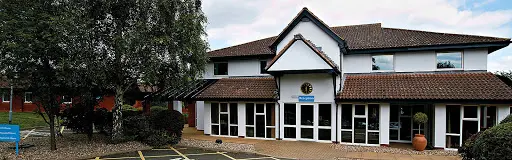
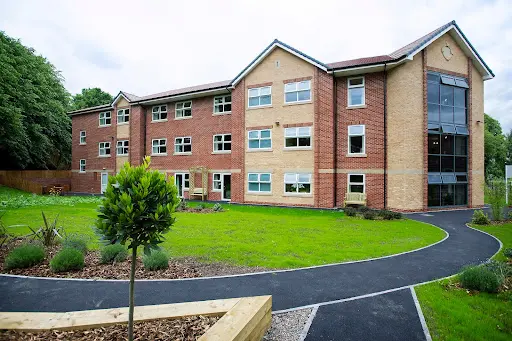
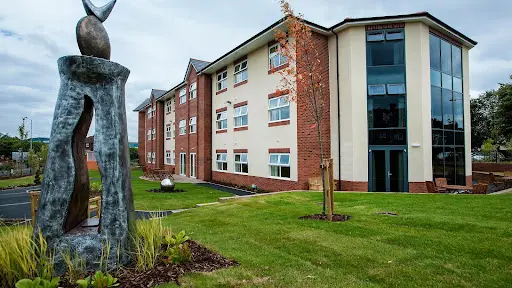
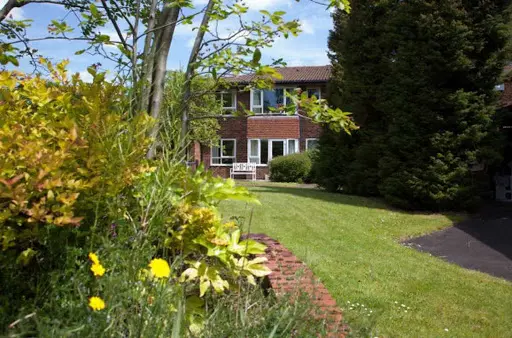
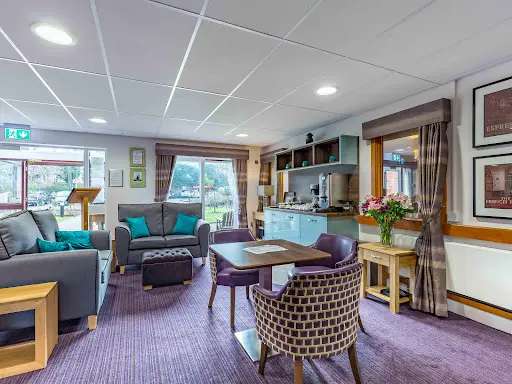
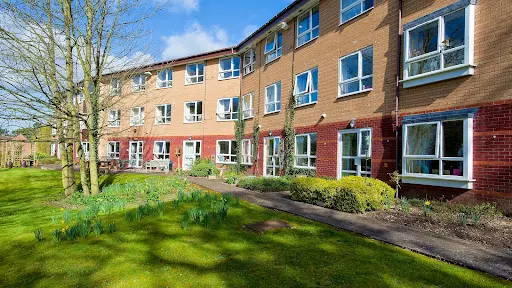
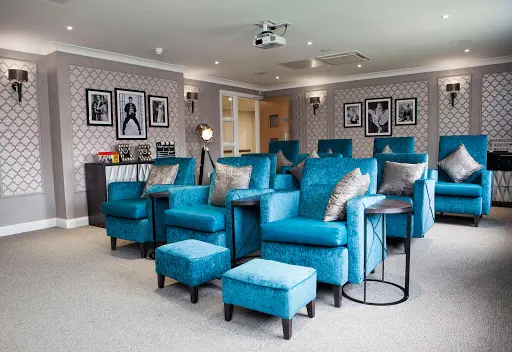
The home serves proper home-cooked meals tailored to individual tastes, with snacks and drinks offered throughout the day. The building is kept spotlessly clean and well-maintained, with a garden that residents can enjoy. Its accessible town centre location means residents can maintain connections with their community.
“What comes through most clearly is how this small home gets the fundamentals right — good food, genuine care, and treating each resident as the individual they are.”
DCC does not edit or curate content in this tab. For independently curated information, see The Evidence and DCC Verdict.