Lindisfarne Chester-Le-Street Nursing Home

At a Glance
The information you need to decide whether this home warrants a closer look.
Nursing homes
Staff warmth score
of reviewers answered yes
Good to know
- Registered beds56
- SpecialismsCaring for adults over 65 yrs, Caring for adults under 65 yrs, Dementia, Mental health conditions, Physical disabilities, Sensory impairment
- Last inspected2022-10-15
Save Lindisfarne Chester-Le-Street Nursing Home to your shortlist
Keep a running list, add visit notes, and compare homes side-by-side. Free account — it takes a minute.
STAGE 4 — RESEARCHING CARE HOMES
Visit homes. Compare them side by side. Choose with confidence.
Most of us will view care homes the way we view houses, impression, atmosphere, the feeling in the corridor. We go home, try to remember what we saw, and make a permanent decision from a blurred memory.

The DCC shortlist gives every home you visit a structured record: the same twelve questions, answered the same way, every time. When you’re ready to choose, pull any two homes side by side and compare them directly. Same criteria, same evidence, your notes and your scores.
The Evidence
What the review data, the inspection reports, and the dementia-care evidence base tell us about this home.
What families say
The warmth here comes through in how staff interact with residents. Carers take time for proper conversations, and families mention seeing genuine affection in daily interactions. Visitors say they feel properly welcomed too, not just tolerated during visiting hours.
The eight family priority themes
- Staff warmth72
- Compassion & dignity74
- Cleanliness72
- Activities & engagement65
- Food quality60
- Healthcare72
- Management & leadership78
- Resident happiness70
What inspectors found
Inspected 2022-10-15
Is this home safe?
Is the care effective?
The home was rated Good for effectiveness at the September 2022 inspection. This covers training, care planning, healthcare access, and nutrition. The published text does not provide specific examples of care plan content, dementia training programmes, GP visiting frequency, or how food choices are managed. The July 2023 review did not identify concerns in this domain.Is this home caring?
The home was rated Good for caring at the September 2022 inspection. This domain covers staff warmth, dignity, respect, and how staff respond when a resident is distressed. The published text does not include direct observations of staff interactions, recorded quotes from residents or relatives, or specific examples of how dignity and privacy are maintained day to day. No concerns were raised in the July 2023 review.Is the home responsive?
The home was rated Good for responsiveness at the September 2022 inspection. This covers activities, individual engagement, and end-of-life planning. The published text does not describe specific activity programmes, one-to-one engagement for people who cannot join groups, or how the home captures individual preferences and life histories. No concerns were raised in the July 2023 review.Is the home well-led?
The home was rated Good for being well-led at the September 2022 inspection. Two registered managers are named in the registration details: Mrs Gillian Alexandra Douglass and Mrs Gemma Harrison, alongside a nominated individual, Mrs Susan McAlear. The home is operated by Gainford Care Homes Limited. Achieving Good in Well-led after a previous Inadequate rating suggests that governance and leadership have been substantially strengthened. The July 2023 review found no evidence requiring reassessment.
Source: CQC inspection report →
What the evidence base says
The home cares for younger adults under 65 as well as older residents, supporting people with physical disabilities, sensory impairments and mental health conditions. For residents with dementia, families describe seeing their relatives settle in ways they hadn't managed elsewhere. Staff seem to understand what's needed to help people feel secure. All areas worth probing directly during a visit.
The DCC Verdict
Our editorial view, built from the three lenses: what families tell us, what inspectors record, and how the home sits against good dementia-care practice.
DCC Family Score
Lindisfarne CLS Nursing scored 74 out of 100, reflecting a genuine and significant improvement from a previous Inadequate rating to Good across all five domains. The score sits in the positive-but-cautious range because the published inspection report contains limited specific detail, direct observations, or resident and family testimony to support higher confidence.
Homes in North East typically score 68–82.The three-lens summary
What families tell us
The warmth here comes through in how staff interact with residents. Carers take time for proper conversations, and families mention seeing genuine affection in daily interactions. Visitors say they feel properly welcomed too, not just tolerated during visiting hours.
What inspectors have recorded
What stands out is how consistent the care feels. Families describe staff who really know their jobs, whether that's supporting someone with dementia or providing end-of-life care. The clinical side feels solid, which matters when you're trusting them with complex health needs.
How it sits against good practice
Sometimes the right fit isn't about fancy surroundings — it's about finding people who genuinely know what they're doing.
Worth a visit
Lindisfarne CLS Nursing, in Chester Le Street, was rated Good at its inspection on 22 September 2022, with the report published on 15 October 2022. This is a meaningful result: the home had previously been rated Inadequate, and achieving Good across all five domains, including Safe, Effective, Caring, Responsive, and Well-led, represents a substantial turnaround. A review in July 2023 found no evidence requiring a change to that rating. The home is run by Gainford Care Homes Limited and has two registered managers in post, which suggests active leadership oversight. The main uncertainty here is that the published inspection text provides very limited specific detail. There are no recorded quotes from residents or relatives, no direct inspector observations of daily life, and no granular information about staffing ratios, activity programmes, or food quality. A Good rating achieved after an Inadequate one is encouraging, but it is also a relatively recent achievement. On your visit, ask the manager directly how long the current permanent staff team has been in place, what changed after the previous poor rating, and whether the improvements have been independently reviewed since.
The three questions to ask when you visitSave this home. Compare it against your shortlist.
Let our analysis show you how Lindisfarne Chester-Le-Street Nursing Home measures up against the other homes you’re considering. Free account.
In Their Own Words
How Lindisfarne Chester-Le-Street Nursing Home describes itself — collected from its own website. DCC has not edited or independently verified the content in this tab.
Where settling well means everything for complex care needs
Lindisfarne CLS Nursing – Expert Care in Chester Le Street
When your loved one needs specialist nursing care, finding somewhere they'll genuinely feel safe can feel impossible. Lindisfarne CLS Nursing in Chester Le Street supports people with dementia, mental health conditions, physical disabilities and sensory impairments. Families talk about relatives who've struggled elsewhere finally finding their feet here.
Who they care for
The home cares for younger adults under 65 as well as older residents, supporting people with physical disabilities, sensory impairments and mental health conditions.
For residents with dementia, families describe seeing their relatives settle in ways they hadn't managed elsewhere. Staff seem to understand what's needed to help people feel secure.
“Sometimes the right fit isn't about fancy surroundings — it's about finding people who genuinely know what they're doing.”
DCC does not edit or curate content in this tab. For independently curated information, see The Evidence and DCC Verdict.
The DCC Verdict
Our editorial view, built from the three lenses: what families tell us, what inspectors record, and how the home sits against good dementia-care practice.
DCC Family Score
Lindisfarne CLS Nursing scored 74 out of 100, reflecting a genuine and significant improvement from a previous Inadequate rating to Good across all five domains. The score sits in the positive-but-cautious range because the published inspection report contains limited specific detail, direct observations, or resident and family testimony to support higher confidence.
Homes in North East typically score 68–82.The three-lens summary
What families tell us
The warmth here comes through in how staff interact with residents. Carers take time for proper conversations, and families mention seeing genuine affection in daily interactions. Visitors say they feel properly welcomed too, not just tolerated during visiting hours.
What inspectors have recorded
What stands out is how consistent the care feels. Families describe staff who really know their jobs, whether that's supporting someone with dementia or providing end-of-life care. The clinical side feels solid, which matters when you're trusting them with complex health needs.
How it sits against good practice
Sometimes the right fit isn't about fancy surroundings — it's about finding people who genuinely know what they're doing.
Worth a visit
Lindisfarne CLS Nursing, in Chester Le Street, was rated Good at its inspection on 22 September 2022, with the report published on 15 October 2022. This is a meaningful result: the home had previously been rated Inadequate, and achieving Good across all five domains, including Safe, Effective, Caring, Responsive, and Well-led, represents a substantial turnaround. A review in July 2023 found no evidence requiring a change to that rating. The home is run by Gainford Care Homes Limited and has two registered managers in post, which suggests active leadership oversight. The main uncertainty here is that the published inspection text provides very limited specific detail. There are no recorded quotes from residents or relatives, no direct inspector observations of daily life, and no granular information about staffing ratios, activity programmes, or food quality. A Good rating achieved after an Inadequate one is encouraging, but it is also a relatively recent achievement. On your visit, ask the manager directly how long the current permanent staff team has been in place, what changed after the previous poor rating, and whether the improvements have been independently reviewed since.
The three questions to ask when you visitSave this home. Compare it against your shortlist.
Let our analysis show you how Lindisfarne Chester-Le-Street Nursing Home measures up against the other homes you’re considering. Free account.
In Their Own Words
How Lindisfarne Chester-Le-Street Nursing Home describes itself — collected from its own website. DCC has not edited or independently verified the content in this tab.
Where settling well means everything for complex care needs
Lindisfarne CLS Nursing – Expert Care in Chester Le Street
When your loved one needs specialist nursing care, finding somewhere they'll genuinely feel safe can feel impossible. Lindisfarne CLS Nursing in Chester Le Street supports people with dementia, mental health conditions, physical disabilities and sensory impairments. Families talk about relatives who've struggled elsewhere finally finding their feet here.
Who they care for
The home cares for younger adults under 65 as well as older residents, supporting people with physical disabilities, sensory impairments and mental health conditions.
For residents with dementia, families describe seeing their relatives settle in ways they hadn't managed elsewhere. Staff seem to understand what's needed to help people feel secure.
Management & ethos
What stands out is how consistent the care feels. Families describe staff who really know their jobs, whether that's supporting someone with dementia or providing end-of-life care. The clinical side feels solid, which matters when you're trusting them with complex health needs.
The home & environment
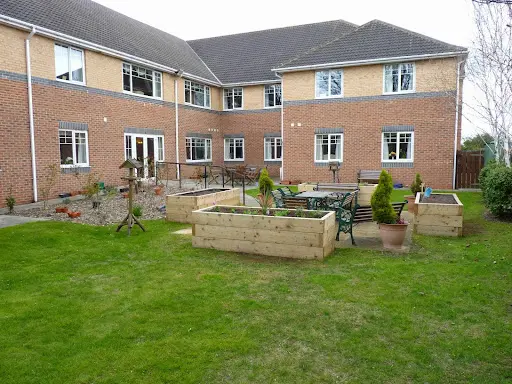
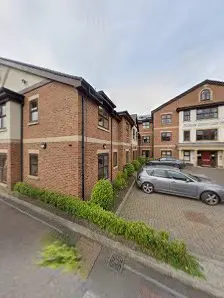
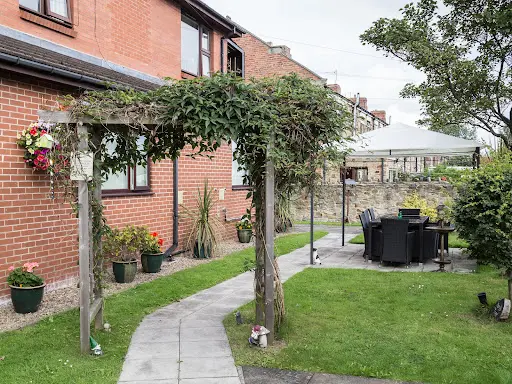
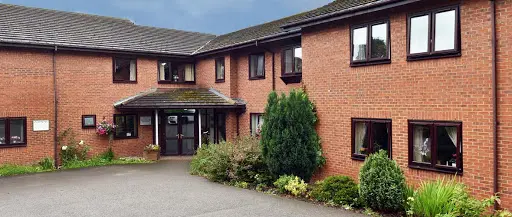
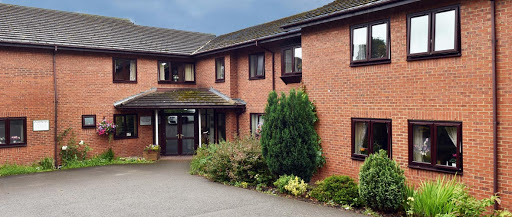
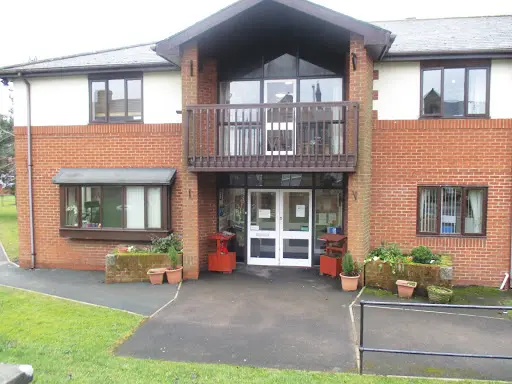
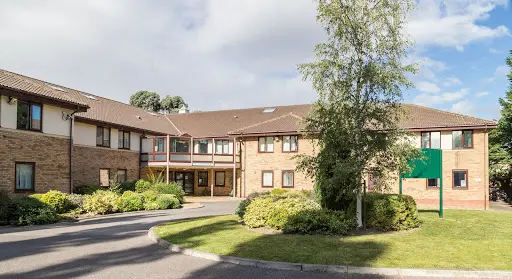
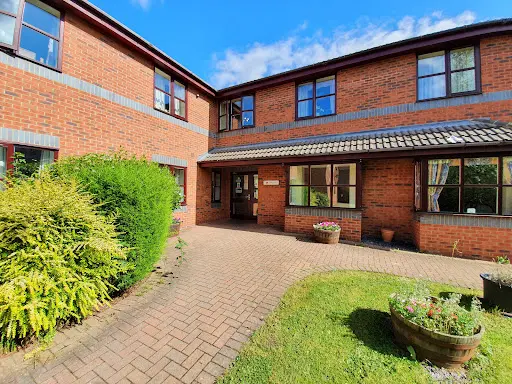
While the building itself might look a bit tired in places, residents seem happy with the food on offer.
“Sometimes the right fit isn't about fancy surroundings — it's about finding people who genuinely know what they're doing.”
DCC does not edit or curate content in this tab. For independently curated information, see The Evidence and DCC Verdict.