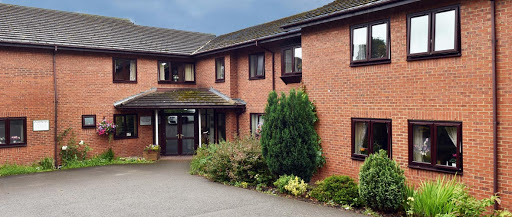
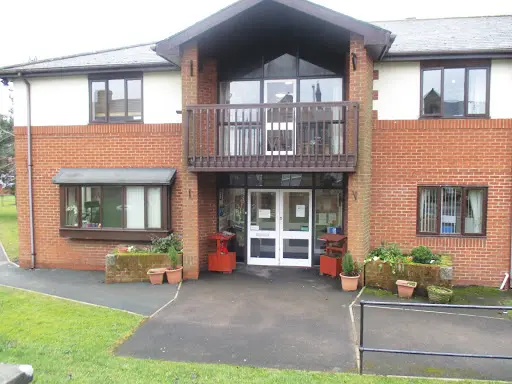
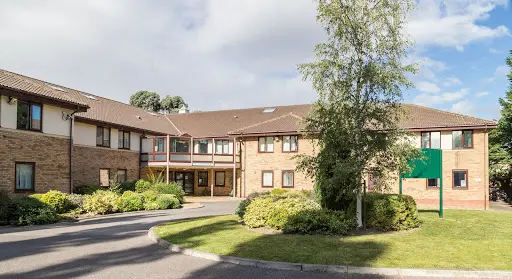
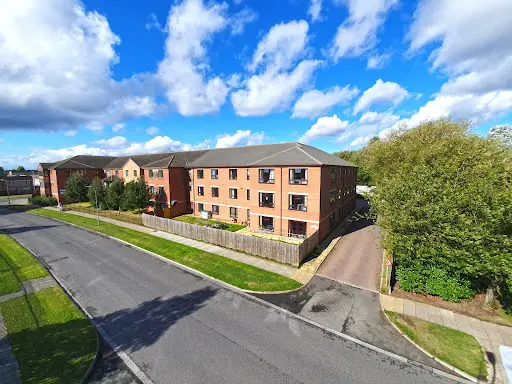
Lindisfarne Birtley Care Home

At a Glance
The information you need to decide whether this home warrants a closer look.
Nursing homes
Staff warmth score
of reviewers answered yes
Good to know
- Registered beds66
- SpecialismsCaring for adults over 65 yrs, Caring for adults under 65 yrs, Dementia, Mental health conditions, Physical disabilities, Sensory impairment
- Last inspected2021-06-24
Save Lindisfarne Birtley Care Home to your shortlist
Keep a running list, add visit notes, and compare homes side-by-side. Free account — it takes a minute.
STAGE 4 — RESEARCHING CARE HOMES
Visit homes. Compare them side by side. Choose with confidence.
Most of us will view care homes the way we view houses, impression, atmosphere, the feeling in the corridor. We go home, try to remember what we saw, and make a permanent decision from a blurred memory.

The DCC shortlist gives every home you visit a structured record: the same twelve questions, answered the same way, every time. When you’re ready to choose, pull any two homes side by side and compare them directly. Same criteria, same evidence, your notes and your scores.
The Evidence
What the review data, the inspection reports, and the dementia-care evidence base tell us about this home.
What families say
The eight family priority themes
- Staff warmth72
- Compassion & dignity72
- Cleanliness72
- Activities & engagement68
- Food quality65
- Healthcare70
- Management & leadership75
- Resident happiness70
What inspectors found
Inspected 2021-06-24
Is this home safe?
Is the care effective?
The Effective domain was rated Good at the March 2025 inspection. For a home with dementia, mental health conditions, and physical disabilities as declared specialisms, this domain covers staff training, care planning, GP and healthcare access, and nutrition. A Good rating implies these areas were not found to be deficient. The home is run by Gainford Care Homes Limited, a provider with multiple services, which typically means access to centralised training resources. No specific training content, care plan examples, or healthcare access details are described in the published summary.Is this home caring?
The Caring domain was rated Good at the March 2025 inspection. This domain assesses whether staff treat residents with kindness, dignity, and respect — including how they support independence and respond to emotional needs. For a home supporting people with dementia and mental health conditions, this is one of the most important domains. A Good rating indicates the inspection team did not observe or hear about poor care interactions. Without the full report text, no specific quotes, named staff observations, or resident testimony are available to illustrate what Good looks like in practice at this home.Is the home responsive?
The Responsive domain was rated Good at the March 2025 inspection. This domain covers whether the home tailors its care and activities to individual residents, responds to complaints, and plans appropriately for end of life. For a home with 66 beds and residents with dementia, mental health conditions, and physical disabilities, responsiveness requires more than a standard activity programme. A Good rating suggests the inspection team found the home was meeting individual needs adequately. No specific activity examples, end-of-life planning details, or individual tailoring observations are described in the available summary.Is the home well-led?
The Well-led domain was rated Good at the March 2025 inspection, and the home's overall trajectory has improved from a previous Requires Improvement rating. The home is managed by two registered managers — Mr Scott Harbottle and Mrs Carol Ann Locker — with Mrs Susan McAlear as the nominated individual for provider Gainford Care Homes Limited. Having dual registered managers at a 66-bed complex-needs home is a notable structural decision that may reflect the breadth of specialisms supported. The improvement in rating suggests governance, accountability, and learning from incidents have been strengthened since the previous inspection.
Source: CQC inspection report →
What the evidence base says
The team supports residents with various needs including sensory impairments, physical disabilities and mental health conditions. They welcome both younger adults under 65 and older residents who need specialised support. The home provides round-the-clock support for residents with dementia, including those in the later stages of the illness. Staff understand the specific needs that come with conditions like Alzheimer's. All areas worth probing directly during a visit.
The DCC Verdict
Our editorial view, built from the three lenses: what families tell us, what inspectors record, and how the home sits against good dementia-care practice.
DCC Family Score
Lindisfarne Birtley has achieved a Good rating across all five domains following a previous Requires Improvement — a meaningful turnaround — but the inspection report text available contains limited specific observations, quotes, or direct evidence to score individual themes with high confidence.
Homes in North East typically score 68–82.Worth a visit
Lindisfarne Birtley in Chester-le-Street received a Good rating across all five inspection domains at its most recent assessment in March 2025, published June 2025. This is a notable improvement from a previous Requires Improvement rating, which suggests the leadership team — which includes two registered managers and a nominated individual under Gainford Care Homes Limited — has made meaningful changes to how the home operates. The home supports 66 beds across a broad range of needs including dementia, mental health conditions, physical disabilities, and sensory impairment, making it one of the more complex homes in its area. The main limitation of this report is that the full inspection text was not available for detailed analysis, meaning the Good ratings cannot be broken down into specific observed examples, resident quotes, or family testimony. A Good rating is genuinely positive — but without knowing what the inspectors saw and heard, it is difficult to tell you how confident to be in any individual area. Before visiting, prepare specific questions: ask how many permanent staff are on overnight across the 66 beds, how often care plans are reviewed and whether families are invited to contribute, and how the team supports residents with dementia who become distressed. On your visit, watch how staff interact with residents in corridors and communal areas — whether they make eye contact, use names, and respond without rushing. These small moments tell you more than any rating.
The three questions to ask when you visitSave this home. Compare it against your shortlist.
Let our analysis show you how Lindisfarne Birtley Care Home measures up against the other homes you’re considering. Free account.
In Their Own Words
How Lindisfarne Birtley Care Home describes itself — collected from its own website. DCC has not edited or independently verified the content in this tab.
Specialist dementia support with round-the-clock care in Chester Le Street
Dedicated nursing home Support in Chester Le Street
Finding the right care for someone with dementia requires specialist knowledge and genuine compassion. Lindisfarne Birtley in Chester Le Street provides dedicated support for residents with dementia, mental health conditions and physical disabilities. The home also welcomes both younger adults and those over 65 who need specialised care.
Who they care for
The team supports residents with various needs including sensory impairments, physical disabilities and mental health conditions. They welcome both younger adults under 65 and older residents who need specialised support.
The home provides round-the-clock support for residents with dementia, including those in the later stages of the illness. Staff understand the specific needs that come with conditions like Alzheimer's.
“If you'd like to learn more about their specialist care approach, the team would be happy to discuss your family's needs.”
DCC does not edit or curate content in this tab. For independently curated information, see The Evidence and DCC Verdict.
The DCC Verdict
Our editorial view, built from the three lenses: what families tell us, what inspectors record, and how the home sits against good dementia-care practice.
DCC Family Score
Lindisfarne Birtley has achieved a Good rating across all five domains following a previous Requires Improvement — a meaningful turnaround — but the inspection report text available contains limited specific observations, quotes, or direct evidence to score individual themes with high confidence.
Homes in North East typically score 68–82.Worth a visit
Lindisfarne Birtley in Chester-le-Street received a Good rating across all five inspection domains at its most recent assessment in March 2025, published June 2025. This is a notable improvement from a previous Requires Improvement rating, which suggests the leadership team — which includes two registered managers and a nominated individual under Gainford Care Homes Limited — has made meaningful changes to how the home operates. The home supports 66 beds across a broad range of needs including dementia, mental health conditions, physical disabilities, and sensory impairment, making it one of the more complex homes in its area. The main limitation of this report is that the full inspection text was not available for detailed analysis, meaning the Good ratings cannot be broken down into specific observed examples, resident quotes, or family testimony. A Good rating is genuinely positive — but without knowing what the inspectors saw and heard, it is difficult to tell you how confident to be in any individual area. Before visiting, prepare specific questions: ask how many permanent staff are on overnight across the 66 beds, how often care plans are reviewed and whether families are invited to contribute, and how the team supports residents with dementia who become distressed. On your visit, watch how staff interact with residents in corridors and communal areas — whether they make eye contact, use names, and respond without rushing. These small moments tell you more than any rating.
The three questions to ask when you visitSave this home. Compare it against your shortlist.
Let our analysis show you how Lindisfarne Birtley Care Home measures up against the other homes you’re considering. Free account.
In Their Own Words
How Lindisfarne Birtley Care Home describes itself — collected from its own website. DCC has not edited or independently verified the content in this tab.
Specialist dementia support with round-the-clock care in Chester Le Street
Dedicated nursing home Support in Chester Le Street
Finding the right care for someone with dementia requires specialist knowledge and genuine compassion. Lindisfarne Birtley in Chester Le Street provides dedicated support for residents with dementia, mental health conditions and physical disabilities. The home also welcomes both younger adults and those over 65 who need specialised care.
Who they care for
The team supports residents with various needs including sensory impairments, physical disabilities and mental health conditions. They welcome both younger adults under 65 and older residents who need specialised support.
The home provides round-the-clock support for residents with dementia, including those in the later stages of the illness. Staff understand the specific needs that come with conditions like Alzheimer's.
“If you'd like to learn more about their specialist care approach, the team would be happy to discuss your family's needs.”
DCC does not edit or curate content in this tab. For independently curated information, see The Evidence and DCC Verdict.