Lime Tree Manor
At a Glance
The information you need to decide whether this home warrants a closer look.
Nursing homes
Staff warmth score
of reviewers answered yes
Good to know
- Registered beds110
- SpecialismsCaring for adults over 65 yrs, Caring for adults under 65 yrs, Dementia, Physical disabilities
- Last inspected2022-03-16
Save Lime Tree Manor to your shortlist
Keep a running list, add visit notes, and compare homes side-by-side. Free account — it takes a minute.
STAGE 4 — RESEARCHING CARE HOMES
Visit homes. Compare them side by side. Choose with confidence.
Most of us will view care homes the way we view houses, impression, atmosphere, the feeling in the corridor. We go home, try to remember what we saw, and make a permanent decision from a blurred memory.

The DCC shortlist gives every home you visit a structured record: the same twelve questions, answered the same way, every time. When you’re ready to choose, pull any two homes side by side and compare them directly. Same criteria, same evidence, your notes and your scores.
The Evidence
What the review data, the inspection reports, and the dementia-care evidence base tell us about this home.
What families say
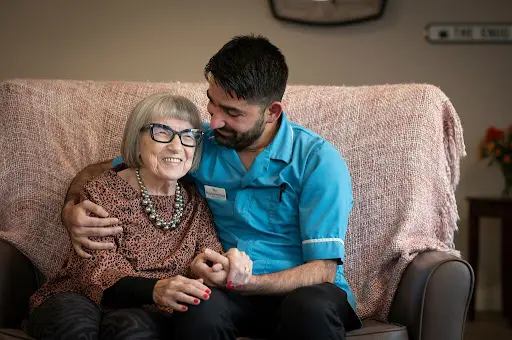
Families talk about feeling included rather than just visiting. The transition into care can be tough, but people find the staff make space for relatives to be part of daily life. There's a sense that everyone works together — residents, families and staff — especially during those difficult early days.
The eight family priority themes
- Staff warmth72
- Compassion & dignity72
- Cleanliness70
- Activities & engagement65
- Food quality65
- Healthcare70
- Management & leadership72
- Resident happiness68
What inspectors found
Inspected 2022-03-16
Is this home safe?
Is the care effective?
The home was rated Good for effectiveness at its February 2022 inspection. The published report does not include detail about the quality or content of care plans, frequency of GP access, dementia training undertaken by staff, or how food and nutrition are managed. The home is registered as a nursing home, which means a registered nurse should be on duty, but shift-level clinical arrangements are not described in the published findings. No concerns about effectiveness were identified at the July 2023 review.Is this home caring?
The home was rated Good for caring at its February 2022 inspection. The published report contains no specific observations about staff interactions, use of preferred names, pace of care, or how residents' dignity is maintained in day-to-day routines. No concerns about caring practice were identified. The July 2023 review did not change the rating. For a home of this size caring for people with dementia, detailed evidence of person-centred, unhurried care would be expected in a thorough inspection narrative.Is the home responsive?
The home was rated Good for responsiveness at its February 2022 inspection. The published report does not describe the activities programme, how activities are tailored to individual interests or abilities, or what provision is made for people who cannot join group activities. End-of-life planning arrangements are also not described. The home lists dementia as a specialism, which implies some tailored provision, but the inspection findings do not substantiate this in specific terms. No concerns about responsiveness were identified at the July 2023 review.Is the home well-led?
The home was rated Good for leadership at its February 2022 inspection. Mrs Siji Sebastian is named as the registered manager, and Mrs Linda June Slade is the nominated individual for the provider, Wilton House Limited. The published report does not describe management visibility, staff culture, governance systems, or how the home responds to complaints and incidents. No leadership concerns were identified at the July 2023 review. The presence of a named, registered manager is a positive structural indicator, but it provides limited insight into day-to-day leadership quality.
Source: CQC inspection report →
What the evidence base says
Lime Tree Manor provides both nursing and residential care for adults over 65, as well as younger adults with physical disabilities. The home has experience supporting people living with dementia. For residents with dementia, the consistent approach to monitoring and the focus on involving families seems particularly valuable. Staff work to maintain routines and connections that help people feel secure. All areas worth probing directly during a visit.
The DCC Verdict
Our editorial view, built from the three lenses: what families tell us, what inspectors record, and how the home sits against good dementia-care practice.
DCC Family Score
Lime Tree Manor Nursing and Residential Home received a Good rating across all five inspection domains in February 2022, which is a positive baseline, but the published report contains limited specific observations, quotes, or direct evidence to score highly in any individual theme.
Homes in East typically score 68–82.The three-lens summary
What families tell us
Families talk about feeling included rather than just visiting. The transition into care can be tough, but people find the staff make space for relatives to be part of daily life. There's a sense that everyone works together — residents, families and staff — especially during those difficult early days.
What inspectors have recorded
The nursing team stays on top of health changes in a way that gives families confidence. They're quick to spot infections or other issues, often catching problems before they turn into hospital visits. When families need updates or want to discuss care, they find staff approachable and ready to work with other healthcare professionals.
How it sits against good practice
It's the everyday attentiveness that seems to define care here — catching problems early, keeping families close, and helping people stay as well as possible.
Worth a visit
Lime Tree Manor Nursing and Residential Home, at 171 Adeyfield Road in Hemel Hempstead, was rated Good across all five inspection domains at its last inspection in February 2022. A further review in July 2023 found no evidence to change that rating. The home is a large nursing home with 110 beds, registered to care for people living with dementia, physical disabilities, and a range of age groups. A registered manager is named and in post, and the provider, Wilton House Limited, has clear nominated individual accountability in place. The main uncertainty here is that the published inspection report contains very little specific detail about day-to-day life at Lime Tree Manor. There are no recorded quotes from residents or relatives, no specific observations about staff interactions, food, activities, cleanliness, or dementia care practice. A Good rating is a meaningful baseline, but with a 110-bed home and limited published detail, you should visit in person, ideally at a mealtime and again in the afternoon when activity programmes typically run. Ask specifically how many permanent staff work on the dementia unit after 8pm, how often care plans are reviewed with family input, and what the home's policy is on agency staff.
The three questions to ask when you visitSave this home. Compare it against your shortlist.
Let our analysis show you how Lime Tree Manor measures up against the other homes you’re considering. Free account.
In Their Own Words
How Lime Tree Manor describes itself — collected from its own website. DCC has not edited or independently verified the content in this tab.
Where nursing expertise meets genuine warmth for families
Nursing home in Hemel Hempstead: True Peace of Mind
When someone you love needs nursing care, you want to know they'll be looked after by people who really pay attention. That's what families find at Lime Tree Manor in Hemel Hempstead — a place where staff spot the small changes that matter. Whether it's catching an infection early or helping someone regain their appetite, the team here seems to have a knack for keeping residents well and comfortable.
Who they care for
Lime Tree Manor provides both nursing and residential care for adults over 65, as well as younger adults with physical disabilities. The home has experience supporting people living with dementia.
For residents with dementia, the consistent approach to monitoring and the focus on involving families seems particularly valuable. Staff work to maintain routines and connections that help people feel secure.
“It's the everyday attentiveness that seems to define care here — catching problems early, keeping families close, and helping people stay as well as possible.”
DCC does not edit or curate content in this tab. For independently curated information, see The Evidence and DCC Verdict.
The DCC Verdict
Our editorial view, built from the three lenses: what families tell us, what inspectors record, and how the home sits against good dementia-care practice.
DCC Family Score
Lime Tree Manor Nursing and Residential Home received a Good rating across all five inspection domains in February 2022, which is a positive baseline, but the published report contains limited specific observations, quotes, or direct evidence to score highly in any individual theme.
Homes in East typically score 68–82.The three-lens summary
What families tell us
Families talk about feeling included rather than just visiting. The transition into care can be tough, but people find the staff make space for relatives to be part of daily life. There's a sense that everyone works together — residents, families and staff — especially during those difficult early days.
What inspectors have recorded
The nursing team stays on top of health changes in a way that gives families confidence. They're quick to spot infections or other issues, often catching problems before they turn into hospital visits. When families need updates or want to discuss care, they find staff approachable and ready to work with other healthcare professionals.
How it sits against good practice
It's the everyday attentiveness that seems to define care here — catching problems early, keeping families close, and helping people stay as well as possible.
Worth a visit
Lime Tree Manor Nursing and Residential Home, at 171 Adeyfield Road in Hemel Hempstead, was rated Good across all five inspection domains at its last inspection in February 2022. A further review in July 2023 found no evidence to change that rating. The home is a large nursing home with 110 beds, registered to care for people living with dementia, physical disabilities, and a range of age groups. A registered manager is named and in post, and the provider, Wilton House Limited, has clear nominated individual accountability in place. The main uncertainty here is that the published inspection report contains very little specific detail about day-to-day life at Lime Tree Manor. There are no recorded quotes from residents or relatives, no specific observations about staff interactions, food, activities, cleanliness, or dementia care practice. A Good rating is a meaningful baseline, but with a 110-bed home and limited published detail, you should visit in person, ideally at a mealtime and again in the afternoon when activity programmes typically run. Ask specifically how many permanent staff work on the dementia unit after 8pm, how often care plans are reviewed with family input, and what the home's policy is on agency staff.
The three questions to ask when you visitSave this home. Compare it against your shortlist.
Let our analysis show you how Lime Tree Manor measures up against the other homes you’re considering. Free account.
In Their Own Words
How Lime Tree Manor describes itself — collected from its own website. DCC has not edited or independently verified the content in this tab.
Where nursing expertise meets genuine warmth for families
Nursing home in Hemel Hempstead: True Peace of Mind
When someone you love needs nursing care, you want to know they'll be looked after by people who really pay attention. That's what families find at Lime Tree Manor in Hemel Hempstead — a place where staff spot the small changes that matter. Whether it's catching an infection early or helping someone regain their appetite, the team here seems to have a knack for keeping residents well and comfortable.
Who they care for
Lime Tree Manor provides both nursing and residential care for adults over 65, as well as younger adults with physical disabilities. The home has experience supporting people living with dementia.
For residents with dementia, the consistent approach to monitoring and the focus on involving families seems particularly valuable. Staff work to maintain routines and connections that help people feel secure.
Management & ethos
The nursing team stays on top of health changes in a way that gives families confidence. They're quick to spot infections or other issues, often catching problems before they turn into hospital visits. When families need updates or want to discuss care, they find staff approachable and ready to work with other healthcare professionals.
The home & environment
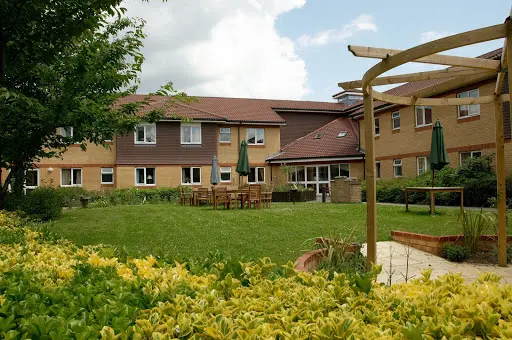
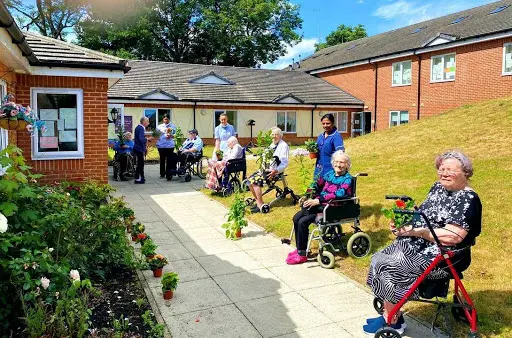
Food here seems to do more than just fill plates — families have noticed loved ones gaining weight and enjoying their meals again. The home runs activities that get people involved, and relatives are welcome to join in too.
“It's the everyday attentiveness that seems to define care here — catching problems early, keeping families close, and helping people stay as well as possible.”
DCC does not edit or curate content in this tab. For independently curated information, see The Evidence and DCC Verdict.