Leominster Care Home – Bupa

At a Glance
The information you need to decide whether this home warrants a closer look.
Nursing homes
Staff warmth score
of reviewers answered yes
Good to know
- Registered beds48
- SpecialismsCaring for adults over 65 yrs, Dementia, Physical disabilities
- Last inspected2019-06-19
Save Leominster Care Home – Bupa to your shortlist
Keep a running list, add visit notes, and compare homes side-by-side. Free account — it takes a minute.
STAGE 4 — RESEARCHING CARE HOMES
Visit homes. Compare them side by side. Choose with confidence.
Most of us will view care homes the way we view houses, impression, atmosphere, the feeling in the corridor. We go home, try to remember what we saw, and make a permanent decision from a blurred memory.

The DCC shortlist gives every home you visit a structured record: the same twelve questions, answered the same way, every time. When you’re ready to choose, pull any two homes side by side and compare them directly. Same criteria, same evidence, your notes and your scores.
The Evidence
What the review data, the inspection reports, and the dementia-care evidence base tell us about this home.
What families say
Visitors frequently mention how staff greet everyone with real warmth — not the forced cheerfulness you sometimes encounter, but genuine engagement that helps ease those first nervous moments. Families describe watching their relatives settle in more quickly than expected, with staff who seem to understand how overwhelming a move can feel.
The eight family priority themes
- Staff warmth72
- Compassion & dignity72
- Cleanliness70
- Activities & engagement65
- Food quality65
- Healthcare70
- Management & leadership72
- Resident happiness70
What inspectors found
Inspected 2019-06-19
Is this home safe?
Is the care effective?
The effective domain was rated Good at the December 2020 inspection. The home's registration covers nursing care, dementia, physical disabilities, and older adult care, indicating a broad clinical remit. The published inspection text does not describe care plan content, GP access arrangements, dementia training programmes, how food quality or dietary needs are managed, or how the home monitors health outcomes. The evidence base for this rating is not visible in what has been published.Is this home caring?
The caring domain was rated Good at the December 2020 inspection. No inspector observations, resident testimony, or relative quotes describing staff warmth, dignity in personal care, or individual respect are included in the published text. The rating indicates that inspectors were satisfied with what they saw, but the detail that would allow families to judge the quality of everyday interactions is not available in the published findings.Is the home responsive?
The responsive domain was rated Good at the December 2020 inspection. The home's registration as a dementia specialism suggests it is expected to offer care tailored to people living with dementia. The published text does not describe the activity programme, one-to-one engagement for people who cannot join groups, how individual preferences are recorded and acted on, or how end-of-life wishes are documented and honoured. Families will need to explore these areas directly.Is the home well-led?
The well-led domain was rated Good at the December 2020 inspection. A named registered manager, Mrs Fleur Elaine Bright, is recorded, and the Bupa group's nominated individual, Mr Donald Day, is also named. The published text does not describe the manager's day-to-day visibility, staff culture, how feedback from residents and families is gathered and acted on, or whether staff feel able to raise concerns. The home is part of the Bupa Care Homes group, which brings national governance structures, but local leadership quality is not described in the available findings.
Source: CQC inspection report →
What the evidence base says
The home cares for adults over 65, including those living with dementia or physical disabilities. For residents with dementia, the staff's natural warmth becomes even more valuable, creating familiar routines in those bright, easy-to-navigate spaces. The consistent faces and approachable manner help maintain that sense of security so important for dementia care. All areas worth probing directly during a visit.
The DCC Verdict
Our editorial view, built from the three lenses: what families tell us, what inspectors record, and how the home sits against good dementia-care practice.
DCC Family Score
Leominster Care Home holds a Good rating across all five inspection domains, which is a solid baseline, but the published inspection text contains very limited specific detail, so many scores reflect the rating rather than verified observable evidence. Families should use a visit to fill the gaps this report cannot.
Homes in West Midlands typically score 68–82.The three-lens summary
What families tell us
Visitors frequently mention how staff greet everyone with real warmth — not the forced cheerfulness you sometimes encounter, but genuine engagement that helps ease those first nervous moments. Families describe watching their relatives settle in more quickly than expected, with staff who seem to understand how overwhelming a move can feel.
What inspectors have recorded
Staff here seem to grasp what families need most: reassurance that someone's paying attention. They're approachable when questions arise and responsive when new residents need extra support settling in. That consistent attentiveness helps relatives feel confident during those times when they can't be there themselves.
How it sits against good practice
Sometimes you just need to know your loved one is somewhere clean, friendly, and attentive — Leominster seems to understand that.
Worth a visit
Leominster Care Home, on Bargates in Leominster, was rated Good across all five inspection domains at its last full inspection, carried out in December 2020 and published in January 2021. The home is registered for 48 beds and provides nursing care alongside personal care for people living with dementia, older adults, and people with physical disabilities. It is operated by Bupa Care Homes (CFChomes) Limited and has a named registered manager in post. A monitoring review in July 2023 found no evidence requiring a change to the rating. The main uncertainty here is that the published inspection text is exceptionally brief and contains almost no specific observations, staff interactions, resident or relative testimony, or concrete evidence of what daily life looks like. A Good rating is meaningful, but it tells you the legal and regulatory floor has been met, not what your parent's Tuesday afternoon will feel like. Before making a decision, visit in person, ask to see last week's actual staffing rota including nights, ask how many permanent versus agency staff worked in the last month, and observe how staff interact with residents in corridors and communal areas without prompting.
The three questions to ask when you visitSave this home. Compare it against your shortlist.
Let our analysis show you how Leominster Care Home – Bupa measures up against the other homes you’re considering. Free account.
In Their Own Words
How Leominster Care Home – Bupa describes itself — collected from its own website. DCC has not edited or independently verified the content in this tab.
Where warmth meets spotless care in Leominster's heart
Nursing home in Leominster: True Peace of Mind
Stepping through the doors at Leominster Care Home in the West Midlands, families often find their shoulders dropping with relief. The combination of genuinely friendly staff and immaculate surroundings creates an atmosphere where relatives feel their loved ones will be properly looked after. It's the kind of place where mealtimes become something to look forward to, not just another part of the routine.
Who they care for
The home cares for adults over 65, including those living with dementia or physical disabilities.
For residents with dementia, the staff's natural warmth becomes even more valuable, creating familiar routines in those bright, easy-to-navigate spaces. The consistent faces and approachable manner help maintain that sense of security so important for dementia care.
“Sometimes you just need to know your loved one is somewhere clean, friendly, and attentive — Leominster seems to understand that.”
DCC does not edit or curate content in this tab. For independently curated information, see The Evidence and DCC Verdict.
The DCC Verdict
Our editorial view, built from the three lenses: what families tell us, what inspectors record, and how the home sits against good dementia-care practice.
DCC Family Score
Leominster Care Home holds a Good rating across all five inspection domains, which is a solid baseline, but the published inspection text contains very limited specific detail, so many scores reflect the rating rather than verified observable evidence. Families should use a visit to fill the gaps this report cannot.
Homes in West Midlands typically score 68–82.The three-lens summary
What families tell us
Visitors frequently mention how staff greet everyone with real warmth — not the forced cheerfulness you sometimes encounter, but genuine engagement that helps ease those first nervous moments. Families describe watching their relatives settle in more quickly than expected, with staff who seem to understand how overwhelming a move can feel.
What inspectors have recorded
Staff here seem to grasp what families need most: reassurance that someone's paying attention. They're approachable when questions arise and responsive when new residents need extra support settling in. That consistent attentiveness helps relatives feel confident during those times when they can't be there themselves.
How it sits against good practice
Sometimes you just need to know your loved one is somewhere clean, friendly, and attentive — Leominster seems to understand that.
Worth a visit
Leominster Care Home, on Bargates in Leominster, was rated Good across all five inspection domains at its last full inspection, carried out in December 2020 and published in January 2021. The home is registered for 48 beds and provides nursing care alongside personal care for people living with dementia, older adults, and people with physical disabilities. It is operated by Bupa Care Homes (CFChomes) Limited and has a named registered manager in post. A monitoring review in July 2023 found no evidence requiring a change to the rating. The main uncertainty here is that the published inspection text is exceptionally brief and contains almost no specific observations, staff interactions, resident or relative testimony, or concrete evidence of what daily life looks like. A Good rating is meaningful, but it tells you the legal and regulatory floor has been met, not what your parent's Tuesday afternoon will feel like. Before making a decision, visit in person, ask to see last week's actual staffing rota including nights, ask how many permanent versus agency staff worked in the last month, and observe how staff interact with residents in corridors and communal areas without prompting.
The three questions to ask when you visitSave this home. Compare it against your shortlist.
Let our analysis show you how Leominster Care Home – Bupa measures up against the other homes you’re considering. Free account.
In Their Own Words
How Leominster Care Home – Bupa describes itself — collected from its own website. DCC has not edited or independently verified the content in this tab.
Where warmth meets spotless care in Leominster's heart
Nursing home in Leominster: True Peace of Mind
Stepping through the doors at Leominster Care Home in the West Midlands, families often find their shoulders dropping with relief. The combination of genuinely friendly staff and immaculate surroundings creates an atmosphere where relatives feel their loved ones will be properly looked after. It's the kind of place where mealtimes become something to look forward to, not just another part of the routine.
Who they care for
The home cares for adults over 65, including those living with dementia or physical disabilities.
For residents with dementia, the staff's natural warmth becomes even more valuable, creating familiar routines in those bright, easy-to-navigate spaces. The consistent faces and approachable manner help maintain that sense of security so important for dementia care.
Management & ethos
Staff here seem to grasp what families need most: reassurance that someone's paying attention. They're approachable when questions arise and responsive when new residents need extra support settling in. That consistent attentiveness helps relatives feel confident during those times when they can't be there themselves.
The home & environment
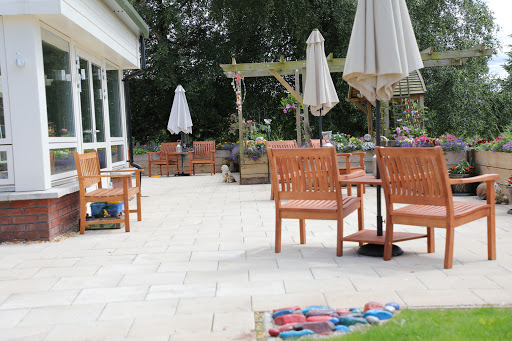
The home keeps everything spotless without feeling clinical, creating bright spaces where residents actually want to spend time. Food gets particular praise — proper meals with variety that residents genuinely anticipate rather than just tolerate. There's garden space too, giving everyone the chance to enjoy fresh air when the weather cooperates.
“Sometimes you just need to know your loved one is somewhere clean, friendly, and attentive — Leominster seems to understand that.”
DCC does not edit or curate content in this tab. For independently curated information, see The Evidence and DCC Verdict.