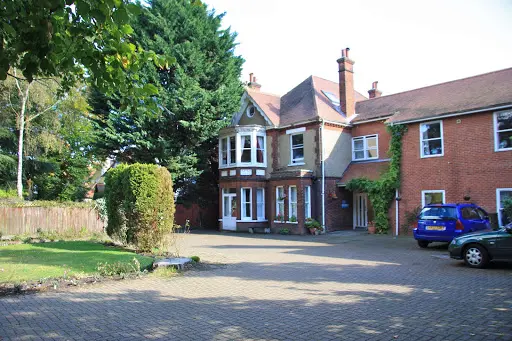
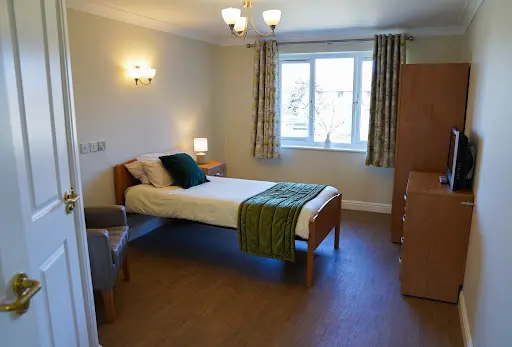
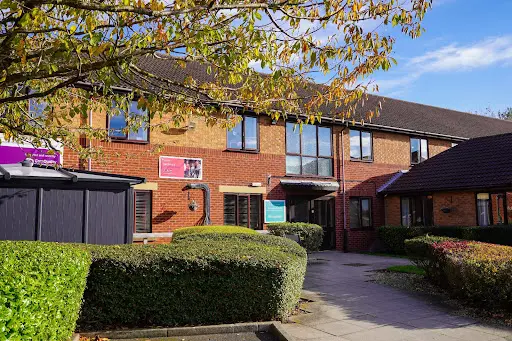
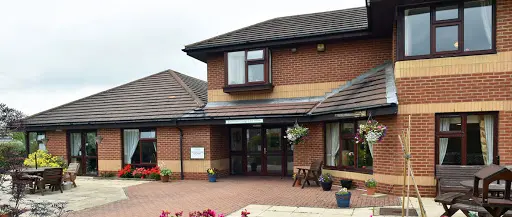
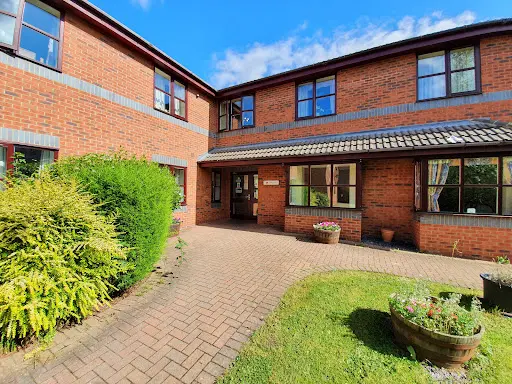
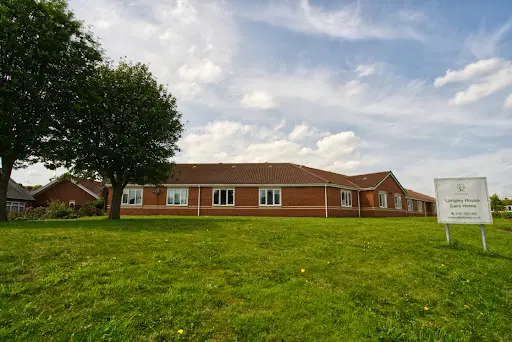
Langley House Residential Care Home, Horden
At a Glance
The information you need to decide whether this home warrants a closer look.
Residential homes, Homecare agencies
Staff warmth score
of reviewers answered yes
Good to know
- Registered beds30
- SpecialismsCaring for adults over 65 yrs, Dementia, Physical disabilities, Sensory impairment
- Last inspected2022-11-23
Save Langley House Residential Care Home, Horden to your shortlist
Keep a running list, add visit notes, and compare homes side-by-side. Free account — it takes a minute.
STAGE 4 — RESEARCHING CARE HOMES
Visit homes. Compare them side by side. Choose with confidence.
Most of us will view care homes the way we view houses, impression, atmosphere, the feeling in the corridor. We go home, try to remember what we saw, and make a permanent decision from a blurred memory.

The DCC shortlist gives every home you visit a structured record: the same twelve questions, answered the same way, every time. When you’re ready to choose, pull any two homes side by side and compare them directly. Same criteria, same evidence, your notes and your scores.
The Evidence
What the review data, the inspection reports, and the dementia-care evidence base tell us about this home.
What families say
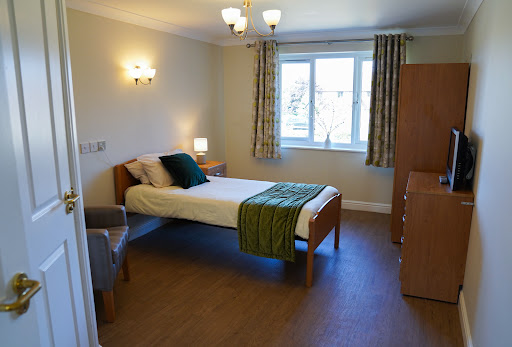
The atmosphere here strikes visitors as genuinely caring and supportive. People talk about finding a welcoming environment where staff show real concern for each resident's wellbeing. There's good space throughout, making it easier for those with mobility challenges to move around comfortably.
The eight family priority themes
- Staff warmth72
- Compassion & dignity72
- Cleanliness70
- Activities & engagement60
- Food quality58
- Healthcare65
- Management & leadership74
- Resident happiness68
What inspectors found
Inspected 2022-11-23
Is this home safe?
Is the care effective?
Effective was rated Good, covering the areas of training, care planning, healthcare access, and nutrition. The published text does not detail specific dementia training programmes completed by staff, the frequency of care plan reviews, or how GP access is arranged. A Good rating in this domain indicates that inspectors found these systems to be working adequately at the time of the visit. The home lists dementia as a specialism, which implies an expectation of staff knowledge above a basic level.Is this home caring?
The Caring domain was rated Good, covering staff warmth, dignity, respect, and support for independence. This domain showed improvement from the previous inspection. The published text does not include specific inspector observations of staff interactions, such as whether staff used residents' preferred names, moved at an unhurried pace, or responded sensitively to distress. No resident or relative quotes are recorded in the available published summary.Is the home responsive?
The Responsive domain was rated Good, covering activities, individual engagement, responsiveness to complaints, and end-of-life care planning. This represents an improvement from the previous rating. The published text does not describe specific activities observed during the inspection, whether the programme is tailored to individuals, or what provision exists for residents with advanced dementia who cannot join group activities. The home specialises in dementia, which implies a commitment to meaningful engagement for people at different stages.Is the home well-led?
The Well-led domain was rated Good, representing an improvement from the previous Requires Improvement rating. The home has a named registered manager, Miss Joeanne Millsip Nicholson, and two nominated individuals are recorded: Mrs Michelle Lovelace and Mr Gareth Nesbit. The presence of a clear leadership structure, combined with improvement across all five domains, indicates that managerial oversight has strengthened since the previous inspection. The published text does not describe the manager's tenure, staff culture, or how concerns and incidents are handled and learned from.
Source: CQC inspection report →
What the evidence base says
The home provides specialist support for people with dementia, sensory impairments and physical disabilities. They care for adults over 65 who need extra help managing these conditions. For residents living with dementia, the secure environment and skilled staff provide essential reassurance. The team understands how to support people through the challenges dementia brings, helping them feel safe and valued. All areas worth probing directly during a visit.
The DCC Verdict
Our editorial view, built from the three lenses: what families tell us, what inspectors record, and how the home sits against good dementia-care practice.
DCC Family Score
Langley House Care Centre scores 72 out of 100, reflecting a solid improvement from its previous Requires Improvement rating to Good across all five domains. The inspection confirmed meaningful progress in leadership and care quality, but limited specific detail on day-to-day experience means several areas rely on general compliance statements rather than direct observations or resident testimony.
Homes in North East typically score 68–82.The three-lens summary
What families tell us
The atmosphere here strikes visitors as genuinely caring and supportive. People talk about finding a welcoming environment where staff show real concern for each resident's wellbeing. There's good space throughout, making it easier for those with mobility challenges to move around comfortably.
What inspectors have recorded
Staff here earn particular praise for their skill and responsiveness. Families describe feeling reassured by how attentive the team is to residents' needs, noting they demonstrate the kind of genuine concern that makes all the difference in specialist care settings.
How it sits against good practice
Sometimes the right place just feels different — where professional expertise meets authentic compassion.
Worth a visit
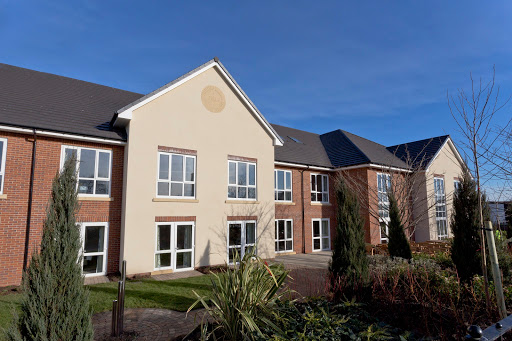
Langley House Care Centre, on Sunderland Road in Peterlee, was rated Good at its inspection in October 2022 and has since been reviewed in July 2023 with no change to that rating. Importantly, this is a home that has moved upward: it was previously rated Requires Improvement, and achieving Good across all five domains, covering safety, effectiveness, caring, responsiveness, and leadership, is a meaningful step. The home cares for up to 30 people, including those living with dementia, physical disabilities, and sensory impairment, and a clear management structure is in place with a named registered manager. The main limitation of this report is that the published inspection text is brief and does not contain the specific observations, quotes, or detail that families most need: whether staff use preferred names, how residents spend their days, what the food is actually like, and how many staff are on at night. These are not criticisms of the home; they are simply gaps in the available evidence. Before you make a decision, visit during the afternoon, ask to see last week's actual staffing rota, and watch how staff respond to residents who seem unsettled. Those thirty minutes of observation will tell you more than any document.
The three questions to ask when you visitSave this home. Compare it against your shortlist.
Let our analysis show you how Langley House Residential Care Home, Horden measures up against the other homes you’re considering. Free account.
In Their Own Words
How Langley House Residential Care Home, Horden describes itself — collected from its own website. DCC has not edited or independently verified the content in this tab.
Where skilled staff create genuine security for vulnerable residents
Langley House Care Centre – Your Trusted residential home,homecare agency
When your loved one needs specialist care, finding somewhere that combines professional skill with genuine warmth feels almost impossible. Langley House Care Centre in Peterlee brings both together, creating a secure environment where residents with dementia, sensory impairments and physical disabilities receive attentive, responsive support. Families consistently describe feeling confident their relatives are in capable hands.
Who they care for
The home provides specialist support for people with dementia, sensory impairments and physical disabilities. They care for adults over 65 who need extra help managing these conditions.
For residents living with dementia, the secure environment and skilled staff provide essential reassurance. The team understands how to support people through the challenges dementia brings, helping them feel safe and valued.
“Sometimes the right place just feels different — where professional expertise meets authentic compassion.”
DCC does not edit or curate content in this tab. For independently curated information, see The Evidence and DCC Verdict.
The DCC Verdict
Our editorial view, built from the three lenses: what families tell us, what inspectors record, and how the home sits against good dementia-care practice.
DCC Family Score
Langley House Care Centre scores 72 out of 100, reflecting a solid improvement from its previous Requires Improvement rating to Good across all five domains. The inspection confirmed meaningful progress in leadership and care quality, but limited specific detail on day-to-day experience means several areas rely on general compliance statements rather than direct observations or resident testimony.
Homes in North East typically score 68–82.The three-lens summary
What families tell us
The atmosphere here strikes visitors as genuinely caring and supportive. People talk about finding a welcoming environment where staff show real concern for each resident's wellbeing. There's good space throughout, making it easier for those with mobility challenges to move around comfortably.
What inspectors have recorded
Staff here earn particular praise for their skill and responsiveness. Families describe feeling reassured by how attentive the team is to residents' needs, noting they demonstrate the kind of genuine concern that makes all the difference in specialist care settings.
How it sits against good practice
Sometimes the right place just feels different — where professional expertise meets authentic compassion.
Worth a visit
Langley House Care Centre, on Sunderland Road in Peterlee, was rated Good at its inspection in October 2022 and has since been reviewed in July 2023 with no change to that rating. Importantly, this is a home that has moved upward: it was previously rated Requires Improvement, and achieving Good across all five domains, covering safety, effectiveness, caring, responsiveness, and leadership, is a meaningful step. The home cares for up to 30 people, including those living with dementia, physical disabilities, and sensory impairment, and a clear management structure is in place with a named registered manager. The main limitation of this report is that the published inspection text is brief and does not contain the specific observations, quotes, or detail that families most need: whether staff use preferred names, how residents spend their days, what the food is actually like, and how many staff are on at night. These are not criticisms of the home; they are simply gaps in the available evidence. Before you make a decision, visit during the afternoon, ask to see last week's actual staffing rota, and watch how staff respond to residents who seem unsettled. Those thirty minutes of observation will tell you more than any document.
The three questions to ask when you visitSave this home. Compare it against your shortlist.
Let our analysis show you how Langley House Residential Care Home, Horden measures up against the other homes you’re considering. Free account.
In Their Own Words
How Langley House Residential Care Home, Horden describes itself — collected from its own website. DCC has not edited or independently verified the content in this tab.
Where skilled staff create genuine security for vulnerable residents
Langley House Care Centre – Your Trusted residential home,homecare agency
When your loved one needs specialist care, finding somewhere that combines professional skill with genuine warmth feels almost impossible. Langley House Care Centre in Peterlee brings both together, creating a secure environment where residents with dementia, sensory impairments and physical disabilities receive attentive, responsive support. Families consistently describe feeling confident their relatives are in capable hands.
Who they care for
The home provides specialist support for people with dementia, sensory impairments and physical disabilities. They care for adults over 65 who need extra help managing these conditions.
For residents living with dementia, the secure environment and skilled staff provide essential reassurance. The team understands how to support people through the challenges dementia brings, helping them feel safe and valued.
Management & ethos
Staff here earn particular praise for their skill and responsiveness. Families describe feeling reassured by how attentive the team is to residents' needs, noting they demonstrate the kind of genuine concern that makes all the difference in specialist care settings.
The home & environment
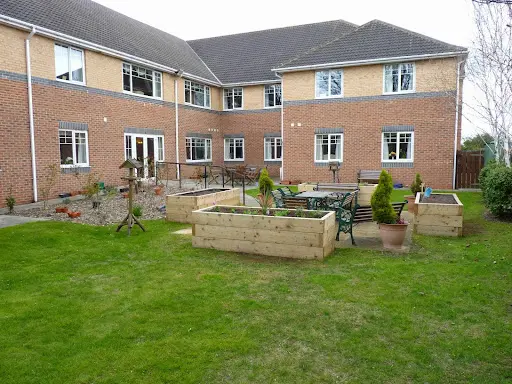
Entertainment and activities help keep residents stimulated and engaged throughout their days. The single-level layout removes the challenge of stairs, making all areas accessible for those with physical disabilities.
“Sometimes the right place just feels different — where professional expertise meets authentic compassion.”
DCC does not edit or curate content in this tab. For independently curated information, see The Evidence and DCC Verdict.