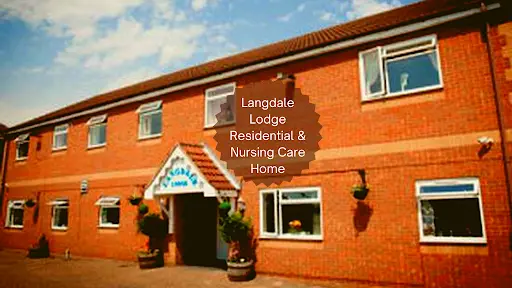
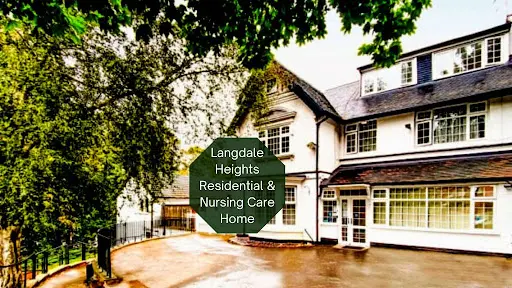
Langdale Heights Residential & Nursing Care Home
At a Glance
The information you need to decide whether this home warrants a closer look.
Nursing homes
Staff warmth score
of reviewers answered yes
Good to know
- Registered beds31
- SpecialismsCaring for adults over 65 yrs, Caring for adults under 65 yrs, Dementia, Eating disorders, Mental health conditions, Physical disabilities, Sensory impairment
- Last inspected2018-08-07
Save Langdale Heights Residential & Nursing Care Home to your shortlist
Keep a running list, add visit notes, and compare homes side-by-side. Free account — it takes a minute.
STAGE 4 — RESEARCHING CARE HOMES
Visit homes. Compare them side by side. Choose with confidence.
Most of us will view care homes the way we view houses, impression, atmosphere, the feeling in the corridor. We go home, try to remember what we saw, and make a permanent decision from a blurred memory.

The DCC shortlist gives every home you visit a structured record: the same twelve questions, answered the same way, every time. When you’re ready to choose, pull any two homes side by side and compare them directly. Same criteria, same evidence, your notes and your scores.
The Evidence
What the review data, the inspection reports, and the dementia-care evidence base tell us about this home.
What families say
The atmosphere here strikes families as genuinely welcoming from their first visit. Staff take time to understand each resident's personality and preferences, adjusting their approach accordingly. Families describe feeling comfortable dropping in whenever they want, with carers always happy to chat about their loved one's day.
The eight family priority themes
- Staff warmth52
- Compassion & dignity52
- Cleanliness52
- Activities & engagement50
- Food quality50
- Healthcare52
- Management & leadership55
- Resident happiness52
What inspectors found
Inspected 2018-08-07
Is this home safe?
Is the care effective?
Langdale Heights was rated Good for effectiveness at its December 2020 inspection. The home lists dementia, mental health conditions, physical disabilities, eating disorders, and sensory impairments as specialisms, meaning it is expected to hold expertise across a wide range of complex needs. No detail about care plan quality, dementia training, GP access, medication management, or food and nutrition is included in the published findings. The monitoring review in July 2023 did not trigger any change to this rating.Is this home caring?
The home was rated Good for caring at its December 2020 inspection. No inspector observations about staff warmth, the pace of care, use of preferred names, response to distress, or dignity in personal care are included in the published findings. There are no resident or family quotes recorded. The monitoring review in July 2023 found no evidence requiring a change to this domain rating.Is the home responsive?
Langdale Heights was rated Good for responsiveness at its December 2020 inspection. No detail about the activities programme, individual engagement for people who cannot join group activities, how the home responds to complaints, or how it supports end-of-life planning is included in the published findings. The home's specialism list includes dementia and mental health conditions, where meaningful individual activity is especially important.Is the home well-led?
The home was rated Good for leadership at its December 2020 inspection. The registration record names two registered managers and a nominated individual, indicating a defined management structure. No detail about the managers' tenure, visibility within the home, staff culture, governance arrangements, or how the home handles feedback and complaints is included in the published findings. The July 2023 monitoring review found nothing requiring reassessment.
Source: CQC inspection report →
What the evidence base says
Langdale Heights supports people with varied needs, including dementia, mental health conditions, physical disabilities, and sensory impairments. They also care for younger adults under 65 and those with eating disorders. The staff's approach to dementia care focuses on flexibility and observation. Rather than forcing routines, they adapt to how each person experiences their condition, adjusting their support as needs change day by day. All areas worth probing directly during a visit.
The DCC Verdict
Our editorial view, built from the three lenses: what families tell us, what inspectors record, and how the home sits against good dementia-care practice.
DCC Family Score
Langdale Heights was rated Good across all five inspection domains, but the inspection text provided contains almost no specific observations, quotes, or direct evidence. Every theme scores in the 'present but generic' band because the published findings do not include the detail families need to judge day-to-day quality with confidence.
Homes in East Midlands typically score 68–82.The three-lens summary
What families tell us
The atmosphere here strikes families as genuinely welcoming from their first visit. Staff take time to understand each resident's personality and preferences, adjusting their approach accordingly. Families describe feeling comfortable dropping in whenever they want, with carers always happy to chat about their loved one's day.
What inspectors have recorded
Communication stands out as a real strength here. Families receive regular updates through phone calls and emails, keeping them connected to their loved one's daily life. Staff show remarkable patience when caring for residents with complex behaviours, maintaining their composure even in challenging moments.
How it sits against good practice
For families facing difficult decisions about specialist care, seeing how staff here handle both routine moments and end-of-life support with equal compassion can bring genuine comfort.
Worth a visit
Langdale Heights, on Burton Road in Derby, was rated Good across all five inspection domains at its last full inspection in December 2020. A monitoring review carried out in July 2023 found no evidence requiring a change to that rating. The home is registered to provide nursing care and lists dementia, mental health conditions, physical disabilities, and eating disorders among its specialisms, across 31 beds. The significant limitation here is that the published inspection findings contain almost no specific detail: no inspector observations, no resident or family quotes, and no description of daily life inside the home. A Good rating is a positive baseline, but it was awarded more than four years ago and the evidence behind it is not visible in what has been published. Before visiting, read independent reviews on Google and Carehome.co.uk, and on the visit itself pay close attention to how staff interact with residents in corridors and communal areas, ask to see last week's actual staffing rota (not just the template), and ask the manager directly about dementia training content and night staffing numbers.
The three questions to ask when you visitSave this home. Compare it against your shortlist.
Let our analysis show you how Langdale Heights Residential & Nursing Care Home measures up against the other homes you’re considering. Free account.
In Their Own Words
How Langdale Heights Residential & Nursing Care Home describes itself — collected from its own website. DCC has not edited or independently verified the content in this tab.
Where patience and personal attention shape daily life
Langdale Heights – Expert Care in Derby
Families searching for dementia care in Derby often discover something reassuring at Langdale Heights. This care home has built its reputation on staff who genuinely observe and respond to each person's changing needs. While one family did experience a concerning medication issue during a brief stay, the overwhelming pattern from long-term residents' families tells a different story — one of consistent attentiveness and adaptability.
Who they care for
Langdale Heights supports people with varied needs, including dementia, mental health conditions, physical disabilities, and sensory impairments. They also care for younger adults under 65 and those with eating disorders.
The staff's approach to dementia care focuses on flexibility and observation. Rather than forcing routines, they adapt to how each person experiences their condition, adjusting their support as needs change day by day.
“For families facing difficult decisions about specialist care, seeing how staff here handle both routine moments and end-of-life support with equal compassion can bring genuine comfort.”
DCC does not edit or curate content in this tab. For independently curated information, see The Evidence and DCC Verdict.
The DCC Verdict
Our editorial view, built from the three lenses: what families tell us, what inspectors record, and how the home sits against good dementia-care practice.
DCC Family Score
Langdale Heights was rated Good across all five inspection domains, but the inspection text provided contains almost no specific observations, quotes, or direct evidence. Every theme scores in the 'present but generic' band because the published findings do not include the detail families need to judge day-to-day quality with confidence.
Homes in East Midlands typically score 68–82.The three-lens summary
What families tell us
The atmosphere here strikes families as genuinely welcoming from their first visit. Staff take time to understand each resident's personality and preferences, adjusting their approach accordingly. Families describe feeling comfortable dropping in whenever they want, with carers always happy to chat about their loved one's day.
What inspectors have recorded
Communication stands out as a real strength here. Families receive regular updates through phone calls and emails, keeping them connected to their loved one's daily life. Staff show remarkable patience when caring for residents with complex behaviours, maintaining their composure even in challenging moments.
How it sits against good practice
For families facing difficult decisions about specialist care, seeing how staff here handle both routine moments and end-of-life support with equal compassion can bring genuine comfort.
Worth a visit
Langdale Heights, on Burton Road in Derby, was rated Good across all five inspection domains at its last full inspection in December 2020. A monitoring review carried out in July 2023 found no evidence requiring a change to that rating. The home is registered to provide nursing care and lists dementia, mental health conditions, physical disabilities, and eating disorders among its specialisms, across 31 beds. The significant limitation here is that the published inspection findings contain almost no specific detail: no inspector observations, no resident or family quotes, and no description of daily life inside the home. A Good rating is a positive baseline, but it was awarded more than four years ago and the evidence behind it is not visible in what has been published. Before visiting, read independent reviews on Google and Carehome.co.uk, and on the visit itself pay close attention to how staff interact with residents in corridors and communal areas, ask to see last week's actual staffing rota (not just the template), and ask the manager directly about dementia training content and night staffing numbers.
The three questions to ask when you visitSave this home. Compare it against your shortlist.
Let our analysis show you how Langdale Heights Residential & Nursing Care Home measures up against the other homes you’re considering. Free account.
In Their Own Words
How Langdale Heights Residential & Nursing Care Home describes itself — collected from its own website. DCC has not edited or independently verified the content in this tab.
Where patience and personal attention shape daily life
Langdale Heights – Expert Care in Derby
Families searching for dementia care in Derby often discover something reassuring at Langdale Heights. This care home has built its reputation on staff who genuinely observe and respond to each person's changing needs. While one family did experience a concerning medication issue during a brief stay, the overwhelming pattern from long-term residents' families tells a different story — one of consistent attentiveness and adaptability.
Who they care for
Langdale Heights supports people with varied needs, including dementia, mental health conditions, physical disabilities, and sensory impairments. They also care for younger adults under 65 and those with eating disorders.
The staff's approach to dementia care focuses on flexibility and observation. Rather than forcing routines, they adapt to how each person experiences their condition, adjusting their support as needs change day by day.
Management & ethos
Communication stands out as a real strength here. Families receive regular updates through phone calls and emails, keeping them connected to their loved one's daily life. Staff show remarkable patience when caring for residents with complex behaviours, maintaining their composure even in challenging moments.
The home & environment
The spaces feel comfortable and well-maintained, with cleanliness clearly prioritised throughout. Residents enjoy organised activities and group outings that encourage social connection. The kitchen adapts meals to suit individual dietary needs and preferences, preparing food fresh on-site.
“For families facing difficult decisions about specialist care, seeing how staff here handle both routine moments and end-of-life support with equal compassion can bring genuine comfort.”
DCC does not edit or curate content in this tab. For independently curated information, see The Evidence and DCC Verdict.