Haddon Hall Care Home

At a Glance
The information you need to decide whether this home warrants a closer look.
Nursing homes
Staff warmth score
of reviewers answered yes
Good to know
- Registered beds75
- SpecialismsCaring for adults over 65 yrs, Caring for adults under 65 yrs, Dementia
- Last inspected2023-09-20
Save Haddon Hall Care Home to your shortlist
Keep a running list, add visit notes, and compare homes side-by-side. Free account — it takes a minute.
STAGE 4 — RESEARCHING CARE HOMES
Visit homes. Compare them side by side. Choose with confidence.
Most of us will view care homes the way we view houses, impression, atmosphere, the feeling in the corridor. We go home, try to remember what we saw, and make a permanent decision from a blurred memory.

The DCC shortlist gives every home you visit a structured record: the same twelve questions, answered the same way, every time. When you’re ready to choose, pull any two homes side by side and compare them directly. Same criteria, same evidence, your notes and your scores.
The Evidence
What the review data, the inspection reports, and the dementia-care evidence base tell us about this home.
What families say
Families describe an admission process that feels thorough and reassuring, with clear communication from the start. The home regularly hosts craft workshops, music performances and organised outings that give residents something to look forward to. Many visitors comment on seeing their loved ones engaged and enjoying these activities.
The eight family priority themes
- Staff warmth30
- Compassion & dignity30
- Cleanliness30
- Activities & engagement25
- Food quality25
- Healthcare25
- Management & leadership25
- Resident happiness30
What inspectors found
Inspected 2023-09-20
Is this home safe?
Is the care effective?
No domain-level findings from the September 2023 inspection are available in the text provided. Effectiveness covers care planning, dementia training, healthcare access, and food quality. None of these can be confirmed or assessed from the material supplied. The March 2024 inspection rated Effective as Good, which is a positive signal, but without the supporting detail it is not possible to say what specifically improved or what the baseline was.Is this home caring?
No findings from the September 2023 inspection are available that describe how staff interact with residents, whether dignity and privacy are respected, or how individuals are addressed. The March 2024 inspection rated Caring as Good, but without the underlying observations or testimony that supported that rating it is not possible to describe what inspectors actually saw. Staff warmth and compassion are the two themes families mention most often in positive reviews, at 57.3% and 55.2% respectively, which makes the absence of specific evidence here a real gap.Is the home responsive?
No findings from the September 2023 inspection are available that describe activities, individualised engagement, or end-of-life planning. The March 2024 inspection rated Responsive as Good. Without the supporting detail, it is not possible to confirm whether the home runs a varied activity programme, supports one-to-one engagement for residents with advanced dementia, or involves families in care reviews. These are all areas where practice in dementia care homes varies considerably even within the same rating category.Is the home well-led?
The September 2023 inspection resulted in an Inadequate overall rating, which almost always reflects significant failures in leadership and governance. Individual domain findings are not available in the text provided, so it is not possible to describe what specifically went wrong. The home is registered under Porthaven Care Homes Limited, with a named registered manager and nominated individual. The March 2024 inspection rated Well-led as Good, representing a substantial change. Leadership stability and the quality of governance systems are the factors Good Practice research most strongly associates with sustained quality improvement rather than a single good inspection outcome.
Source: CQC inspection report →
What the evidence base says
The home cares for adults both over and under 65 years old. They also provide specialist dementia support. Families have noted staff showing real patience with residents experiencing cognitive decline. While the home works hard to support those with dementia, they've shown good judgement in recognising when a resident's needs exceed what they can safely manage. All areas worth probing directly during a visit.
The DCC Verdict
Our editorial view, built from the three lenses: what families tell us, what inspectors record, and how the home sits against good dementia-care practice.
DCC Family Score
This home received an overall Inadequate rating at the September 2023 inspection, having previously been rated Requires Improvement. The inspection report provided with this submission contains no domain-level findings, so every score reflects the serious concern that an Inadequate rating carries rather than specific observed strengths.
Homes in East Midlands typically score 68–82.The three-lens summary
What families tell us
Families describe an admission process that feels thorough and reassuring, with clear communication from the start. The home regularly hosts craft workshops, music performances and organised outings that give residents something to look forward to. Many visitors comment on seeing their loved ones engaged and enjoying these activities.
What inspectors have recorded
Staff here tend to be described as approachable and patient, taking time to connect emotionally rather than just completing tasks. Several families have shared how staff provided comfort and respect during their loved one's final days, offering support through bereavement. Though one family reported concerns about staffing levels affecting care quality, most accounts describe staff who are genuinely present for residents.
How it sits against good practice
Haddon Hall seems to understand that small moments of connection matter just as much as the bigger picture of care.
Worth a visit
The home at 135 London Road, Buxton was rated Inadequate at its most recent inspection in September 2023, having previously been rated Requires Improvement. This means the home declined between inspections rather than improving. An Inadequate rating is the most serious outcome available and typically means inspectors found significant failures in at least one area that put people at risk. Individual domain ratings from that inspection are listed in the registration data as not yet rated, and the full inspection text provided for this report contains no domain-level findings, only registration details. That limits what this Family View can tell you with certainty about day-to-day life inside the home. The most important thing to know is that a more recent assessment, dated 13 March 2024 and published 15 May 2024, rated the home Good across all five domains. That is a substantial change in a short time, and it is genuinely positive if the improvement is sustained. However, a single Good rating following an Inadequate does not automatically mean all problems are resolved. Before you consider placing your mum or dad here, visit in person and ask the manager directly what failed at the 2023 inspection, what specific changes were made, and how the home is monitoring whether those changes are holding. Ask to see the actual staffing rota from the past two weeks, not a template, and spend time in a communal area observing how staff interact with residents.
The three questions to ask when you visitSave this home. Compare it against your shortlist.
Let our analysis show you how Haddon Hall Care Home measures up against the other homes you’re considering. Free account.
In Their Own Words
How Haddon Hall Care Home describes itself — collected from its own website. DCC has not edited or independently verified the content in this tab.
Where dignity meets genuine warmth in the heart of Buxton
Nursing home in Buxton: True Peace of Mind
When families visit Haddon Hall Care Home in Buxton, they often mention feeling genuinely welcomed — not just by the hotel-standard surroundings, but by staff who remember their names and ask about their day. This East Midlands care home supports residents over and under 65, including those living with dementia.
Who they care for
The home cares for adults both over and under 65 years old. They also provide specialist dementia support.
Families have noted staff showing real patience with residents experiencing cognitive decline. While the home works hard to support those with dementia, they've shown good judgement in recognising when a resident's needs exceed what they can safely manage.
“Haddon Hall seems to understand that small moments of connection matter just as much as the bigger picture of care.”
DCC does not edit or curate content in this tab. For independently curated information, see The Evidence and DCC Verdict.
The DCC Verdict
Our editorial view, built from the three lenses: what families tell us, what inspectors record, and how the home sits against good dementia-care practice.
DCC Family Score
This home received an overall Inadequate rating at the September 2023 inspection, having previously been rated Requires Improvement. The inspection report provided with this submission contains no domain-level findings, so every score reflects the serious concern that an Inadequate rating carries rather than specific observed strengths.
Homes in East Midlands typically score 68–82.The three-lens summary
What families tell us
Families describe an admission process that feels thorough and reassuring, with clear communication from the start. The home regularly hosts craft workshops, music performances and organised outings that give residents something to look forward to. Many visitors comment on seeing their loved ones engaged and enjoying these activities.
What inspectors have recorded
Staff here tend to be described as approachable and patient, taking time to connect emotionally rather than just completing tasks. Several families have shared how staff provided comfort and respect during their loved one's final days, offering support through bereavement. Though one family reported concerns about staffing levels affecting care quality, most accounts describe staff who are genuinely present for residents.
How it sits against good practice
Haddon Hall seems to understand that small moments of connection matter just as much as the bigger picture of care.
Worth a visit
The home at 135 London Road, Buxton was rated Inadequate at its most recent inspection in September 2023, having previously been rated Requires Improvement. This means the home declined between inspections rather than improving. An Inadequate rating is the most serious outcome available and typically means inspectors found significant failures in at least one area that put people at risk. Individual domain ratings from that inspection are listed in the registration data as not yet rated, and the full inspection text provided for this report contains no domain-level findings, only registration details. That limits what this Family View can tell you with certainty about day-to-day life inside the home. The most important thing to know is that a more recent assessment, dated 13 March 2024 and published 15 May 2024, rated the home Good across all five domains. That is a substantial change in a short time, and it is genuinely positive if the improvement is sustained. However, a single Good rating following an Inadequate does not automatically mean all problems are resolved. Before you consider placing your mum or dad here, visit in person and ask the manager directly what failed at the 2023 inspection, what specific changes were made, and how the home is monitoring whether those changes are holding. Ask to see the actual staffing rota from the past two weeks, not a template, and spend time in a communal area observing how staff interact with residents.
The three questions to ask when you visitSave this home. Compare it against your shortlist.
Let our analysis show you how Haddon Hall Care Home measures up against the other homes you’re considering. Free account.
In Their Own Words
How Haddon Hall Care Home describes itself — collected from its own website. DCC has not edited or independently verified the content in this tab.
Where dignity meets genuine warmth in the heart of Buxton
Nursing home in Buxton: True Peace of Mind
When families visit Haddon Hall Care Home in Buxton, they often mention feeling genuinely welcomed — not just by the hotel-standard surroundings, but by staff who remember their names and ask about their day. This East Midlands care home supports residents over and under 65, including those living with dementia.
Who they care for
The home cares for adults both over and under 65 years old. They also provide specialist dementia support.
Families have noted staff showing real patience with residents experiencing cognitive decline. While the home works hard to support those with dementia, they've shown good judgement in recognising when a resident's needs exceed what they can safely manage.
Management & ethos
Staff here tend to be described as approachable and patient, taking time to connect emotionally rather than just completing tasks. Several families have shared how staff provided comfort and respect during their loved one's final days, offering support through bereavement. Though one family reported concerns about staffing levels affecting care quality, most accounts describe staff who are genuinely present for residents.
The home & environment
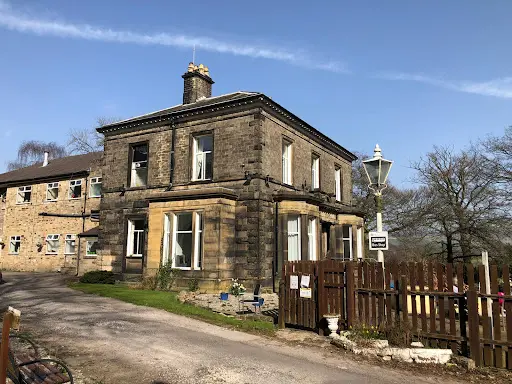
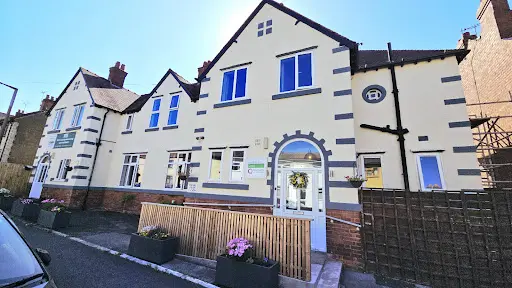
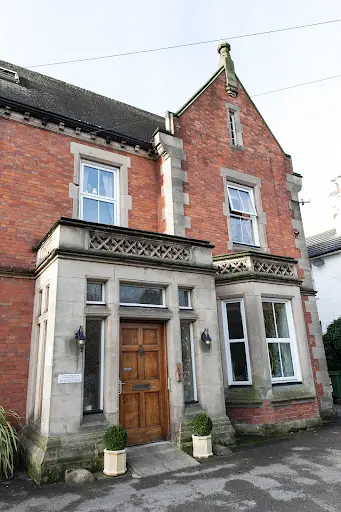
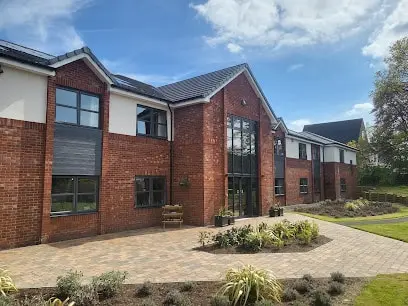
The physical environment strikes visitors as well-maintained and comfortable, with spaces that feel conducive to relaxed family visits. The home maintains presentation standards that families often compare to hotel settings, creating an atmosphere where both residents and visitors feel at ease.
“Haddon Hall seems to understand that small moments of connection matter just as much as the bigger picture of care.”
DCC does not edit or curate content in this tab. For independently curated information, see The Evidence and DCC Verdict.