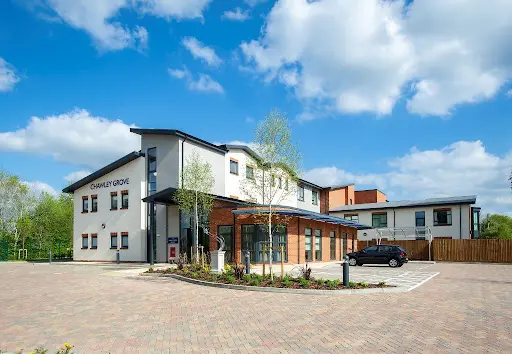
Coxwell Hall
At a Glance
The information you need to decide whether this home warrants a closer look.
Nursing homes
Staff warmth score
of reviewers answered yes
Good to know
- Registered beds66
- SpecialismsCaring for adults over 65 yrs, Caring for adults under 65 yrs, Dementia, Physical disabilities, Sensory impairment
- Last inspected2022-10-01
Save Coxwell Hall to your shortlist
Keep a running list, add visit notes, and compare homes side-by-side. Free account — it takes a minute.
STAGE 4 — RESEARCHING CARE HOMES
Visit homes. Compare them side by side. Choose with confidence.
Most of us will view care homes the way we view houses, impression, atmosphere, the feeling in the corridor. We go home, try to remember what we saw, and make a permanent decision from a blurred memory.

The DCC shortlist gives every home you visit a structured record: the same twelve questions, answered the same way, every time. When you’re ready to choose, pull any two homes side by side and compare them directly. Same criteria, same evidence, your notes and your scores.
The Evidence
What the review data, the inspection reports, and the dementia-care evidence base tell us about this home.
What families say
Several families have noticed how the warm, caring approach of staff translates into visible contentment among residents. The home's informal style seems to help people feel more at ease, with family members reporting that their relatives adapted to their new surroundings remarkably quickly.
The eight family priority themes
- Staff warmth72
- Compassion & dignity72
- Cleanliness70
- Activities & engagement65
- Food quality65
- Healthcare70
- Management & leadership68
- Resident happiness68
What inspectors found
Inspected 2022-10-01
Is this home safe?
Is the care effective?
The home received a Good rating for Effective at the July 2022 inspection. This domain covers care planning, training, nutrition, and access to healthcare. Dementia is listed as a specialism, which means inspectors would have considered whether staff have appropriate training and whether care plans reflect the needs of people living with dementia. No specific training completion rates, GP access arrangements, or care plan examples are described in the published summary. The Good rating indicates these areas met the required standard without the specific detail that would allow a more confident assessment.Is this home caring?
Coxwell Hall and Mews received a Good rating for Caring at the July 2022 inspection. This domain is where inspectors assess whether staff treat people with warmth, respect their dignity, and support their independence. It is the domain most closely linked to the day-to-day experience of living in a care home. No direct observations of staff interactions, no resident quotes, and no specific examples of dignified care are recorded in the published summary. The Good rating confirms that inspectors were satisfied with what they saw, but families will need to form their own impression on a visit.Is the home responsive?
The home was rated Good for Responsive at the July 2022 inspection. This domain covers activities, how well the home meets individual needs, and end-of-life care planning. The home supports people with dementia, physical disabilities, and sensory impairment, all of which require individually tailored responses rather than a standard activity programme. No specific activity schedules, examples of one-to-one engagement, or end-of-life planning arrangements are described in the published summary. The Good rating confirms a satisfactory standard without the detail needed to assess quality of daily life with confidence.Is the home well-led?
The home received a Good rating for Well-led at the July 2022 inspection. A registered manager, Mrs Zipporah Wangari Magana, is named and in post, and a nominated individual, Mr Amar Sheikh, is also identified. This domain covers the culture of the home, how well governance systems work, and whether the home learns from incidents and complaints. The decline from a previous Outstanding to Good at this inspection means the leadership was considered satisfactory rather than exceptional. No specific examples of governance activity, staff culture, or incident-learning processes are described in the published summary.
Source: CQC inspection report →
What the evidence base says
The home cares for adults both under and over 65, including those with physical disabilities and sensory impairments. Staff work with residents living with dementia, including those at more advanced stages, ensuring they can participate in the home's activities and outings. All areas worth probing directly during a visit.
The DCC Verdict
Our editorial view, built from the three lenses: what families tell us, what inspectors record, and how the home sits against good dementia-care practice.
DCC Family Score
Coxwell Hall and Mews scores 72 out of 100, reflecting a Good rating across all five inspection domains. The score is held back by the limited specific detail available in the published findings, meaning families will need to ask direct questions on a visit to fill in the gaps.
Homes in South East typically score 68–82.The three-lens summary
What families tell us
Several families have noticed how the warm, caring approach of staff translates into visible contentment among residents. The home's informal style seems to help people feel more at ease, with family members reporting that their relatives adapted to their new surroundings remarkably quickly.
What inspectors have recorded
Staff keep families connected through regular photo updates and phone calls, and involve them in care planning discussions. When families have made requests, they've found staff respond promptly.
How it sits against good practice
While one family raised serious concerns about hygiene standards, most describe a caring environment where residents appear content.
Worth a visit
Coxwell Hall and Mews Nursing Home, on Fernham Road in Faringdon, was rated Good across all five inspection domains at its most recent inspection in July 2022. The home supports up to 66 people, including those living with dementia, physical disabilities, and sensory impairment. A registered manager and a nominated individual are both named and in post. The Good rating represents a decline from a previous Outstanding rating, which means this inspection is worth looking at carefully rather than taking the headline at face value. The main limitation of this report is that the published inspection text contains very little specific detail: no direct observations, no resident or family quotes, and no named examples of what good practice looks like day to day. That makes it difficult to give you a confident picture of life inside the home. Before you decide, visit in person, ideally around lunchtime, and ask the manager directly about night staffing numbers, how agency use has changed since the previous inspection, and what led to the decline from Outstanding. The answers will tell you as much as any published rating.
The three questions to ask when you visitSave this home. Compare it against your shortlist.
Let our analysis show you how Coxwell Hall measures up against the other homes you’re considering. Free account.
In Their Own Words
How Coxwell Hall describes itself — collected from its own website. DCC has not edited or independently verified the content in this tab.
Warm staff create a relaxed atmosphere where residents settle in quickly
Dedicated nursing home Support in Faringdon
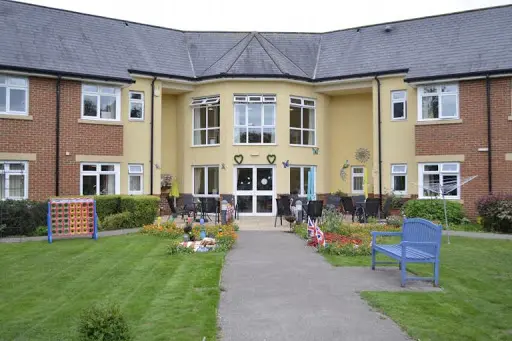
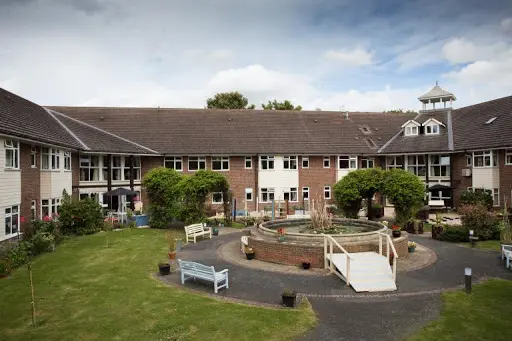
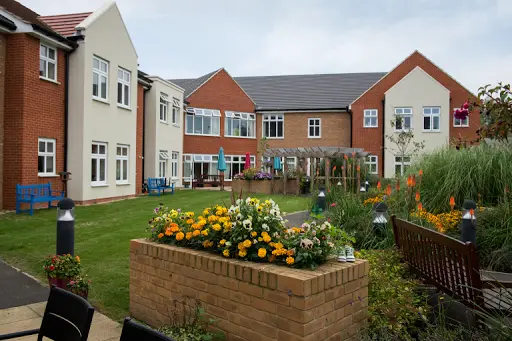
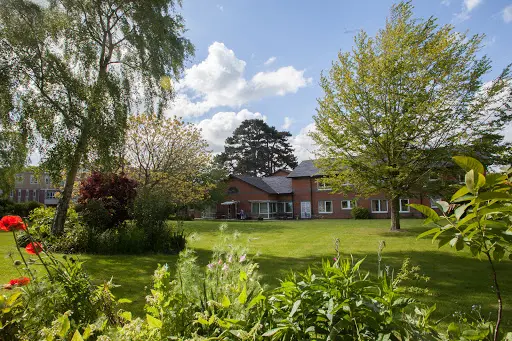
Families visiting Coxwell Hall and Mews Nursing Home in Faringdon often comment on how quickly their loved ones settle into life there. The home's informal approach — staff don't wear uniforms or name badges — helps create a more relaxed, domestic atmosphere. Located in this South East market town, the home supports residents with various needs including dementia care.
Who they care for
The home cares for adults both under and over 65, including those with physical disabilities and sensory impairments.
Staff work with residents living with dementia, including those at more advanced stages, ensuring they can participate in the home's activities and outings.
“While one family raised serious concerns about hygiene standards, most describe a caring environment where residents appear content.”
DCC does not edit or curate content in this tab. For independently curated information, see The Evidence and DCC Verdict.
The DCC Verdict
Our editorial view, built from the three lenses: what families tell us, what inspectors record, and how the home sits against good dementia-care practice.
DCC Family Score
Coxwell Hall and Mews scores 72 out of 100, reflecting a Good rating across all five inspection domains. The score is held back by the limited specific detail available in the published findings, meaning families will need to ask direct questions on a visit to fill in the gaps.
Homes in South East typically score 68–82.The three-lens summary
What families tell us
Several families have noticed how the warm, caring approach of staff translates into visible contentment among residents. The home's informal style seems to help people feel more at ease, with family members reporting that their relatives adapted to their new surroundings remarkably quickly.
What inspectors have recorded
Staff keep families connected through regular photo updates and phone calls, and involve them in care planning discussions. When families have made requests, they've found staff respond promptly.
How it sits against good practice
While one family raised serious concerns about hygiene standards, most describe a caring environment where residents appear content.
Worth a visit
Coxwell Hall and Mews Nursing Home, on Fernham Road in Faringdon, was rated Good across all five inspection domains at its most recent inspection in July 2022. The home supports up to 66 people, including those living with dementia, physical disabilities, and sensory impairment. A registered manager and a nominated individual are both named and in post. The Good rating represents a decline from a previous Outstanding rating, which means this inspection is worth looking at carefully rather than taking the headline at face value. The main limitation of this report is that the published inspection text contains very little specific detail: no direct observations, no resident or family quotes, and no named examples of what good practice looks like day to day. That makes it difficult to give you a confident picture of life inside the home. Before you decide, visit in person, ideally around lunchtime, and ask the manager directly about night staffing numbers, how agency use has changed since the previous inspection, and what led to the decline from Outstanding. The answers will tell you as much as any published rating.
The three questions to ask when you visitSave this home. Compare it against your shortlist.
Let our analysis show you how Coxwell Hall measures up against the other homes you’re considering. Free account.
In Their Own Words
How Coxwell Hall describes itself — collected from its own website. DCC has not edited or independently verified the content in this tab.
Warm staff create a relaxed atmosphere where residents settle in quickly
Dedicated nursing home Support in Faringdon
Families visiting Coxwell Hall and Mews Nursing Home in Faringdon often comment on how quickly their loved ones settle into life there. The home's informal approach — staff don't wear uniforms or name badges — helps create a more relaxed, domestic atmosphere. Located in this South East market town, the home supports residents with various needs including dementia care.
Who they care for
The home cares for adults both under and over 65, including those with physical disabilities and sensory impairments.
Staff work with residents living with dementia, including those at more advanced stages, ensuring they can participate in the home's activities and outings.
Management & ethos
Staff keep families connected through regular photo updates and phone calls, and involve them in care planning discussions. When families have made requests, they've found staff respond promptly.
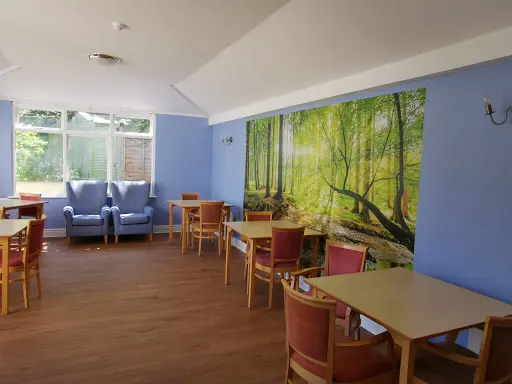
The home & environment
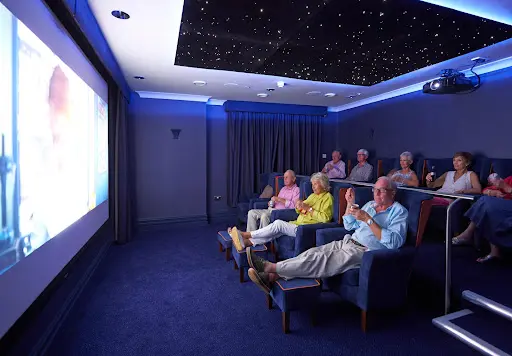
The home organises regular outings and activities that residents seem to enjoy participating in. Meals are well-regarded by those who've commented on the food.
“While one family raised serious concerns about hygiene standards, most describe a caring environment where residents appear content.”
DCC does not edit or curate content in this tab. For independently curated information, see The Evidence and DCC Verdict.