Clova House Residential Care Home
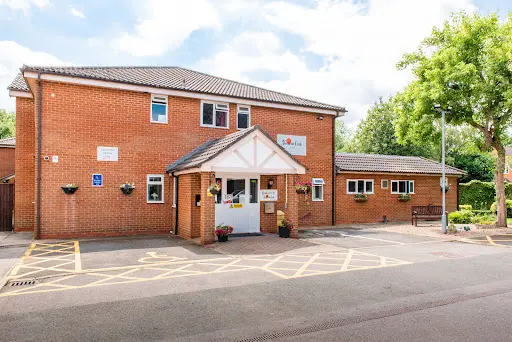
At a Glance
The information you need to decide whether this home warrants a closer look.
Residential homes
Staff warmth score
of reviewers answered yes
Good to know
- Registered beds20
- SpecialismsCaring for adults over 65 yrs, Dementia, Physical disabilities
- Last inspected2019-11-01
Save Clova House Residential Care Home to your shortlist
Keep a running list, add visit notes, and compare homes side-by-side. Free account — it takes a minute.
STAGE 4 — RESEARCHING CARE HOMES
Visit homes. Compare them side by side. Choose with confidence.
Most of us will view care homes the way we view houses, impression, atmosphere, the feeling in the corridor. We go home, try to remember what we saw, and make a permanent decision from a blurred memory.

The DCC shortlist gives every home you visit a structured record: the same twelve questions, answered the same way, every time. When you’re ready to choose, pull any two homes side by side and compare them directly. Same criteria, same evidence, your notes and your scores.
The Evidence
What the review data, the inspection reports, and the dementia-care evidence base tell us about this home.
What families say
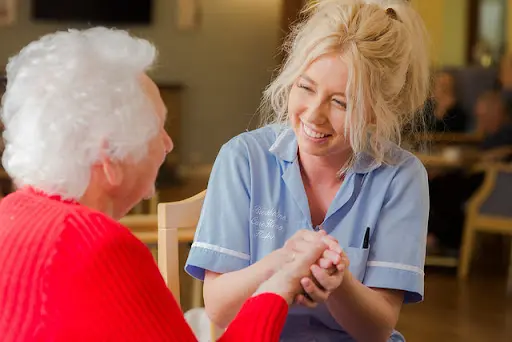
What strikes families visiting Clova House is how approachable everyone seems to be. There's a warmth here that goes beyond professional courtesy — staff genuinely appear to enjoy spending time with residents. The regular activities and entertainment help create a lively atmosphere where people can engage at their own pace.
The eight family priority themes
- Staff warmth72
- Compassion & dignity72
- Cleanliness70
- Activities & engagement65
- Food quality65
- Healthcare68
- Management & leadership72
- Resident happiness70
What inspectors found
Inspected 2019-11-01
Is this home safe?
Is the care effective?
The Effective domain was rated Good at the January 2024 assessment. For a home specialising in dementia care, this domain covers how well staff are trained, how care plans are written and updated, whether residents have regular access to GPs and other health professionals, and how well the home supports nutrition and hydration. None of those specifics are described in the published summary. A Good rating implies inspectors were satisfied, but you have no way to judge from the published text whether care plans are genuinely personalised or whether dementia training goes beyond a basic induction.Is this home caring?
The Caring domain was rated Good at the January 2024 assessment. This domain covers how staff treat the people who live in the home: whether interactions are kind and unhurried, whether privacy and dignity are respected, and whether residents are supported to maintain independence where possible. The published summary does not include any inspector observations of staff-resident interactions, any quotes from residents or relatives, or any specific examples of how dignity is upheld in practice. The rating is positive but the evidence behind it is not visible.Is the home responsive?
The Responsive domain was rated Good at the January 2024 assessment. This domain covers whether the home responds to individual needs and preferences, whether there is a meaningful activity programme, whether residents who cannot join group activities receive one-to-one engagement, and whether end-of-life wishes are recorded and honoured. For a home specialising in dementia care, individual responsiveness is particularly important because group activities may not be suitable for everyone. None of these specifics are described in the published summary.Is the home well-led?
The Well-led domain was rated Good at the January 2024 assessment. The registered manager is named as Mrs Bronja Mary Williams and the nominated individual is Mr Rhean Joygopaul. Having named, accountable individuals in these roles is a basic but important marker of stability. The published summary does not describe how the manager is visible to residents and staff day-to-day, how staff are supported to raise concerns, or what governance systems are in place to monitor quality. The home has two inspection records, the first resulting in a Requires Improvement overall rating and the most recent showing improvement across all domains.
Source: CQC inspection report →
What the evidence base says
The home specialises in caring for adults over 65, including those living with dementia and physical disabilities. This focused approach means staff have developed real expertise in supporting people with these specific needs. For those living with dementia, the personalised care approach at Clova House can make a real difference. Staff work to understand each person's preferences and routines, helping to maintain familiarity and comfort in daily life. All areas worth probing directly during a visit.
The DCC Verdict
Our editorial view, built from the three lenses: what families tell us, what inspectors record, and how the home sits against good dementia-care practice.
DCC Family Score
The home's most recent assessment in January 2024 rated all five domains as Good, which is a positive turnaround from the earlier Requires Improvement rating, but the published report contains very little specific detail to support any individual score above the mid-range. Every score reflects that positive direction while being honest about the thin evidence behind it.
Homes in East Midlands typically score 68–82.The three-lens summary
What families tell us
What strikes families visiting Clova House is how approachable everyone seems to be. There's a warmth here that goes beyond professional courtesy — staff genuinely appear to enjoy spending time with residents. The regular activities and entertainment help create a lively atmosphere where people can engage at their own pace.
What inspectors have recorded
The management team at Clova House makes themselves available to families, which really helps when you need to discuss your loved one's care. Staff take an individualised approach rather than following rigid routines, adapting to what works best for each person.
How it sits against good practice
If you're considering care options in Derby, visiting Clova House could help you get a feel for their approach to individualised care.
Worth a visit
Clova House Residential Care Home on Chellaston Road in Derby was assessed in January 2024 and rated Good across all five domains, including Safe, Effective, Caring, Responsive, and Well-led. This is encouraging because the home carries a headline Requires Improvement rating that dates from its previous inspection in November 2019, meaning the 2024 assessment represents a clear improvement in performance. The home is a small 20-bed service registered for adults over 65, people living with dementia, and people with physical disabilities. The named registered manager and nominated individual are on record, which is a basic but important sign that the home has stable leadership in place. The honest difficulty here is that the published report is a brief summary with no supporting detail: no inspector observations, no resident or relative quotes, and no specific findings about staffing, food, activities, or dementia care. Every Good rating may well be deserved, but you cannot verify it from the published text alone. Before you visit, prepare a list of questions covering night staffing numbers, how often care plans are reviewed, what dementia-specific training staff have completed, how much agency staff are used, and what a typical day looks like for your parent. Then observe for yourself: do staff make eye contact, use your parent's preferred name, and move without appearing rushed? Those are the things the inspection summary cannot tell you.
The three questions to ask when you visitSave this home. Compare it against your shortlist.
Let our analysis show you how Clova House Residential Care Home measures up against the other homes you’re considering. Free account.
In Their Own Words
How Clova House Residential Care Home describes itself — collected from its own website. DCC has not edited or independently verified the content in this tab.
Where personalised care meets genuine warmth in Derby
Compassionate Care in Derby at Clova House Residential Care Home
When you're looking for the right care in Derby, you want somewhere that treats your loved one as an individual, not just another resident. Clova House Residential Care Home has built its reputation on exactly this approach. Families talk about staff who take time to understand each person's unique needs and preferences, creating a genuinely welcoming environment for those living with dementia, physical disabilities, or simply needing support in later life.
Who they care for
The home specialises in caring for adults over 65, including those living with dementia and physical disabilities. This focused approach means staff have developed real expertise in supporting people with these specific needs.
For those living with dementia, the personalised care approach at Clova House can make a real difference. Staff work to understand each person's preferences and routines, helping to maintain familiarity and comfort in daily life.
“If you're considering care options in Derby, visiting Clova House could help you get a feel for their approach to individualised care.”
DCC does not edit or curate content in this tab. For independently curated information, see The Evidence and DCC Verdict.
The DCC Verdict
Our editorial view, built from the three lenses: what families tell us, what inspectors record, and how the home sits against good dementia-care practice.
DCC Family Score
The home's most recent assessment in January 2024 rated all five domains as Good, which is a positive turnaround from the earlier Requires Improvement rating, but the published report contains very little specific detail to support any individual score above the mid-range. Every score reflects that positive direction while being honest about the thin evidence behind it.
Homes in East Midlands typically score 68–82.The three-lens summary
What families tell us
What strikes families visiting Clova House is how approachable everyone seems to be. There's a warmth here that goes beyond professional courtesy — staff genuinely appear to enjoy spending time with residents. The regular activities and entertainment help create a lively atmosphere where people can engage at their own pace.
What inspectors have recorded
The management team at Clova House makes themselves available to families, which really helps when you need to discuss your loved one's care. Staff take an individualised approach rather than following rigid routines, adapting to what works best for each person.
How it sits against good practice
If you're considering care options in Derby, visiting Clova House could help you get a feel for their approach to individualised care.
Worth a visit
Clova House Residential Care Home on Chellaston Road in Derby was assessed in January 2024 and rated Good across all five domains, including Safe, Effective, Caring, Responsive, and Well-led. This is encouraging because the home carries a headline Requires Improvement rating that dates from its previous inspection in November 2019, meaning the 2024 assessment represents a clear improvement in performance. The home is a small 20-bed service registered for adults over 65, people living with dementia, and people with physical disabilities. The named registered manager and nominated individual are on record, which is a basic but important sign that the home has stable leadership in place. The honest difficulty here is that the published report is a brief summary with no supporting detail: no inspector observations, no resident or relative quotes, and no specific findings about staffing, food, activities, or dementia care. Every Good rating may well be deserved, but you cannot verify it from the published text alone. Before you visit, prepare a list of questions covering night staffing numbers, how often care plans are reviewed, what dementia-specific training staff have completed, how much agency staff are used, and what a typical day looks like for your parent. Then observe for yourself: do staff make eye contact, use your parent's preferred name, and move without appearing rushed? Those are the things the inspection summary cannot tell you.
The three questions to ask when you visitSave this home. Compare it against your shortlist.
Let our analysis show you how Clova House Residential Care Home measures up against the other homes you’re considering. Free account.
In Their Own Words
How Clova House Residential Care Home describes itself — collected from its own website. DCC has not edited or independently verified the content in this tab.
Where personalised care meets genuine warmth in Derby
Compassionate Care in Derby at Clova House Residential Care Home
When you're looking for the right care in Derby, you want somewhere that treats your loved one as an individual, not just another resident. Clova House Residential Care Home has built its reputation on exactly this approach. Families talk about staff who take time to understand each person's unique needs and preferences, creating a genuinely welcoming environment for those living with dementia, physical disabilities, or simply needing support in later life.
Who they care for
The home specialises in caring for adults over 65, including those living with dementia and physical disabilities. This focused approach means staff have developed real expertise in supporting people with these specific needs.
For those living with dementia, the personalised care approach at Clova House can make a real difference. Staff work to understand each person's preferences and routines, helping to maintain familiarity and comfort in daily life.
Management & ethos
The management team at Clova House makes themselves available to families, which really helps when you need to discuss your loved one's care. Staff take an individualised approach rather than following rigid routines, adapting to what works best for each person.
The home & environment
The home maintains high standards of cleanliness throughout, something families particularly appreciate. Mealtimes offer proper choice, with food that's been thoughtfully prepared. There's even a resident cat who seems to bring comfort and companionship to those who enjoy a feline friend.
“If you're considering care options in Derby, visiting Clova House could help you get a feel for their approach to individualised care.”
DCC does not edit or curate content in this tab. For independently curated information, see The Evidence and DCC Verdict.