Chilton Care Centre
At a Glance
The information you need to decide whether this home warrants a closer look.
Residential homes
Staff warmth score
of reviewers answered yes
Good to know
- Registered beds40
- SpecialismsCaring for adults over 65 yrs, Dementia
- Last inspected2018-01-05
Save Chilton Care Centre to your shortlist
Keep a running list, add visit notes, and compare homes side-by-side. Free account — it takes a minute.
STAGE 4 — RESEARCHING CARE HOMES
Visit homes. Compare them side by side. Choose with confidence.
Most of us will view care homes the way we view houses, impression, atmosphere, the feeling in the corridor. We go home, try to remember what we saw, and make a permanent decision from a blurred memory.

The DCC shortlist gives every home you visit a structured record: the same twelve questions, answered the same way, every time. When you’re ready to choose, pull any two homes side by side and compare them directly. Same criteria, same evidence, your notes and your scores.
The Evidence
What the review data, the inspection reports, and the dementia-care evidence base tell us about this home.
What families say
Families talk about feeling genuinely welcomed here, not just as visitors but as partners in care. There's a warmth that starts at reception and extends throughout the home. Relatives mention how staff take time to understand each resident's personality and preferences, creating an atmosphere where people feel known rather than managed.
The eight family priority themes
- Staff warmth72
- Compassion & dignity72
- Cleanliness70
- Activities & engagement65
- Food quality65
- Healthcare68
- Management & leadership72
- Resident happiness70
What inspectors found
Inspected 2018-01-05
Is this home safe?
Is the care effective?
The Effective domain was rated Good at the February 2021 inspection. This suggests that care planning, staff training, healthcare access, and nutritional support met the required standard at that time. The home lists dementia as a specialism, which implies that dementia-specific training should be in place. No specific detail about care plan content, GP access frequency, or food quality is recorded in the published summary. The monitoring review in July 2023 found no evidence to change this rating.Is this home caring?
The Caring domain was rated Good at the February 2021 inspection. This indicates that inspectors were satisfied with the warmth, dignity, and respect shown by staff at that time. No specific observations, such as whether staff used preferred names or moved at an unhurried pace, are recorded in the published summary. No direct quotes from residents or relatives are available from the published findings. The July 2023 monitoring review did not identify concerns in this area.Is the home responsive?
The Responsive domain was rated Good at the February 2021 inspection. This suggests that the home was considered to be meeting individual needs, offering meaningful activities, and addressing complaints appropriately at that time. No specific information about the activity programme, one-to-one engagement, or how the home supports residents in advanced stages of dementia is available in the published summary. The monitoring review in July 2023 found no reason to reassess this rating.Is the home well-led?
The Well-led domain was rated Good at the February 2021 inspection. A named Registered Manager, Mrs Maxine Smith, and a Nominated Individual, Mrs Tracy Archer, were in post at the time of registration. This indicates a defined leadership structure was in place. No specific detail about the manager's visibility on the floor, how staff are supported to raise concerns, or how the home monitors quality over time is available in the published summary. The July 2023 monitoring review found no evidence requiring reassessment.
Source: CQC inspection report →
What the evidence base says
The home specialises in dementia care for people over 65, with staff who understand the condition's many challenges. The team shows real skill in managing the ups and downs of dementia, from helping with appetite loss to calming anxiety. Families mention how staff adapt their approach to each person's changing needs, maintaining dignity even when communication becomes difficult. All areas worth probing directly during a visit.
The DCC Verdict
Our editorial view, built from the three lenses: what families tell us, what inspectors record, and how the home sits against good dementia-care practice.
DCC Family Score
Chilton Care Centre holds a Good rating across all five inspection domains, which is a positive foundation. However, the most recent full inspection took place in February 2021, meaning the detailed findings are now over four years old, and the score reflects that limited, dated evidence base rather than current conditions.
Homes in North East typically score 68–82.The three-lens summary
What families tell us
Families talk about feeling genuinely welcomed here, not just as visitors but as partners in care. There's a warmth that starts at reception and extends throughout the home. Relatives mention how staff take time to understand each resident's personality and preferences, creating an atmosphere where people feel known rather than managed.
What inspectors have recorded
Staff here show remarkable patience, especially when residents become anxious or withdrawn. Families appreciate how management stays in touch, actively listening to concerns and making adjustments. The team's approach to end-of-life care has particularly touched families, who describe sensitive, dignified support during those final days.
How it sits against good practice
It's the small kindnesses families remember — the patience with a difficult day, the gentle encouragement at mealtimes, the genuine care during life's hardest moments.
Worth a visit
Chilton Care Centre, located in Chilton, County Durham, holds a Good rating across all five inspection domains. The most recent full inspection took place in February 2021, with a monitoring review carried out in July 2023 that found no reason to change the rating. The home is registered for 40 beds and specialises in residential care for adults over 65, including people living with dementia. A named Registered Manager and Nominated Individual were in post at the time of inspection. The main uncertainty here is the age of the evidence. A Good rating from early 2021 tells you that things were broadly in order over four years ago, but it cannot tell you about staffing consistency, activity provision, or the quality of food and environment today. Before deciding, visit the home in person, ask to see last month's staffing rota (counting permanent versus agency names on night shifts), and sit in on a mealtime if possible. Also ask the manager how long she has been in post and whether there have been significant staff changes since 2021, as leadership stability is one of the strongest predictors of sustained quality in residential dementia care.
The three questions to ask when you visitSave this home. Compare it against your shortlist.
Let our analysis show you how Chilton Care Centre measures up against the other homes you’re considering. Free account.
In Their Own Words
How Chilton Care Centre describes itself — collected from its own website. DCC has not edited or independently verified the content in this tab.
Where kindness meets expertise in dementia care
Dedicated residential home Support in Chilton
When dementia changes everything, families need somewhere that understands. Chilton Care Centre in the North East has built its reputation on patient, thoughtful care that adapts to each resident's needs. Families describe a place where their loved ones feel settled and content, even through the most challenging times.
Who they care for
The home specialises in dementia care for people over 65, with staff who understand the condition's many challenges.
The team shows real skill in managing the ups and downs of dementia, from helping with appetite loss to calming anxiety. Families mention how staff adapt their approach to each person's changing needs, maintaining dignity even when communication becomes difficult.
“It's the small kindnesses families remember — the patience with a difficult day, the gentle encouragement at mealtimes, the genuine care during life's hardest moments.”
DCC does not edit or curate content in this tab. For independently curated information, see The Evidence and DCC Verdict.
The DCC Verdict
Our editorial view, built from the three lenses: what families tell us, what inspectors record, and how the home sits against good dementia-care practice.
DCC Family Score
Chilton Care Centre holds a Good rating across all five inspection domains, which is a positive foundation. However, the most recent full inspection took place in February 2021, meaning the detailed findings are now over four years old, and the score reflects that limited, dated evidence base rather than current conditions.
Homes in North East typically score 68–82.The three-lens summary
What families tell us
Families talk about feeling genuinely welcomed here, not just as visitors but as partners in care. There's a warmth that starts at reception and extends throughout the home. Relatives mention how staff take time to understand each resident's personality and preferences, creating an atmosphere where people feel known rather than managed.
What inspectors have recorded
Staff here show remarkable patience, especially when residents become anxious or withdrawn. Families appreciate how management stays in touch, actively listening to concerns and making adjustments. The team's approach to end-of-life care has particularly touched families, who describe sensitive, dignified support during those final days.
How it sits against good practice
It's the small kindnesses families remember — the patience with a difficult day, the gentle encouragement at mealtimes, the genuine care during life's hardest moments.
Worth a visit
Chilton Care Centre, located in Chilton, County Durham, holds a Good rating across all five inspection domains. The most recent full inspection took place in February 2021, with a monitoring review carried out in July 2023 that found no reason to change the rating. The home is registered for 40 beds and specialises in residential care for adults over 65, including people living with dementia. A named Registered Manager and Nominated Individual were in post at the time of inspection. The main uncertainty here is the age of the evidence. A Good rating from early 2021 tells you that things were broadly in order over four years ago, but it cannot tell you about staffing consistency, activity provision, or the quality of food and environment today. Before deciding, visit the home in person, ask to see last month's staffing rota (counting permanent versus agency names on night shifts), and sit in on a mealtime if possible. Also ask the manager how long she has been in post and whether there have been significant staff changes since 2021, as leadership stability is one of the strongest predictors of sustained quality in residential dementia care.
The three questions to ask when you visitSave this home. Compare it against your shortlist.
Let our analysis show you how Chilton Care Centre measures up against the other homes you’re considering. Free account.
In Their Own Words
How Chilton Care Centre describes itself — collected from its own website. DCC has not edited or independently verified the content in this tab.
Where kindness meets expertise in dementia care
Dedicated residential home Support in Chilton
When dementia changes everything, families need somewhere that understands. Chilton Care Centre in the North East has built its reputation on patient, thoughtful care that adapts to each resident's needs. Families describe a place where their loved ones feel settled and content, even through the most challenging times.
Who they care for
The home specialises in dementia care for people over 65, with staff who understand the condition's many challenges.
The team shows real skill in managing the ups and downs of dementia, from helping with appetite loss to calming anxiety. Families mention how staff adapt their approach to each person's changing needs, maintaining dignity even when communication becomes difficult.
Management & ethos
Staff here show remarkable patience, especially when residents become anxious or withdrawn. Families appreciate how management stays in touch, actively listening to concerns and making adjustments. The team's approach to end-of-life care has particularly touched families, who describe sensitive, dignified support during those final days.
The home & environment
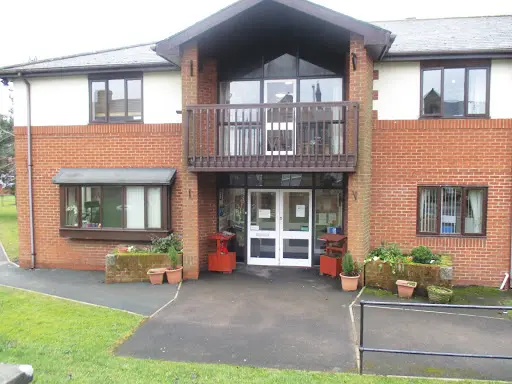
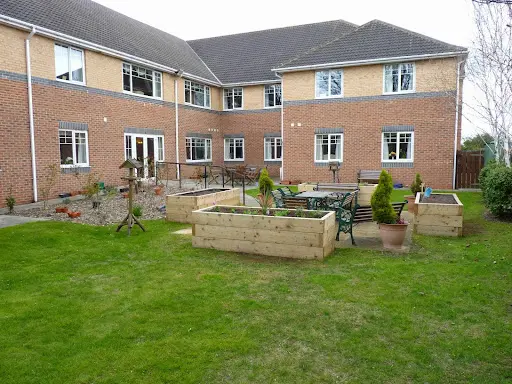
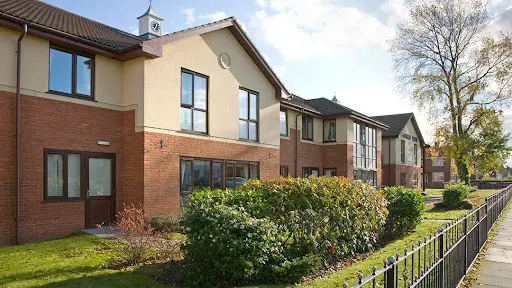
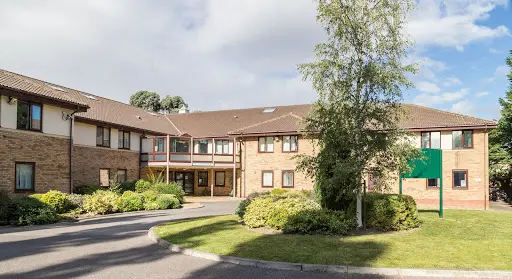
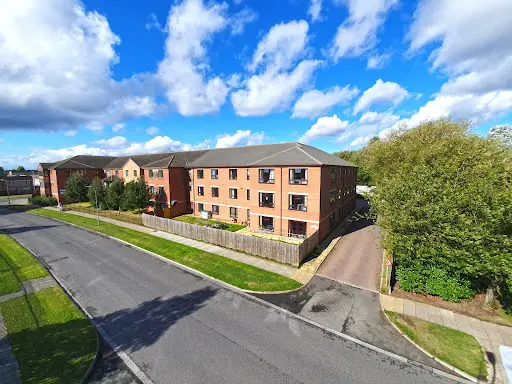
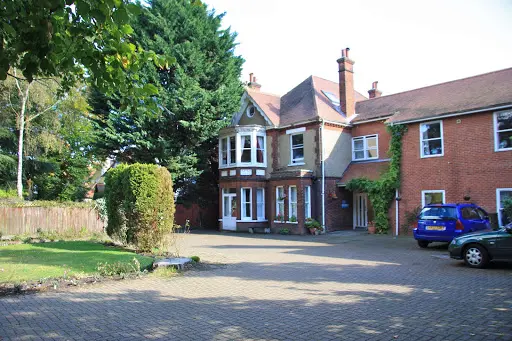
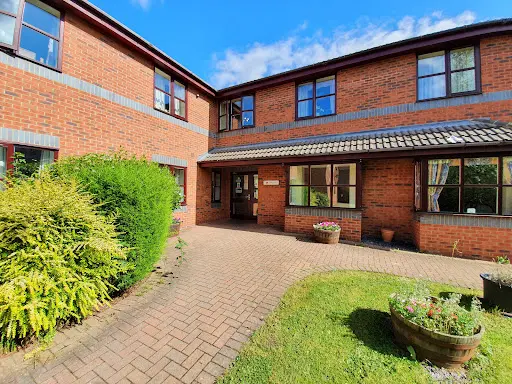
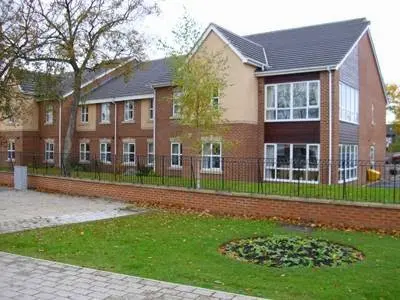
The kitchen produces proper home-cooked meals, with staff finding creative ways to support residents who struggle with eating. Bedrooms feel cheerful and comfortable, while communal spaces strike a balance between stimulation and calm. The environment works well for people with dementia — thoughtfully decorated without being overwhelming.
“It's the small kindnesses families remember — the patience with a difficult day, the gentle encouragement at mealtimes, the genuine care during life's hardest moments.”
DCC does not edit or curate content in this tab. For independently curated information, see The Evidence and DCC Verdict.