Cedar Care Homẹ

At a Glance
The information you need to decide whether this home warrants a closer look.
Nursing homes
Staff warmth score
of reviewers answered yes
Good to know
- Registered beds63
- SpecialismsCaring for adults over 65 yrs, Caring for adults under 65 yrs, Dementia, Physical disabilities
- Last inspected2022-05-06
Save Cedar Care Homẹ to your shortlist
Keep a running list, add visit notes, and compare homes side-by-side. Free account — it takes a minute.
STAGE 4 — RESEARCHING CARE HOMES
Visit homes. Compare them side by side. Choose with confidence.
Most of us will view care homes the way we view houses, impression, atmosphere, the feeling in the corridor. We go home, try to remember what we saw, and make a permanent decision from a blurred memory.

The DCC shortlist gives every home you visit a structured record: the same twelve questions, answered the same way, every time. When you’re ready to choose, pull any two homes side by side and compare them directly. Same criteria, same evidence, your notes and your scores.
The Evidence
What the review data, the inspection reports, and the dementia-care evidence base tell us about this home.
What families say
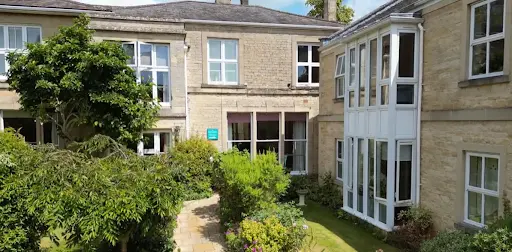
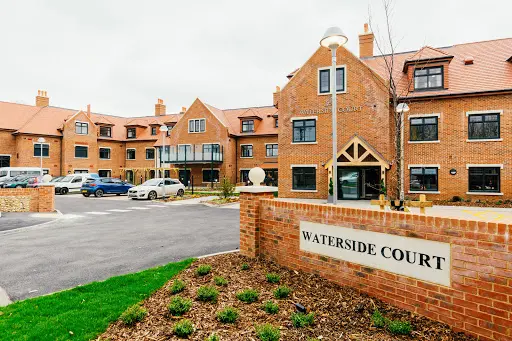
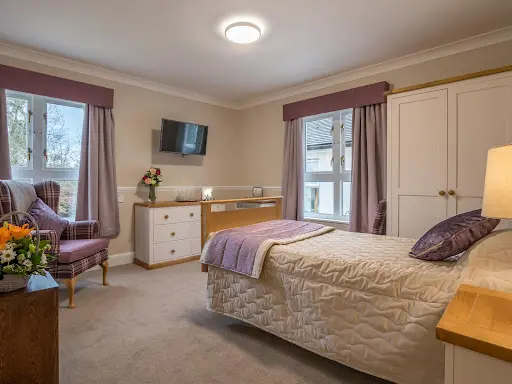
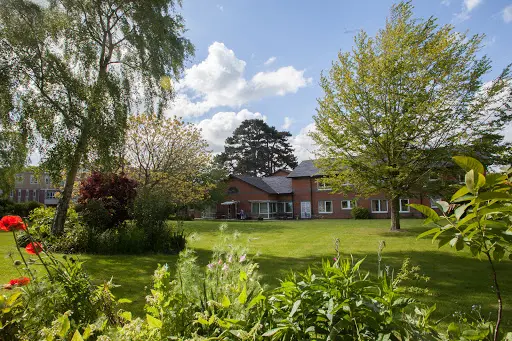
Families mention how their relatives feel included in the social life here, with activities that reflect what residents actually want to do. The bedrooms are described as bright and spacious, while the reception areas create a welcoming feeling for both residents and visitors.
The eight family priority themes
- Staff warmth72
- Compassion & dignity72
- Cleanliness70
- Activities & engagement60
- Food quality60
- Healthcare68
- Management & leadership75
- Resident happiness68
What inspectors found
Inspected 2022-05-06
Is this home safe?
Is the care effective?
Effective was rated Good at the March 2022 inspection. This domain covers training, care planning, access to healthcare professionals such as GPs and specialists, nutrition and hydration, and consent. Dementia is a listed specialism for the home, which means inspectors would have considered whether dementia-specific training and care approaches were in place. The published summary does not describe the content of training, how frequently care plans are reviewed, or how mealtimes are managed.Is this home caring?
Caring was rated Good at the March 2022 inspection. This domain assesses whether staff treat people with kindness, respect, and dignity, whether residents are involved in decisions about their own care, and whether privacy is maintained. The published summary does not include specific inspector observations about staff interactions, examples of dignity in practice, or resident or family testimony on these points.Is the home responsive?
Responsive was rated Good at the March 2022 inspection. This domain covers whether care is personalised to individual needs, whether there is a varied and meaningful activity programme, how the home supports people with specific communication needs, and whether end-of-life care wishes are recorded and respected. The published summary does not describe specific activities, how they are adapted for people with dementia, or how individual preferences are captured and acted upon.Is the home well-led?
Well-led was rated Good at the March 2022 inspection. This domain assesses whether the home has a clear vision, stable and visible leadership, effective governance systems, and a culture where staff feel able to raise concerns. The registration record names a registered manager and a nominated individual, indicating a clear leadership structure. The published summary does not describe the manager's tenure, staff survey findings, or specific examples of governance in action.
Source: CQC inspection report →
What the evidence base says
The home cares for adults both under and over 65, including those with physical disabilities. They also support people living with dementia. For residents with dementia, the team provides specialist support alongside their general care approach. This includes helping people maintain connections to activities and social life within the home. All areas worth probing directly during a visit.
The DCC Verdict
Our editorial view, built from the three lenses: what families tell us, what inspectors record, and how the home sits against good dementia-care practice.
DCC Family Score
Cedar Court Care Home scores 72 out of 100, reflecting a genuine improvement from its previous Requires Improvement rating to a solid Good across all five inspection areas. The score is tempered by limited specific detail in the published findings, meaning several important areas cannot be independently verified from the inspection text alone.
Homes in South East typically score 68–82.The three-lens summary
What families tell us
Families mention how their relatives feel included in the social life here, with activities that reflect what residents actually want to do. The bedrooms are described as bright and spacious, while the reception areas create a welcoming feeling for both residents and visitors.
What inspectors have recorded
How it sits against good practice
Understanding what Cedar Court might offer your family starts with seeing how they approach daily life for residents.
Worth a visit
Cedar Court Care Home, at 60 Moorland Road in Witney, was rated Good across all five inspection areas at its last inspection in March 2022, with the published report confirmed in May 2022 and reviewed again in July 2023 with no change to the rating. This is a meaningful improvement: the home previously held a Requires Improvement rating, and moving to Good across the board suggests that whatever shortfalls were identified earlier have been addressed. The home is a 63-bed nursing home run by Healthcare Homes (LSC) Limited, with dementia, physical disabilities, and care for both younger and older adults among its listed specialisms. The main limitation for families reading this report is that the published summary is brief. Almost no specific inspector observations, resident quotes, or data points are included in the public-facing text, which means the Good ratings cannot be independently verified through detail in the way a fuller report would allow. This does not mean the ratings are in doubt, but it does mean you will need to ask more questions on a visit. When you go, pay particular attention to what is happening in corridors and communal spaces between scheduled activities: are staff sitting with residents, or moving quickly between tasks? Ask the manager specifically about night staffing numbers, agency use, and how often your parent's care plan would be reviewed with you.
The three questions to ask when you visitSave this home. Compare it against your shortlist.
Let our analysis show you how Cedar Care Homẹ measures up against the other homes you’re considering. Free account.
In Their Own Words
How Cedar Care Homẹ describes itself — collected from its own website. DCC has not edited or independently verified the content in this tab.
Where daily comforts meet genuine care in Witney
Cedar Court Care Home – Your Trusted nursing home
When families describe the difference thoughtful care makes, they often talk about the small things that matter most. At Cedar Court Care Home in Witney, those everyday moments of support seem to shape how residents experience each day. Whether it's helping someone join in activities they enjoy or simply ensuring personal care feels unhurried, this home appears to understand what matters to the people who live here.
Who they care for
The home cares for adults both under and over 65, including those with physical disabilities. They also support people living with dementia.
For residents with dementia, the team provides specialist support alongside their general care approach. This includes helping people maintain connections to activities and social life within the home.
“Understanding what Cedar Court might offer your family starts with seeing how they approach daily life for residents.”
DCC does not edit or curate content in this tab. For independently curated information, see The Evidence and DCC Verdict.
The DCC Verdict
Our editorial view, built from the three lenses: what families tell us, what inspectors record, and how the home sits against good dementia-care practice.
DCC Family Score
Cedar Court Care Home scores 72 out of 100, reflecting a genuine improvement from its previous Requires Improvement rating to a solid Good across all five inspection areas. The score is tempered by limited specific detail in the published findings, meaning several important areas cannot be independently verified from the inspection text alone.
Homes in South East typically score 68–82.The three-lens summary
What families tell us
Families mention how their relatives feel included in the social life here, with activities that reflect what residents actually want to do. The bedrooms are described as bright and spacious, while the reception areas create a welcoming feeling for both residents and visitors.
What inspectors have recorded
How it sits against good practice
Understanding what Cedar Court might offer your family starts with seeing how they approach daily life for residents.
Worth a visit
Cedar Court Care Home, at 60 Moorland Road in Witney, was rated Good across all five inspection areas at its last inspection in March 2022, with the published report confirmed in May 2022 and reviewed again in July 2023 with no change to the rating. This is a meaningful improvement: the home previously held a Requires Improvement rating, and moving to Good across the board suggests that whatever shortfalls were identified earlier have been addressed. The home is a 63-bed nursing home run by Healthcare Homes (LSC) Limited, with dementia, physical disabilities, and care for both younger and older adults among its listed specialisms. The main limitation for families reading this report is that the published summary is brief. Almost no specific inspector observations, resident quotes, or data points are included in the public-facing text, which means the Good ratings cannot be independently verified through detail in the way a fuller report would allow. This does not mean the ratings are in doubt, but it does mean you will need to ask more questions on a visit. When you go, pay particular attention to what is happening in corridors and communal spaces between scheduled activities: are staff sitting with residents, or moving quickly between tasks? Ask the manager specifically about night staffing numbers, agency use, and how often your parent's care plan would be reviewed with you.
The three questions to ask when you visitSave this home. Compare it against your shortlist.
Let our analysis show you how Cedar Care Homẹ measures up against the other homes you’re considering. Free account.
In Their Own Words
How Cedar Care Homẹ describes itself — collected from its own website. DCC has not edited or independently verified the content in this tab.
Where daily comforts meet genuine care in Witney
Cedar Court Care Home – Your Trusted nursing home
When families describe the difference thoughtful care makes, they often talk about the small things that matter most. At Cedar Court Care Home in Witney, those everyday moments of support seem to shape how residents experience each day. Whether it's helping someone join in activities they enjoy or simply ensuring personal care feels unhurried, this home appears to understand what matters to the people who live here.
Who they care for
The home cares for adults both under and over 65, including those with physical disabilities. They also support people living with dementia.
For residents with dementia, the team provides specialist support alongside their general care approach. This includes helping people maintain connections to activities and social life within the home.
“Understanding what Cedar Court might offer your family starts with seeing how they approach daily life for residents.”
DCC does not edit or curate content in this tab. For independently curated information, see The Evidence and DCC Verdict.