Alban Manor Nursing Home
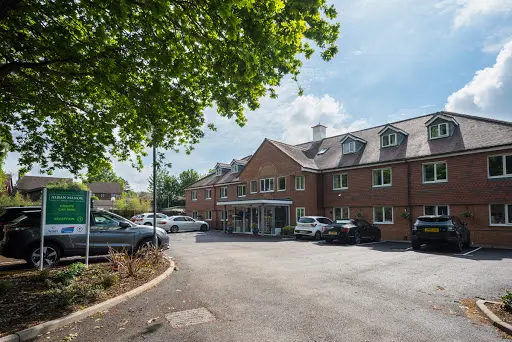
At a Glance
The information you need to decide whether this home warrants a closer look.
Nursing homes
Staff warmth score
of reviewers answered yes
Good to know
- Registered beds80
- SpecialismsCaring for adults over 65 yrs, Caring for adults under 65 yrs, Dementia, Physical disabilities
- Last inspected2021-09-17
Save Alban Manor Nursing Home to your shortlist
Keep a running list, add visit notes, and compare homes side-by-side. Free account — it takes a minute.
STAGE 4 — RESEARCHING CARE HOMES
Visit homes. Compare them side by side. Choose with confidence.
Most of us will view care homes the way we view houses, impression, atmosphere, the feeling in the corridor. We go home, try to remember what we saw, and make a permanent decision from a blurred memory.

The DCC shortlist gives every home you visit a structured record: the same twelve questions, answered the same way, every time. When you’re ready to choose, pull any two homes side by side and compare them directly. Same criteria, same evidence, your notes and your scores.
The Evidence
What the review data, the inspection reports, and the dementia-care evidence base tell us about this home.
What families say
Families describe a place where dignity matters deeply, especially during life's most difficult transitions. The team's approach to end-of-life care brings families real comfort, with pain carefully managed and peaceful surroundings maintained. What stands out is how staff support not just residents but their loved ones too, offering emotional care alongside the clinical expertise.
The eight family priority themes
- Staff warmth72
- Compassion & dignity72
- Cleanliness70
- Activities & engagement65
- Food quality65
- Healthcare70
- Management & leadership70
- Resident happiness68
What inspectors found
Inspected 2021-09-17
Is this home safe?
Is the care effective?
The inspection rated this domain Good at the May 2024 assessment. The home is registered for nursing care, dementia, and physical disabilities, which implies a requirement for trained clinical staff and condition-specific knowledge. The published report does not record specific detail about care plan quality, dementia training content, GP access frequency, or how food and nutrition are managed. No specific concerns were recorded in the available text.Is this home caring?
The inspection rated this domain Good at the May 2024 assessment. The published text does not include inspector observations of staff interactions, quotes from residents or relatives about how they are treated, or specific examples of dignity, privacy, or person-led care in practice. No concerns about caring practice were recorded in the available text.Is the home responsive?
The inspection rated this domain Good at the May 2024 assessment. The published text does not include specific detail about the activities programme, how the home supports individual interests, what provision exists for residents who cannot join group activities, or how complaints and end-of-life care are handled. No concerns about responsiveness were recorded in the available text.Is the home well-led?
The inspection rated this domain Good at the May 2024 assessment. The home is run by St Albans Care Limited, with a named registered manager (Ms Carmen Abaza) and a nominated individual (Dr Ramneek Greywall). The published report does not include specific observations about management visibility, staff culture, governance systems, or how the home handles complaints and feedback. No leadership concerns were recorded in the available text.
Source: CQC inspection report →
What the evidence base says
Alban Manor specialises in dementia care alongside support for physical disabilities, caring for adults both over and under 65. The home's dementia expertise shows particularly in how they manage behavioural changes and support residents through different stages of progression. Families speak of staff who really understand dementia's complexities, from managing behavioural support to helping residents through each phase of their condition. This specialist knowledge brings reassurance when families need it most. All areas worth probing directly during a visit.
The DCC Verdict
Our editorial view, built from the three lenses: what families tell us, what inspectors record, and how the home sits against good dementia-care practice.
DCC Family Score
The overall Good rating across all five domains at the May 2024 inspection is a positive signal, but the published report text contains very little specific detail, so most scores sit in the mid-range where positive evidence exists but specifics are thin. The earlier 2021 headline of Requires Improvement has been overtaken by the newer Good rating.
Homes in East typically score 68–82.The three-lens summary
What families tell us
Families describe a place where dignity matters deeply, especially during life's most difficult transitions. The team's approach to end-of-life care brings families real comfort, with pain carefully managed and peaceful surroundings maintained. What stands out is how staff support not just residents but their loved ones too, offering emotional care alongside the clinical expertise.
What inspectors have recorded
The clinical leadership here shows through in how families describe their experiences. Matrons and care managers create an environment where families feel their loved ones are genuinely safe and well-guided. Communication flows openly, with families kept informed and included in care decisions throughout their journey.
How it sits against good practice
For families seeking dementia expertise with genuine warmth in St. Albans, Alban Manor offers both the clinical knowledge and the human touch that matter so much.
Worth a visit
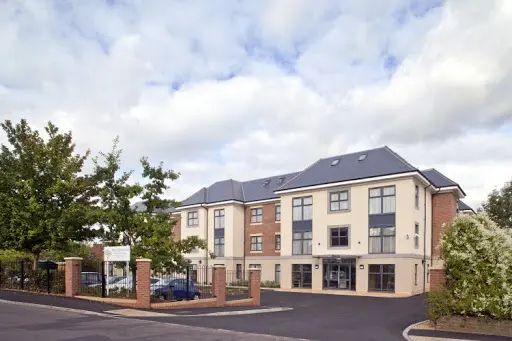
Alban Manor Nursing Home, a registered nursing home for up to 80 people on Chene Drive in St Albans, was rated Good across all five inspection domains at its most recent assessment in May 2024, with the full report published in December 2024. The home is registered to care for people living with dementia, people with physical disabilities, and adults both over and under 65. A registered manager and nominated individual are named, indicating a formal leadership structure is in place. The earlier headline of Requires Improvement from the 2021 inspection has been replaced by this Good rating across the board. The main uncertainty here is significant: the published inspection text provided for this report contains almost no specific detail beyond domain ratings and registration information. That means this Family View cannot confirm specific observations about staff warmth, food quality, activities, night staffing, or any of the other things families most want to know. A Good rating is encouraging, but it is not a substitute for a visit. When you go, ask to see last week's staffing rota (counting permanent versus agency names on nights), ask what dementia-specific training staff have completed, request a walk through the dementia unit at a quieter time, and speak to a family member of a current resident if the home can arrange it.
The three questions to ask when you visitSave this home. Compare it against your shortlist.
Let our analysis show you how Alban Manor Nursing Home measures up against the other homes you’re considering. Free account.
In Their Own Words
How Alban Manor Nursing Home describes itself — collected from its own website. DCC has not edited or independently verified the content in this tab.
Where dementia care meets genuine compassion in St. Albans
Compassionate Care in St. Albans at Alban Manor Nursing Home
When families face the hardest moments of dementia and end-of-life care, they need somewhere that truly understands. Alban Manor Nursing Home in East St. Albans brings together clinical expertise with the kind of compassion that makes all the difference. Here, specialist dementia knowledge combines with a team who support families through every stage of the journey.
Who they care for
Alban Manor specialises in dementia care alongside support for physical disabilities, caring for adults both over and under 65. The home's dementia expertise shows particularly in how they manage behavioural changes and support residents through different stages of progression.
Families speak of staff who really understand dementia's complexities, from managing behavioural support to helping residents through each phase of their condition. This specialist knowledge brings reassurance when families need it most.
“For families seeking dementia expertise with genuine warmth in St. Albans, Alban Manor offers both the clinical knowledge and the human touch that matter so much.”
DCC does not edit or curate content in this tab. For independently curated information, see The Evidence and DCC Verdict.
The DCC Verdict
Our editorial view, built from the three lenses: what families tell us, what inspectors record, and how the home sits against good dementia-care practice.
DCC Family Score
The overall Good rating across all five domains at the May 2024 inspection is a positive signal, but the published report text contains very little specific detail, so most scores sit in the mid-range where positive evidence exists but specifics are thin. The earlier 2021 headline of Requires Improvement has been overtaken by the newer Good rating.
Homes in East typically score 68–82.The three-lens summary
What families tell us
Families describe a place where dignity matters deeply, especially during life's most difficult transitions. The team's approach to end-of-life care brings families real comfort, with pain carefully managed and peaceful surroundings maintained. What stands out is how staff support not just residents but their loved ones too, offering emotional care alongside the clinical expertise.
What inspectors have recorded
The clinical leadership here shows through in how families describe their experiences. Matrons and care managers create an environment where families feel their loved ones are genuinely safe and well-guided. Communication flows openly, with families kept informed and included in care decisions throughout their journey.
How it sits against good practice
For families seeking dementia expertise with genuine warmth in St. Albans, Alban Manor offers both the clinical knowledge and the human touch that matter so much.
Worth a visit
Alban Manor Nursing Home, a registered nursing home for up to 80 people on Chene Drive in St Albans, was rated Good across all five inspection domains at its most recent assessment in May 2024, with the full report published in December 2024. The home is registered to care for people living with dementia, people with physical disabilities, and adults both over and under 65. A registered manager and nominated individual are named, indicating a formal leadership structure is in place. The earlier headline of Requires Improvement from the 2021 inspection has been replaced by this Good rating across the board. The main uncertainty here is significant: the published inspection text provided for this report contains almost no specific detail beyond domain ratings and registration information. That means this Family View cannot confirm specific observations about staff warmth, food quality, activities, night staffing, or any of the other things families most want to know. A Good rating is encouraging, but it is not a substitute for a visit. When you go, ask to see last week's staffing rota (counting permanent versus agency names on nights), ask what dementia-specific training staff have completed, request a walk through the dementia unit at a quieter time, and speak to a family member of a current resident if the home can arrange it.
The three questions to ask when you visitSave this home. Compare it against your shortlist.
Let our analysis show you how Alban Manor Nursing Home measures up against the other homes you’re considering. Free account.
In Their Own Words
How Alban Manor Nursing Home describes itself — collected from its own website. DCC has not edited or independently verified the content in this tab.
Where dementia care meets genuine compassion in St. Albans
Compassionate Care in St. Albans at Alban Manor Nursing Home
When families face the hardest moments of dementia and end-of-life care, they need somewhere that truly understands. Alban Manor Nursing Home in East St. Albans brings together clinical expertise with the kind of compassion that makes all the difference. Here, specialist dementia knowledge combines with a team who support families through every stage of the journey.
Who they care for
Alban Manor specialises in dementia care alongside support for physical disabilities, caring for adults both over and under 65. The home's dementia expertise shows particularly in how they manage behavioural changes and support residents through different stages of progression.
Families speak of staff who really understand dementia's complexities, from managing behavioural support to helping residents through each phase of their condition. This specialist knowledge brings reassurance when families need it most.
Management & ethos
The clinical leadership here shows through in how families describe their experiences. Matrons and care managers create an environment where families feel their loved ones are genuinely safe and well-guided. Communication flows openly, with families kept informed and included in care decisions throughout their journey.
The home & environment
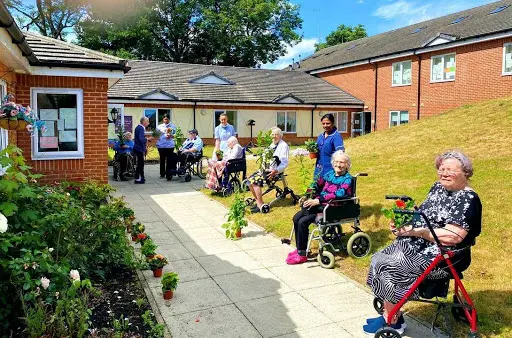
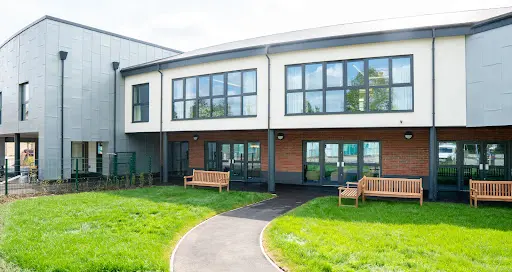
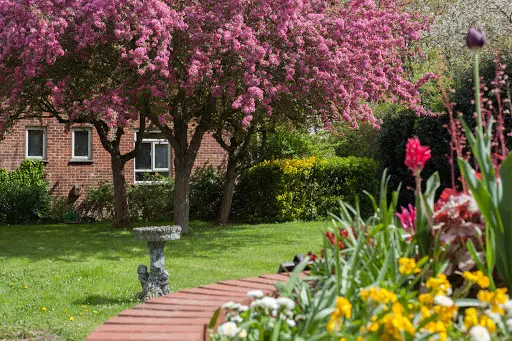
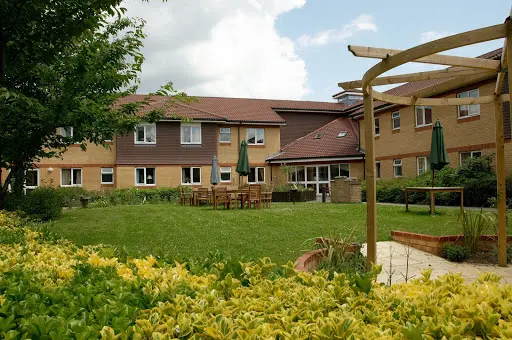
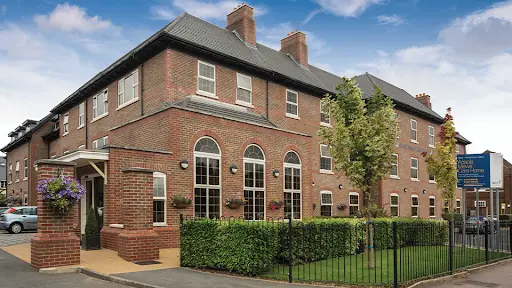
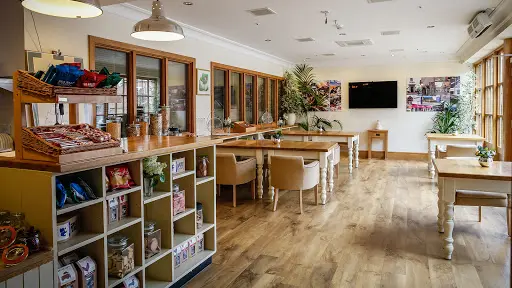
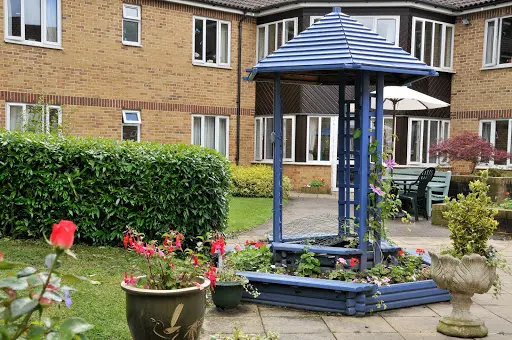
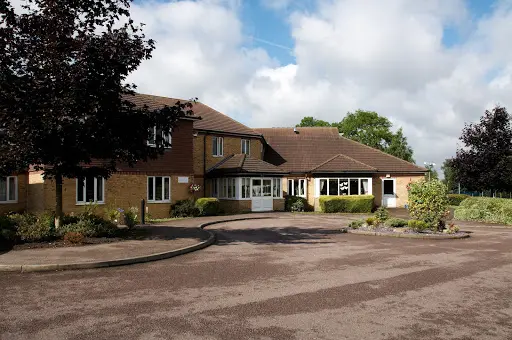
The home welcomes daily visits, which families say makes staying connected so much easier. There's even a resident dog who brings smiles to many faces. Staff work hard to make rooms feel personal and welcoming, creating comfortable spaces that feel right for each resident.
“For families seeking dementia expertise with genuine warmth in St. Albans, Alban Manor offers both the clinical knowledge and the human touch that matter so much.”
DCC does not edit or curate content in this tab. For independently curated information, see The Evidence and DCC Verdict.