Mountbatten Grange Care Home – Care UK

At a Glance
The information you need to decide whether this home warrants a closer look.
Nursing homes
Staff warmth score
of reviewers answered yes
Good to know
- Registered beds72
- SpecialismsCaring for adults over 65 yrs, Caring for adults under 65 yrs, Dementia, Mental health conditions, Physical disabilities
- Last inspected2019-12-18
Save Mountbatten Grange Care Home – Care UK to your shortlist
Keep a running list, add visit notes, and compare homes side-by-side. Free account — it takes a minute.
STAGE 4 — RESEARCHING CARE HOMES
Visit homes. Compare them side by side. Choose with confidence.
Most of us will view care homes the way we view houses, impression, atmosphere, the feeling in the corridor. We go home, try to remember what we saw, and make a permanent decision from a blurred memory.

The DCC shortlist gives every home you visit a structured record: the same twelve questions, answered the same way, every time. When you’re ready to choose, pull any two homes side by side and compare them directly. Same criteria, same evidence, your notes and your scores.
The Evidence
What the review data, the inspection reports, and the dementia-care evidence base tell us about this home.
What families say
Families describe how staff remember their names and ask about their lives, not just their relative's care. The home runs regular day trips and entertainment that residents genuinely enjoy participating in. There's a real sense of community here, with the on-site cafe becoming a natural meeting point for residents and visitors alike.
The eight family priority themes
- Staff warmth72
- Compassion & dignity72
- Cleanliness72
- Activities & engagement65
- Food quality65
- Healthcare70
- Management & leadership74
- Resident happiness70
What inspectors found
Inspected 2019-12-18
Is this home safe?
Is the care effective?
Mountbatten Grange received a Good rating for Effective at its October 2019 inspection. This domain covers training, care planning, nutrition, and healthcare access. The home lists dementia as a specialism, which implies inspectors expected and assessed dementia-specific practice. No detail about care plan review frequency, GP access arrangements, or the content of dementia training is included in the published summary.Is this home caring?
Mountbatten Grange received a Good rating for Caring at its October 2019 inspection. This domain covers staff warmth, dignity, respect, and whether people are supported to retain their independence. The published summary does not include any direct quotes from residents or relatives, and no specific observations about staff interactions, use of preferred names, or pace of care are recorded.Is the home responsive?
Mountbatten Grange received a Good rating for Responsive at its October 2019 inspection. This domain covers how well the home tailors care to individual needs, the activities programme, end-of-life care, and how it handles complaints. The published text does not describe specific activities, one-to-one engagement provision, or how the home supports people who cannot join group sessions.Is the home well-led?
Mountbatten Grange received a Good rating for Well-led at its October 2019 inspection. A named registered manager, Debbie Winwood, was in post, and a nominated individual, Rachel Louise Harvey, was identified. The published text does not describe management visibility, staff culture, governance processes, or how the home acts on feedback from residents and families.
Source: CQC inspection report →
What the evidence base says
The home cares for adults both under and over 65, including those with physical disabilities and mental health conditions. They also provide dementia care across dedicated areas of the home. While dementia care staff are described as friendly and caring, families should ask specifically about staffing ratios on the dementia floor. Some relatives have found that supervision levels don't always match the complex needs of residents with advanced dementia, particularly around personal care consistency and keeping track of belongings. All areas worth probing directly during a visit.
The DCC Verdict
Our editorial view, built from the three lenses: what families tell us, what inspectors record, and how the home sits against good dementia-care practice.
DCC Family Score
Mountbatten Grange was rated Good across all five inspection domains in October 2019, which is a positive baseline, but the published report contains very limited specific detail, so scores reflect confirmed ratings rather than rich observed evidence.
Homes in South East typically score 68–82.The three-lens summary
What families tell us
Families describe how staff remember their names and ask about their lives, not just their relative's care. The home runs regular day trips and entertainment that residents genuinely enjoy participating in. There's a real sense of community here, with the on-site cafe becoming a natural meeting point for residents and visitors alike.
What inspectors have recorded
Leadership here sets a tone of genuine care that filters through the whole team. Staff seem happy in their work, which shows in how they interact with residents. Communication with families is generally strong, though the dementia unit has faced challenges with staffing levels affecting supervision consistency.
How it sits against good practice
For many conditions, this feels like a place where professional care comes with genuine human warmth. Families considering dementia care specifically should visit and ask detailed questions about staffing arrangements.
Worth a visit
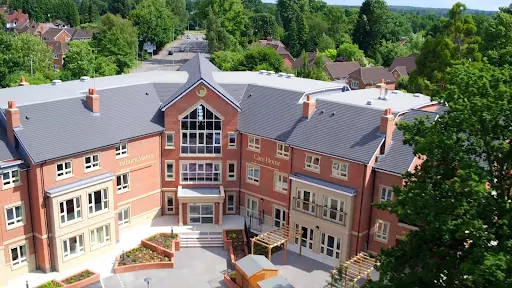
Mountbatten Grange, on Helston Lane in Windsor, was rated Good across all five inspection domains at its last inspection in October 2019. The home is run by Care UK Community Partnerships Ltd and has 72 beds, with specialisms covering dementia, mental health conditions, physical disabilities, and nursing care for adults of all ages. A named registered manager was in post, and the leadership structure appeared clearly defined. All five domains, Safe, Effective, Caring, Responsive, and Well-led, were rated Good. The important caveat for your decision is that this inspection took place in October 2019, more than five years ago. A lot can change in a care home over that period, including staffing, management, and culture. The published summary is also unusually thin on specific detail: there are no direct quotes from residents or relatives, no observed examples of staff interactions, and no staffing ratios recorded. The Good ratings tell you inspectors were satisfied at that point, but they do not give you the granular picture you need. When you visit, ask to see last week's actual staffing rota (not the template), find out how many permanent versus agency staff work the dementia unit at night, and ask the manager what has changed since 2019.
The three questions to ask when you visitSave this home. Compare it against your shortlist.
Let our analysis show you how Mountbatten Grange Care Home – Care UK measures up against the other homes you’re considering. Free account.
In Their Own Words
How Mountbatten Grange Care Home – Care UK describes itself — collected from its own website. DCC has not edited or independently verified the content in this tab.
Where warm staff culture meets modern facilities for complex care needs
Mountbatten Grange – Expert Care in Windsor
Walking into Mountbatten Grange in Windsor feels different — staff genuinely seem pleased to see you, whether you're visiting for the first time or the hundredth. This modern care home supports people with varied needs, from physical disabilities to mental health conditions and dementia. The warmth extends from the management team right through to every member of staff, creating an atmosphere where residents feel valued rather than just cared for.
Who they care for
The home cares for adults both under and over 65, including those with physical disabilities and mental health conditions. They also provide dementia care across dedicated areas of the home.
While dementia care staff are described as friendly and caring, families should ask specifically about staffing ratios on the dementia floor. Some relatives have found that supervision levels don't always match the complex needs of residents with advanced dementia, particularly around personal care consistency and keeping track of belongings.
“For many conditions, this feels like a place where professional care comes with genuine human warmth. Families considering dementia care specifically should visit and ask detailed questions about staffing arrangements.”
DCC does not edit or curate content in this tab. For independently curated information, see The Evidence and DCC Verdict.
The DCC Verdict
Our editorial view, built from the three lenses: what families tell us, what inspectors record, and how the home sits against good dementia-care practice.
DCC Family Score
Mountbatten Grange was rated Good across all five inspection domains in October 2019, which is a positive baseline, but the published report contains very limited specific detail, so scores reflect confirmed ratings rather than rich observed evidence.
Homes in South East typically score 68–82.The three-lens summary
What families tell us
Families describe how staff remember their names and ask about their lives, not just their relative's care. The home runs regular day trips and entertainment that residents genuinely enjoy participating in. There's a real sense of community here, with the on-site cafe becoming a natural meeting point for residents and visitors alike.
What inspectors have recorded
Leadership here sets a tone of genuine care that filters through the whole team. Staff seem happy in their work, which shows in how they interact with residents. Communication with families is generally strong, though the dementia unit has faced challenges with staffing levels affecting supervision consistency.
How it sits against good practice
For many conditions, this feels like a place where professional care comes with genuine human warmth. Families considering dementia care specifically should visit and ask detailed questions about staffing arrangements.
Worth a visit
Mountbatten Grange, on Helston Lane in Windsor, was rated Good across all five inspection domains at its last inspection in October 2019. The home is run by Care UK Community Partnerships Ltd and has 72 beds, with specialisms covering dementia, mental health conditions, physical disabilities, and nursing care for adults of all ages. A named registered manager was in post, and the leadership structure appeared clearly defined. All five domains, Safe, Effective, Caring, Responsive, and Well-led, were rated Good. The important caveat for your decision is that this inspection took place in October 2019, more than five years ago. A lot can change in a care home over that period, including staffing, management, and culture. The published summary is also unusually thin on specific detail: there are no direct quotes from residents or relatives, no observed examples of staff interactions, and no staffing ratios recorded. The Good ratings tell you inspectors were satisfied at that point, but they do not give you the granular picture you need. When you visit, ask to see last week's actual staffing rota (not the template), find out how many permanent versus agency staff work the dementia unit at night, and ask the manager what has changed since 2019.
The three questions to ask when you visitSave this home. Compare it against your shortlist.
Let our analysis show you how Mountbatten Grange Care Home – Care UK measures up against the other homes you’re considering. Free account.
In Their Own Words
How Mountbatten Grange Care Home – Care UK describes itself — collected from its own website. DCC has not edited or independently verified the content in this tab.
Where warm staff culture meets modern facilities for complex care needs
Mountbatten Grange – Expert Care in Windsor
Walking into Mountbatten Grange in Windsor feels different — staff genuinely seem pleased to see you, whether you're visiting for the first time or the hundredth. This modern care home supports people with varied needs, from physical disabilities to mental health conditions and dementia. The warmth extends from the management team right through to every member of staff, creating an atmosphere where residents feel valued rather than just cared for.
Who they care for
The home cares for adults both under and over 65, including those with physical disabilities and mental health conditions. They also provide dementia care across dedicated areas of the home.
While dementia care staff are described as friendly and caring, families should ask specifically about staffing ratios on the dementia floor. Some relatives have found that supervision levels don't always match the complex needs of residents with advanced dementia, particularly around personal care consistency and keeping track of belongings.
Management & ethos
Leadership here sets a tone of genuine care that filters through the whole team. Staff seem happy in their work, which shows in how they interact with residents. Communication with families is generally strong, though the dementia unit has faced challenges with staffing levels affecting supervision consistency.
The home & environment
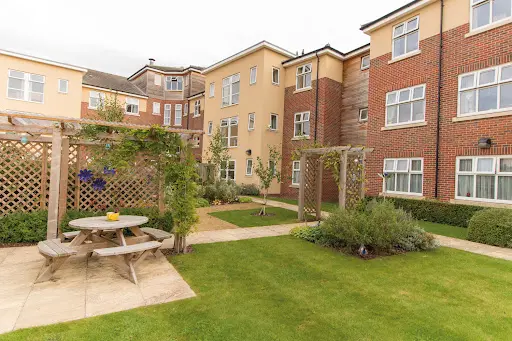
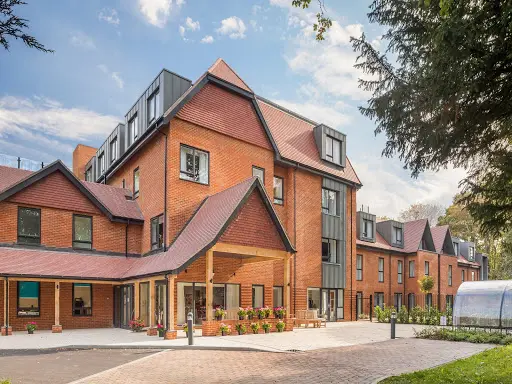
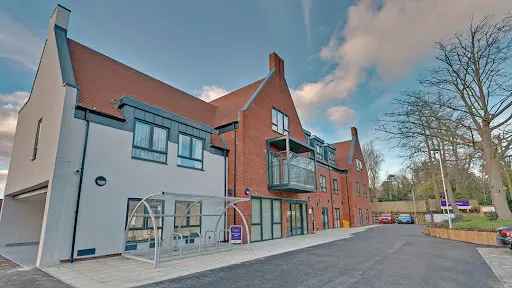
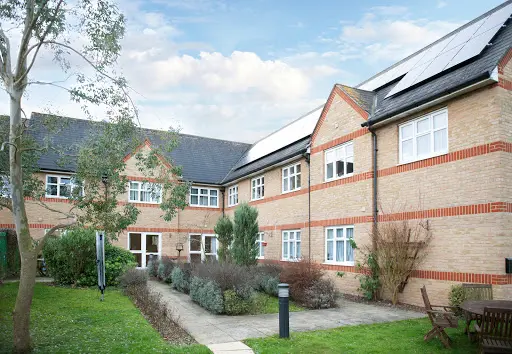
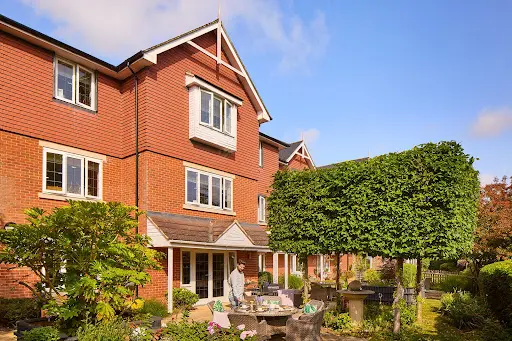
The building itself is clean, bright and well-maintained — several people mention how modern everything feels. Food gets consistent praise, with proper attention paid to presentation and variety. The communal spaces feel inviting rather than clinical, and there's good access to outdoor areas when weather permits.
“For many conditions, this feels like a place where professional care comes with genuine human warmth. Families considering dementia care specifically should visit and ask detailed questions about staffing arrangements.”
DCC does not edit or curate content in this tab. For independently curated information, see The Evidence and DCC Verdict.