Pinehurst Care Centre – Berkshire

At a Glance
The information you need to decide whether this home warrants a closer look.
Residential homes
Staff warmth score
of reviewers answered yes
Good to know
- Registered beds50
- SpecialismsCaring for adults over 65 yrs, Dementia
- Last inspected2020-04-08
Save Pinehurst Care Centre – Berkshire to your shortlist
Keep a running list, add visit notes, and compare homes side-by-side. Free account — it takes a minute.
STAGE 4 — RESEARCHING CARE HOMES
Visit homes. Compare them side by side. Choose with confidence.
Most of us will view care homes the way we view houses, impression, atmosphere, the feeling in the corridor. We go home, try to remember what we saw, and make a permanent decision from a blurred memory.

The DCC shortlist gives every home you visit a structured record: the same twelve questions, answered the same way, every time. When you’re ready to choose, pull any two homes side by side and compare them directly. Same criteria, same evidence, your notes and your scores.
The Evidence
What the review data, the inspection reports, and the dementia-care evidence base tell us about this home.
What families say
What strikes visitors is how welcoming everyone is — from the person at reception to the maintenance team fixing a door. Families talk about feeling part of something rather than intruding on institutional routines. They notice residents looking relaxed and involved in what's happening around them.
The eight family priority themes
- Staff warmth72
- Compassion & dignity72
- Cleanliness70
- Activities & engagement65
- Food quality65
- Healthcare68
- Management & leadership74
- Resident happiness70
What inspectors found
Inspected 2020-04-08
Is this home safe?
Is the care effective?
The effective domain was rated Good at the March 2020 inspection. This domain covers care planning, staff training, healthcare access, and food quality. The published report does not include specific findings about dementia training content, GP access arrangements, or care plan review processes. The home lists dementia as a specialism, which implies some relevant training and planning is in place. No detail about food quality, menu choice, or dietary management is recorded in the available text.Is this home caring?
The caring domain was rated Good at the March 2020 inspection. This domain covers staff warmth, dignity, respect, and how well the home supports independence. No specific inspector observations, resident quotes, or family testimony are recorded in the published summary. The Good rating indicates that inspectors found caring practice to be adequate and consistent at the time of inspection. The published report does not describe how staff interact with residents in corridors, communal areas, or bedrooms.Is the home responsive?
The responsive domain was rated Good at the March 2020 inspection. This domain covers activities, individual engagement, how complaints are handled, and end-of-life care planning. The published report does not describe the activity programme, one-to-one engagement for residents who cannot join groups, or how individual preferences are built into daily life. No specific examples of responsive practice are recorded in the available text. The Good rating indicates inspectors found the home to be meeting requirements in this area at the time of the visit.Is the home well-led?
The well-led domain was rated Good at the March 2020 inspection, having previously contributed to a Requires Improvement overall rating. The published report names a registered manager and a nominated individual, indicating a defined accountability structure. No specific findings about management visibility, staff culture, governance processes, or how the home responds to complaints and incidents are recorded in the available summary. The improvement from a previous Requires Improvement rating is a meaningful positive signal about the direction of travel under current leadership.
Source: CQC inspection report →
What the evidence base says
The home specialises in dementia care and supporting adults over 65. Their person-centred approach means they work to understand each resident's individual needs and preferences. Staff here treat dementia-related behaviours as puzzles to solve, not problems to control. Families describe seeing their relatives engaged in activities matched to their abilities, with staff who adapt their approach to what works for each person. All areas worth probing directly during a visit.
The DCC Verdict
Our editorial view, built from the three lenses: what families tell us, what inspectors record, and how the home sits against good dementia-care practice.
DCC Family Score
Pinehurst Care Centre received a Good rating across all five domains at its most recent inspection, having improved from Requires Improvement previously. However, the inspection report text available contains very limited specific detail, so scores reflect the overall rating rather than rich observed evidence.
Homes in South East typically score 68–82.The three-lens summary
What families tell us
What strikes visitors is how welcoming everyone is — from the person at reception to the maintenance team fixing a door. Families talk about feeling part of something rather than intruding on institutional routines. They notice residents looking relaxed and involved in what's happening around them.
What inspectors have recorded
The registered manager makes themselves available when families have questions or concerns. Staff across all departments — care teams, cleaners, everyone — show genuine warmth towards residents. When challenging behaviours arise, the approach is to understand what's behind them rather than simply manage them.
How it sits against good practice
Sometimes the right place reveals itself through small moments — how staff respond to a difficult day, or the way your relative seems more settled than you've seen them in months.
Worth a visit
Pinehurst Care Centre, at 38-44 Dukes Ride in Crowthorne, was rated Good across all five inspection domains at its most recent inspection in March 2020, published April 2020. This is a meaningful improvement on a previous Requires Improvement rating, and it covers a 50-bed home registered to care for older adults and people living with dementia. A named registered manager and nominated individual were recorded, indicating a structured leadership arrangement was in place at the time of inspection. The main uncertainty here is the age of the inspection: the findings are now over five years old. A review in July 2023 found no reason to reassess the rating, but that review was based on data rather than a fresh visit. The published report contains very limited specific detail about what inspectors actually observed, which makes it difficult to give you a confident picture of day-to-day life for your parent. When you visit, ask to see the most recent staffing rota, ask about night staffing numbers, and observe how staff interact with residents in corridors and communal areas. These are the details the published record cannot give you.
The three questions to ask when you visitSave this home. Compare it against your shortlist.
Let our analysis show you how Pinehurst Care Centre – Berkshire measures up against the other homes you’re considering. Free account.
In Their Own Words
How Pinehurst Care Centre – Berkshire describes itself — collected from its own website. DCC has not edited or independently verified the content in this tab.
Where understanding meets patience for families facing dementia
Dedicated residential home Support in Crowthorne
When someone you love needs dementia care, you want to know they'll be understood, not just looked after. Pinehurst Care Centre in Crowthorne brings that understanding to life through staff who see the person behind the condition. Families describe a place where their relatives seem content and engaged, where challenging moments are met with problem-solving rather than frustration.
Who they care for
The home specialises in dementia care and supporting adults over 65. Their person-centred approach means they work to understand each resident's individual needs and preferences.
Staff here treat dementia-related behaviours as puzzles to solve, not problems to control. Families describe seeing their relatives engaged in activities matched to their abilities, with staff who adapt their approach to what works for each person.
“Sometimes the right place reveals itself through small moments — how staff respond to a difficult day, or the way your relative seems more settled than you've seen them in months.”
DCC does not edit or curate content in this tab. For independently curated information, see The Evidence and DCC Verdict.
The DCC Verdict
Our editorial view, built from the three lenses: what families tell us, what inspectors record, and how the home sits against good dementia-care practice.
DCC Family Score
Pinehurst Care Centre received a Good rating across all five domains at its most recent inspection, having improved from Requires Improvement previously. However, the inspection report text available contains very limited specific detail, so scores reflect the overall rating rather than rich observed evidence.
Homes in South East typically score 68–82.The three-lens summary
What families tell us
What strikes visitors is how welcoming everyone is — from the person at reception to the maintenance team fixing a door. Families talk about feeling part of something rather than intruding on institutional routines. They notice residents looking relaxed and involved in what's happening around them.
What inspectors have recorded
The registered manager makes themselves available when families have questions or concerns. Staff across all departments — care teams, cleaners, everyone — show genuine warmth towards residents. When challenging behaviours arise, the approach is to understand what's behind them rather than simply manage them.
How it sits against good practice
Sometimes the right place reveals itself through small moments — how staff respond to a difficult day, or the way your relative seems more settled than you've seen them in months.
Worth a visit
Pinehurst Care Centre, at 38-44 Dukes Ride in Crowthorne, was rated Good across all five inspection domains at its most recent inspection in March 2020, published April 2020. This is a meaningful improvement on a previous Requires Improvement rating, and it covers a 50-bed home registered to care for older adults and people living with dementia. A named registered manager and nominated individual were recorded, indicating a structured leadership arrangement was in place at the time of inspection. The main uncertainty here is the age of the inspection: the findings are now over five years old. A review in July 2023 found no reason to reassess the rating, but that review was based on data rather than a fresh visit. The published report contains very limited specific detail about what inspectors actually observed, which makes it difficult to give you a confident picture of day-to-day life for your parent. When you visit, ask to see the most recent staffing rota, ask about night staffing numbers, and observe how staff interact with residents in corridors and communal areas. These are the details the published record cannot give you.
The three questions to ask when you visitSave this home. Compare it against your shortlist.
Let our analysis show you how Pinehurst Care Centre – Berkshire measures up against the other homes you’re considering. Free account.
In Their Own Words
How Pinehurst Care Centre – Berkshire describes itself — collected from its own website. DCC has not edited or independently verified the content in this tab.
Where understanding meets patience for families facing dementia
Dedicated residential home Support in Crowthorne
When someone you love needs dementia care, you want to know they'll be understood, not just looked after. Pinehurst Care Centre in Crowthorne brings that understanding to life through staff who see the person behind the condition. Families describe a place where their relatives seem content and engaged, where challenging moments are met with problem-solving rather than frustration.
Who they care for
The home specialises in dementia care and supporting adults over 65. Their person-centred approach means they work to understand each resident's individual needs and preferences.
Staff here treat dementia-related behaviours as puzzles to solve, not problems to control. Families describe seeing their relatives engaged in activities matched to their abilities, with staff who adapt their approach to what works for each person.
Management & ethos
The registered manager makes themselves available when families have questions or concerns. Staff across all departments — care teams, cleaners, everyone — show genuine warmth towards residents. When challenging behaviours arise, the approach is to understand what's behind them rather than simply manage them.
The home & environment
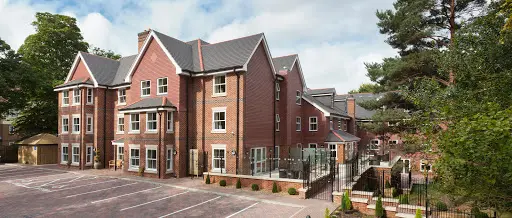
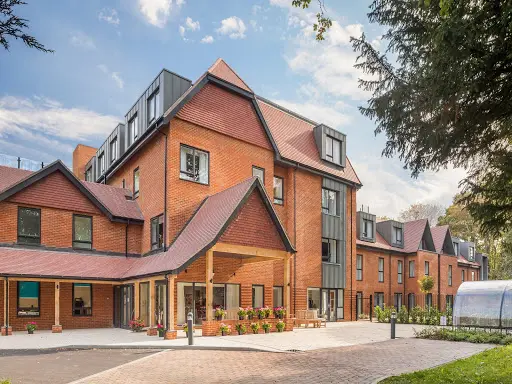
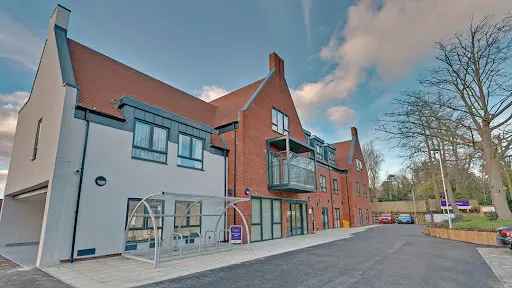
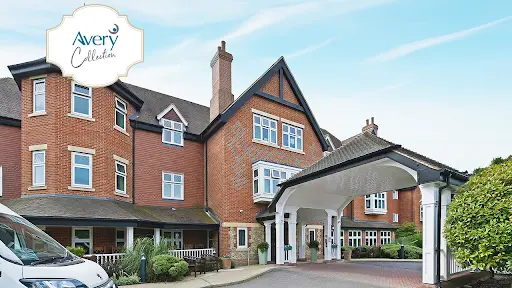
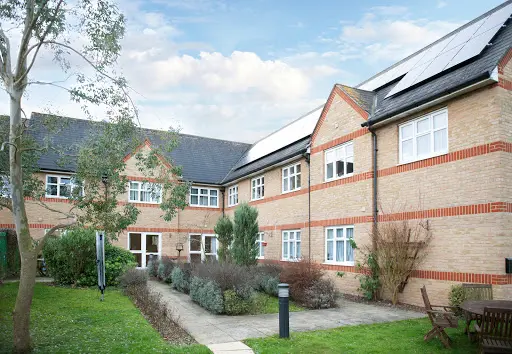
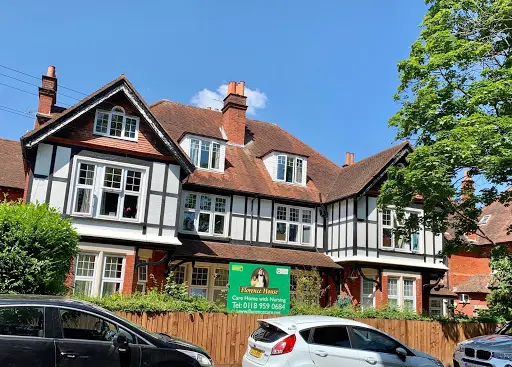
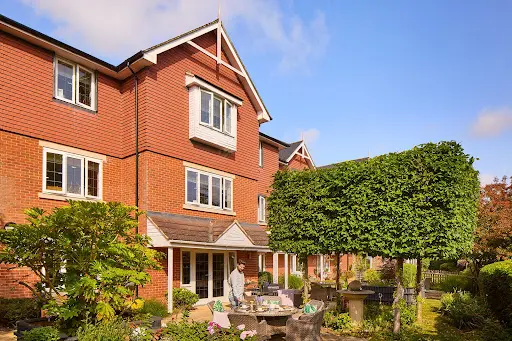
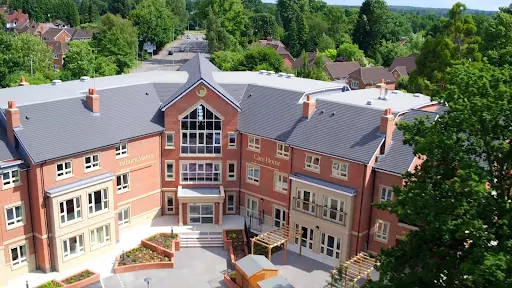
The building might show its age in places, but families consistently mention how spotless everything is kept. There's attention to the details that matter — safety features that don't feel institutional, spaces that feel comfortable rather than clinical. The activities programme keeps people engaged in ways that suit their interests and abilities.
“Sometimes the right place reveals itself through small moments — how staff respond to a difficult day, or the way your relative seems more settled than you've seen them in months.”
DCC does not edit or curate content in this tab. For independently curated information, see The Evidence and DCC Verdict.