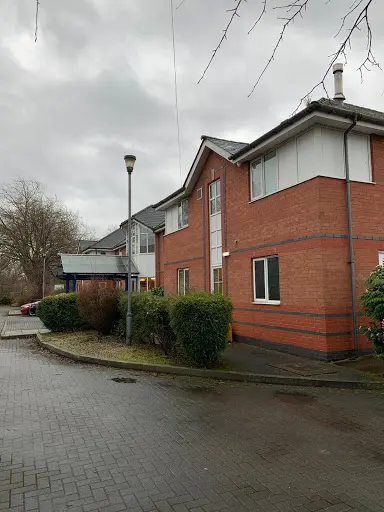
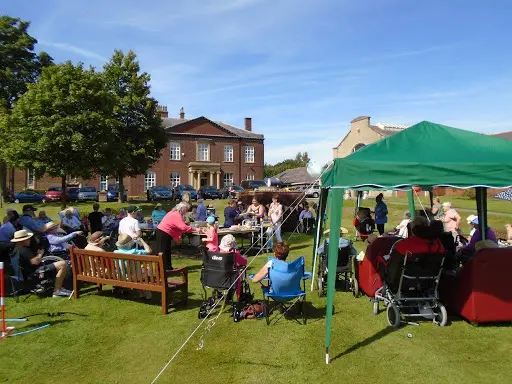
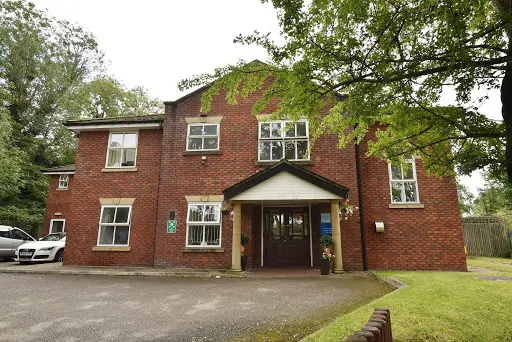
Thornton Lodge Care Home
At a Glance
The information you need to decide whether this home warrants a closer look.
Residential homes
Staff warmth score
of reviewers answered yes
Good to know
- Registered beds34
- SpecialismsCaring for adults over 65 yrs, Caring for adults under 65 yrs, Dementia, Mental health conditions, Physical disabilities, Sensory impairment
- Last inspected2021-03-18
Save Thornton Lodge Care Home to your shortlist
Keep a running list, add visit notes, and compare homes side-by-side. Free account — it takes a minute.
STAGE 4 — RESEARCHING CARE HOMES
Visit homes. Compare them side by side. Choose with confidence.
Most of us will view care homes the way we view houses, impression, atmosphere, the feeling in the corridor. We go home, try to remember what we saw, and make a permanent decision from a blurred memory.

The DCC shortlist gives every home you visit a structured record: the same twelve questions, answered the same way, every time. When you’re ready to choose, pull any two homes side by side and compare them directly. Same criteria, same evidence, your notes and your scores.
The Evidence
What the review data, the inspection reports, and the dementia-care evidence base tell us about this home.
What families say
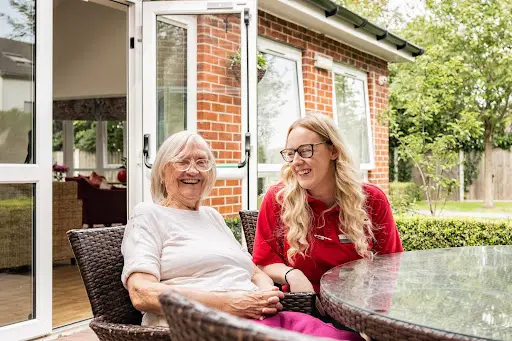
Families often mention the warmth of individual staff members at Thornton Lodge. Several people have noted how respectful and compassionate the care team can be in their daily interactions with residents. The friendliness of staff seems to make a real difference to those who've had positive experiences here.
The eight family priority themes
- Staff warmth72
- Compassion & dignity72
- Cleanliness70
- Activities & engagement65
- Food quality65
- Healthcare68
- Management & leadership73
- Resident happiness70
What inspectors found
Inspected 2021-03-18
Is this home safe?
Is the care effective?
Effective was rated Good at the February 2021 inspection. The home supports people with a broad range of conditions including dementia, mental health conditions, physical disabilities, and sensory impairments. The published inspection text does not include specific observations about care plan quality, GP access, medication management, or staff training content. The previous Requires Improvement rating may have related to effectiveness, though this cannot be confirmed from the available text.Is this home caring?
Caring was rated Good at the February 2021 inspection. The home cares for adults with a wide range of needs. The published report does not include direct inspector observations of staff interactions, quotes from residents or relatives about kindness, or specific examples of how dignity and privacy are maintained. The Good rating confirms inspectors were satisfied, but the evidence base for this domain is thin in the published text.Is the home responsive?
Responsive was rated Good at the February 2021 inspection. The home is registered for dementia, mental health conditions, physical disabilities, and sensory impairments, suggesting it is expected to tailor care to a wide range of individual needs. The published inspection text does not describe the activities programme, end-of-life care arrangements, or how the home responds to individual requests and preferences. The Good rating confirms inspector satisfaction but provides limited specific detail.Is the home well-led?
Well-led was rated Good at the February 2021 inspection. Ms Sandra Vaughan is the named Registered Manager and Mr Paul Gill is the Nominated Individual. The home is operated by GGS Care Home Limited. The published report does not describe manager visibility, staff culture, governance processes, or how the home handles complaints and incidents. The improvement from Requires Improvement to Good across all domains does suggest that leadership has driven meaningful change, though the specifics are not described.
Source: CQC inspection report →
What the evidence base says
Thornton Lodge provides care for adults both under and over 65, including those with dementia, mental health conditions, physical disabilities and sensory impairments. The home includes dementia among its specialisms, though specific details about their dementia care approach would be worth exploring directly with them during your research. All areas worth probing directly during a visit.
The DCC Verdict
Our editorial view, built from the three lenses: what families tell us, what inspectors record, and how the home sits against good dementia-care practice.
DCC Family Score
Thornton Lodge has improved from Requires Improvement to a fully Good rating across all five domains, which is a genuinely positive step. However, the published inspection text provides very little specific detail, so most scores sit in the mid-range: there is real reason for confidence, but also real gaps that you should fill by visiting and asking questions directly.
Homes in North West typically score 68–82.The three-lens summary
What families tell us
Families often mention the warmth of individual staff members at Thornton Lodge. Several people have noted how respectful and compassionate the care team can be in their daily interactions with residents. The friendliness of staff seems to make a real difference to those who've had positive experiences here.
What inspectors have recorded
Communication and management practices at Thornton Lodge appear to vary considerably. While some families have found staff attentive to their loved ones' needs, others have expressed concerns about training levels and how the home responds to feedback. It's worth having detailed conversations about their approach to staff development and quality monitoring.
How it sits against good practice
Every family's priorities are different, and what matters most is finding somewhere that feels right for your loved one's specific needs.
Worth a visit
Thornton Lodge Care Home in Salford was rated Good at its last inspection in February 2021, covering all five domains: Safe, Effective, Caring, Responsive, and Well-led. This is a meaningful improvement from its previous Requires Improvement rating, and a Good rating across every domain is a positive baseline for any family weighing up their options. The home is registered to support people with dementia, mental health conditions, physical disabilities, and sensory impairments, alongside general care for adults of all ages. Ms Sandra Vaughan is the named Registered Manager. The main uncertainty here is the very limited detail in the published inspection report, which means it is not possible to say with confidence what life is actually like day to day for your parent. Scores in the 60s and 70s reflect that improvement rather than specific evidence of warmth, activities, or food quality. Before you commit, visit at an unplanned time if possible, ask to see last week's staffing rota and activity log, and speak to a family member whose relative already lives there. The questions in the checklist below are designed to fill the gaps the inspection report leaves open.
The three questions to ask when you visitSave this home. Compare it against your shortlist.
Let our analysis show you how Thornton Lodge Care Home measures up against the other homes you’re considering. Free account.
In Their Own Words
How Thornton Lodge Care Home describes itself — collected from its own website. DCC has not edited or independently verified the content in this tab.
Finding the right balance between care quality and peace of mind
Compassionate Care in Salford at Thornton Lodge Care Home
Choosing care can feel overwhelming when you hear different experiences from different families. Thornton Lodge Care Home in Salford supports residents with various needs, from physical disabilities to dementia care. Like many care homes, experiences here vary significantly — some families speak warmly of compassionate staff, while others have raised concerns about standards.
Who they care for
Thornton Lodge provides care for adults both under and over 65, including those with dementia, mental health conditions, physical disabilities and sensory impairments.
The home includes dementia among its specialisms, though specific details about their dementia care approach would be worth exploring directly with them during your research.
“Every family's priorities are different, and what matters most is finding somewhere that feels right for your loved one's specific needs.”
DCC does not edit or curate content in this tab. For independently curated information, see The Evidence and DCC Verdict.
The DCC Verdict
Our editorial view, built from the three lenses: what families tell us, what inspectors record, and how the home sits against good dementia-care practice.
DCC Family Score
Thornton Lodge has improved from Requires Improvement to a fully Good rating across all five domains, which is a genuinely positive step. However, the published inspection text provides very little specific detail, so most scores sit in the mid-range: there is real reason for confidence, but also real gaps that you should fill by visiting and asking questions directly.
Homes in North West typically score 68–82.The three-lens summary
What families tell us
Families often mention the warmth of individual staff members at Thornton Lodge. Several people have noted how respectful and compassionate the care team can be in their daily interactions with residents. The friendliness of staff seems to make a real difference to those who've had positive experiences here.
What inspectors have recorded
Communication and management practices at Thornton Lodge appear to vary considerably. While some families have found staff attentive to their loved ones' needs, others have expressed concerns about training levels and how the home responds to feedback. It's worth having detailed conversations about their approach to staff development and quality monitoring.
How it sits against good practice
Every family's priorities are different, and what matters most is finding somewhere that feels right for your loved one's specific needs.
Worth a visit
Thornton Lodge Care Home in Salford was rated Good at its last inspection in February 2021, covering all five domains: Safe, Effective, Caring, Responsive, and Well-led. This is a meaningful improvement from its previous Requires Improvement rating, and a Good rating across every domain is a positive baseline for any family weighing up their options. The home is registered to support people with dementia, mental health conditions, physical disabilities, and sensory impairments, alongside general care for adults of all ages. Ms Sandra Vaughan is the named Registered Manager. The main uncertainty here is the very limited detail in the published inspection report, which means it is not possible to say with confidence what life is actually like day to day for your parent. Scores in the 60s and 70s reflect that improvement rather than specific evidence of warmth, activities, or food quality. Before you commit, visit at an unplanned time if possible, ask to see last week's staffing rota and activity log, and speak to a family member whose relative already lives there. The questions in the checklist below are designed to fill the gaps the inspection report leaves open.
The three questions to ask when you visitSave this home. Compare it against your shortlist.
Let our analysis show you how Thornton Lodge Care Home measures up against the other homes you’re considering. Free account.
In Their Own Words
How Thornton Lodge Care Home describes itself — collected from its own website. DCC has not edited or independently verified the content in this tab.
Finding the right balance between care quality and peace of mind
Compassionate Care in Salford at Thornton Lodge Care Home
Choosing care can feel overwhelming when you hear different experiences from different families. Thornton Lodge Care Home in Salford supports residents with various needs, from physical disabilities to dementia care. Like many care homes, experiences here vary significantly — some families speak warmly of compassionate staff, while others have raised concerns about standards.
Who they care for
Thornton Lodge provides care for adults both under and over 65, including those with dementia, mental health conditions, physical disabilities and sensory impairments.
The home includes dementia among its specialisms, though specific details about their dementia care approach would be worth exploring directly with them during your research.
Management & ethos
Communication and management practices at Thornton Lodge appear to vary considerably. While some families have found staff attentive to their loved ones' needs, others have expressed concerns about training levels and how the home responds to feedback. It's worth having detailed conversations about their approach to staff development and quality monitoring.
The home & environment
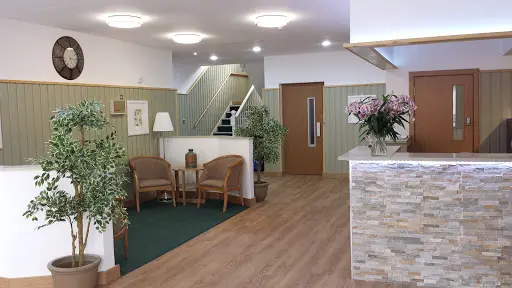
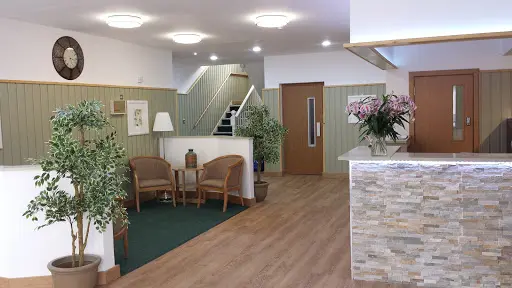
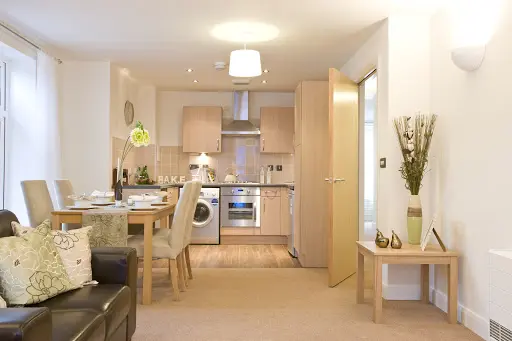
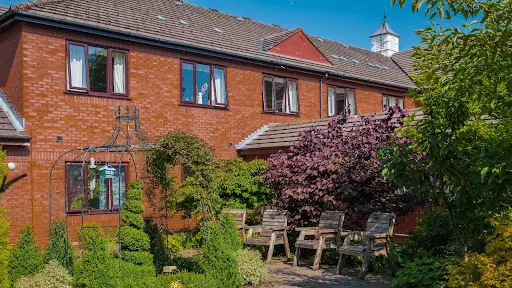
The physical environment at Thornton Lodge has received some positive feedback, with facilities described as well-appointed. However, cleanliness standards have been inconsistent according to some accounts, which is something you might want to ask about during a visit.
“Every family's priorities are different, and what matters most is finding somewhere that feels right for your loved one's specific needs.”
DCC does not edit or curate content in this tab. For independently curated information, see The Evidence and DCC Verdict.