Fonthill House Nursing Home
At a Glance
The information you need to decide whether this home warrants a closer look.
Nursing homes
Staff warmth score
of reviewers answered yes
Good to know
- Registered beds64
- SpecialismsCaring for adults over 65 yrs, Caring for adults under 65 yrs, Dementia, Learning disabilities, Physical disabilities, Sensory impairment
- Last inspected2019-08-01
Save Fonthill House Nursing Home to your shortlist
Keep a running list, add visit notes, and compare homes side-by-side. Free account — it takes a minute.
STAGE 4 — RESEARCHING CARE HOMES
Visit homes. Compare them side by side. Choose with confidence.
Most of us will view care homes the way we view houses, impression, atmosphere, the feeling in the corridor. We go home, try to remember what we saw, and make a permanent decision from a blurred memory.

The DCC shortlist gives every home you visit a structured record: the same twelve questions, answered the same way, every time. When you’re ready to choose, pull any two homes side by side and compare them directly. Same criteria, same evidence, your notes and your scores.
The Evidence
What the review data, the inspection reports, and the dementia-care evidence base tell us about this home.
What families say
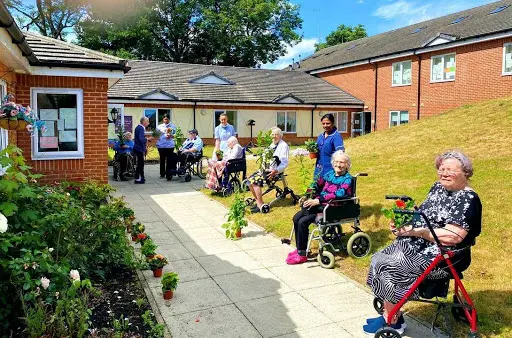
Families talk about the unhurried way staff approach each resident — there's a sense that carers have time to sit and chat, not just rush through tasks. The regular programme of live music, cinema screenings, and art activities gives residents plenty to look forward to. Many mention how their loved ones seem genuinely content, participating in fitness classes or enjoying themed dining experiences.
The eight family priority themes
- Staff warmth85
- Compassion & dignity87
- Cleanliness75
- Activities & engagement82
- Food quality72
- Healthcare85
- Management & leadership88
- Resident happiness80
What inspectors found
Inspected 2019-08-01
Is this home safe?
Is the care effective?
Effective was rated Outstanding, the highest possible rating. This domain covers care planning, staff training, healthcare access, and nutrition. An Outstanding rating here means inspectors found strong, specific evidence of practice that went beyond compliance. The published summary does not reproduce the full detail of their observations, but the rating itself indicates that care plans, dementia training, and healthcare coordination were assessed as genuinely exceptional.Is this home caring?
Caring was rated Outstanding. This domain covers the warmth of staff interactions, respect for dignity and privacy, and whether people are supported to maintain independence. Outstanding here means inspectors observed and recorded specific evidence of genuinely kind, person-centred care rather than simply compliant practice. The published summary does not include the direct observations or quotes that would have informed this rating, but the bar for Outstanding in Caring is deliberately high.Is the home responsive?
Responsive was rated Outstanding. This domain covers whether care is tailored to individual needs, whether activities are meaningful and varied, and whether end-of-life care planning is in place. Outstanding here means the home demonstrated individual rather than group-only thinking, with evidence that people's preferences, histories, and remaining abilities shaped daily life. The published summary does not detail specific activities or examples, but the rating reflects inspector judgement across multiple evidence sources.Is the home well-led?
Well-led was rated Outstanding. The registered manager, Nathan James Tomkinson, is also the nominated individual for the provider, which is unusual and suggests a close, hands-on relationship between leadership and day-to-day care. Outstanding for Well-led means inspectors found a culture of accountability, staff who felt able to raise concerns, and governance systems that genuinely drove improvement rather than generating paperwork. The published summary does not give detail on staff survey findings or governance structures, but the rating reflects a strong judgement.
Source: CQC inspection report →
What the evidence base says
The home cares for adults both under and over 65, supporting residents with physical disabilities, sensory impairments, and learning disabilities. They also provide dementia care and have experience with complex health conditions requiring clinical oversight. For residents with dementia, the stable staff team helps create the familiarity that's so important. The home's activity programme and individualised care planning are designed to maintain quality of life as conditions progress. All areas worth probing directly during a visit.
The DCC Verdict
Our editorial view, built from the three lenses: what families tell us, what inspectors record, and how the home sits against good dementia-care practice.
DCC Family Score
Fonthill House holds an Outstanding overall rating, with four of five domains rated Outstanding by inspectors. The family score of 82 reflects strong evidence of kind, person-centred care and effective leadership, tempered by the age of the inspection findings and limited specific detail available in the published summary.
Homes in East typically score 68–82.The three-lens summary
What families tell us
Families talk about the unhurried way staff approach each resident — there's a sense that carers have time to sit and chat, not just rush through tasks. The regular programme of live music, cinema screenings, and art activities gives residents plenty to look forward to. Many mention how their loved ones seem genuinely content, participating in fitness classes or enjoying themed dining experiences.
What inspectors have recorded
The clinical teams — from nurses to physiotherapists — work together in what families describe as a coordinated, professional way. Most find that when they have questions or concerns, staff are quick to respond and happy to discuss care plans. The medical leadership takes an individualised approach, with families noting how care is tailored to each resident's specific needs.
How it sits against good practice
While one family reported concerning issues during end-of-life care, the broader picture from families is of a home where residents feel settled and well-supported through different stages of their care journey.
Worth a visit
Fonthill House in St Albans was rated Outstanding at its last full inspection, published in March 2021, with four domains rated Outstanding (Effective, Caring, Responsive, and Well-led) and one rated Good (Safe). That is an impressive result across a 64-bed nursing home serving people with dementia, learning disabilities, physical disabilities, and sensory impairment. The registered manager, Nathan James Tomkinson, is also the nominated individual, which suggests a hands-on leadership presence rather than a distant corporate structure. The most important caveat for you is the age of these findings. The inspection took place in February 2021, more than four years ago, and while a review in July 2023 found no reason to change the rating, that review was based on data and information rather than a fresh visit. A lot can change in a care home over four years, including staff turnover, occupancy levels, and management stability. On your visit, ask specifically whether Nathan Tomkinson is still in post, how many of the staff team were there in 2021, and whether the home has had any recent regulatory correspondence. The Outstanding rating is a strong signal, but it needs to be tested against what you see today.
The three questions to ask when you visitSave this home. Compare it against your shortlist.
Let our analysis show you how Fonthill House Nursing Home measures up against the other homes you’re considering. Free account.
In Their Own Words
How Fonthill House Nursing Home describes itself — collected from its own website. DCC has not edited or independently verified the content in this tab.
Where long-serving staff bring comfort through every stage of care
Fonthill House – Your Trusted nursing home
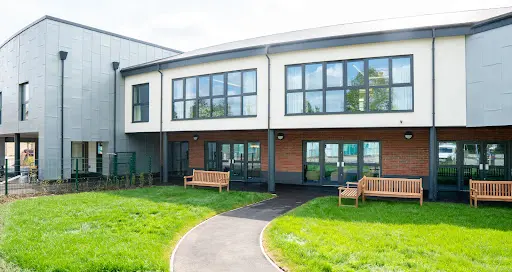
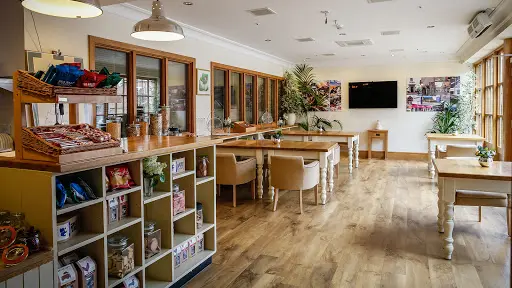
When families visit Fonthill House in east St Albans, they often notice how many staff members have been there for years. It's the kind of continuity that brings real reassurance when you're trusting a care home with someone you love. The home supports residents with various needs, from sensory impairments to dementia, in what families describe as a light, airy environment that feels more like a hotel than an institution.
Who they care for
The home cares for adults both under and over 65, supporting residents with physical disabilities, sensory impairments, and learning disabilities. They also provide dementia care and have experience with complex health conditions requiring clinical oversight.
For residents with dementia, the stable staff team helps create the familiarity that's so important. The home's activity programme and individualised care planning are designed to maintain quality of life as conditions progress.
“While one family reported concerning issues during end-of-life care, the broader picture from families is of a home where residents feel settled and well-supported through different stages of their care journey.”
DCC does not edit or curate content in this tab. For independently curated information, see The Evidence and DCC Verdict.
The DCC Verdict
Our editorial view, built from the three lenses: what families tell us, what inspectors record, and how the home sits against good dementia-care practice.
DCC Family Score
Fonthill House holds an Outstanding overall rating, with four of five domains rated Outstanding by inspectors. The family score of 82 reflects strong evidence of kind, person-centred care and effective leadership, tempered by the age of the inspection findings and limited specific detail available in the published summary.
Homes in East typically score 68–82.The three-lens summary
What families tell us
Families talk about the unhurried way staff approach each resident — there's a sense that carers have time to sit and chat, not just rush through tasks. The regular programme of live music, cinema screenings, and art activities gives residents plenty to look forward to. Many mention how their loved ones seem genuinely content, participating in fitness classes or enjoying themed dining experiences.
What inspectors have recorded
The clinical teams — from nurses to physiotherapists — work together in what families describe as a coordinated, professional way. Most find that when they have questions or concerns, staff are quick to respond and happy to discuss care plans. The medical leadership takes an individualised approach, with families noting how care is tailored to each resident's specific needs.
How it sits against good practice
While one family reported concerning issues during end-of-life care, the broader picture from families is of a home where residents feel settled and well-supported through different stages of their care journey.
Worth a visit
Fonthill House in St Albans was rated Outstanding at its last full inspection, published in March 2021, with four domains rated Outstanding (Effective, Caring, Responsive, and Well-led) and one rated Good (Safe). That is an impressive result across a 64-bed nursing home serving people with dementia, learning disabilities, physical disabilities, and sensory impairment. The registered manager, Nathan James Tomkinson, is also the nominated individual, which suggests a hands-on leadership presence rather than a distant corporate structure. The most important caveat for you is the age of these findings. The inspection took place in February 2021, more than four years ago, and while a review in July 2023 found no reason to change the rating, that review was based on data and information rather than a fresh visit. A lot can change in a care home over four years, including staff turnover, occupancy levels, and management stability. On your visit, ask specifically whether Nathan Tomkinson is still in post, how many of the staff team were there in 2021, and whether the home has had any recent regulatory correspondence. The Outstanding rating is a strong signal, but it needs to be tested against what you see today.
The three questions to ask when you visitSave this home. Compare it against your shortlist.
Let our analysis show you how Fonthill House Nursing Home measures up against the other homes you’re considering. Free account.
In Their Own Words
How Fonthill House Nursing Home describes itself — collected from its own website. DCC has not edited or independently verified the content in this tab.
Where long-serving staff bring comfort through every stage of care
Fonthill House – Your Trusted nursing home
When families visit Fonthill House in east St Albans, they often notice how many staff members have been there for years. It's the kind of continuity that brings real reassurance when you're trusting a care home with someone you love. The home supports residents with various needs, from sensory impairments to dementia, in what families describe as a light, airy environment that feels more like a hotel than an institution.
Who they care for
The home cares for adults both under and over 65, supporting residents with physical disabilities, sensory impairments, and learning disabilities. They also provide dementia care and have experience with complex health conditions requiring clinical oversight.
For residents with dementia, the stable staff team helps create the familiarity that's so important. The home's activity programme and individualised care planning are designed to maintain quality of life as conditions progress.
Management & ethos
The clinical teams — from nurses to physiotherapists — work together in what families describe as a coordinated, professional way. Most find that when they have questions or concerns, staff are quick to respond and happy to discuss care plans. The medical leadership takes an individualised approach, with families noting how care is tailored to each resident's specific needs.
The home & environment
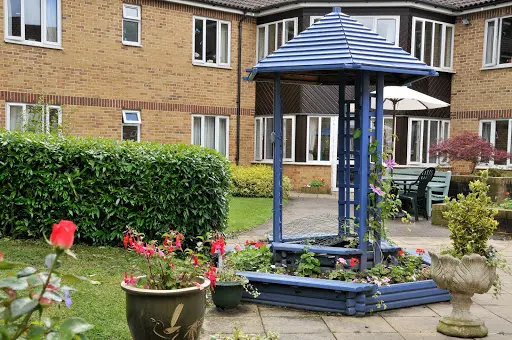
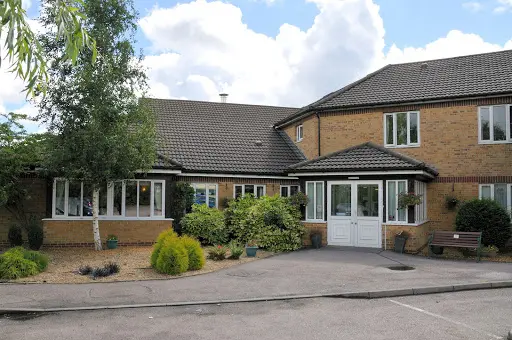
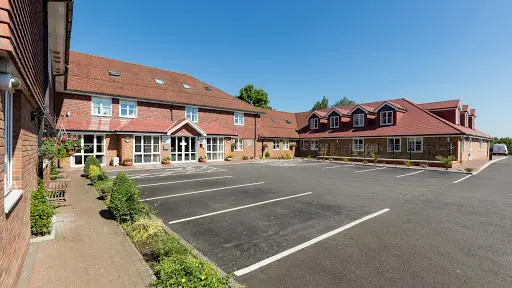
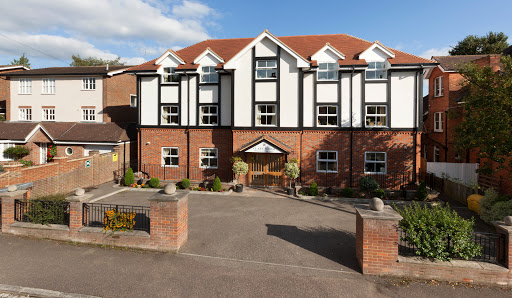
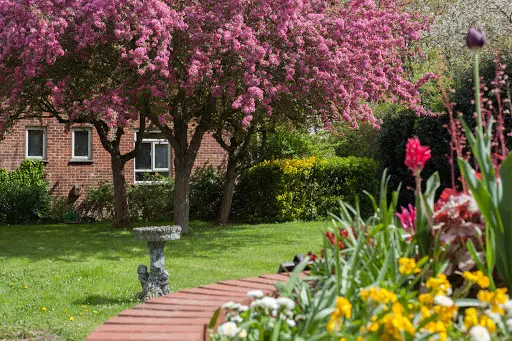
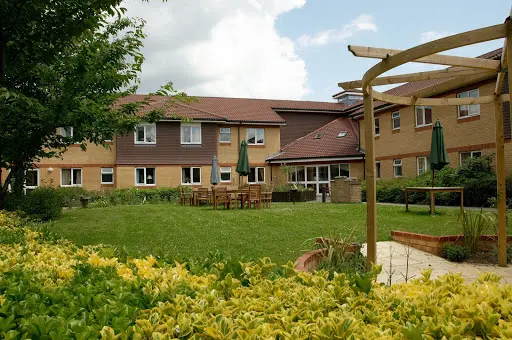
The physical environment gets consistent praise for being bright and welcoming. There's a coffee shop where residents and visitors can meet, and families mention the restaurant-quality dining as a pleasant surprise. The whole place is kept spotlessly clean, contributing to that hotel-like atmosphere families appreciate.
“While one family reported concerning issues during end-of-life care, the broader picture from families is of a home where residents feel settled and well-supported through different stages of their care journey.”
DCC does not edit or curate content in this tab. For independently curated information, see The Evidence and DCC Verdict.