Barchester – Meadow Park Care Home
At a Glance
The information you need to decide whether this home warrants a closer look.
Residential homes
Staff warmth score
of reviewers answered yes
Good to know
- Registered beds61
- SpecialismsCaring for adults over 65 yrs, Caring for adults under 65 yrs, Dementia
- Last inspected2017-10-04
Save Barchester – Meadow Park Care Home to your shortlist
Keep a running list, add visit notes, and compare homes side-by-side. Free account — it takes a minute.
STAGE 4 — RESEARCHING CARE HOMES
Visit homes. Compare them side by side. Choose with confidence.
Most of us will view care homes the way we view houses, impression, atmosphere, the feeling in the corridor. We go home, try to remember what we saw, and make a permanent decision from a blurred memory.

The DCC shortlist gives every home you visit a structured record: the same twelve questions, answered the same way, every time. When you’re ready to choose, pull any two homes side by side and compare them directly. Same criteria, same evidence, your notes and your scores.
The Evidence
What the review data, the inspection reports, and the dementia-care evidence base tell us about this home.
What families say
Residents who arrive feeling uncertain often settle into new routines surprisingly quickly here. Families describe watching their loved ones become more talkative at mealtimes, joining in activities they'd withdrawn from at home, and greeting visitors with genuine smiles. The atmosphere feels relaxed rather than institutional, with staff who chat naturally with residents as they go about their day.
The eight family priority themes
- Staff warmth88
- Compassion & dignity92
- Cleanliness75
- Activities & engagement75
- Food quality72
- Healthcare78
- Management & leadership82
- Resident happiness80
What inspectors found
Inspected 2017-10-04
Is this home safe?
Is the care effective?
The Effective domain was rated Good at the August 2025 inspection. This covers whether staff have the training and knowledge to do their jobs well, whether care plans are detailed and kept up to date, and whether residents have good access to healthcare including GP visits, specialist referrals, and medicines management. The home holds a dementia specialism, which means inspectors will have looked specifically at whether dementia training is in place. No specific detail about care plan content, GP access frequency, or food quality is available in the published summary.Is this home caring?
The Caring domain was rated Outstanding at the August 2025 inspection. This is the highest rating available and requires specific, compelling inspector evidence, not just the absence of problems. Outstanding in Caring typically means inspectors directly observed staff treating people with warmth, patience, and genuine respect, and found strong testimony from residents and families to support it. The published summary confirms the rating but does not reproduce the specific observations or quotes that earned it.Is the home responsive?
The Responsive domain was rated Good at the August 2025 inspection. This covers whether the home tailors its care to individual preferences, provides meaningful activities, responds promptly when needs change, and handles complaints well. The home has a dementia specialism, so responsiveness to the specific and changing needs of people with dementia is part of what inspectors assess. No specific detail about activity programmes, individual engagement, or complaint handling is available in the published summary.Is the home well-led?
The Well-led domain was rated Good at the August 2025 inspection. The home is managed by a named registered manager, Miss Julie Deborah Bond, with Mr Dominic Jude Kay as nominated individual, and is run by Barchester Healthcare Homes Limited. A Good for Well-led requires evidence that the manager is visible and accessible, staff feel supported and able to raise concerns, governance systems are working, and the home learns from incidents. The improvement from a previous Requires Improvement rating to Good overall is itself a marker of effective leadership, as sustained improvement requires someone to identify problems and drive change.
Source: CQC inspection report →
What the evidence base says
The home welcomes adults under 65 who need residential support alongside their older residents. They're set up to care for people living with dementia at various stages. Staff here work with residents experiencing different stages of dementia, adapting activities and communication styles to match what each person needs. They seem to understand when someone needs gentle encouragement versus when it's better to simply sit quietly together. All areas worth probing directly during a visit.
The DCC Verdict
Our editorial view, built from the three lenses: what families tell us, what inspectors record, and how the home sits against good dementia-care practice.
DCC Family Score
Meadow Park scores strongly on the themes that matter most to families, particularly staff warmth and compassion, driven by an Outstanding rating for Caring. The published report contains limited granular detail across several themes, so some scores reflect the domain rating rather than specific observations.
Homes in North East typically score 68–82.The three-lens summary
What families tell us
Residents who arrive feeling uncertain often settle into new routines surprisingly quickly here. Families describe watching their loved ones become more talkative at mealtimes, joining in activities they'd withdrawn from at home, and greeting visitors with genuine smiles. The atmosphere feels relaxed rather than institutional, with staff who chat naturally with residents as they go about their day.
What inspectors have recorded
Staff here respond quickly when families need something sorted, whether it's an extra pillow or an update on how lunch went. The team keeps relatives in the loop through regular phone calls and photos, which particularly helped families stay connected when visiting was restricted. There's a sense that staff genuinely know each resident — their preferences, their moods, their stories.
How it sits against good practice
If you're weighing up options for someone you love, arranging a visit to Meadow Park could help you get a feel for whether it's the right fit.
Worth a visit
Meadow Park in Bedlington was assessed in August 2025 and rated Good overall, with an Outstanding rating for Caring. This is a significant improvement from a previous Requires Improvement rating, and it tells you that inspectors found real, sustained progress here. The Outstanding for Caring is the headline finding: inspectors reserve that rating for homes where the quality of kindness and respect goes noticeably beyond what is expected, not simply homes that tick compliance boxes. The main uncertainty is that the published inspection summary is brief, and this report draws on domain ratings rather than detailed inspector observations, resident quotes, or staff testimony. You should treat the Outstanding Caring rating as a strong positive signal and then test it yourself. On your first visit, watch how staff greet your parent at the door, whether they use their preferred name without being prompted, and whether anyone seems hurried. Ask the manager specifically about night staffing numbers, agency cover, and how often care plans are reviewed with families present.
The three questions to ask when you visitSave this home. Compare it against your shortlist.
Let our analysis show you how Barchester – Meadow Park Care Home measures up against the other homes you’re considering. Free account.
In Their Own Words
How Barchester – Meadow Park Care Home describes itself — collected from its own website. DCC has not edited or independently verified the content in this tab.
Welcoming haven where residents rediscover their spark
Meadow Park – Your Trusted residential home
Families visiting Meadow Park in Bedlington often notice something special — their loved ones seem lighter, more themselves again. This care home in the North East supports adults over 65, including those living with dementia, in an environment where cleanliness and comfort come standard. The team here understands that small moments of connection matter just as much as the bigger picture of care.
Who they care for
The home welcomes adults under 65 who need residential support alongside their older residents. They're set up to care for people living with dementia at various stages.
Staff here work with residents experiencing different stages of dementia, adapting activities and communication styles to match what each person needs. They seem to understand when someone needs gentle encouragement versus when it's better to simply sit quietly together.
“If you're weighing up options for someone you love, arranging a visit to Meadow Park could help you get a feel for whether it's the right fit.”
DCC does not edit or curate content in this tab. For independently curated information, see The Evidence and DCC Verdict.
The DCC Verdict
Our editorial view, built from the three lenses: what families tell us, what inspectors record, and how the home sits against good dementia-care practice.
DCC Family Score
Meadow Park scores strongly on the themes that matter most to families, particularly staff warmth and compassion, driven by an Outstanding rating for Caring. The published report contains limited granular detail across several themes, so some scores reflect the domain rating rather than specific observations.
Homes in North East typically score 68–82.The three-lens summary
What families tell us
Residents who arrive feeling uncertain often settle into new routines surprisingly quickly here. Families describe watching their loved ones become more talkative at mealtimes, joining in activities they'd withdrawn from at home, and greeting visitors with genuine smiles. The atmosphere feels relaxed rather than institutional, with staff who chat naturally with residents as they go about their day.
What inspectors have recorded
Staff here respond quickly when families need something sorted, whether it's an extra pillow or an update on how lunch went. The team keeps relatives in the loop through regular phone calls and photos, which particularly helped families stay connected when visiting was restricted. There's a sense that staff genuinely know each resident — their preferences, their moods, their stories.
How it sits against good practice
If you're weighing up options for someone you love, arranging a visit to Meadow Park could help you get a feel for whether it's the right fit.
Worth a visit
Meadow Park in Bedlington was assessed in August 2025 and rated Good overall, with an Outstanding rating for Caring. This is a significant improvement from a previous Requires Improvement rating, and it tells you that inspectors found real, sustained progress here. The Outstanding for Caring is the headline finding: inspectors reserve that rating for homes where the quality of kindness and respect goes noticeably beyond what is expected, not simply homes that tick compliance boxes. The main uncertainty is that the published inspection summary is brief, and this report draws on domain ratings rather than detailed inspector observations, resident quotes, or staff testimony. You should treat the Outstanding Caring rating as a strong positive signal and then test it yourself. On your first visit, watch how staff greet your parent at the door, whether they use their preferred name without being prompted, and whether anyone seems hurried. Ask the manager specifically about night staffing numbers, agency cover, and how often care plans are reviewed with families present.
The three questions to ask when you visitSave this home. Compare it against your shortlist.
Let our analysis show you how Barchester – Meadow Park Care Home measures up against the other homes you’re considering. Free account.
In Their Own Words
How Barchester – Meadow Park Care Home describes itself — collected from its own website. DCC has not edited or independently verified the content in this tab.
Welcoming haven where residents rediscover their spark
Meadow Park – Your Trusted residential home
Families visiting Meadow Park in Bedlington often notice something special — their loved ones seem lighter, more themselves again. This care home in the North East supports adults over 65, including those living with dementia, in an environment where cleanliness and comfort come standard. The team here understands that small moments of connection matter just as much as the bigger picture of care.
Who they care for
The home welcomes adults under 65 who need residential support alongside their older residents. They're set up to care for people living with dementia at various stages.
Staff here work with residents experiencing different stages of dementia, adapting activities and communication styles to match what each person needs. They seem to understand when someone needs gentle encouragement versus when it's better to simply sit quietly together.
Management & ethos
Staff here respond quickly when families need something sorted, whether it's an extra pillow or an update on how lunch went. The team keeps relatives in the loop through regular phone calls and photos, which particularly helped families stay connected when visiting was restricted. There's a sense that staff genuinely know each resident — their preferences, their moods, their stories.
The home & environment
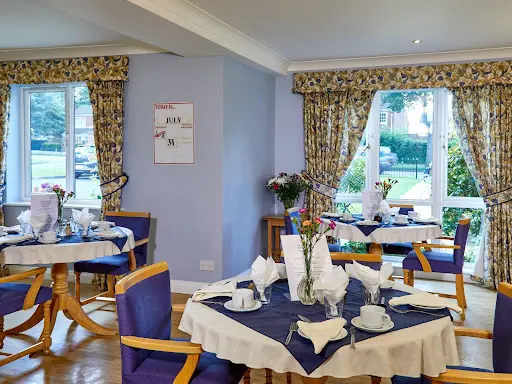
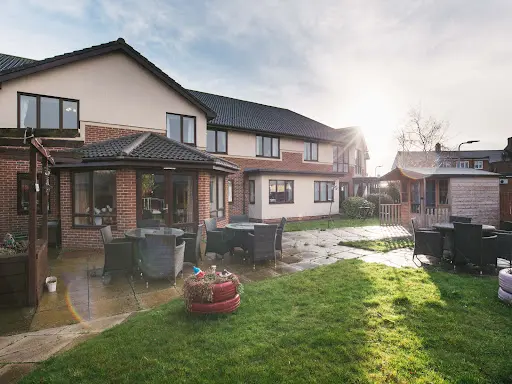
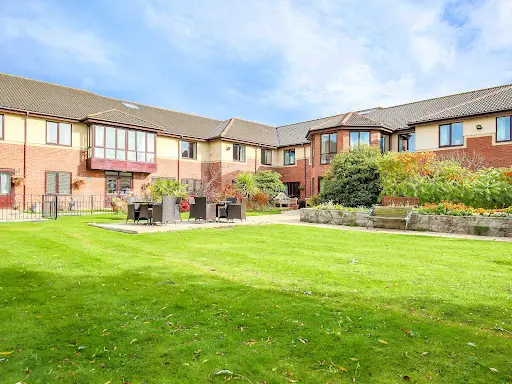
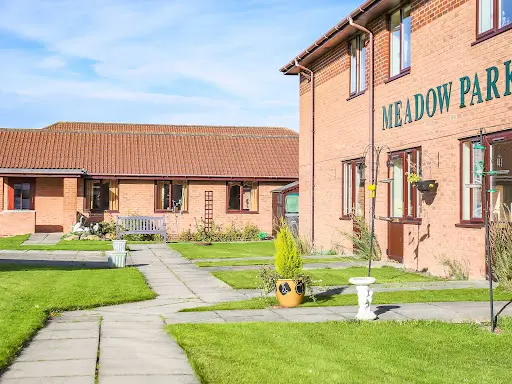
The kitchen team serves up proper home cooking — the kind where you can smell Sunday roast drifting through the corridors. Communal areas stay fresh and tidy, with comfortable seating arranged for easy conversation. During warmer months, residents can enjoy time outdoors in well-maintained garden spaces.
“If you're weighing up options for someone you love, arranging a visit to Meadow Park could help you get a feel for whether it's the right fit.”
DCC does not edit or curate content in this tab. For independently curated information, see The Evidence and DCC Verdict.