Priscilla Wakefield House

At a Glance
The information you need to decide whether this home warrants a closer look.
Nursing homes, Rehabilitation (illness/injury)
Staff warmth score
of reviewers answered yes
Good to know
- Registered beds117
- SpecialismsCaring for adults over 65 yrs, Caring for adults under 65 yrs, Dementia, Physical disabilities
- Last inspected2022-07-14
Save Priscilla Wakefield House to your shortlist
Keep a running list, add visit notes, and compare homes side-by-side. Free account — it takes a minute.
STAGE 4 — RESEARCHING CARE HOMES
Visit homes. Compare them side by side. Choose with confidence.
Most of us will view care homes the way we view houses, impression, atmosphere, the feeling in the corridor. We go home, try to remember what we saw, and make a permanent decision from a blurred memory.

The DCC shortlist gives every home you visit a structured record: the same twelve questions, answered the same way, every time. When you’re ready to choose, pull any two homes side by side and compare them directly. Same criteria, same evidence, your notes and your scores.
The Evidence
What the review data, the inspection reports, and the dementia-care evidence base tell us about this home.
What families say
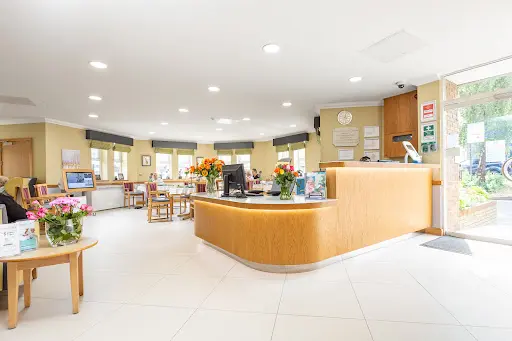
Visitors often mention feeling welcomed when they arrive, with reception staff remembered for their warm approach. The home appears clean and fresh when families visit, which can offer reassurance during those first nervous tours. Regular activities like music sessions, gardening and film clubs give structure to residents' days.
The eight family priority themes
- Staff warmth72
- Compassion & dignity72
- Cleanliness70
- Activities & engagement60
- Food quality60
- Healthcare70
- Management & leadership74
- Resident happiness68
What inspectors found
Inspected 2022-07-14
Is this home safe?
Is the care effective?
The Effective domain was rated Good at the April 2024 inspection. The published report does not include specific evidence about the quality of care plans, how frequently they are reviewed, whether families are involved in reviews, or the content of dementia training provided to staff. The home provides nursing care and rehabilitation as well as dementia care, which requires staff with a range of specialist skills. No detail about GP access frequency or medicines reviews is included in the available text.Is this home caring?
The Caring domain was rated Good at the April 2024 inspection. The published report includes no direct quotes from residents or relatives and no specific inspector observations about how staff interact with the people who live there. The home cares for adults with dementia, physical disabilities, and those undergoing rehabilitation, meaning staff need to adapt their communication and approach to a wide range of needs. The Good rating indicates inspectors were satisfied with what they observed, but no detail is available in the published text.Is the home responsive?
The Responsive domain was rated Good at the April 2024 inspection. The published report contains no specific detail about the activities programme, how one-to-one engagement is provided to residents who cannot join group sessions, how end-of-life care is planned, or how the home responds to individual preferences and complaints. The home serves a diverse population including people with dementia, physical disabilities, and those in rehabilitation, each of whom will have very different needs for engagement and stimulation.Is the home well-led?
The Well-led domain was rated Good at the April 2024 inspection. The home is run by Magicare Limited. Mrs Sue Ann Barbara Nnamani is the registered manager and Mr Mitesh Dhanak is the nominated individual. Both are named in the published findings. The home improved from Requires Improvement to Good, which indicates that leadership identified and addressed earlier concerns over the inspection period. No specific detail about management culture, staff empowerment, governance systems, or how the home handles complaints is included in the available text.
Source: CQC inspection report →
What the evidence base says
The home cares for younger adults under 65 with physical disabilities as well as older residents. They accept people living with dementia and have experience supporting those with complex physical care needs. For residents with dementia, the home provides specialist support within their general care programme. Families considering dementia care here should ask specific questions about fall prevention measures and how staff manage the particular challenges dementia can bring. All areas worth probing directly during a visit.
The DCC Verdict
Our editorial view, built from the three lenses: what families tell us, what inspectors record, and how the home sits against good dementia-care practice.
DCC Family Score
Priscilla Wakefield House has improved from Requires Improvement to Good across all five inspection domains, which is a meaningful step forward. However, the published inspection report provides very limited specific detail, so most scores reflect the Good rating rather than rich observed evidence.
Homes in London typically score 68–82.The three-lens summary
What families tell us
Visitors often mention feeling welcomed when they arrive, with reception staff remembered for their warm approach. The home appears clean and fresh when families visit, which can offer reassurance during those first nervous tours. Regular activities like music sessions, gardening and film clubs give structure to residents' days.
What inspectors have recorded
While some families report quick responses when they raise concerns, others describe struggling to get clear information about their relative's care. Communication between staff shifts appears inconsistent, with some families finding they need to repeat important information. The home employs qualified nurses around the clock, though families report staffing can be stretched at busy times.
How it sits against good practice
Every family's experience is different, and asking detailed questions during your visit can help you understand if this is the right place for your loved one.
Worth a visit
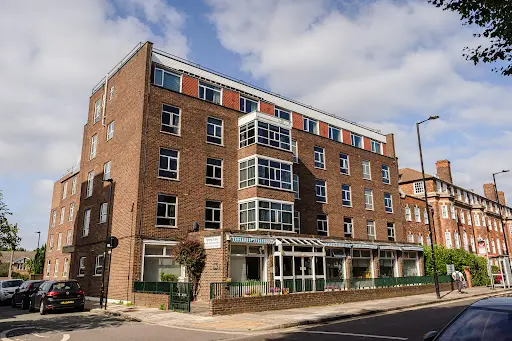
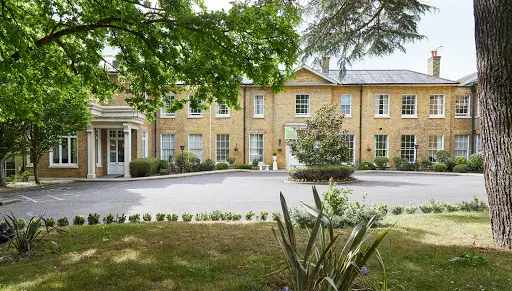
Priscilla Wakefield House, on Rangemoor Road in Tottenham, was rated Good across all five inspection domains at its most recent assessment in April 2024, with findings published in January 2025. This is a significant improvement from a previous rating of Requires Improvement, and it suggests the home's leadership identified problems, acted on them, and demonstrated sustained improvement to inspectors. The home specialises in nursing care, rehabilitation, dementia, and physical disabilities across 117 beds, catering for both adults over and under 65. The main limitation of this report is that the published inspection text is very brief and contains almost no specific observations, direct quotes from residents or relatives, or detailed evidence about day-to-day life in the home. A Good rating is genuinely positive, but it tells you the home met the required standard rather than giving you a picture of what it feels like to live there. Before making a decision, visit in person during a weekday morning, ask to meet the registered manager, and use the checklist questions below, particularly around night staffing levels, agency staff usage, dementia training, and how the home communicates with families.
The three questions to ask when you visitSave this home. Compare it against your shortlist.
Let our analysis show you how Priscilla Wakefield House measures up against the other homes you’re considering. Free account.
In Their Own Words
How Priscilla Wakefield House describes itself — collected from its own website. DCC has not edited or independently verified the content in this tab.
Round-the-clock nursing and regular activities in North London
Nursing home,rehabilitation (illness/injury) in London: True Peace of Mind
Choosing the right care can feel overwhelming when you're worried about getting it wrong. Priscilla Wakefield House in London offers 24-hour nursing care alongside physical disability support and dementia care. The home runs a programme of activities and outings that families say help residents stay engaged.
Who they care for
The home cares for younger adults under 65 with physical disabilities as well as older residents. They accept people living with dementia and have experience supporting those with complex physical care needs.
For residents with dementia, the home provides specialist support within their general care programme. Families considering dementia care here should ask specific questions about fall prevention measures and how staff manage the particular challenges dementia can bring.
“Every family's experience is different, and asking detailed questions during your visit can help you understand if this is the right place for your loved one.”
DCC does not edit or curate content in this tab. For independently curated information, see The Evidence and DCC Verdict.
The DCC Verdict
Our editorial view, built from the three lenses: what families tell us, what inspectors record, and how the home sits against good dementia-care practice.
DCC Family Score
Priscilla Wakefield House has improved from Requires Improvement to Good across all five inspection domains, which is a meaningful step forward. However, the published inspection report provides very limited specific detail, so most scores reflect the Good rating rather than rich observed evidence.
Homes in London typically score 68–82.The three-lens summary
What families tell us
Visitors often mention feeling welcomed when they arrive, with reception staff remembered for their warm approach. The home appears clean and fresh when families visit, which can offer reassurance during those first nervous tours. Regular activities like music sessions, gardening and film clubs give structure to residents' days.
What inspectors have recorded
While some families report quick responses when they raise concerns, others describe struggling to get clear information about their relative's care. Communication between staff shifts appears inconsistent, with some families finding they need to repeat important information. The home employs qualified nurses around the clock, though families report staffing can be stretched at busy times.
How it sits against good practice
Every family's experience is different, and asking detailed questions during your visit can help you understand if this is the right place for your loved one.
Worth a visit
Priscilla Wakefield House, on Rangemoor Road in Tottenham, was rated Good across all five inspection domains at its most recent assessment in April 2024, with findings published in January 2025. This is a significant improvement from a previous rating of Requires Improvement, and it suggests the home's leadership identified problems, acted on them, and demonstrated sustained improvement to inspectors. The home specialises in nursing care, rehabilitation, dementia, and physical disabilities across 117 beds, catering for both adults over and under 65. The main limitation of this report is that the published inspection text is very brief and contains almost no specific observations, direct quotes from residents or relatives, or detailed evidence about day-to-day life in the home. A Good rating is genuinely positive, but it tells you the home met the required standard rather than giving you a picture of what it feels like to live there. Before making a decision, visit in person during a weekday morning, ask to meet the registered manager, and use the checklist questions below, particularly around night staffing levels, agency staff usage, dementia training, and how the home communicates with families.
The three questions to ask when you visitSave this home. Compare it against your shortlist.
Let our analysis show you how Priscilla Wakefield House measures up against the other homes you’re considering. Free account.
In Their Own Words
How Priscilla Wakefield House describes itself — collected from its own website. DCC has not edited or independently verified the content in this tab.
Round-the-clock nursing and regular activities in North London
Nursing home,rehabilitation (illness/injury) in London: True Peace of Mind
Choosing the right care can feel overwhelming when you're worried about getting it wrong. Priscilla Wakefield House in London offers 24-hour nursing care alongside physical disability support and dementia care. The home runs a programme of activities and outings that families say help residents stay engaged.
Who they care for
The home cares for younger adults under 65 with physical disabilities as well as older residents. They accept people living with dementia and have experience supporting those with complex physical care needs.
For residents with dementia, the home provides specialist support within their general care programme. Families considering dementia care here should ask specific questions about fall prevention measures and how staff manage the particular challenges dementia can bring.
Management & ethos
While some families report quick responses when they raise concerns, others describe struggling to get clear information about their relative's care. Communication between staff shifts appears inconsistent, with some families finding they need to repeat important information. The home employs qualified nurses around the clock, though families report staffing can be stretched at busy times.
The home & environment
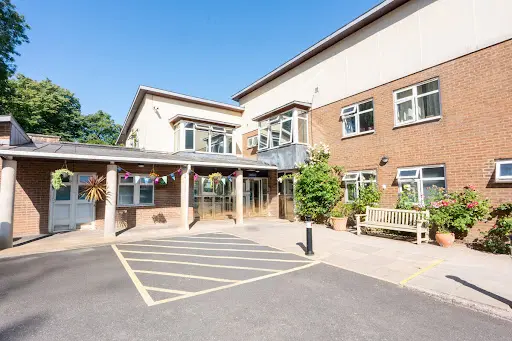
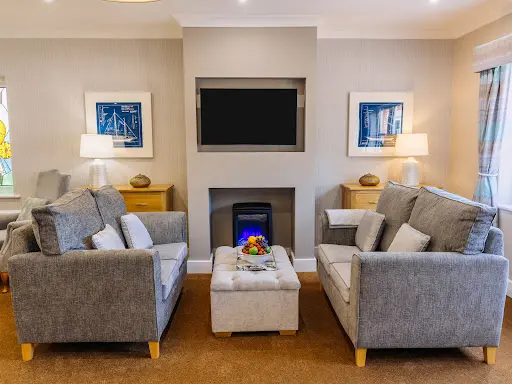
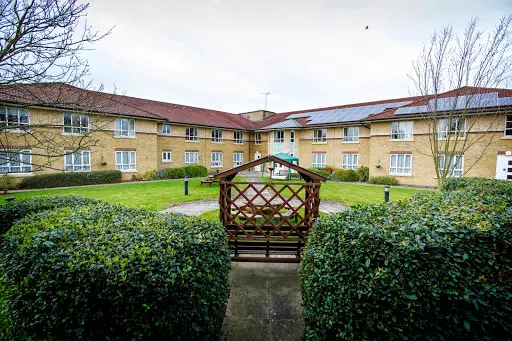
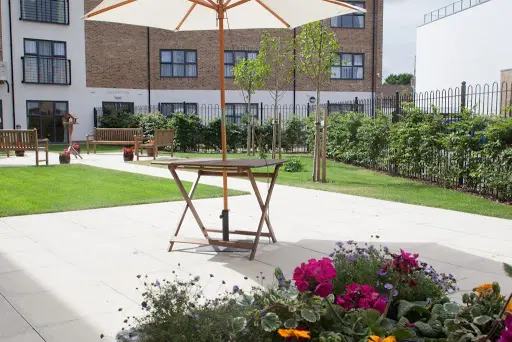
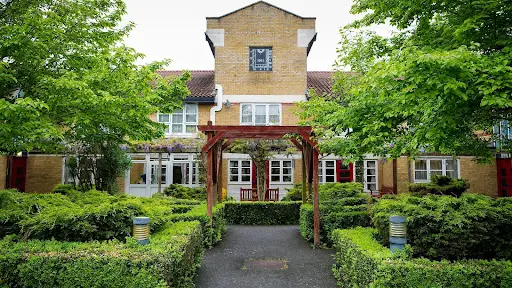
The home maintains its communal areas and bedrooms to a good standard of cleanliness, according to families. Food is prepared on-site, and there's access to garden spaces where residents can spend time outdoors. Entertainment events happen throughout the year.
“Every family's experience is different, and asking detailed questions during your visit can help you understand if this is the right place for your loved one.”
DCC does not edit or curate content in this tab. For independently curated information, see The Evidence and DCC Verdict.