The Order of St John Care Trust

At a Glance
The information you need to decide whether this home warrants a closer look.
Nursing homes
Staff warmth score
of reviewers answered yes
Good to know
- Registered beds64
- SpecialismsCaring for adults over 65 yrs, Caring for adults under 65 yrs, Dementia
- Last inspected2018-04-17
Save The Order of St John Care Trust to your shortlist
Keep a running list, add visit notes, and compare homes side-by-side. Free account — it takes a minute.
STAGE 4 — RESEARCHING CARE HOMES
Visit homes. Compare them side by side. Choose with confidence.
Most of us will view care homes the way we view houses, impression, atmosphere, the feeling in the corridor. We go home, try to remember what we saw, and make a permanent decision from a blurred memory.

The DCC shortlist gives every home you visit a structured record: the same twelve questions, answered the same way, every time. When you’re ready to choose, pull any two homes side by side and compare them directly. Same criteria, same evidence, your notes and your scores.
The Evidence
What the review data, the inspection reports, and the dementia-care evidence base tell us about this home.
What families say
Visitors consistently mention feeling genuinely welcomed when they arrive. Family members notice how staff engage with residents throughout the day — not just during care tasks but in those small, meaningful moments that matter. There's a real sense of warmth here that families pick up on straight away.
The eight family priority themes
- Staff warmth72
- Compassion & dignity72
- Cleanliness68
- Activities & engagement60
- Food quality58
- Healthcare65
- Management & leadership42
- Resident happiness65
What inspectors found
Inspected 2018-04-17
Is this home safe?
Is the care effective?
The Effective domain was rated Good, covering areas such as staff training, care plan quality, healthcare access, and nutrition. The home specialises in dementia care and also supports adults under 65, which places particular demands on staff competence and care planning. No specific findings about dementia training content, GP access frequency, or food quality are available in the published summary.Is this home caring?
The Caring domain was rated Good, which covers staff warmth, dignity, respect, and support for independence. This is the domain most closely connected to the day-to-day experience of living in the home. The published summary does not include specific inspector observations, resident quotes, or relative feedback that would give a more detailed picture of how staff actually interact with people in their care.Is the home responsive?
The Responsive domain was rated Good, covering how well the home tailors care to individual needs, the quality and variety of activities, and how it handles complaints and end-of-life care. The published summary provides no specific detail about the activity programme, one-to-one engagement, or how the home supports residents with advanced dementia who cannot participate in group activities.Is the home well-led?
The Well-led domain was rated Requires Improvement at the November 2020 inspection. This is the only domain where the home fell below the Good standard. Well-led covers management visibility, governance systems, how the home learns from incidents, staff culture, and whether leaders create an environment where problems are identified and addressed. The registered manager is named as Nicola Marie Millar and the nominated individual as James Norman Robson. A monitoring review in July 2023 found no evidence requiring a formal reassessment, but the Requires Improvement rating has not been formally rescinded.
Source: CQC inspection report →
What the evidence base says
The home cares for adults over 65 and also welcomes younger adults who need residential support. They have specific expertise in dementia care. For those living with dementia, the lakeside setting and garden spaces offer calming environments to enjoy. Staff show the kind of patient, engaged approach that helps residents feel secure and valued. All areas worth probing directly during a visit.
The DCC Verdict
Our editorial view, built from the three lenses: what families tell us, what inspectors record, and how the home sits against good dementia-care practice.
DCC Family Score
The Lakes Care Centre scores reasonably well across the care domains, with Good ratings in safety, effectiveness, caring, and responsiveness, but the Requires Improvement rating in well-led pulls the overall score down, reflecting genuine uncertainty about governance and leadership at the time of inspection.
Homes in South West typically score 68–82.The three-lens summary
What families tell us
Visitors consistently mention feeling genuinely welcomed when they arrive. Family members notice how staff engage with residents throughout the day — not just during care tasks but in those small, meaningful moments that matter. There's a real sense of warmth here that families pick up on straight away.
What inspectors have recorded
Staff here seem to understand what good care actually looks like. They're approachable with families and attentive to residents' needs throughout the day. The consistent cleanliness and maintenance standards suggest management keeps on top of the practical side too.
How it sits against good practice
With its lakeside location and staff who clearly care, this Cirencester home offers families reassurance during a difficult transition.
Worth a visit
The Lakes Care Centre on Spine Road East in Cirencester was inspected in November 2020 and rated Good overall, with Good ratings across safety, effectiveness, caring, and responsiveness. The home is run by The Orders of St. John Care Trust, a large charitable provider, and cares for up to 64 people, including adults with dementia and adults under 65. The four Good domain ratings suggest that, at the time of inspection, the home met expected standards for safe care, staff competence, kindness toward residents, and responsiveness to individual needs. The one significant concern is the Requires Improvement rating for Well-led, which covers management, governance, and the home's ability to learn and improve. This rating had not prompted a full reassessment as of July 2023, but it is a flag worth taking seriously. The published inspection summary is brief and does not include specific observations, quotes, or detail about staffing ratios, activity provision, food, or night-time care. Before making a decision, visit at different times of day, ask to see last week's actual staffing rota including nights, and ask the manager directly what improvements have been made to leadership and governance since the November 2020 inspection.
The three questions to ask when you visitSave this home. Compare it against your shortlist.
Let our analysis show you how The Order of St John Care Trust measures up against the other homes you’re considering. Free account.
In Their Own Words
How The Order of St John Care Trust describes itself — collected from its own website. DCC has not edited or independently verified the content in this tab.
Where lakeside views meet genuinely caring staff in Cirencester
Compassionate Care in Cirencester at The Lakes Care Centre
The Lakes Care Centre in Cirencester offers something special — a peaceful lakeside setting where staff truly connect with residents. Families visiting here often comment on the warm atmosphere and how clean and well-kept everything feels. The home welcomes adults both under and over 65, with particular expertise in dementia care.
Who they care for
The home cares for adults over 65 and also welcomes younger adults who need residential support. They have specific expertise in dementia care.
For those living with dementia, the lakeside setting and garden spaces offer calming environments to enjoy. Staff show the kind of patient, engaged approach that helps residents feel secure and valued.
“With its lakeside location and staff who clearly care, this Cirencester home offers families reassurance during a difficult transition.”
DCC does not edit or curate content in this tab. For independently curated information, see The Evidence and DCC Verdict.
The DCC Verdict
Our editorial view, built from the three lenses: what families tell us, what inspectors record, and how the home sits against good dementia-care practice.
DCC Family Score
The Lakes Care Centre scores reasonably well across the care domains, with Good ratings in safety, effectiveness, caring, and responsiveness, but the Requires Improvement rating in well-led pulls the overall score down, reflecting genuine uncertainty about governance and leadership at the time of inspection.
Homes in South West typically score 68–82.The three-lens summary
What families tell us
Visitors consistently mention feeling genuinely welcomed when they arrive. Family members notice how staff engage with residents throughout the day — not just during care tasks but in those small, meaningful moments that matter. There's a real sense of warmth here that families pick up on straight away.
What inspectors have recorded
Staff here seem to understand what good care actually looks like. They're approachable with families and attentive to residents' needs throughout the day. The consistent cleanliness and maintenance standards suggest management keeps on top of the practical side too.
How it sits against good practice
With its lakeside location and staff who clearly care, this Cirencester home offers families reassurance during a difficult transition.
Worth a visit
The Lakes Care Centre on Spine Road East in Cirencester was inspected in November 2020 and rated Good overall, with Good ratings across safety, effectiveness, caring, and responsiveness. The home is run by The Orders of St. John Care Trust, a large charitable provider, and cares for up to 64 people, including adults with dementia and adults under 65. The four Good domain ratings suggest that, at the time of inspection, the home met expected standards for safe care, staff competence, kindness toward residents, and responsiveness to individual needs. The one significant concern is the Requires Improvement rating for Well-led, which covers management, governance, and the home's ability to learn and improve. This rating had not prompted a full reassessment as of July 2023, but it is a flag worth taking seriously. The published inspection summary is brief and does not include specific observations, quotes, or detail about staffing ratios, activity provision, food, or night-time care. Before making a decision, visit at different times of day, ask to see last week's actual staffing rota including nights, and ask the manager directly what improvements have been made to leadership and governance since the November 2020 inspection.
The three questions to ask when you visitSave this home. Compare it against your shortlist.
Let our analysis show you how The Order of St John Care Trust measures up against the other homes you’re considering. Free account.
In Their Own Words
How The Order of St John Care Trust describes itself — collected from its own website. DCC has not edited or independently verified the content in this tab.
Where lakeside views meet genuinely caring staff in Cirencester
Compassionate Care in Cirencester at The Lakes Care Centre
The Lakes Care Centre in Cirencester offers something special — a peaceful lakeside setting where staff truly connect with residents. Families visiting here often comment on the warm atmosphere and how clean and well-kept everything feels. The home welcomes adults both under and over 65, with particular expertise in dementia care.
Who they care for
The home cares for adults over 65 and also welcomes younger adults who need residential support. They have specific expertise in dementia care.
For those living with dementia, the lakeside setting and garden spaces offer calming environments to enjoy. Staff show the kind of patient, engaged approach that helps residents feel secure and valued.
Management & ethos
Staff here seem to understand what good care actually looks like. They're approachable with families and attentive to residents' needs throughout the day. The consistent cleanliness and maintenance standards suggest management keeps on top of the practical side too.
The home & environment
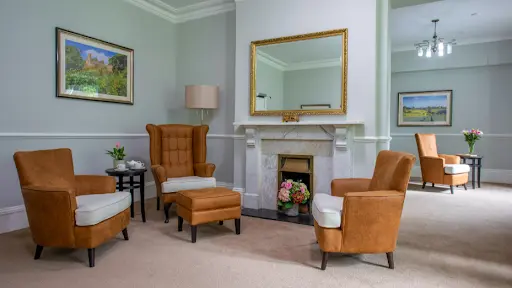
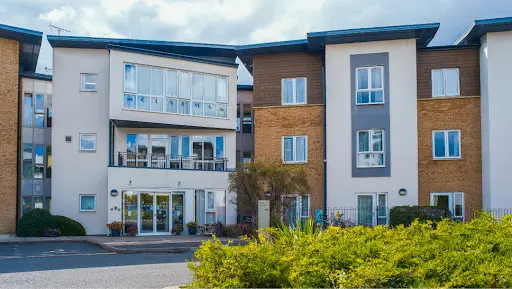
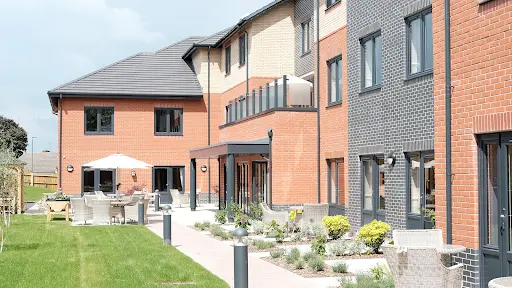
The home sits in lovely lakeside grounds with garden spaces that residents and visitors enjoy together. Everything's kept spotlessly clean and well-maintained, from the communal areas to individual rooms. The café provides a nice spot for families to spend time together, and the food gets positive mentions too.
“With its lakeside location and staff who clearly care, this Cirencester home offers families reassurance during a difficult transition.”
DCC does not edit or curate content in this tab. For independently curated information, see The Evidence and DCC Verdict.