Barchester – Hunters Care Home

At a Glance
The information you need to decide whether this home warrants a closer look.
Nursing homes
Staff warmth score
of reviewers answered yes
Good to know
- Registered beds85
- SpecialismsCaring for adults over 65 yrs, Caring for adults under 65 yrs, Dementia
- Last inspected2020-03-26
Save Barchester – Hunters Care Home to your shortlist
Keep a running list, add visit notes, and compare homes side-by-side. Free account — it takes a minute.
STAGE 4 — RESEARCHING CARE HOMES
Visit homes. Compare them side by side. Choose with confidence.
Most of us will view care homes the way we view houses, impression, atmosphere, the feeling in the corridor. We go home, try to remember what we saw, and make a permanent decision from a blurred memory.

The DCC shortlist gives every home you visit a structured record: the same twelve questions, answered the same way, every time. When you’re ready to choose, pull any two homes side by side and compare them directly. Same criteria, same evidence, your notes and your scores.
The Evidence
What the review data, the inspection reports, and the dementia-care evidence base tell us about this home.
What families say
Visitors often comment on the relaxed atmosphere they find here. Residents appear comfortable and autonomous where their conditions allow, while the variety of activities — from music workshops to visiting entertainers — creates a genuinely stimulating environment. Families describe feeling their relatives are truly seen as individuals, not just cared for but engaged with throughout each day.
The eight family priority themes
- Staff warmth78
- Compassion & dignity88
- Cleanliness70
- Activities & engagement68
- Food quality65
- Healthcare70
- Management & leadership72
- Resident happiness72
What inspectors found
Inspected 2020-03-26
Is this home safe?
Is the care effective?
Effective was rated Good at the July 2025 inspection. This domain covers whether staff have the skills and training to deliver good care, whether care plans are detailed and kept up to date, whether residents have regular access to GPs and other health professionals, and whether food meets individual dietary needs. The published summary does not include specific examples of training programmes, care plan content, or clinical outcomes for the people living here.Is this home caring?
Caring was rated Outstanding at the July 2025 inspection. This is the highest rating available and is awarded only when inspectors find exceptional, specific evidence of compassion, dignity, and person-centred practice. Outstanding is achieved by fewer than one in ten care homes inspected nationally. The published summary does not reproduce the specific observations, quotes, or examples that earned the rating, but the finding itself is a strong signal about the culture of the home.Is the home responsive?
Responsive was rated Good at the July 2025 inspection. This domain covers whether the home tailors its care and activities to individual needs, whether people's preferences are acted on, and whether end-of-life care is planned thoughtfully. The home has a dementia specialism, which means the Responsive rating should reflect how well the service meets the specific needs of people at different stages of cognitive decline. The published summary does not include examples of specific activity programmes, individual engagement approaches, or end-of-life planning processes.Is the home well-led?
Well-led was rated Good at the July 2025 inspection. The registered manager is Mr Ciprian Cosmin Groza, and the nominated individual is Mr Dominic Jude Kay. The home is operated by Barchester Healthcare Homes Limited, a large national provider. A Good rating here requires inspectors to find that the management team is visible and effective, that governance systems are working, that staff feel supported to raise concerns, and that the home is learning from incidents and complaints. The published summary does not include specific examples of leadership practice, staff culture observations, or detail about governance processes.
Source: CQC inspection report →
What the evidence base says
The home provides specialist care for adults both under and over 65, with particular expertise in dementia support. Staff here understand how to create the right balance for residents with memory loss — calm environments that still offer appropriate stimulation, communication approaches that respect each person's current abilities. Families with experience of cognitive impairment elsewhere particularly note how well the team adapts to individual needs. All areas worth probing directly during a visit.
The DCC Verdict
Our editorial view, built from the three lenses: what families tell us, what inspectors record, and how the home sits against good dementia-care practice.
DCC Family Score
Hunters Care Centre scores well overall, lifted significantly by an Outstanding rating for Caring, which reflects strong evidence of warmth, dignity, and respect. Scores in other areas are solid but held back by limited published detail in the inspection report.
Homes in South West typically score 68–82.The three-lens summary
What families tell us
Visitors often comment on the relaxed atmosphere they find here. Residents appear comfortable and autonomous where their conditions allow, while the variety of activities — from music workshops to visiting entertainers — creates a genuinely stimulating environment. Families describe feeling their relatives are truly seen as individuals, not just cared for but engaged with throughout each day.
What inspectors have recorded
What stands out most consistently is how attentive staff remain across every department — from care teams to catering, maintenance to administration. Families describe staff as receptive to feedback and available for real conversations about their loved ones' needs. This openness creates the kind of partnership that helps relatives feel confident their family member is in safe hands.
How it sits against good practice
Sometimes the best measure of a care home is simply watching how residents spend their days — and here, that picture tends to reassure worried families.
Worth a visit
Hunters Care Centre on Cherry Tree Lane in Cirencester was assessed in July 2025, with the report published in November 2025. The home is run by Barchester Healthcare Homes Limited and registered for 85 beds, supporting adults over and under 65, including people living with dementia. All five inspection domains were rated, with four rated Good and, notably, Caring rated Outstanding. That top rating for Caring is meaningful: inspectors apply it only when they find specific, compelling evidence of warmth, dignity, and person-centred practice, not simply the absence of problems. The main limitation of this report is that the published summary does not reproduce the inspector's detailed observations, resident testimony, or staff quotes that would sit behind those ratings. Families considering this home should treat the domain ratings as a strong starting signal and then use a visit to verify what they cannot read here. In particular, ask about night staffing numbers, how agency cover is managed across 85 beds, what dementia-specific training staff have completed, and how families are kept informed about their parent's health. The Outstanding Caring rating gives real reason for confidence, but good care is always worth seeing with your own eyes.
The three questions to ask when you visitSave this home. Compare it against your shortlist.
Let our analysis show you how Barchester – Hunters Care Home measures up against the other homes you’re considering. Free account.
In Their Own Words
How Barchester – Hunters Care Home describes itself — collected from its own website. DCC has not edited or independently verified the content in this tab.
Where residents feel genuinely heard and cared for every single day
Hunters – Expert Care in Cirencester
Families searching for dementia care often describe feeling overwhelmed by the choices ahead. At Hunters Care Centre in Cirencester, that weight starts to lift when visitors see how residents move through their days — engaged in activities they enjoy, treated with real dignity, surrounded by staff who genuinely connect with each person's needs.
Who they care for
The home provides specialist care for adults both under and over 65, with particular expertise in dementia support.
Staff here understand how to create the right balance for residents with memory loss — calm environments that still offer appropriate stimulation, communication approaches that respect each person's current abilities. Families with experience of cognitive impairment elsewhere particularly note how well the team adapts to individual needs.
“Sometimes the best measure of a care home is simply watching how residents spend their days — and here, that picture tends to reassure worried families.”
DCC does not edit or curate content in this tab. For independently curated information, see The Evidence and DCC Verdict.
The DCC Verdict
Our editorial view, built from the three lenses: what families tell us, what inspectors record, and how the home sits against good dementia-care practice.
DCC Family Score
Hunters Care Centre scores well overall, lifted significantly by an Outstanding rating for Caring, which reflects strong evidence of warmth, dignity, and respect. Scores in other areas are solid but held back by limited published detail in the inspection report.
Homes in South West typically score 68–82.The three-lens summary
What families tell us
Visitors often comment on the relaxed atmosphere they find here. Residents appear comfortable and autonomous where their conditions allow, while the variety of activities — from music workshops to visiting entertainers — creates a genuinely stimulating environment. Families describe feeling their relatives are truly seen as individuals, not just cared for but engaged with throughout each day.
What inspectors have recorded
What stands out most consistently is how attentive staff remain across every department — from care teams to catering, maintenance to administration. Families describe staff as receptive to feedback and available for real conversations about their loved ones' needs. This openness creates the kind of partnership that helps relatives feel confident their family member is in safe hands.
How it sits against good practice
Sometimes the best measure of a care home is simply watching how residents spend their days — and here, that picture tends to reassure worried families.
Worth a visit
Hunters Care Centre on Cherry Tree Lane in Cirencester was assessed in July 2025, with the report published in November 2025. The home is run by Barchester Healthcare Homes Limited and registered for 85 beds, supporting adults over and under 65, including people living with dementia. All five inspection domains were rated, with four rated Good and, notably, Caring rated Outstanding. That top rating for Caring is meaningful: inspectors apply it only when they find specific, compelling evidence of warmth, dignity, and person-centred practice, not simply the absence of problems. The main limitation of this report is that the published summary does not reproduce the inspector's detailed observations, resident testimony, or staff quotes that would sit behind those ratings. Families considering this home should treat the domain ratings as a strong starting signal and then use a visit to verify what they cannot read here. In particular, ask about night staffing numbers, how agency cover is managed across 85 beds, what dementia-specific training staff have completed, and how families are kept informed about their parent's health. The Outstanding Caring rating gives real reason for confidence, but good care is always worth seeing with your own eyes.
The three questions to ask when you visitSave this home. Compare it against your shortlist.
Let our analysis show you how Barchester – Hunters Care Home measures up against the other homes you’re considering. Free account.
In Their Own Words
How Barchester – Hunters Care Home describes itself — collected from its own website. DCC has not edited or independently verified the content in this tab.
Where residents feel genuinely heard and cared for every single day
Hunters – Expert Care in Cirencester
Families searching for dementia care often describe feeling overwhelmed by the choices ahead. At Hunters Care Centre in Cirencester, that weight starts to lift when visitors see how residents move through their days — engaged in activities they enjoy, treated with real dignity, surrounded by staff who genuinely connect with each person's needs.
Who they care for
The home provides specialist care for adults both under and over 65, with particular expertise in dementia support.
Staff here understand how to create the right balance for residents with memory loss — calm environments that still offer appropriate stimulation, communication approaches that respect each person's current abilities. Families with experience of cognitive impairment elsewhere particularly note how well the team adapts to individual needs.
Management & ethos
What stands out most consistently is how attentive staff remain across every department — from care teams to catering, maintenance to administration. Families describe staff as receptive to feedback and available for real conversations about their loved ones' needs. This openness creates the kind of partnership that helps relatives feel confident their family member is in safe hands.
The home & environment
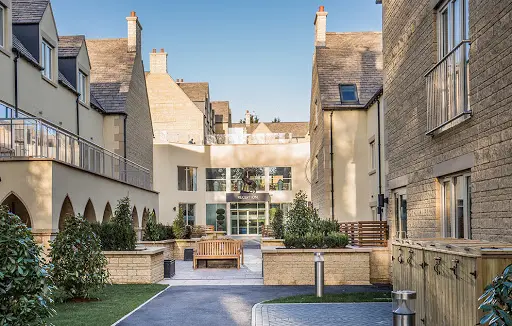
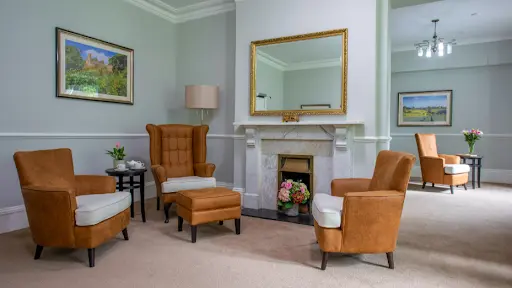
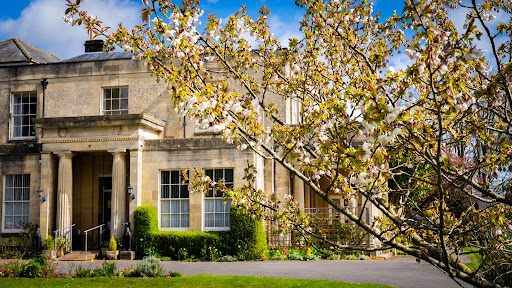
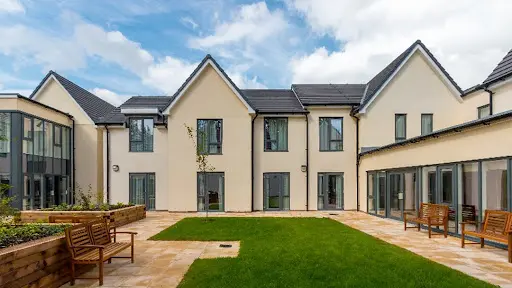
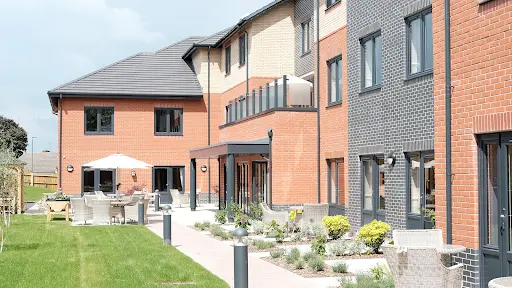
The physical environment strikes visitors as both beautiful and practical. Airy communal spaces flow naturally into well-maintained grounds, giving residents and families plenty of comfortable spots to spend time together. The food receives particular praise, while services like on-site hairdressing help residents maintain their sense of self and routine.
“Sometimes the best measure of a care home is simply watching how residents spend their days — and here, that picture tends to reassure worried families.”
DCC does not edit or curate content in this tab. For independently curated information, see The Evidence and DCC Verdict.