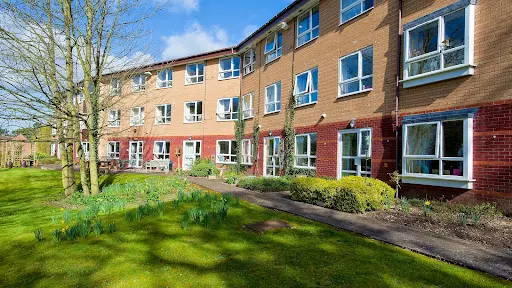
Perry Locks

At a Glance
The information you need to decide whether this home warrants a closer look.
Nursing homes
Staff warmth score
of reviewers answered yes
Good to know
- Registered beds128
- SpecialismsCaring for adults over 65 yrs, Caring for adults under 65 yrs, Dementia, Mental health conditions, Physical disabilities
- Last inspected2019-01-12
Save Perry Locks to your shortlist
Keep a running list, add visit notes, and compare homes side-by-side. Free account — it takes a minute.
STAGE 4 — RESEARCHING CARE HOMES
Visit homes. Compare them side by side. Choose with confidence.
Most of us will view care homes the way we view houses, impression, atmosphere, the feeling in the corridor. We go home, try to remember what we saw, and make a permanent decision from a blurred memory.

The DCC shortlist gives every home you visit a structured record: the same twelve questions, answered the same way, every time. When you’re ready to choose, pull any two homes side by side and compare them directly. Same criteria, same evidence, your notes and your scores.
The Evidence
What the review data, the inspection reports, and the dementia-care evidence base tell us about this home.
What families say
Families consistently describe how staff create an atmosphere where residents flourish. They talk about seeing their loved ones become more communicative, more engaged in activities, and visibly happier. The care team's approach seems to help residents rediscover parts of themselves that families thought might be lost, whether that's participating in activities or simply showing contentment in daily life.
The eight family priority themes
- Staff warmth75
- Compassion & dignity75
- Cleanliness70
- Activities & engagement65
- Food quality60
- Healthcare70
- Management & leadership45
- Resident happiness70
What inspectors found
Inspected 2019-01-12
Is this home safe?
Is the care effective?
Effective was rated Good at the December 2018 inspection. This domain covers training, care planning, healthcare access, and food quality. The published summary does not include specific detail about any of these areas, so it is not possible to say from the inspection text alone how care plans are structured, how often GP access is arranged, or what the food is like. The Good rating indicates inspectors were satisfied with overall effectiveness at that time. The home lists dementia as a specialism, which means dementia-specific training and care planning should be a particular focus when you visit.Is this home caring?
The Caring domain was rated Good at the December 2018 inspection. This domain covers staff warmth, dignity and respect, and support for residents' independence. The published summary does not include direct observations of staff interactions, quotes from residents or relatives, or specific examples of how dignity is maintained in practice. The Good rating indicates inspectors were satisfied with caring standards at that time. For a home with 128 residents across dementia, mental health, and physical disability specialisms, the quality of everyday interactions is particularly important.Is the home responsive?
Responsive was rated Good at the December 2018 inspection. This domain covers activities, individual engagement, and how the home responds to residents' changing needs. The published summary does not include specific detail about the activities programme, one-to-one engagement, or how the home supports people with advanced dementia to remain active. The Good rating indicates inspectors were satisfied with responsiveness at that time. Given the home's dementia specialism, the quality and range of activities, particularly for people who cannot join group sessions, is an important area to investigate.Is the home well-led?
Well-led was rated Requires Improvement at the December 2018 inspection, and this was the only domain not to achieve a Good rating. This means inspectors found concerns about management, governance, or the home's systems for monitoring and improving its own quality. The published summary does not detail what specific failures were identified. The overall rating was Good because the other four domains were satisfactory, but a Requires Improvement in Well-led is a meaningful gap. The home has not been re-inspected since December 2018, so it is not known from official findings whether the concerns identified have been fully addressed.
Source: CQC inspection report →
What the evidence base says
Perry Locks provides specialist support for residents with dementia, mental health conditions and physical disabilities, caring for both younger adults under 65 and older residents. For residents living with dementia, the team focuses on maintaining connections and capabilities. Families describe seeing their loved ones engage more fully with daily life here, from improved communication to renewed interest in activities and meals. All areas worth probing directly during a visit.
The DCC Verdict
Our editorial view, built from the three lenses: what families tell us, what inspectors record, and how the home sits against good dementia-care practice.
DCC Family Score
Perry Locks Care Home scores reasonably well across the care and safety domains, but the Requires Improvement rating for well-led pulls the overall picture down and means leadership and governance are areas to probe carefully on any visit.
Homes in West Midlands typically score 68–82.The three-lens summary
What families tell us
Families consistently describe how staff create an atmosphere where residents flourish. They talk about seeing their loved ones become more communicative, more engaged in activities, and visibly happier. The care team's approach seems to help residents rediscover parts of themselves that families thought might be lost, whether that's participating in activities or simply showing contentment in daily life.
What inspectors have recorded
The care team's clinical skills particularly stand out — families describe how quickly staff spot health needs and arrange appropriate support, like organizing physiotherapy assessments that lead to real mobility improvements. There's round-the-clock visiting, and families feel genuinely included in their loved one's care journey. Some families have mentioned concerns about staffing levels at times, which is worth discussing with the home to understand their current situation.
How it sits against good practice
What comes through most strongly is how the clinical expertise here translates into real quality of life improvements that families can see and measure.
Worth a visit
Perry Locks Care Home, at 398 Aldridge Road in Birmingham, was rated Good overall at its inspection in December 2018, an improvement from its previous rating of Requires Improvement. Four of the five domains, Safe, Effective, Caring, and Responsive, were all rated Good, which is a meaningful step forward and suggests the home had made genuine progress in how it looks after the 128 people who live there. The important caveat is that Well-led, the domain covering management, governance, and leadership culture, was rated Requires Improvement at that same inspection. That gap matters, because strong leadership is what sustains care quality over time. It is also worth noting that this inspection took place in December 2018, now more than six years ago, and a monitoring review in July 2023 did not trigger a reassessment. The home has not been inspected since. Before making a decision, ask to meet the registered manager in person, find out how long they have been in post, and ask what has changed in the Well-led domain since 2018. On your visit, also check night staffing ratios, ask about agency staff use, and look at whether the activities programme offers real one-to-one engagement for residents who cannot join group sessions.
The three questions to ask when you visitSave this home. Compare it against your shortlist.
Let our analysis show you how Perry Locks measures up against the other homes you’re considering. Free account.
In Their Own Words
How Perry Locks describes itself — collected from its own website. DCC has not edited or independently verified the content in this tab.
Where health improvements and genuine warmth make the difference
Compassionate Care in Birmingham at Perry Locks Care Home
When families describe the changes they see in their loved ones at Perry Locks Care Home in Birmingham, they talk about real, measurable progress — from residents who couldn't walk beginning to take steps again, to those who'd stopped eating rediscovering their appetite. This West Midlands care home has built its reputation on clinical expertise combined with the kind of emotional support that helps both residents and families through difficult transitions.
Who they care for
Perry Locks provides specialist support for residents with dementia, mental health conditions and physical disabilities, caring for both younger adults under 65 and older residents.
For residents living with dementia, the team focuses on maintaining connections and capabilities. Families describe seeing their loved ones engage more fully with daily life here, from improved communication to renewed interest in activities and meals.
“What comes through most strongly is how the clinical expertise here translates into real quality of life improvements that families can see and measure.”
DCC does not edit or curate content in this tab. For independently curated information, see The Evidence and DCC Verdict.
The DCC Verdict
Our editorial view, built from the three lenses: what families tell us, what inspectors record, and how the home sits against good dementia-care practice.
DCC Family Score
Perry Locks Care Home scores reasonably well across the care and safety domains, but the Requires Improvement rating for well-led pulls the overall picture down and means leadership and governance are areas to probe carefully on any visit.
Homes in West Midlands typically score 68–82.The three-lens summary
What families tell us
Families consistently describe how staff create an atmosphere where residents flourish. They talk about seeing their loved ones become more communicative, more engaged in activities, and visibly happier. The care team's approach seems to help residents rediscover parts of themselves that families thought might be lost, whether that's participating in activities or simply showing contentment in daily life.
What inspectors have recorded
The care team's clinical skills particularly stand out — families describe how quickly staff spot health needs and arrange appropriate support, like organizing physiotherapy assessments that lead to real mobility improvements. There's round-the-clock visiting, and families feel genuinely included in their loved one's care journey. Some families have mentioned concerns about staffing levels at times, which is worth discussing with the home to understand their current situation.
How it sits against good practice
What comes through most strongly is how the clinical expertise here translates into real quality of life improvements that families can see and measure.
Worth a visit
Perry Locks Care Home, at 398 Aldridge Road in Birmingham, was rated Good overall at its inspection in December 2018, an improvement from its previous rating of Requires Improvement. Four of the five domains, Safe, Effective, Caring, and Responsive, were all rated Good, which is a meaningful step forward and suggests the home had made genuine progress in how it looks after the 128 people who live there. The important caveat is that Well-led, the domain covering management, governance, and leadership culture, was rated Requires Improvement at that same inspection. That gap matters, because strong leadership is what sustains care quality over time. It is also worth noting that this inspection took place in December 2018, now more than six years ago, and a monitoring review in July 2023 did not trigger a reassessment. The home has not been inspected since. Before making a decision, ask to meet the registered manager in person, find out how long they have been in post, and ask what has changed in the Well-led domain since 2018. On your visit, also check night staffing ratios, ask about agency staff use, and look at whether the activities programme offers real one-to-one engagement for residents who cannot join group sessions.
The three questions to ask when you visitSave this home. Compare it against your shortlist.
Let our analysis show you how Perry Locks measures up against the other homes you’re considering. Free account.
In Their Own Words
How Perry Locks describes itself — collected from its own website. DCC has not edited or independently verified the content in this tab.
Where health improvements and genuine warmth make the difference
Compassionate Care in Birmingham at Perry Locks Care Home
When families describe the changes they see in their loved ones at Perry Locks Care Home in Birmingham, they talk about real, measurable progress — from residents who couldn't walk beginning to take steps again, to those who'd stopped eating rediscovering their appetite. This West Midlands care home has built its reputation on clinical expertise combined with the kind of emotional support that helps both residents and families through difficult transitions.
Who they care for
Perry Locks provides specialist support for residents with dementia, mental health conditions and physical disabilities, caring for both younger adults under 65 and older residents.
For residents living with dementia, the team focuses on maintaining connections and capabilities. Families describe seeing their loved ones engage more fully with daily life here, from improved communication to renewed interest in activities and meals.
Management & ethos
The care team's clinical skills particularly stand out — families describe how quickly staff spot health needs and arrange appropriate support, like organizing physiotherapy assessments that lead to real mobility improvements. There's round-the-clock visiting, and families feel genuinely included in their loved one's care journey. Some families have mentioned concerns about staffing levels at times, which is worth discussing with the home to understand their current situation.
The home & environment
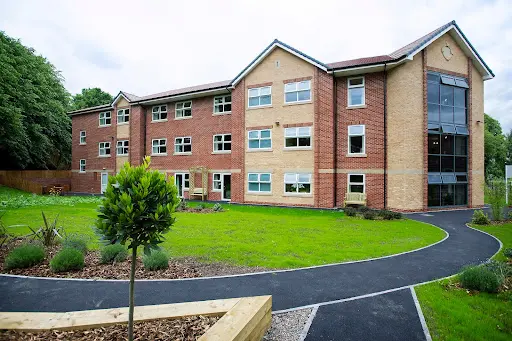
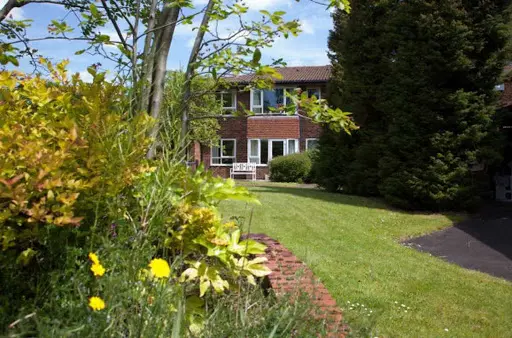
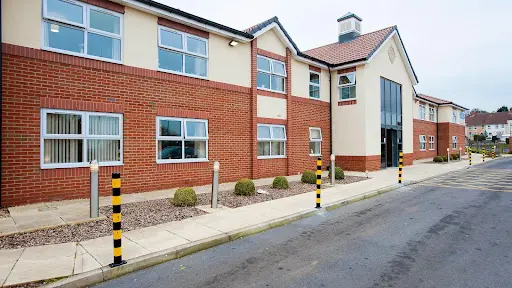
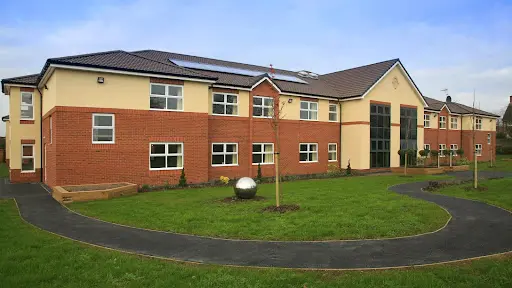
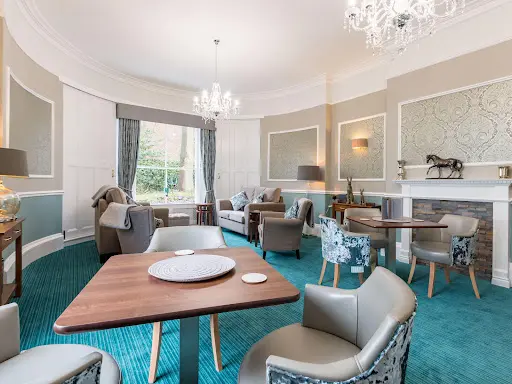
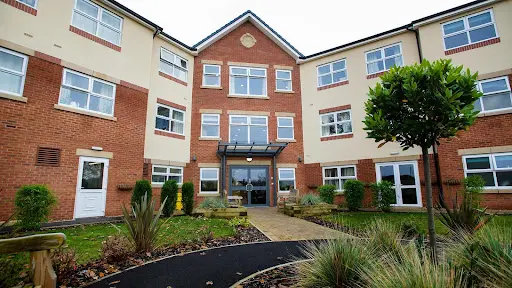
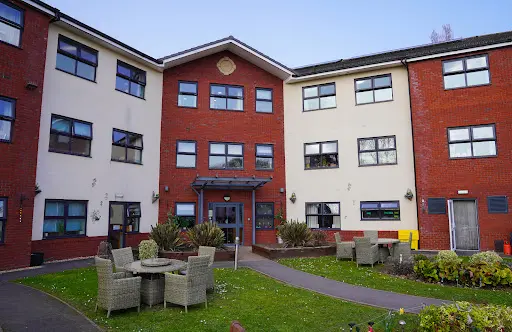
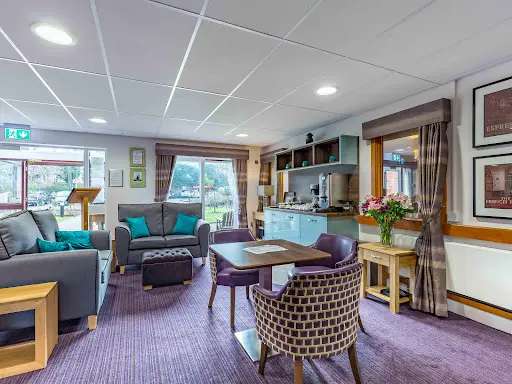
While the building itself is described as functional rather than fancy, families report that rooms are kept spotlessly clean and there's flexibility to add personal touches that make spaces feel more homely. The kitchen team gets specific mentions for accommodating different dietary needs, and there's a well-coordinated approach across housekeeping, laundry and activities that keeps everything running smoothly.
“What comes through most strongly is how the clinical expertise here translates into real quality of life improvements that families can see and measure.”
DCC does not edit or curate content in this tab. For independently curated information, see The Evidence and DCC Verdict.