Briarscroft Residential Care Home – Sanctuary Care

At a Glance
The information you need to decide whether this home warrants a closer look.
Residential homes
Staff warmth score
of reviewers answered yes
Good to know
- Registered beds66
- SpecialismsCaring for adults over 65 yrs, Dementia
- Last inspected2019-09-11
Save Briarscroft Residential Care Home – Sanctuary Care to your shortlist
Keep a running list, add visit notes, and compare homes side-by-side. Free account — it takes a minute.
STAGE 4 — RESEARCHING CARE HOMES
Visit homes. Compare them side by side. Choose with confidence.
Most of us will view care homes the way we view houses, impression, atmosphere, the feeling in the corridor. We go home, try to remember what we saw, and make a permanent decision from a blurred memory.

The DCC shortlist gives every home you visit a structured record: the same twelve questions, answered the same way, every time. When you’re ready to choose, pull any two homes side by side and compare them directly. Same criteria, same evidence, your notes and your scores.
The Evidence
What the review data, the inspection reports, and the dementia-care evidence base tell us about this home.
What families say
What strikes many families is how settled their relatives seem after moving in. People talk about seeing their loved ones looking happy and engaged in activities, rather than just sitting passively. The staff get particular praise for being relatable and responsive, creating an atmosphere where residents feel genuinely cared for.
The eight family priority themes
- Staff warmth72
- Compassion & dignity72
- Cleanliness70
- Activities & engagement65
- Food quality65
- Healthcare68
- Management & leadership74
- Resident happiness68
What inspectors found
Inspected 2019-09-11
Is this home safe?
Is the care effective?
Effective was rated Good at the January 2021 inspection. The domain covers training, care planning, nutrition and hydration, and healthcare access. No specific detail about dementia training content, GP visit frequency, care plan review cycles, or meal quality is included in the published text. Dementia is listed as a specialism, which implies the home is expected to demonstrate relevant staff competency. The published summary does not describe how that competency is assessed or maintained.Is this home caring?
Caring was rated Good at the January 2021 inspection. This domain covers staff warmth, dignity, respect, and support for independence. No specific inspector observations, resident quotes, or relative feedback are included in the published text. A Good rating means inspectors were satisfied that the standard of caring interactions met the threshold, but the evidence base for that judgment is not visible in the published summary.Is the home responsive?
Responsive was rated Good at the January 2021 inspection. This domain covers activities, individualised care, complaints handling, and end-of-life planning. No specific activities programme, examples of individual engagement, or details about how the home tailors its approach for people with dementia are included in the published text. The published summary does not describe whether one-to-one engagement is available for residents who cannot participate in group activities.Is the home well-led?
Well-led was rated Good at the January 2021 inspection, improving from a previous Requires Improvement rating. Named leadership is in place: Miss Hayley Norman is the registered manager and Mrs Louise Palmer is the nominated individual. The published text does not describe the manager's tenure, staff culture, governance processes, or how the home responds to feedback and complaints. A review in July 2023 found no evidence to reassess the rating downward, which indicates no major concerns have emerged since the inspection.
Source: CQC inspection report →
What the evidence base says
Briarscroft provides residential care for people over 65, including those living with dementia. They offer both permanent placements and short-term respite stays. While the home accepts residents with dementia, some families have raised concerns about the specialist support available. It's worth having a detailed conversation with the management team about their approach to dementia care to ensure it matches your loved one's specific needs. All areas worth probing directly during a visit.
The DCC Verdict
Our editorial view, built from the three lenses: what families tell us, what inspectors record, and how the home sits against good dementia-care practice.
DCC Family Score
Briarscroft holds a Good rating across all five domains after improving from Requires Improvement, which is a meaningful step forward. However, the published inspection text contains very limited specific detail, so scores reflect the rating outcome rather than rich observed evidence.
Homes in West Midlands typically score 68–82.The three-lens summary
What families tell us
What strikes many families is how settled their relatives seem after moving in. People talk about seeing their loved ones looking happy and engaged in activities, rather than just sitting passively. The staff get particular praise for being relatable and responsive, creating an atmosphere where residents feel genuinely cared for.
What inspectors have recorded
The team shows real flexibility when residents have specific needs. Whether it's sourcing particular foods or adjusting care routines, staff seem willing to work with families to get things right. This adaptability extends to offering respite stays and trial periods, which can really help with what's often a difficult transition.
How it sits against good practice
Finding the right care home is never easy, but understanding what matters most to your family can help guide the decision.
Worth a visit
Briarscroft Residential Care Home, at 27 Packington Avenue in Birmingham, was rated Good across all five inspection domains when inspectors visited in January 2021, with the report published in March 2021. This rating represents a meaningful improvement from a previous Requires Improvement rating, which tells you the home recognised problems and addressed them. Named leadership is in place, with a registered manager and a nominated individual both recorded as responsible. The home supports up to 66 people and lists dementia as a specialism alongside general older-adult residential care. The most important caveat for you as a family is that the published inspection text is very sparse. It records the ratings but almost none of the specific observations, quotes, or evidence that would let you judge what daily life actually looks like for your parent. The inspection is also now several years old. Before visiting, call the home and ask to speak with the registered manager, Miss Hayley Norman, directly. On your visit, watch how staff interact with residents in communal areas when they think no one is paying close attention, ask to see last week's actual staffing rota (not a template), and ask specifically what one-to-one engagement looks like for a resident who cannot take part in group activities.
The three questions to ask when you visitSave this home. Compare it against your shortlist.
Let our analysis show you how Briarscroft Residential Care Home – Sanctuary Care measures up against the other homes you’re considering. Free account.
In Their Own Words
How Briarscroft Residential Care Home – Sanctuary Care describes itself — collected from its own website. DCC has not edited or independently verified the content in this tab.
Where kindness meets cleanliness in Birmingham residential care
Residential home in Birmingham: True Peace of Mind
Families searching for residential care often worry about finding somewhere that feels welcoming rather than institutional. Briarscroft Residential Care Home in Birmingham seems to understand this, with families consistently noting how friendly and approachable the staff are. The home cares for adults over 65, including those living with dementia, in what visitors describe as a clean, comfortable environment.
Who they care for
Briarscroft provides residential care for people over 65, including those living with dementia. They offer both permanent placements and short-term respite stays.
While the home accepts residents with dementia, some families have raised concerns about the specialist support available. It's worth having a detailed conversation with the management team about their approach to dementia care to ensure it matches your loved one's specific needs.
“Finding the right care home is never easy, but understanding what matters most to your family can help guide the decision.”
DCC does not edit or curate content in this tab. For independently curated information, see The Evidence and DCC Verdict.
The DCC Verdict
Our editorial view, built from the three lenses: what families tell us, what inspectors record, and how the home sits against good dementia-care practice.
DCC Family Score
Briarscroft holds a Good rating across all five domains after improving from Requires Improvement, which is a meaningful step forward. However, the published inspection text contains very limited specific detail, so scores reflect the rating outcome rather than rich observed evidence.
Homes in West Midlands typically score 68–82.The three-lens summary
What families tell us
What strikes many families is how settled their relatives seem after moving in. People talk about seeing their loved ones looking happy and engaged in activities, rather than just sitting passively. The staff get particular praise for being relatable and responsive, creating an atmosphere where residents feel genuinely cared for.
What inspectors have recorded
The team shows real flexibility when residents have specific needs. Whether it's sourcing particular foods or adjusting care routines, staff seem willing to work with families to get things right. This adaptability extends to offering respite stays and trial periods, which can really help with what's often a difficult transition.
How it sits against good practice
Finding the right care home is never easy, but understanding what matters most to your family can help guide the decision.
Worth a visit
Briarscroft Residential Care Home, at 27 Packington Avenue in Birmingham, was rated Good across all five inspection domains when inspectors visited in January 2021, with the report published in March 2021. This rating represents a meaningful improvement from a previous Requires Improvement rating, which tells you the home recognised problems and addressed them. Named leadership is in place, with a registered manager and a nominated individual both recorded as responsible. The home supports up to 66 people and lists dementia as a specialism alongside general older-adult residential care. The most important caveat for you as a family is that the published inspection text is very sparse. It records the ratings but almost none of the specific observations, quotes, or evidence that would let you judge what daily life actually looks like for your parent. The inspection is also now several years old. Before visiting, call the home and ask to speak with the registered manager, Miss Hayley Norman, directly. On your visit, watch how staff interact with residents in communal areas when they think no one is paying close attention, ask to see last week's actual staffing rota (not a template), and ask specifically what one-to-one engagement looks like for a resident who cannot take part in group activities.
The three questions to ask when you visitSave this home. Compare it against your shortlist.
Let our analysis show you how Briarscroft Residential Care Home – Sanctuary Care measures up against the other homes you’re considering. Free account.
In Their Own Words
How Briarscroft Residential Care Home – Sanctuary Care describes itself — collected from its own website. DCC has not edited or independently verified the content in this tab.
Where kindness meets cleanliness in Birmingham residential care
Residential home in Birmingham: True Peace of Mind
Families searching for residential care often worry about finding somewhere that feels welcoming rather than institutional. Briarscroft Residential Care Home in Birmingham seems to understand this, with families consistently noting how friendly and approachable the staff are. The home cares for adults over 65, including those living with dementia, in what visitors describe as a clean, comfortable environment.
Who they care for
Briarscroft provides residential care for people over 65, including those living with dementia. They offer both permanent placements and short-term respite stays.
While the home accepts residents with dementia, some families have raised concerns about the specialist support available. It's worth having a detailed conversation with the management team about their approach to dementia care to ensure it matches your loved one's specific needs.
Management & ethos
The team shows real flexibility when residents have specific needs. Whether it's sourcing particular foods or adjusting care routines, staff seem willing to work with families to get things right. This adaptability extends to offering respite stays and trial periods, which can really help with what's often a difficult transition.
The home & environment
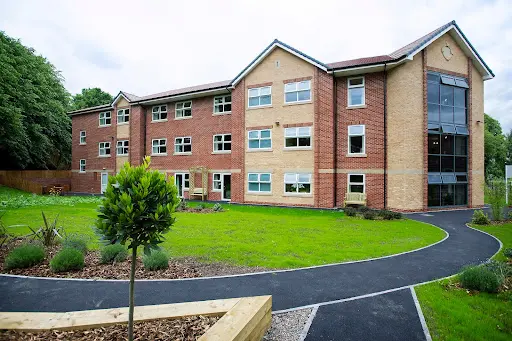
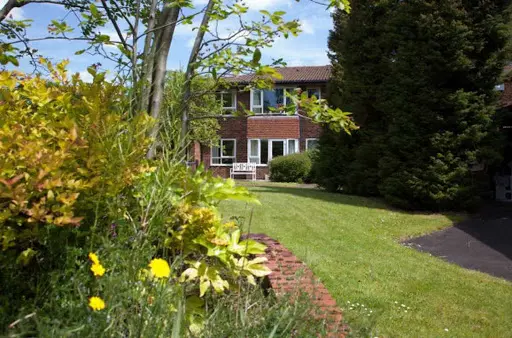
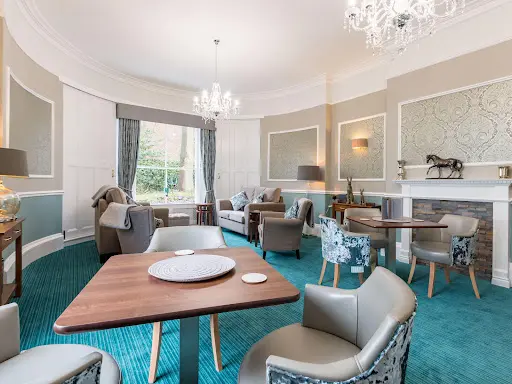
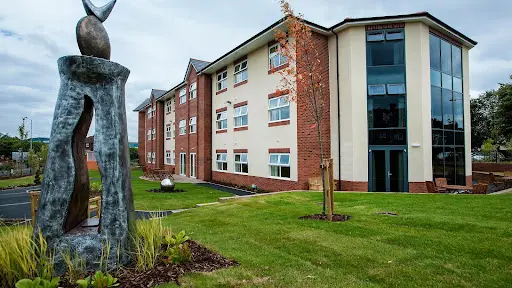
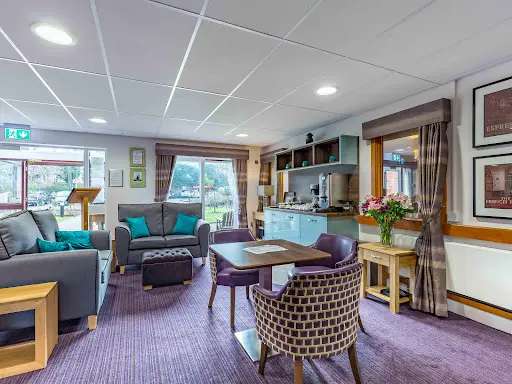
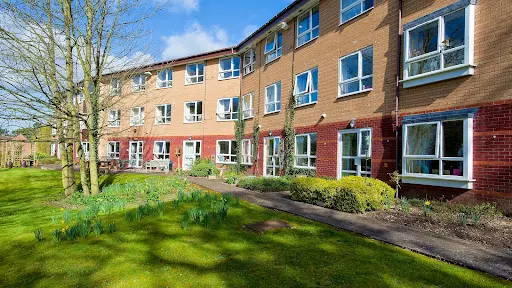
The home keeps everything spotless, which families really appreciate. The décor is well-maintained throughout, and there's a garden space for residents to enjoy. Small touches matter too — residents can make their own tea and coffee in communal areas, which helps maintain that bit of independence.
“Finding the right care home is never easy, but understanding what matters most to your family can help guide the decision.”
DCC does not edit or curate content in this tab. For independently curated information, see The Evidence and DCC Verdict.