MHA The Meadow – Residential and Dementia Care Home

At a Glance
The information you need to decide whether this home warrants a closer look.
Residential homes
Staff warmth score
of reviewers answered yes
Good to know
- Registered beds40
- SpecialismsCaring for adults over 65 yrs, Dementia
- Last inspected2024-02-08
Save MHA The Meadow – Residential and Dementia Care Home to your shortlist
Keep a running list, add visit notes, and compare homes side-by-side. Free account — it takes a minute.
STAGE 4 — RESEARCHING CARE HOMES
Visit homes. Compare them side by side. Choose with confidence.
Most of us will view care homes the way we view houses, impression, atmosphere, the feeling in the corridor. We go home, try to remember what we saw, and make a permanent decision from a blurred memory.

The DCC shortlist gives every home you visit a structured record: the same twelve questions, answered the same way, every time. When you’re ready to choose, pull any two homes side by side and compare them directly. Same criteria, same evidence, your notes and your scores.
The Evidence
What the review data, the inspection reports, and the dementia-care evidence base tell us about this home.
What families say
Visitors often mention feeling genuinely welcomed here, not just by staff but by the whole atmosphere. There's a real sense of residents being known as individuals — their preferences remembered, their stories valued. Many families describe watching their loved ones settle in and actually form new friendships, something they hadn't dared hope for.
The eight family priority themes
- Staff warmth55
- Compassion & dignity55
- Cleanliness55
- Activities & engagement50
- Food quality50
- Healthcare55
- Management & leadership60
- Resident happiness55
What inspectors found
Inspected 2024-02-08
Is this home safe?
Is the care effective?
The Meadow was rated Good for effectiveness at its November 2025 inspection. This domain covers training, care planning, healthcare access, and nutrition. The published report does not describe specific findings in any of these areas, so it is not possible to confirm what inspectors observed about dementia training, GP access, or how care plans are written and reviewed.Is this home caring?
The Meadow was rated Good for caring at its November 2025 inspection. This domain covers warmth, dignity, respect, and independence. The published report includes no quotes from residents or relatives, and no inspector observations about how staff interact with the people who live here. The Good rating confirms inspectors were satisfied, but the evidence behind that judgement is not visible in the published text.Is the home responsive?
The Meadow was rated Good for responsiveness at its November 2025 inspection. This domain covers activities, individual engagement, and end-of-life care. The published report does not describe the activity programme, one-to-one engagement for people who cannot join groups, or how the home supports residents at the end of life. The home is registered as a specialist dementia service, which implies an expectation of tailored, individual approaches.Is the home well-led?
The Meadow was rated Good for leadership at its November 2025 inspection. Mrs Amanda Weir is named as the Nominated Individual, indicating a named person holds governance responsibility. The home is operated by Methodist Homes, a large not-for-profit provider. The published report does not describe the registered manager by name, their tenure, the governance structures in place, or how the home monitors and improves quality.
Source: CQC inspection report →
What the evidence base says
The Meadow provides specialist dementia care alongside general care for over-65s. They work with the specific challenges dementia brings while maintaining each person's dignity and independence where possible. Their approach to dementia care focuses on understanding each person's individual needs and preferences. Staff work to create familiar routines and meaningful daily activities that help residents feel secure and valued. All areas worth probing directly during a visit.
The DCC Verdict
Our editorial view, built from the three lenses: what families tell us, what inspectors record, and how the home sits against good dementia-care practice.
DCC Family Score
The Meadow has improved from Requires Improvement to Good across all five domains, which is a meaningful step forward. However, the published inspection report contains very little specific detail, so most scores sit in the mid-range reflecting confirmed positive ratings rather than rich observational evidence.
Homes in London typically score 68–82.The three-lens summary
What families tell us
Visitors often mention feeling genuinely welcomed here, not just by staff but by the whole atmosphere. There's a real sense of residents being known as individuals — their preferences remembered, their stories valued. Many families describe watching their loved ones settle in and actually form new friendships, something they hadn't dared hope for.
What inspectors have recorded
The team here seems to understand that good care means really listening. Families talk about staff who are approachable and positive, management who communicate clearly with doctors and specialists when needed. There's a thoughtfulness to how things are organised that puts families at ease during what can be overwhelming times.
How it sits against good practice
If you're considering The Meadow, a visit will help you get a feel for whether it matches what you're hoping to find.
Worth a visit
The Meadow, on Meadow Drive in north London, was rated Good across all five domains at its inspection on 25 November 2025, with the report published on 19 February 2026. This is a meaningful improvement: the home was previously rated Requires Improvement, and achieving Good in every area suggests that whatever was found lacking has been addressed. The home is a 40-bed residential service run by Methodist Homes, a not-for-profit provider, and is registered to care for people over 65 and those living with dementia. The main limitation of this report is that the published text contains very little specific detail about what inspectors actually observed. There are no quotes from residents or relatives, no descriptions of staff interactions, and no information about food, activities, night staffing, or the physical environment. A Good rating is a positive sign, but it is not a substitute for what you will see and hear on a visit. Before committing, ask the manager to show you last week's actual staffing rota (not the template), find out what happened to the issues identified in the previous Requires Improvement inspection, and if possible visit at a mealtime to see how staff interact with your parent's potential neighbours.
The three questions to ask when you visitSave this home. Compare it against your shortlist.
Let our analysis show you how MHA The Meadow – Residential and Dementia Care Home measures up against the other homes you’re considering. Free account.
In Their Own Words
How MHA The Meadow – Residential and Dementia Care Home describes itself — collected from its own website. DCC has not edited or independently verified the content in this tab.
Where genuine friendships bloom in thoughtful dementia care
The Meadow – Your Trusted residential home
Sometimes the smallest details reveal everything about a care home's character. At The Meadow in London, families notice how staff remember each resident's preferred morning routine, how friendships naturally form over afternoon tea, and how the gardens become a daily source of calm. It's these everyday moments that tell you what life here is really about.
Who they care for
The Meadow provides specialist dementia care alongside general care for over-65s. They work with the specific challenges dementia brings while maintaining each person's dignity and independence where possible.
Their approach to dementia care focuses on understanding each person's individual needs and preferences. Staff work to create familiar routines and meaningful daily activities that help residents feel secure and valued.
“If you're considering The Meadow, a visit will help you get a feel for whether it matches what you're hoping to find.”
DCC does not edit or curate content in this tab. For independently curated information, see The Evidence and DCC Verdict.
The DCC Verdict
Our editorial view, built from the three lenses: what families tell us, what inspectors record, and how the home sits against good dementia-care practice.
DCC Family Score
The Meadow has improved from Requires Improvement to Good across all five domains, which is a meaningful step forward. However, the published inspection report contains very little specific detail, so most scores sit in the mid-range reflecting confirmed positive ratings rather than rich observational evidence.
Homes in London typically score 68–82.The three-lens summary
What families tell us
Visitors often mention feeling genuinely welcomed here, not just by staff but by the whole atmosphere. There's a real sense of residents being known as individuals — their preferences remembered, their stories valued. Many families describe watching their loved ones settle in and actually form new friendships, something they hadn't dared hope for.
What inspectors have recorded
The team here seems to understand that good care means really listening. Families talk about staff who are approachable and positive, management who communicate clearly with doctors and specialists when needed. There's a thoughtfulness to how things are organised that puts families at ease during what can be overwhelming times.
How it sits against good practice
If you're considering The Meadow, a visit will help you get a feel for whether it matches what you're hoping to find.
Worth a visit
The Meadow, on Meadow Drive in north London, was rated Good across all five domains at its inspection on 25 November 2025, with the report published on 19 February 2026. This is a meaningful improvement: the home was previously rated Requires Improvement, and achieving Good in every area suggests that whatever was found lacking has been addressed. The home is a 40-bed residential service run by Methodist Homes, a not-for-profit provider, and is registered to care for people over 65 and those living with dementia. The main limitation of this report is that the published text contains very little specific detail about what inspectors actually observed. There are no quotes from residents or relatives, no descriptions of staff interactions, and no information about food, activities, night staffing, or the physical environment. A Good rating is a positive sign, but it is not a substitute for what you will see and hear on a visit. Before committing, ask the manager to show you last week's actual staffing rota (not the template), find out what happened to the issues identified in the previous Requires Improvement inspection, and if possible visit at a mealtime to see how staff interact with your parent's potential neighbours.
The three questions to ask when you visitSave this home. Compare it against your shortlist.
Let our analysis show you how MHA The Meadow – Residential and Dementia Care Home measures up against the other homes you’re considering. Free account.
In Their Own Words
How MHA The Meadow – Residential and Dementia Care Home describes itself — collected from its own website. DCC has not edited or independently verified the content in this tab.
Where genuine friendships bloom in thoughtful dementia care
The Meadow – Your Trusted residential home
Sometimes the smallest details reveal everything about a care home's character. At The Meadow in London, families notice how staff remember each resident's preferred morning routine, how friendships naturally form over afternoon tea, and how the gardens become a daily source of calm. It's these everyday moments that tell you what life here is really about.
Who they care for
The Meadow provides specialist dementia care alongside general care for over-65s. They work with the specific challenges dementia brings while maintaining each person's dignity and independence where possible.
Their approach to dementia care focuses on understanding each person's individual needs and preferences. Staff work to create familiar routines and meaningful daily activities that help residents feel secure and valued.
Management & ethos
The team here seems to understand that good care means really listening. Families talk about staff who are approachable and positive, management who communicate clearly with doctors and specialists when needed. There's a thoughtfulness to how things are organised that puts families at ease during what can be overwhelming times.
The home & environment
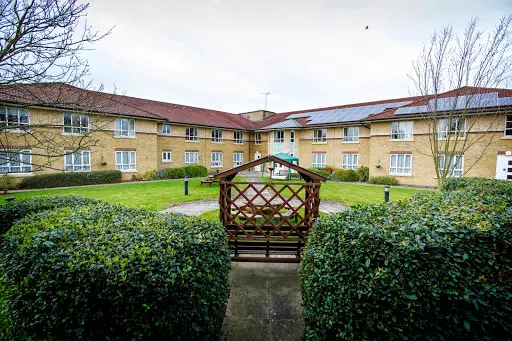
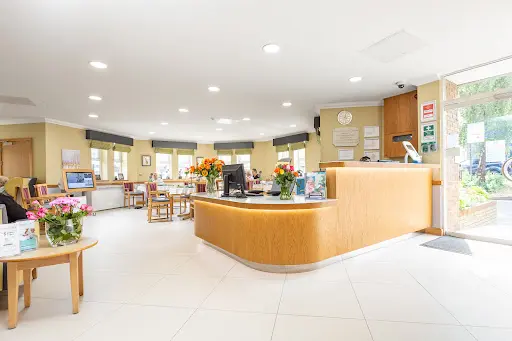
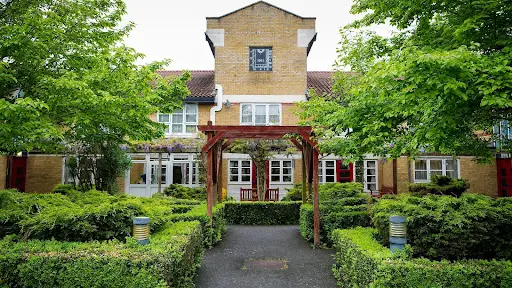
The gardens get mentioned again and again — tranquil spaces where residents enjoy fresh air and gentle exercise. Inside, everything's kept clean and well-maintained without feeling clinical. The physical environment supports daily life rather than dominating it.
“If you're considering The Meadow, a visit will help you get a feel for whether it matches what you're hoping to find.”
DCC does not edit or curate content in this tab. For independently curated information, see The Evidence and DCC Verdict.