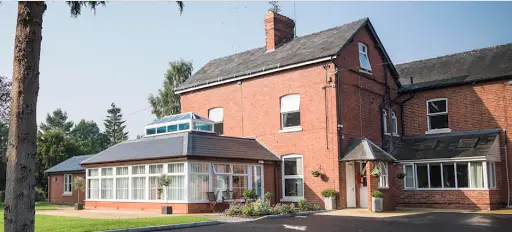
The Forbury Residential Home
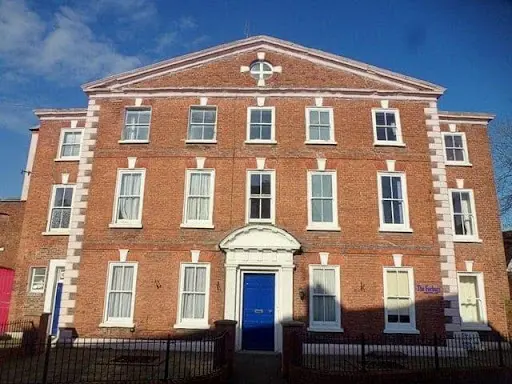
At a Glance
The information you need to decide whether this home warrants a closer look.
Residential homes
Staff warmth score
of reviewers answered yes
Good to know
- Registered beds40
- SpecialismsCaring for adults over 65 yrs, Dementia, Mental health conditions, Physical disabilities
- Last inspected2020-11-12
Save The Forbury Residential Home to your shortlist
Keep a running list, add visit notes, and compare homes side-by-side. Free account — it takes a minute.
STAGE 4 — RESEARCHING CARE HOMES
Visit homes. Compare them side by side. Choose with confidence.
Most of us will view care homes the way we view houses, impression, atmosphere, the feeling in the corridor. We go home, try to remember what we saw, and make a permanent decision from a blurred memory.

The DCC shortlist gives every home you visit a structured record: the same twelve questions, answered the same way, every time. When you’re ready to choose, pull any two homes side by side and compare them directly. Same criteria, same evidence, your notes and your scores.
The Evidence
What the review data, the inspection reports, and the dementia-care evidence base tell us about this home.
What families say
What strikes families most is how quickly their loved ones settle in. Within weeks, they're seeing real changes — better moods, more energy, genuine engagement with what's happening around them. The warmth from staff during those crucial early days helps everyone adjust.
The eight family priority themes
- Staff warmth72
- Compassion & dignity72
- Cleanliness68
- Activities & engagement60
- Food quality60
- Healthcare65
- Management & leadership70
- Resident happiness68
What inspectors found
Inspected 2020-11-12
Is this home safe?
Is the care effective?
The Effective domain was rated Good at the October 2020 inspection. This domain covers care planning, training, healthcare access, and nutrition. Inspectors were satisfied overall, but the published text provides no specific examples of how care plans are written, how often they are reviewed, or how the home works with GPs and other health professionals. The dementia specialism means staff training in this area is particularly important, but no training records or content are described in the available findings.Is this home caring?
The Caring domain was rated Good at the October 2020 inspection. This is the domain most directly concerned with how staff treat the people in their care, covering dignity, respect, independence, and emotional warmth. Inspectors were satisfied, but the published text contains no direct observations of staff interactions, no resident or family quotes, and no specific examples of how dignity is upheld in practice. The absence of detail is not a concern in itself, but it does mean the Good rating here cannot be contextualised further from this report.Is the home responsive?
The Responsive domain was rated Good at the October 2020 inspection. This domain covers how well the home meets individual needs, including activities, engagement, and responsiveness to complaints. No specific activities, programmes, or examples of individual engagement are described in the published text. The home supports people with dementia, physical disabilities, and mental health conditions, which means responsiveness to a wide range of individual needs is particularly important. No complaints or concerns were highlighted.Is the home well-led?
The Well-led domain was rated Good at the October 2020 inspection. The registered manager at the time of inspection was Mrs Genovaite Bujokiene, working alongside provider Christopher Anthony Lutton. Inspectors were satisfied with leadership and governance, but no specific observations about management visibility, staff culture, or quality assurance processes are recorded in the available published text. The inspection was one of two carried out since registration, and the rating was stable.
Source: CQC inspection report →
What the evidence base says
The Forbury provides specialist support for dementia, mental health conditions, physical disabilities, and general care for people over 65. While many families report positive experiences with dementia care here, it's worth having a detailed conversation about your loved one's specific needs during your visit. Every person's journey with dementia is different, and you'll want to feel confident the home can provide the right support. All areas worth probing directly during a visit.
The DCC Verdict
Our editorial view, built from the three lenses: what families tell us, what inspectors record, and how the home sits against good dementia-care practice.
DCC Family Score
The Forbury received a Good rating across all five inspection domains in October 2020, which is a positive baseline. However, the published inspection text provided is very limited, with almost no specific observations, quotes, or detailed findings available to score individual themes with confidence, so scores reflect the Good rating with appropriate caution about the lack of supporting detail.
Homes in West Midlands typically score 68–82.The three-lens summary
What families tell us
What strikes families most is how quickly their loved ones settle in. Within weeks, they're seeing real changes — better moods, more energy, genuine engagement with what's happening around them. The warmth from staff during those crucial early days helps everyone adjust.
What inspectors have recorded
Staff here come across as genuinely caring people who notice the little things. They keep families in the loop during those anxious first weeks and seem to really tune in to what each resident needs.
How it sits against good practice
If you're considering The Forbury, spending time there yourself will give you the clearest picture of whether it feels right for your family.
Worth a visit
The Forbury, on Church Street in Leominster, was rated Good across all five inspection domains at its last inspection in October 2020. That is a positive overall picture: inspectors were satisfied with safety, care planning, staff conduct, responsiveness to residents, and leadership. The home supports up to 40 people, including those living with dementia, mental health conditions, and physical disabilities, which means it is managing a genuinely complex mix of needs. The main limitation of this report is that the published inspection text contains almost no specific detail: no inspector observations, no resident or family quotes, and no concrete examples of what Good looks like day to day at The Forbury. That makes it hard to go further than the headline rating. The inspection was also conducted in late 2020, meaning the findings are now over four years old, and a great deal can change in that time, including management, staffing, and culture. Before making a decision, ask the manager for the most recent internal quality audit, request a visit that includes time at a mealtime, and ask specifically about night staffing numbers and agency staff use.
The three questions to ask when you visitSave this home. Compare it against your shortlist.
Let our analysis show you how The Forbury Residential Home measures up against the other homes you’re considering. Free account.
In Their Own Words
How The Forbury Residential Home describes itself — collected from its own website. DCC has not edited or independently verified the content in this tab.
Where families see their loved ones find their spark again
Dedicated residential home Support in Leominster
When someone you love needs specialist care, you want to see them flourish, not just cope. The Forbury in Leominster seems to understand this deeply. Families talk about watching their relatives rediscover joy here — sleeping better, eating well, and actually wanting to join in with life again.
Who they care for
The Forbury provides specialist support for dementia, mental health conditions, physical disabilities, and general care for people over 65.
While many families report positive experiences with dementia care here, it's worth having a detailed conversation about your loved one's specific needs during your visit. Every person's journey with dementia is different, and you'll want to feel confident the home can provide the right support.
“If you're considering The Forbury, spending time there yourself will give you the clearest picture of whether it feels right for your family.”
DCC does not edit or curate content in this tab. For independently curated information, see The Evidence and DCC Verdict.
The DCC Verdict
Our editorial view, built from the three lenses: what families tell us, what inspectors record, and how the home sits against good dementia-care practice.
DCC Family Score
The Forbury received a Good rating across all five inspection domains in October 2020, which is a positive baseline. However, the published inspection text provided is very limited, with almost no specific observations, quotes, or detailed findings available to score individual themes with confidence, so scores reflect the Good rating with appropriate caution about the lack of supporting detail.
Homes in West Midlands typically score 68–82.The three-lens summary
What families tell us
What strikes families most is how quickly their loved ones settle in. Within weeks, they're seeing real changes — better moods, more energy, genuine engagement with what's happening around them. The warmth from staff during those crucial early days helps everyone adjust.
What inspectors have recorded
Staff here come across as genuinely caring people who notice the little things. They keep families in the loop during those anxious first weeks and seem to really tune in to what each resident needs.
How it sits against good practice
If you're considering The Forbury, spending time there yourself will give you the clearest picture of whether it feels right for your family.
Worth a visit
The Forbury, on Church Street in Leominster, was rated Good across all five inspection domains at its last inspection in October 2020. That is a positive overall picture: inspectors were satisfied with safety, care planning, staff conduct, responsiveness to residents, and leadership. The home supports up to 40 people, including those living with dementia, mental health conditions, and physical disabilities, which means it is managing a genuinely complex mix of needs. The main limitation of this report is that the published inspection text contains almost no specific detail: no inspector observations, no resident or family quotes, and no concrete examples of what Good looks like day to day at The Forbury. That makes it hard to go further than the headline rating. The inspection was also conducted in late 2020, meaning the findings are now over four years old, and a great deal can change in that time, including management, staffing, and culture. Before making a decision, ask the manager for the most recent internal quality audit, request a visit that includes time at a mealtime, and ask specifically about night staffing numbers and agency staff use.
The three questions to ask when you visitSave this home. Compare it against your shortlist.
Let our analysis show you how The Forbury Residential Home measures up against the other homes you’re considering. Free account.
In Their Own Words
How The Forbury Residential Home describes itself — collected from its own website. DCC has not edited or independently verified the content in this tab.
Where families see their loved ones find their spark again
Dedicated residential home Support in Leominster
When someone you love needs specialist care, you want to see them flourish, not just cope. The Forbury in Leominster seems to understand this deeply. Families talk about watching their relatives rediscover joy here — sleeping better, eating well, and actually wanting to join in with life again.
Who they care for
The Forbury provides specialist support for dementia, mental health conditions, physical disabilities, and general care for people over 65.
While many families report positive experiences with dementia care here, it's worth having a detailed conversation about your loved one's specific needs during your visit. Every person's journey with dementia is different, and you'll want to feel confident the home can provide the right support.
Management & ethos
Staff here come across as genuinely caring people who notice the little things. They keep families in the loop during those anxious first weeks and seem to really tune in to what each resident needs.
The home & environment
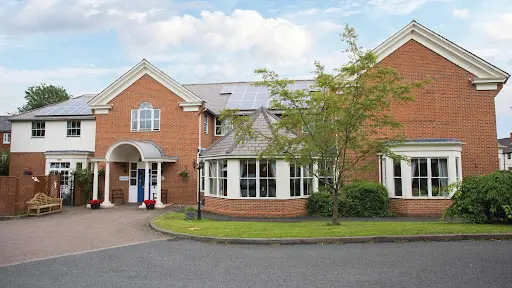
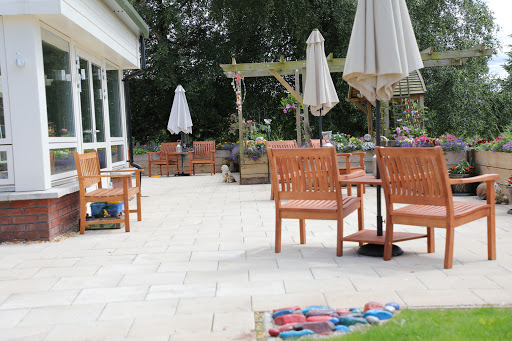
Residents here seem genuinely comfortable in their surroundings. They're well-presented, their rooms feel like their own space, and there's a sense of security that lets them relax. The home organises proper events too — things that give everyone something to look forward to.
“If you're considering The Forbury, spending time there yourself will give you the clearest picture of whether it feels right for your family.”
DCC does not edit or curate content in this tab. For independently curated information, see The Evidence and DCC Verdict.