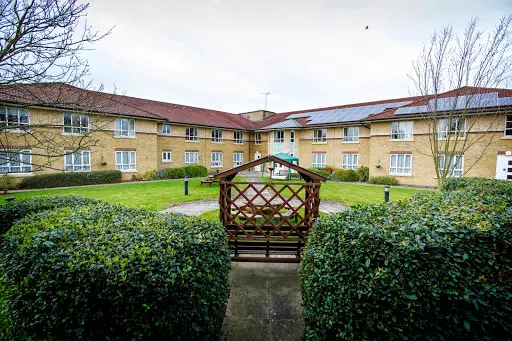
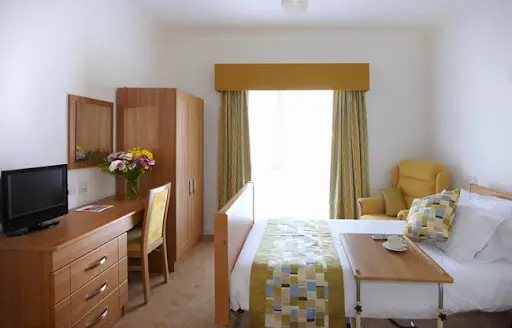
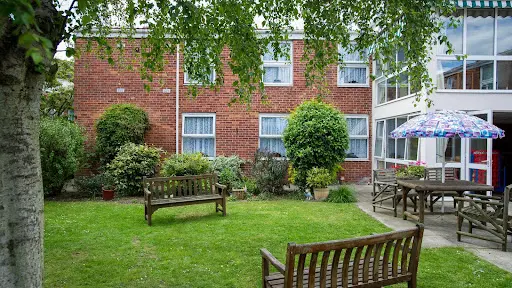
Mistley Manor

At a Glance
The information you need to decide whether this home warrants a closer look.
Residential homes
Staff warmth score
of reviewers answered yes
Good to know
- Registered beds84
- SpecialismsCaring for adults over 65 yrs, Caring for adults under 65 yrs, Dementia, Physical disabilities, Sensory impairment
- Last inspected2019-01-18
Save Mistley Manor to your shortlist
Keep a running list, add visit notes, and compare homes side-by-side. Free account — it takes a minute.
STAGE 4 — RESEARCHING CARE HOMES
Visit homes. Compare them side by side. Choose with confidence.
Most of us will view care homes the way we view houses, impression, atmosphere, the feeling in the corridor. We go home, try to remember what we saw, and make a permanent decision from a blurred memory.

The DCC shortlist gives every home you visit a structured record: the same twelve questions, answered the same way, every time. When you’re ready to choose, pull any two homes side by side and compare them directly. Same criteria, same evidence, your notes and your scores.
The Evidence
What the review data, the inspection reports, and the dementia-care evidence base tell us about this home.
What families say
Visitors mention feeling reassured by what they see when they visit. Residents seem content and well-settled, whether they're staying for respite care or making this their home. The staff's respectful, courteous approach comes through in how families describe their interactions.
The eight family priority themes
- Staff warmth72
- Compassion & dignity72
- Cleanliness68
- Activities & engagement60
- Food quality55
- Healthcare62
- Management & leadership42
- Resident happiness68
What inspectors found
Inspected 2019-01-18
Is this home safe?
Is the care effective?
The Effective domain was rated Good at the November 2018 inspection. This domain covers training, care planning, healthcare access, and nutrition. A Good rating suggests that care plans were in place, staff had appropriate training, and residents had access to healthcare professionals including GPs. The home's specialisms include dementia and sensory impairment, which require specific knowledge and adapted approaches. No detail on dementia training content, GP visit frequency, or care plan review processes is available in the published summary.Is this home caring?
The Caring domain was rated Good at the November 2018 inspection. This domain covers how staff treat residents, including warmth, dignity, respect, privacy, and support for independence. A Good rating in this area is meaningful because it reflects what inspectors saw and heard from residents and relatives during the inspection. No specific observations, quotes from residents, or examples of staff practice are available in the published summary, which limits how much can be said with certainty.Is the home responsive?
The Responsive domain was rated Good at the November 2018 inspection. This domain covers whether the home meets individuals' needs, including activities, engagement, and responsiveness to complaints. Mistley Manor cares for people with a range of conditions including dementia, physical disabilities, and sensory impairment, which means activities and engagement need to be adapted to widely varying abilities. No specific detail about the activity programme, individual engagement, or complaints handling is available in the published summary.Is the home well-led?
The Well-led domain was rated Requires Improvement at the November 2018 inspection. This is the only domain that did not reach Good, and it covers management, governance, quality monitoring, staff culture, and accountability. The home has two registered managers named in the report. The published summary does not explain what specific shortcomings inspectors found in leadership, which makes it difficult to assess how serious or widespread the concerns were. The home's overall rating improved from Requires Improvement to Good at this inspection, so leadership was the remaining gap.
Source: CQC inspection report →
What the evidence base says
The home provides care for adults both under and over 65, including those with physical disabilities and sensory impairments. They also support people living with dementia. For those considering dementia care, the home's focus on understanding each person's specific needs could be particularly relevant. Staff work to recognise what matters to each individual rather than applying standard approaches. All areas worth probing directly during a visit.
The DCC Verdict
Our editorial view, built from the three lenses: what families tell us, what inspectors record, and how the home sits against good dementia-care practice.
DCC Family Score
Mistley Manor scores reasonably well across the care themes, with Good ratings in four out of five domains. However, the Requires Improvement rating in leadership pulls the overall score down, and the limited inspection detail available means several themes can only be scored on general grounds rather than specific observations.
Homes in East typically score 68–82.The three-lens summary
What families tell us
Visitors mention feeling reassured by what they see when they visit. Residents seem content and well-settled, whether they're staying for respite care or making this their home. The staff's respectful, courteous approach comes through in how families describe their interactions.
What inspectors have recorded
What stands out in family feedback is how staff pay attention to the details that matter for each person. Rather than taking a one-size-fits-all approach, they notice and respond to individual preferences and needs. This thoughtful care continues even when residents need support after hospital stays.
How it sits against good practice
Several families who've used respite care here say they'd choose Mistley Manor again if needed.
Worth a visit
Mistley Manor, a residential care home in Manningtree offering up to 84 places for adults with dementia, physical disabilities, and sensory impairment, was rated Good overall at its last inspection in November 2018. The home had improved from a previous Requires Improvement rating, which is a meaningful step forward. Four of the five inspection domains, covering safety, effectiveness, care, and responsiveness, were all rated Good. The one area that did not reach Good was leadership and governance, which remained at Requires Improvement. This is the domain that underpins everything else, covering how the home monitors quality, supports staff, and acts on problems. The inspection summary published is brief and does not give specific detail on what inspectors saw, heard, or read. That limits what can be said with confidence about day-to-day life at Mistley Manor. On a visit, ask to meet the registered manager, ask what has changed in governance since 2018, and check how the home has been monitored since the last formal inspection in 2023.
The three questions to ask when you visitSave this home. Compare it against your shortlist.
Let our analysis show you how Mistley Manor measures up against the other homes you’re considering. Free account.
In Their Own Words
How Mistley Manor describes itself — collected from its own website. DCC has not edited or independently verified the content in this tab.
Where individual needs shape thoughtful daily care
Compassionate Care in Manningtree at Mistley Manor
When families describe their experience of Mistley Manor in Manningtree, they keep coming back to one thing: how well the staff understand what each resident actually needs. This care home supports people with various needs, including those under 65 and people living with dementia. Families using both respite and longer-term care have found the same consistent approach here.
Who they care for
The home provides care for adults both under and over 65, including those with physical disabilities and sensory impairments. They also support people living with dementia.
For those considering dementia care, the home's focus on understanding each person's specific needs could be particularly relevant. Staff work to recognise what matters to each individual rather than applying standard approaches.
“Several families who've used respite care here say they'd choose Mistley Manor again if needed.”
DCC does not edit or curate content in this tab. For independently curated information, see The Evidence and DCC Verdict.
The DCC Verdict
Our editorial view, built from the three lenses: what families tell us, what inspectors record, and how the home sits against good dementia-care practice.
DCC Family Score
Mistley Manor scores reasonably well across the care themes, with Good ratings in four out of five domains. However, the Requires Improvement rating in leadership pulls the overall score down, and the limited inspection detail available means several themes can only be scored on general grounds rather than specific observations.
Homes in East typically score 68–82.The three-lens summary
What families tell us
Visitors mention feeling reassured by what they see when they visit. Residents seem content and well-settled, whether they're staying for respite care or making this their home. The staff's respectful, courteous approach comes through in how families describe their interactions.
What inspectors have recorded
What stands out in family feedback is how staff pay attention to the details that matter for each person. Rather than taking a one-size-fits-all approach, they notice and respond to individual preferences and needs. This thoughtful care continues even when residents need support after hospital stays.
How it sits against good practice
Several families who've used respite care here say they'd choose Mistley Manor again if needed.
Worth a visit
Mistley Manor, a residential care home in Manningtree offering up to 84 places for adults with dementia, physical disabilities, and sensory impairment, was rated Good overall at its last inspection in November 2018. The home had improved from a previous Requires Improvement rating, which is a meaningful step forward. Four of the five inspection domains, covering safety, effectiveness, care, and responsiveness, were all rated Good. The one area that did not reach Good was leadership and governance, which remained at Requires Improvement. This is the domain that underpins everything else, covering how the home monitors quality, supports staff, and acts on problems. The inspection summary published is brief and does not give specific detail on what inspectors saw, heard, or read. That limits what can be said with confidence about day-to-day life at Mistley Manor. On a visit, ask to meet the registered manager, ask what has changed in governance since 2018, and check how the home has been monitored since the last formal inspection in 2023.
The three questions to ask when you visitSave this home. Compare it against your shortlist.
Let our analysis show you how Mistley Manor measures up against the other homes you’re considering. Free account.
In Their Own Words
How Mistley Manor describes itself — collected from its own website. DCC has not edited or independently verified the content in this tab.
Where individual needs shape thoughtful daily care
Compassionate Care in Manningtree at Mistley Manor
When families describe their experience of Mistley Manor in Manningtree, they keep coming back to one thing: how well the staff understand what each resident actually needs. This care home supports people with various needs, including those under 65 and people living with dementia. Families using both respite and longer-term care have found the same consistent approach here.
Who they care for
The home provides care for adults both under and over 65, including those with physical disabilities and sensory impairments. They also support people living with dementia.
For those considering dementia care, the home's focus on understanding each person's specific needs could be particularly relevant. Staff work to recognise what matters to each individual rather than applying standard approaches.
Management & ethos
What stands out in family feedback is how staff pay attention to the details that matter for each person. Rather than taking a one-size-fits-all approach, they notice and respond to individual preferences and needs. This thoughtful care continues even when residents need support after hospital stays.
“Several families who've used respite care here say they'd choose Mistley Manor again if needed.”
DCC does not edit or curate content in this tab. For independently curated information, see The Evidence and DCC Verdict.