Kingsgate Care Home
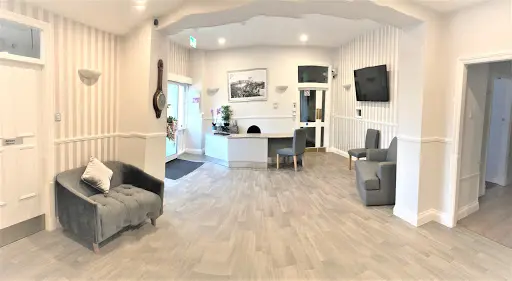
At a Glance
The information you need to decide whether this home warrants a closer look.
Nursing homes
Staff warmth score
of reviewers answered yes
Good to know
- Registered beds43
- SpecialismsCaring for adults over 65 yrs, Caring for adults under 65 yrs, Dementia, Physical disabilities, Sensory impairment
- Last inspected2021-05-13
Save Kingsgate Care Home to your shortlist
Keep a running list, add visit notes, and compare homes side-by-side. Free account — it takes a minute.
STAGE 4 — RESEARCHING CARE HOMES
Visit homes. Compare them side by side. Choose with confidence.
Most of us will view care homes the way we view houses, impression, atmosphere, the feeling in the corridor. We go home, try to remember what we saw, and make a permanent decision from a blurred memory.

The DCC shortlist gives every home you visit a structured record: the same twelve questions, answered the same way, every time. When you’re ready to choose, pull any two homes side by side and compare them directly. Same criteria, same evidence, your notes and your scores.
The Evidence
What the review data, the inspection reports, and the dementia-care evidence base tell us about this home.
What families say
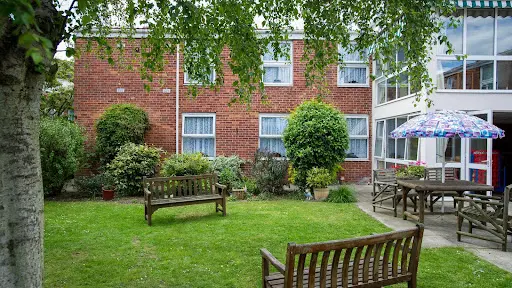
Families talk about staff who chat during everyday tasks and respond quickly when needed. The home has created different spaces for different moods — a reminiscent room filled with memories, a library for quiet moments, and that sensory garden where residents can simply enjoy being outside.
The eight family priority themes
- Staff warmth72
- Compassion & dignity72
- Cleanliness65
- Activities & engagement55
- Food quality55
- Healthcare52
- Management & leadership72
- Resident happiness65
What inspectors found
Inspected 2021-05-13
Is this home safe?
Is the care effective?
The Effective domain is rated Requires Improvement at the April 2021 inspection. This is the one area where the home did not meet the standard expected. The Effective domain covers how well staff are trained, how thoroughly care plans are written and reviewed, whether people's health needs are being met, and whether food and nutrition are managed well. No specific detail about what the shortfall was is included in the published summary. This rating has not been updated by a full reinspection since 2021.Is this home caring?
The Caring domain is rated Good at the April 2021 inspection. This domain covers whether staff are kind, whether people's dignity and privacy are respected, and whether people are supported to remain as independent as possible. No specific inspector observations, resident quotes, or family comments are included in the published summary for this home. The Good rating suggests these areas met the standard inspectors were looking for.Is the home responsive?
The Responsive domain is rated Good at the April 2021 inspection. This covers whether the home tailors care to individual needs and preferences, whether activities are meaningful, and whether people's concerns and complaints are taken seriously. The home's specialisms include dementia, physical disabilities, and sensory impairments, all of which require genuinely individualised approaches to daily life and engagement. No specific activity programme detail, individual engagement examples, or complaint handling observations are included in the published summary.Is the home well-led?
The Well-led domain is rated Good at the April 2021 inspection. A registered manager (Mrs Victoria Louise Whale) and a nominated individual (Mrs Jean Estelle Mirza) are both named in the inspection record, suggesting clear lines of accountability. A Good Well-led rating typically reflects inspectors finding that the culture of the home supports staff to do their jobs well and that the management team takes responsibility for quality. No specific examples of governance activity, staff feedback mechanisms, or quality improvement work are described in the published summary.
Source: CQC inspection report →
What the evidence base says
The home cares for adults over and under 65, including those with physical disabilities and sensory impairments. They offer respite stays as well as permanent care. For residents with dementia, the sensory garden and reminiscent room provide familiar touchpoints throughout the day. The flexible approach to dining means people can eat where they feel most comfortable. All areas worth probing directly during a visit.
The DCC Verdict
Our editorial view, built from the three lenses: what families tell us, what inspectors record, and how the home sits against good dementia-care practice.
DCC Family Score
Kingsgate Care Home scores 68 out of 100. The home is rated Good overall and has improved from Requires Improvement, which is encouraging, but the Effective domain remains at Requires Improvement, meaning questions around training, care planning, and healthcare need direct answers before you commit.
Homes in East typically score 68–82.The three-lens summary
What families tell us
Families talk about staff who chat during everyday tasks and respond quickly when needed. The home has created different spaces for different moods — a reminiscent room filled with memories, a library for quiet moments, and that sensory garden where residents can simply enjoy being outside.
What inspectors have recorded
You'll spot senior staff eating alongside residents at mealtimes — not just popping in for inspections. Families notice how staff handle different disabilities and needs, whether someone's here for a few weeks' respite or something more permanent.
How it sits against good practice
Sometimes the best measure of a care home is in the small details — like staff choosing to share their lunch break with residents.
Worth a visit
Kingsgate Care Home at 22-24 Carnarvon Road, Clacton-on-Sea was inspected in April 2021 and rated Good overall, an improvement from its previous rating of Requires Improvement. Four of the five inspection domains (Safe, Caring, Responsive, and Well-led) are rated Good, and both a registered manager and a nominated individual are named, suggesting stable leadership. The home cares for adults over and under 65 with dementia, physical disabilities, and sensory impairments across 43 beds. The one area that needs your attention is the Effective domain, which remains at Requires Improvement. This domain covers training, care planning, and healthcare, and a shortfall here can mean that good intentions from kind staff are not consistently backed up by the right skills or records. The inspection report available for this home contains very limited published detail, so there is much you will need to ask directly. On your visit, ask the manager to explain exactly what the Effective shortfall was and what has changed since. Request to see current dementia training records for staff on the unit your parent would be on, and ask how often care plans are reviewed and whether family members can be part of that process.
The three questions to ask when you visitSave this home. Compare it against your shortlist.
Let our analysis show you how Kingsgate Care Home measures up against the other homes you’re considering. Free account.
In Their Own Words
How Kingsgate Care Home describes itself — collected from its own website. DCC has not edited or independently verified the content in this tab.
Where staff eat lunch with residents and every room tells a story
Kingsgate Care Home – Your Trusted nursing home
When families need respite care or are looking for somewhere permanent, they want to know their person will be genuinely looked after. Kingsgate Care Home in Clacton-on-Sea seems to understand this — from the sensory garden to the way staff join residents for meals, there's a feeling that daily life here matters.
Who they care for
The home cares for adults over and under 65, including those with physical disabilities and sensory impairments. They offer respite stays as well as permanent care.
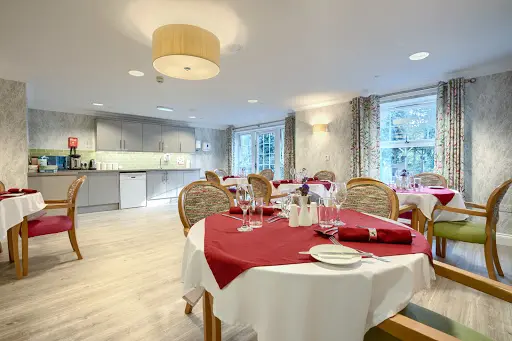
For residents with dementia, the sensory garden and reminiscent room provide familiar touchpoints throughout the day. The flexible approach to dining means people can eat where they feel most comfortable.
“Sometimes the best measure of a care home is in the small details — like staff choosing to share their lunch break with residents.”
DCC does not edit or curate content in this tab. For independently curated information, see The Evidence and DCC Verdict.
The DCC Verdict
Our editorial view, built from the three lenses: what families tell us, what inspectors record, and how the home sits against good dementia-care practice.
DCC Family Score
Kingsgate Care Home scores 68 out of 100. The home is rated Good overall and has improved from Requires Improvement, which is encouraging, but the Effective domain remains at Requires Improvement, meaning questions around training, care planning, and healthcare need direct answers before you commit.
Homes in East typically score 68–82.The three-lens summary
What families tell us
Families talk about staff who chat during everyday tasks and respond quickly when needed. The home has created different spaces for different moods — a reminiscent room filled with memories, a library for quiet moments, and that sensory garden where residents can simply enjoy being outside.
What inspectors have recorded
You'll spot senior staff eating alongside residents at mealtimes — not just popping in for inspections. Families notice how staff handle different disabilities and needs, whether someone's here for a few weeks' respite or something more permanent.
How it sits against good practice
Sometimes the best measure of a care home is in the small details — like staff choosing to share their lunch break with residents.
Worth a visit
Kingsgate Care Home at 22-24 Carnarvon Road, Clacton-on-Sea was inspected in April 2021 and rated Good overall, an improvement from its previous rating of Requires Improvement. Four of the five inspection domains (Safe, Caring, Responsive, and Well-led) are rated Good, and both a registered manager and a nominated individual are named, suggesting stable leadership. The home cares for adults over and under 65 with dementia, physical disabilities, and sensory impairments across 43 beds. The one area that needs your attention is the Effective domain, which remains at Requires Improvement. This domain covers training, care planning, and healthcare, and a shortfall here can mean that good intentions from kind staff are not consistently backed up by the right skills or records. The inspection report available for this home contains very limited published detail, so there is much you will need to ask directly. On your visit, ask the manager to explain exactly what the Effective shortfall was and what has changed since. Request to see current dementia training records for staff on the unit your parent would be on, and ask how often care plans are reviewed and whether family members can be part of that process.
The three questions to ask when you visitSave this home. Compare it against your shortlist.
Let our analysis show you how Kingsgate Care Home measures up against the other homes you’re considering. Free account.
In Their Own Words
How Kingsgate Care Home describes itself — collected from its own website. DCC has not edited or independently verified the content in this tab.
Where staff eat lunch with residents and every room tells a story
Kingsgate Care Home – Your Trusted nursing home
When families need respite care or are looking for somewhere permanent, they want to know their person will be genuinely looked after. Kingsgate Care Home in Clacton-on-Sea seems to understand this — from the sensory garden to the way staff join residents for meals, there's a feeling that daily life here matters.
Who they care for
The home cares for adults over and under 65, including those with physical disabilities and sensory impairments. They offer respite stays as well as permanent care.
For residents with dementia, the sensory garden and reminiscent room provide familiar touchpoints throughout the day. The flexible approach to dining means people can eat where they feel most comfortable.
Management & ethos
You'll spot senior staff eating alongside residents at mealtimes — not just popping in for inspections. Families notice how staff handle different disabilities and needs, whether someone's here for a few weeks' respite or something more permanent.
The home & environment
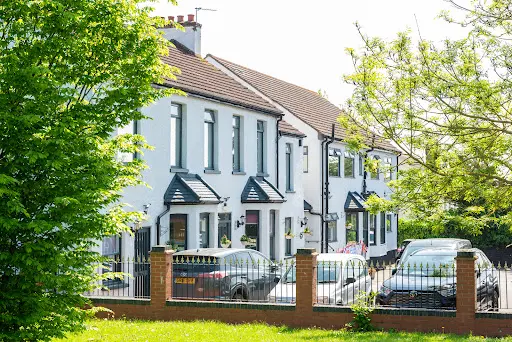
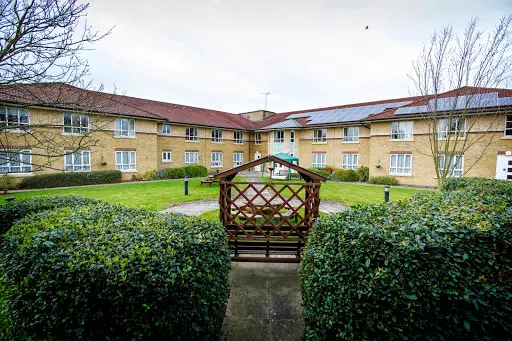
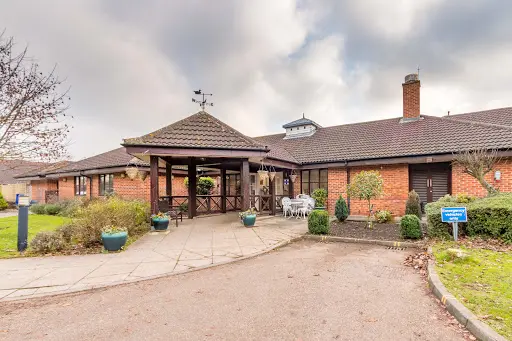
The food gets proper mentions from families, who say nutrition is taken seriously here. What catches attention is that residents can eat in different spots around the home, not just the main dining room. The outdoor areas give people proper space to enjoy fresh air.
“Sometimes the best measure of a care home is in the small details — like staff choosing to share their lunch break with residents.”
DCC does not edit or curate content in this tab. For independently curated information, see The Evidence and DCC Verdict.